×
×
Headline: Domestic High-Performance Fibers Reach T1200 Milestone: CCE 2026 Highlights Low-Altitude Economy as the Next Frontier
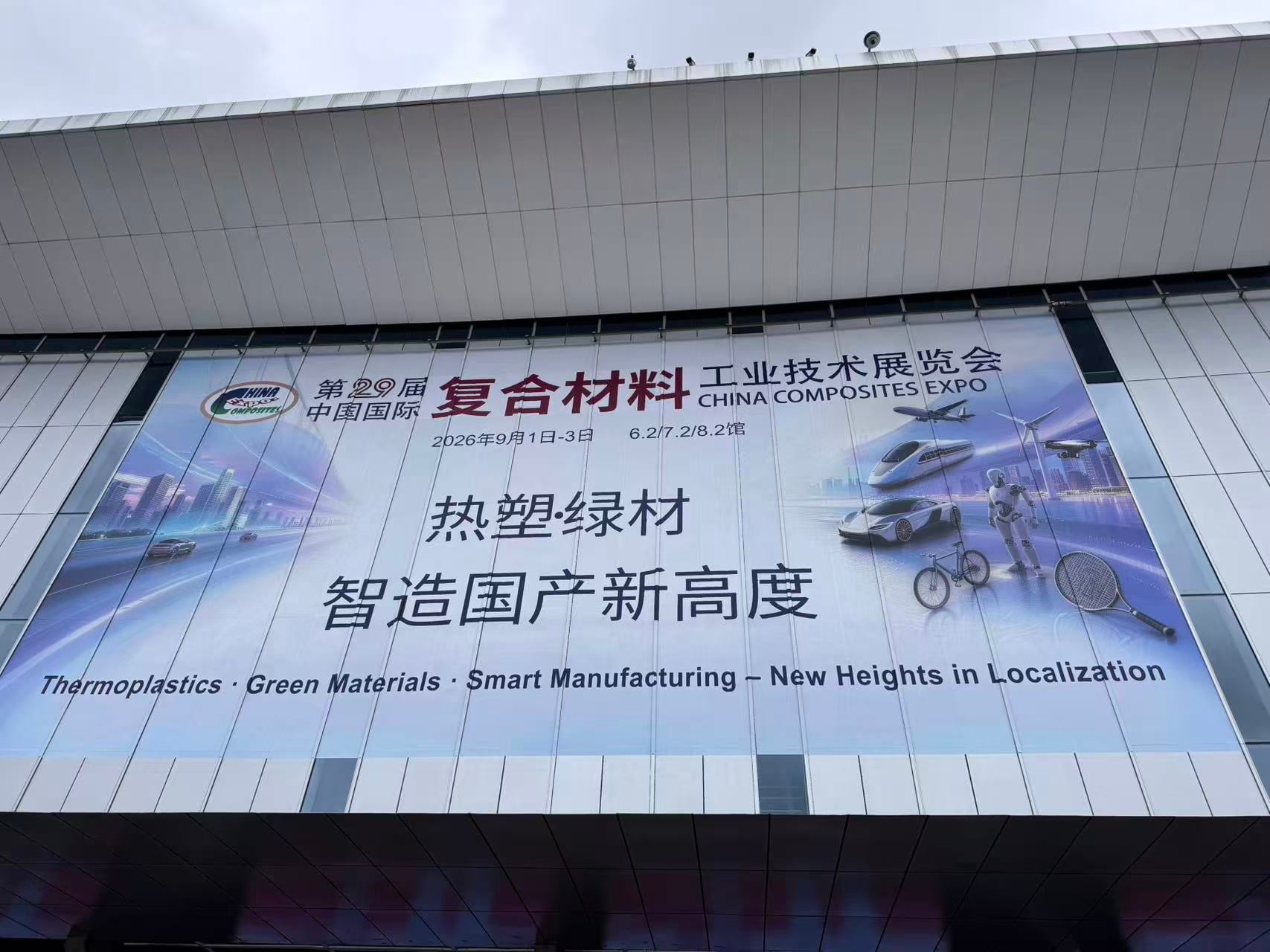
[SHANGHAI, Sept 3, 2026] – The global composites community turned its gaze to the East as the 29th China International Composites Industrial Technical Exhibition (CCE 2026) successfully concluded at the National Exhibition and Convention Center in Shanghai. With an exhibition area exceeding 75,000 square meters, the event hosted over 970 exhibitors and welcomed more than 30,000 professional visitors, setting new records and serving as a definitive window into the "qualitative transformation" of China’s composites sector.
The most striking highlight was the collective surge in domestic high-performance carbon fibers. Industry leaders such as Zhongfu Shenying and Hengshen showcased mass-produced T1200-grade ultra-high-strength carbon fiber. This milestone signifies that China has successfully broken international monopolies in core materials for aerospace, transitioning from a follower to a frontrunner in specific high-end segments.
2026 is widely regarded as the "Year of the Low-Altitude Economy." A dedicated zone for low-altitude composites featured several all-composite eVTOL (Electric Vertical Take-off and Landing) airframes. Due to the extreme requirements for weight reduction and structural integrity, carbon fiber composites now account for 70% to 90% of eVTOL airframe weight, becoming the critical technological pillar for commercializing urban air mobility.
At the CCE-JEC Innovation Awards, HRC (Hengrui Corporation) stole the spotlight with its automated thermoplastic rail transit panels. Compared to traditional thermosets, thermoplastic composites are gaining rapid traction in New Energy Vehicles (NEVs) and rail transit due to their recyclability and extremely short processing cycles. Supported by mature domestic AFP (Automated Fiber Placement) and ATL (Automated Tape Laying) technologies, processing is entering a new phase of high-efficiency, low-carbon intelligent manufacturing.
Sustainability is no longer just a concept. Companies like Swancor and Evonik introduced bio-based resins and carbon fiber circularity solutions. For the decommissioning of wind turbine blades, firms like Nantong Fuyuan demonstrated advanced physical and chemical recycling techniques with high property retention, establishing a closed-loop supply chain from waste to high-performance regenerated products.
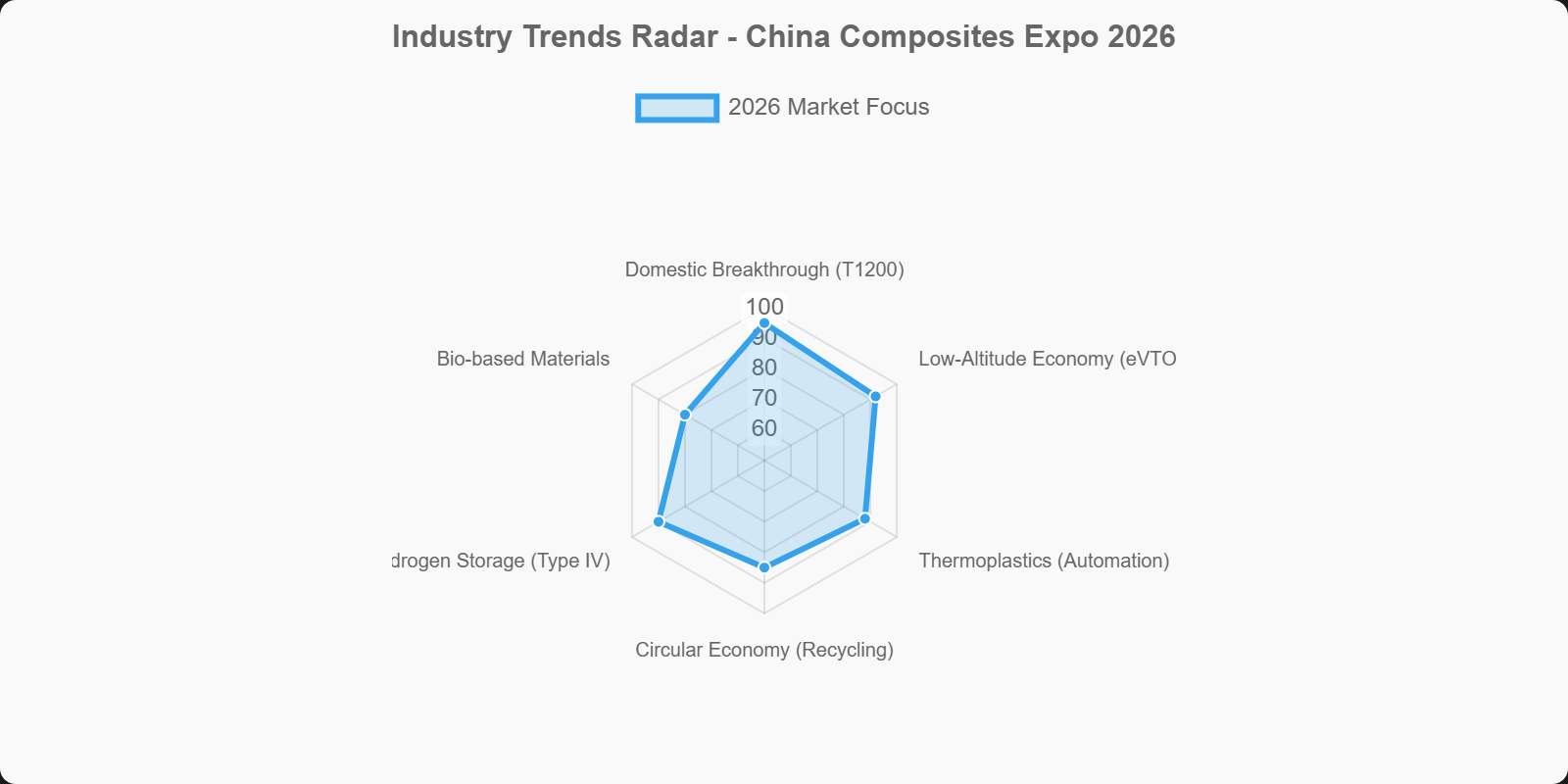
An expert from the China Composites Industry Association noted during the forum that as of late 2025, China's composites output value reached 313 billion RMB, accounting for 38% of the global market. The success of CCE 2026 confirms that the industry is in a critical transition from "size" to "strength." Looking ahead, the deep development of deep-sea exploration, hydrogen storage (Type IV tanks), and general aviation will unlock even greater growth potential for domestic composites.
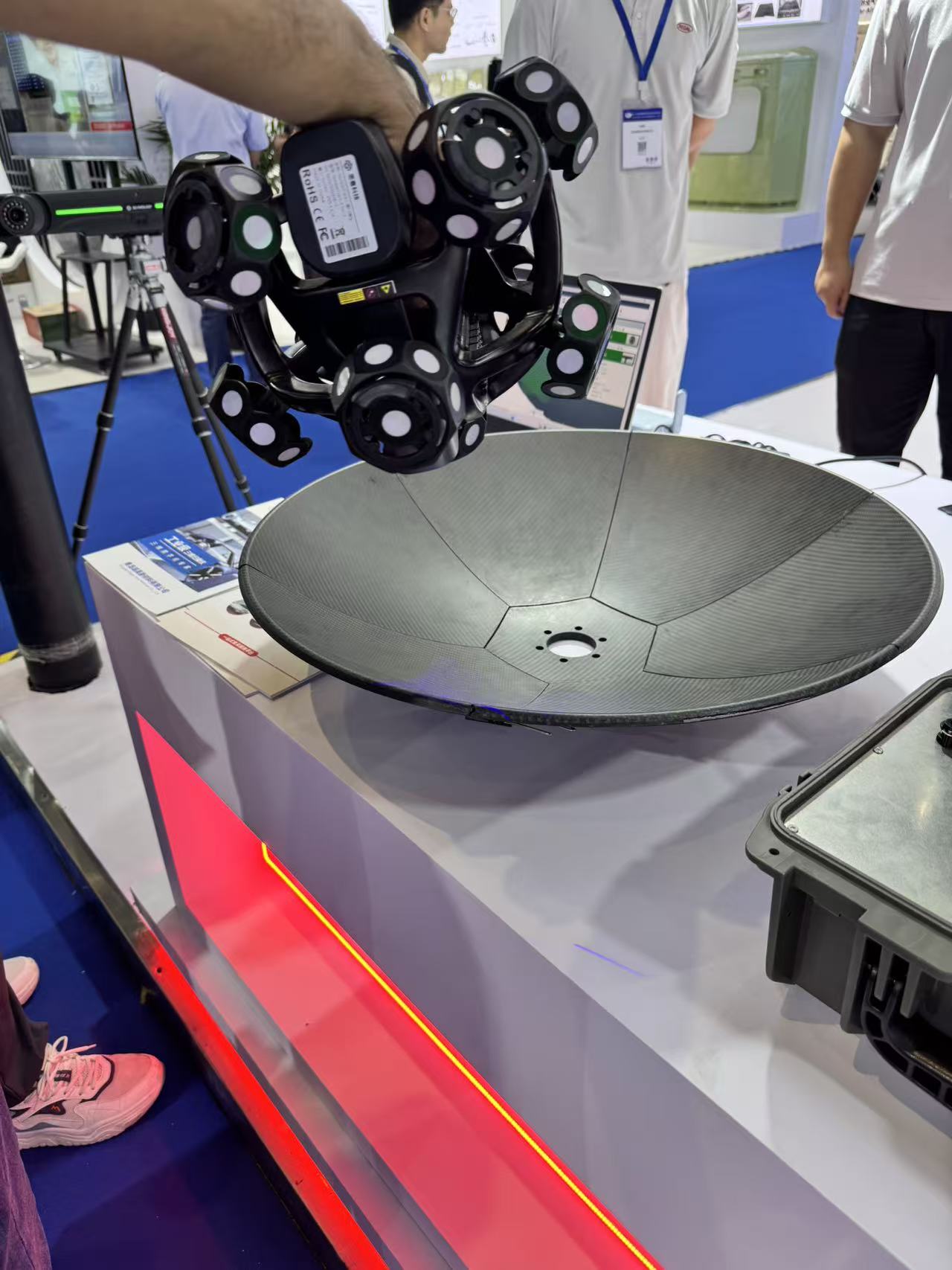
Conclusion: CCE 2026 not only demonstrated technological peaks but also boosted industry confidence. Under the strategic guidance of "High-end, Green, and Intelligent" development, the Chinese composites industry is accelerating its climb toward the top of the global value chain.
 Hot News
2026-09-08
2026-09-05
2026-08-10
2026-08-05
2026-07-11
2026-04-23

 EN
EN