×
×
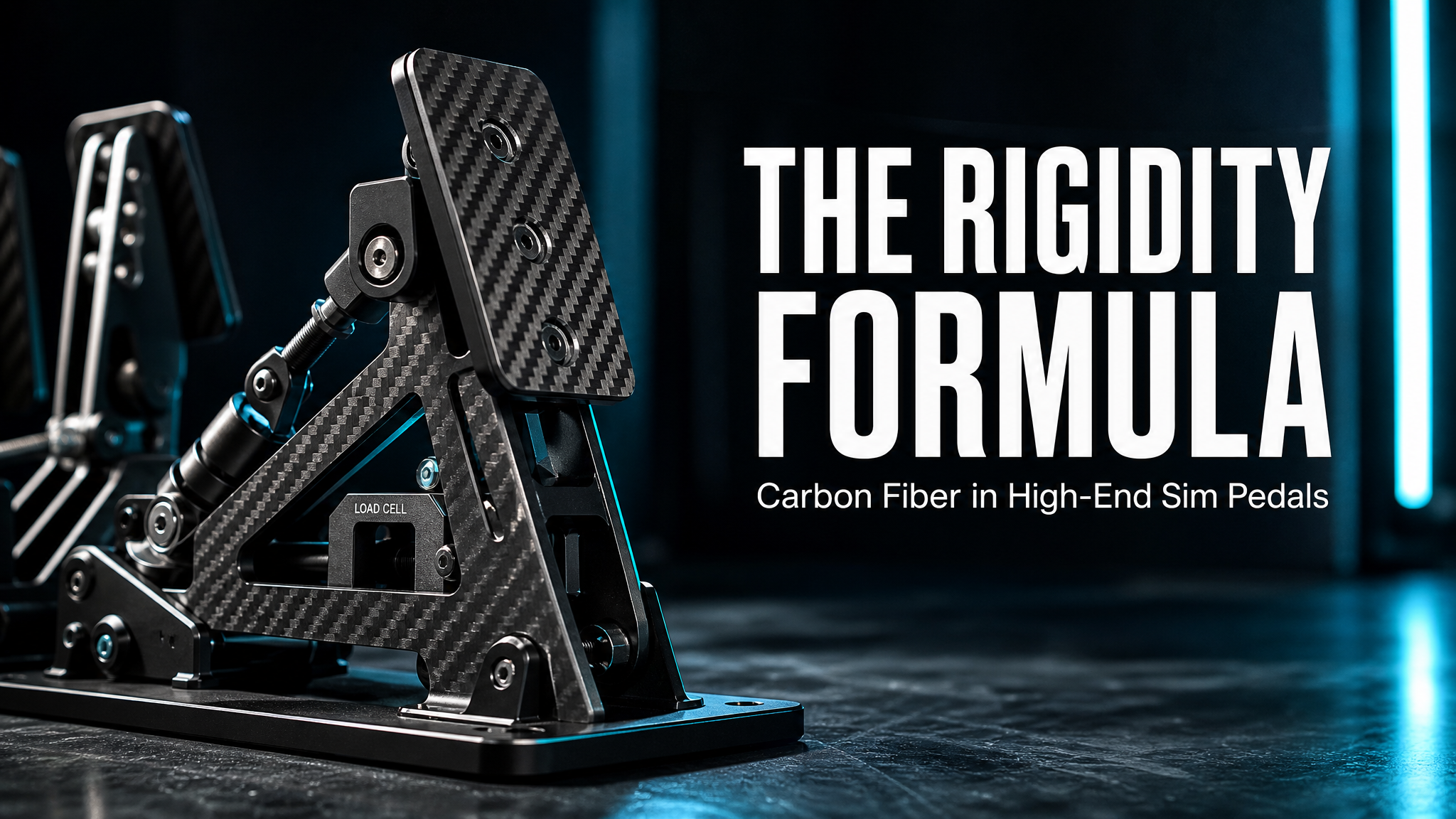
In the world of esports and professional sim racing, the term "immersion" is often used to describe visual graphics. However, for a driver seeking the final tenth of a second, immersion is felt through the feet. The rise of boutique hardware manufacturers—exemplified by innovators like FatBlackCat with their PurrPRO series—has shifted the material science of the cockpit from consumer-grade plastics to motorsport-grade composites.
At the heart of this hardware revolution is a specific material synergy: the combination of CNC-machined aluminum and structural carbon fiber parts. While a steering wheel's carbon faceplate reduces rotational inertia, the application of carbon fiber in a pedal assembly serves a much more brutal purpose: managing extreme, repetitive force without a micron of flex. This guide analyzes the engineering logic behind using carbon fiber in high-end sim racing pedals and how it impacts competitive performance in 2026.
Professional-grade pedals, such as the PurrPRO Formula, utilize heavy-duty load cell sensors capable of reading up to 200kg of force. To put this in perspective, that is roughly the weight of a full-grown grizzly bear focused entirely on a single pedal face.
When a sim racer executes a threshold braking maneuver at the end of a long straight, any "flex" in the pedal frame is energy lost. In engineering terms, metal—even high-grade aluminum—has a fatigue limit and a weight penalty when scaled for extreme rigidity. By integrating structural carbon fiber parts, manufacturers achieve:
Based on current industry standards seen on high-end platforms, carbon fiber is strategically deployed in three key areas of the sim racing ecosystem:
As seen in the latest Formula-style rigs, the heel support is no longer a static plate. Modern designs use carbon fiber plates for "Active Heel Support" that moves with the pedal. The low friction and high wear resistance of carbon fiber make it ideal for contact points where the driver's boot slides during modulation.
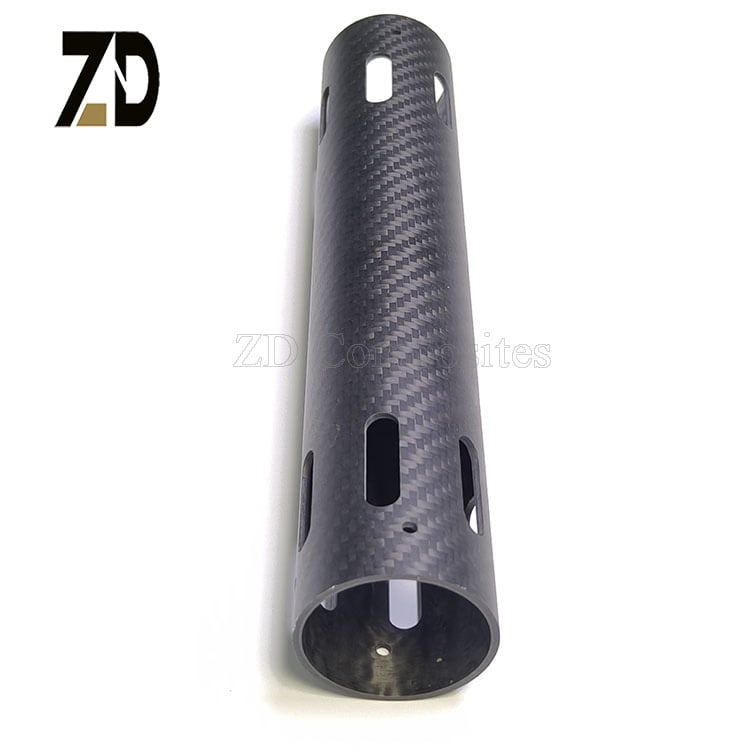
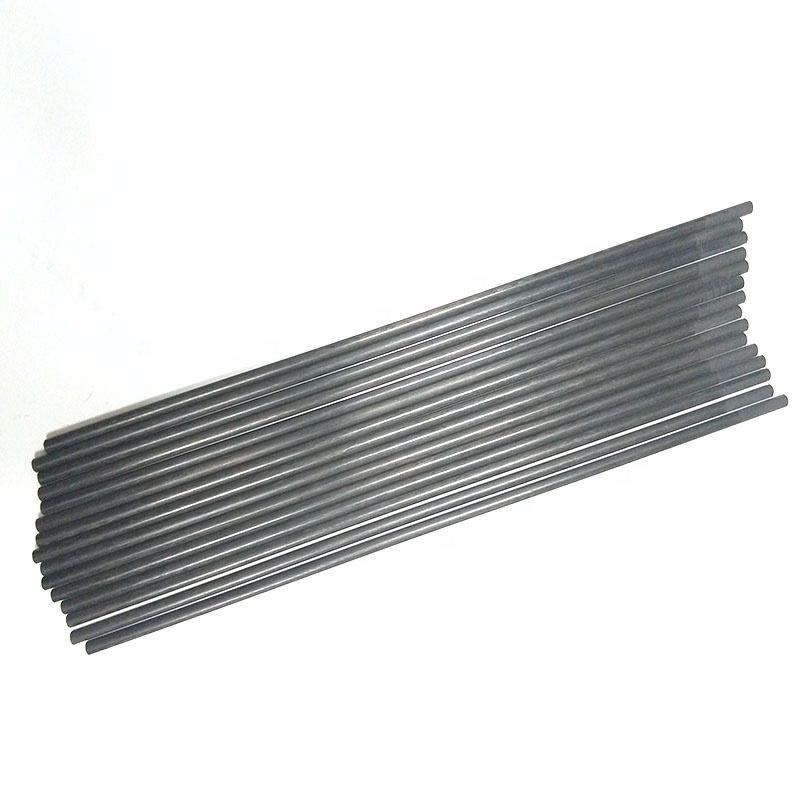
For 8020 aluminum profile rigs, the mounting brackets are critical. Using 5mm to 8mm thick carbon fiber parts for side bracing allows for a sleeker aesthetic while providing higher torsional rigidity than standard L-brackets. This is where a carbon fiber tube can also be utilized—acting as lightweight cross-bracing between pedal uprights to prevent lateral sway during aggressive downshifting.
High-precision load cell electronics and haptic exciters generate heat and are sensitive to electromagnetic interference (EMI). Carbon fiber’s inherent shielding properties and thermal stability make it a functional choice for housing the "brains" of the pedal system.
| Feature | Carbon Fiber Composite | CNC Billet Aluminum | Mild Steel (Laser Cut) |
|---|---|---|---|
| Bending Stiffness | Highest (Modulus 70-230 GPa) | High (69 GPa) | Medium (205 GPa - dependent on thickness) |
| Weight Impact | Minimal (1.55 g/cm³) | Moderate (2.70 g/cm³) | High (7.85 g/cm³) |
| Fatigue Resistance | Infinite (no fatigue limit) | Moderate (prone to cracking) | Low (prone to rusting/bending) |
| Market Perception | Boutique / Professional | Industrial | Budget / Entry-Level |
The synergy between CNC machining and carbon fiber is what separates "toys" from "tools." For a brand like FatBlackCat, the use of CNC anodized aluminum provides the intricate pivot points and bearing housings, while carbon composite handles the large-surface structural load.
For sim racing hardware enthusiasts and developers, specifying the right carbon fiber parts involves more than just selecting a weave. It requires choosing the correct layup (Unidirectional for load paths vs. 3K Twill for impact resistance) and ensuring CNC tolerances of ±0.05mm for a "slop-free" assembly.
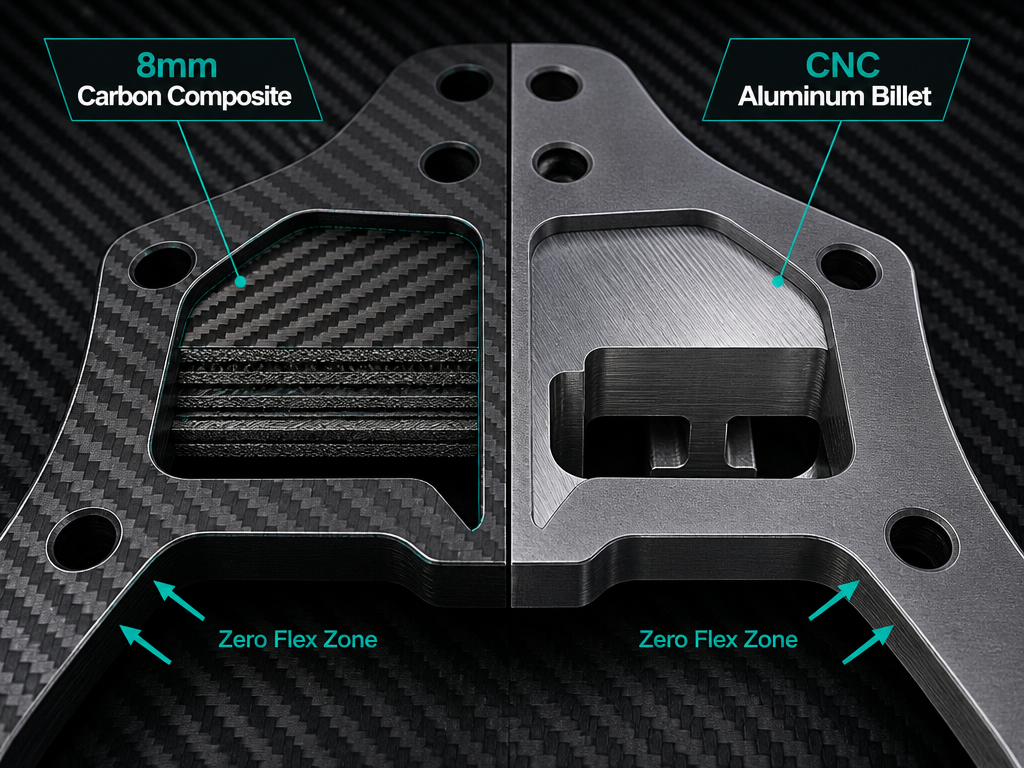
Whether you are building a custom DIY rig or sourcing for a commercial product line, the choice of carbon fiber source is the foundation of the equipment’s lifespan. At Zhongda Composites, we specialize in the precision CNC cutting of carbon fiber plates and the production of high-strength carbon fiber tubes designed for the high-torque environments of sim racing.
Our T700-grade fiber bases ensure that your pedal plates don't just look the part—they survive the millions of cycles required in endurance racing. From Formula-style heel rests to bespoke direct-drive mounting solutions, we translate ex-F1 engineering requirements into high-performance digital assets for your store.
Zhongda Composites Co., Ltd. — Expert in Motorsport-Grade Carbon Fiber Solutions. From Pedal Sets to Steering Hubs, we provide the rigidity that wins races. Contact us for custom OEM composite manufacturing.
 Hot News
2026-09-08
2026-09-05
2026-08-10
2026-08-05
2026-07-11
2026-04-23

 EN
EN