 ×
×

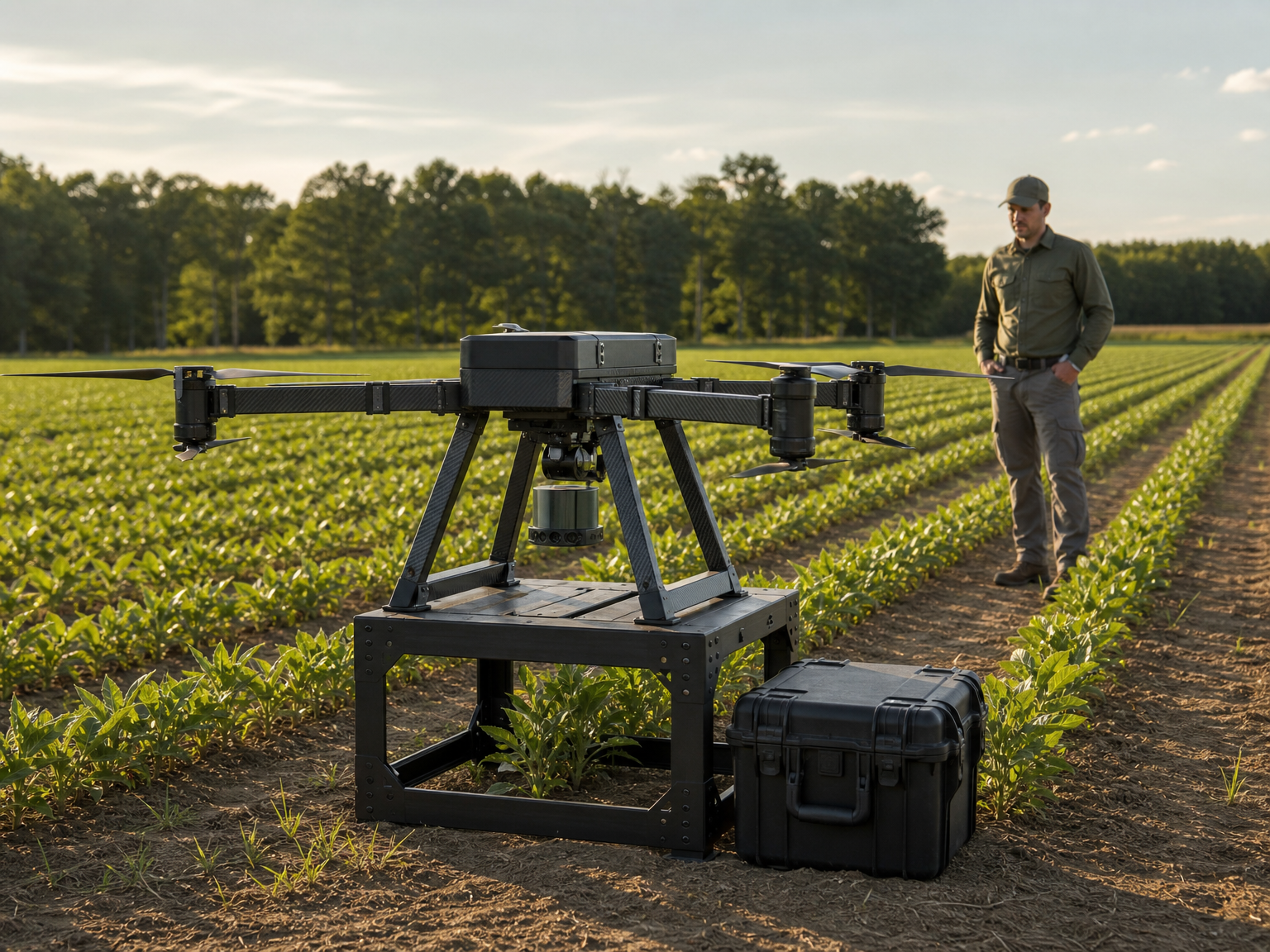
A drone is often described by its motors, propellers, flight controller and payload. Yet beneath those visible systems is a less obvious engineering problem: how to create a frame that remains light enough to fly, stiff enough to control, and practic...
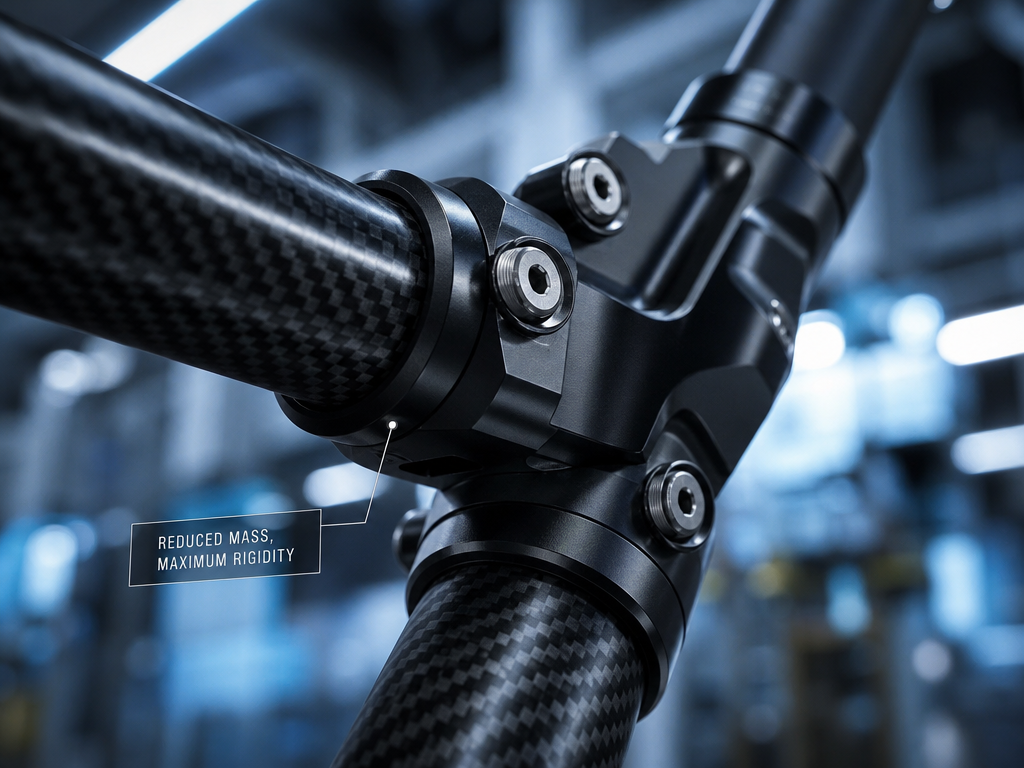
In the landscape of modern structural materials, the carbon fiber tube represents the ultimate convergence of lightweight design and mechanical rigidity. While traditional metals like aluminum and steel have served industry for centuries, ...
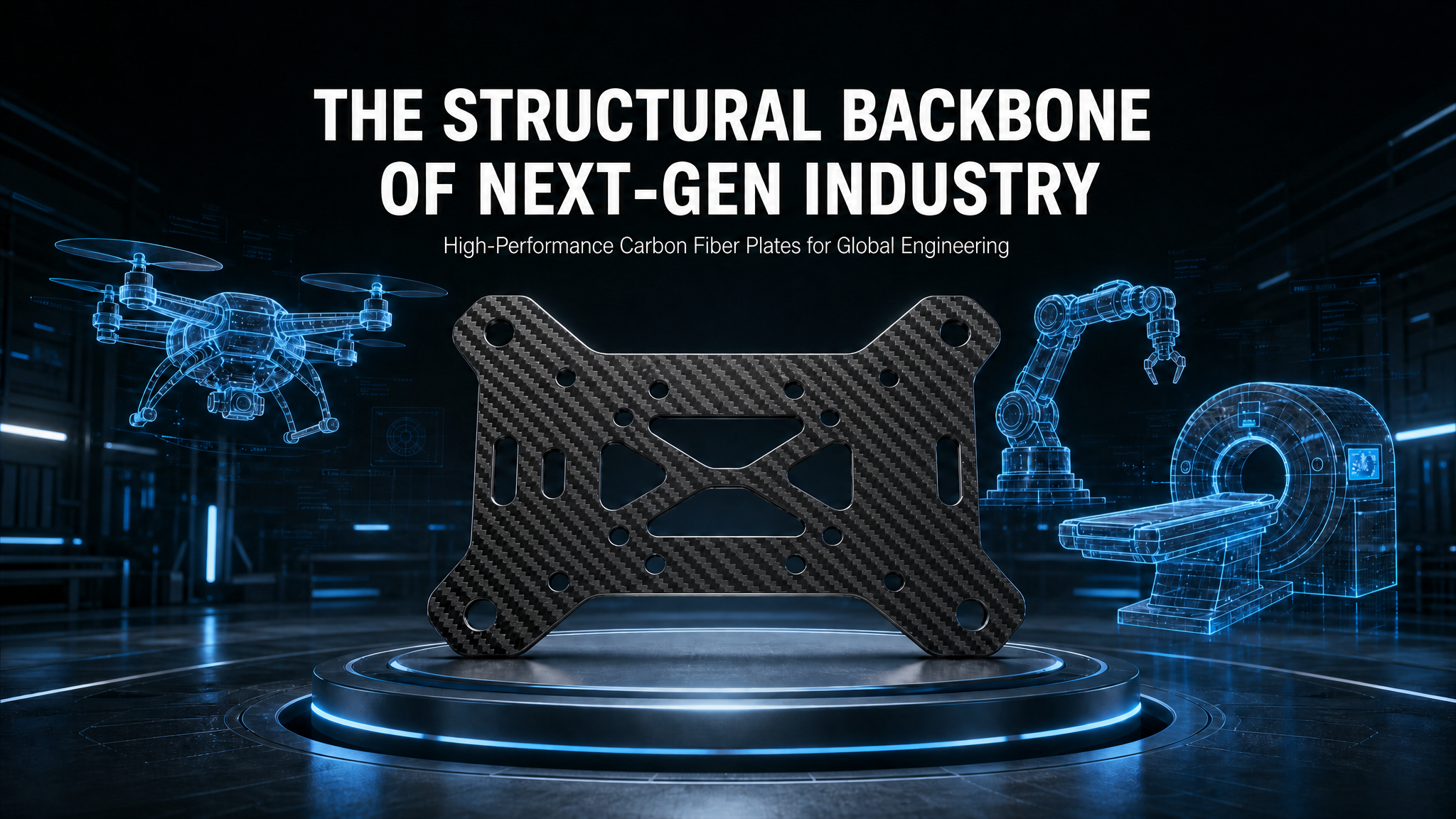
In the hierarchy of high-performance materials, the carbon fiber plate (also known as carbon fiber sheet or board) occupies a unique position. While carbon fiber tubes provide the framework, the plate provides the skin, the structural hear...
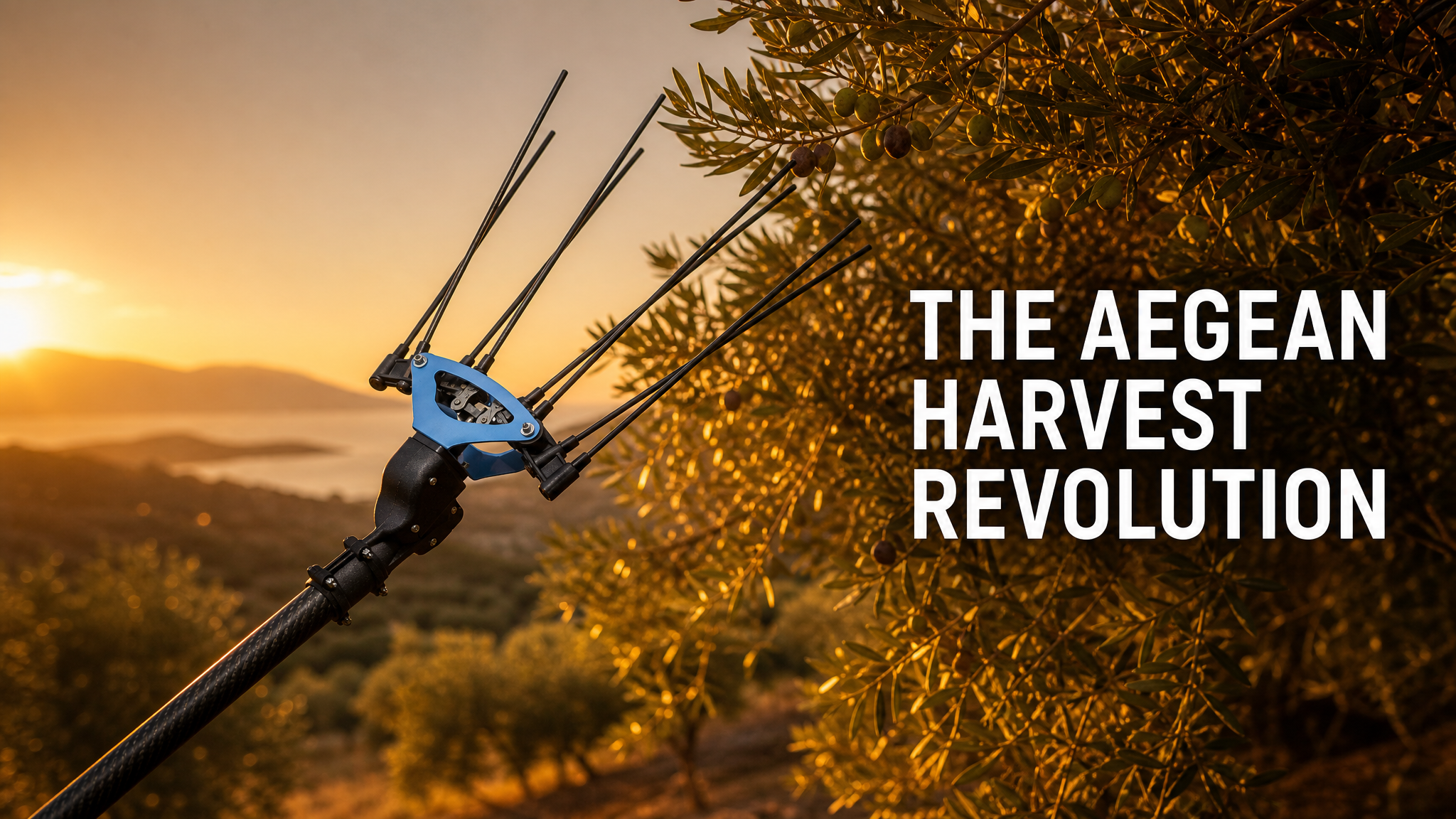
Zhongda Composites Co., Ltd. is a global leader in high-performance carbon fiber tubes and rods. We provide customized OEM solutions for agricultural machinery manufacturers across the Mediterranean. Contact our B2B team today for bulk pricing and technical documentation tailored for the Turkish market.
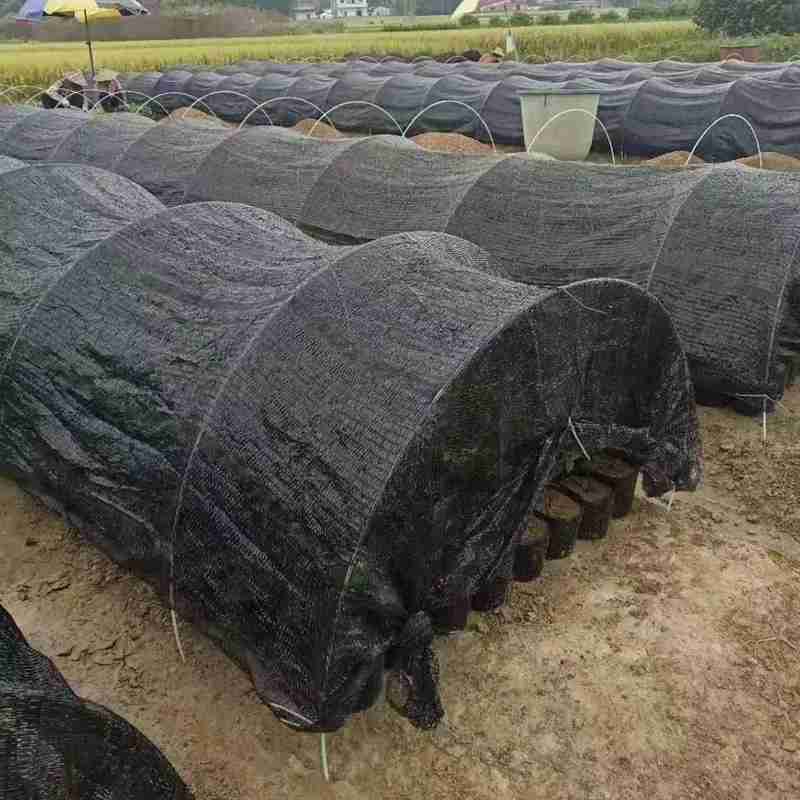
Fiberglass rods have a density of 1.98-2 g/cm³, a tensile strength greater than 180 MPa, and an elastic modulus of 39,000-44,000 MPa. This material possesses both strength approaching that of steel and good elastic deformation capacity.
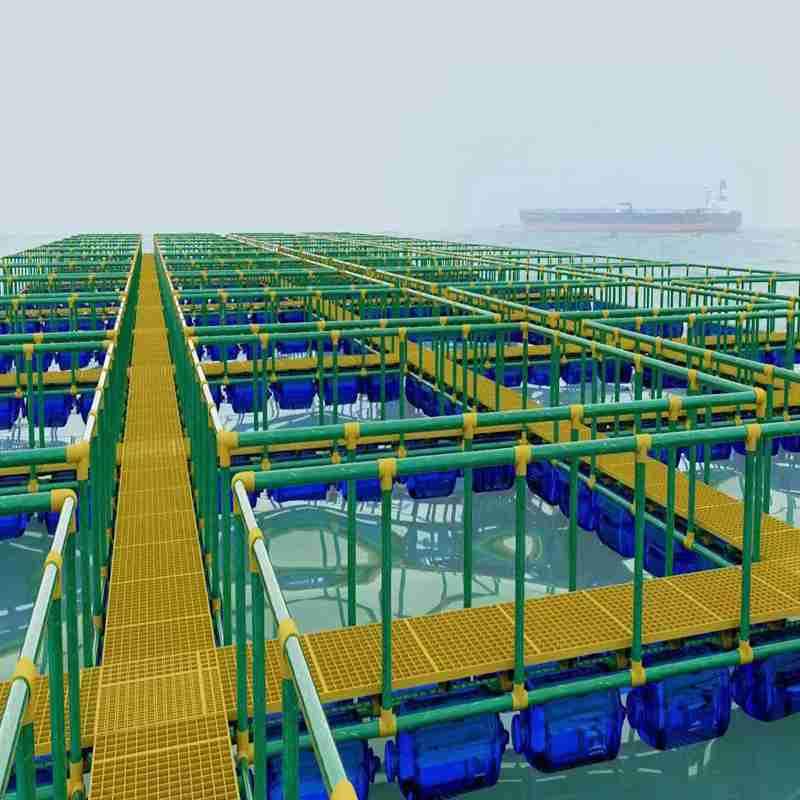
The application of fiberglass pipes in marine aquaculture is a successful example of composite material technology serving modern fisheries. With its comprehensive advantages such as resistance to seawater corrosion, lightweight yet high strength, resistance to wind and waves, long lifespan, and low maintenance, it is systematically replacing traditional steel, bamboo, wood, and ordinary plastic pipes.
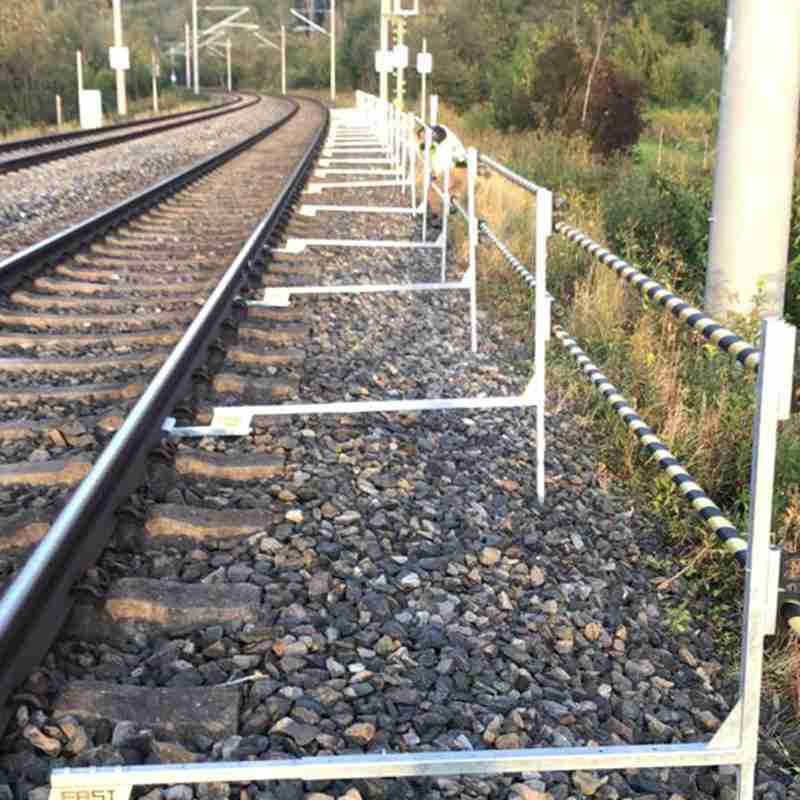
The application of fiberglass tubes in railway guardrails is a successful example of composite materials replacing traditional materials. With its comprehensive advantages such as corrosion resistance, electrical insulation, lightweight yet high strength, and low maintenance, it is gradually replacing steel and concrete guardrails, especially in special environments such as electrified railways, coastal railways, and railways in chemical industrial zones, where it holds an irreplaceable position.
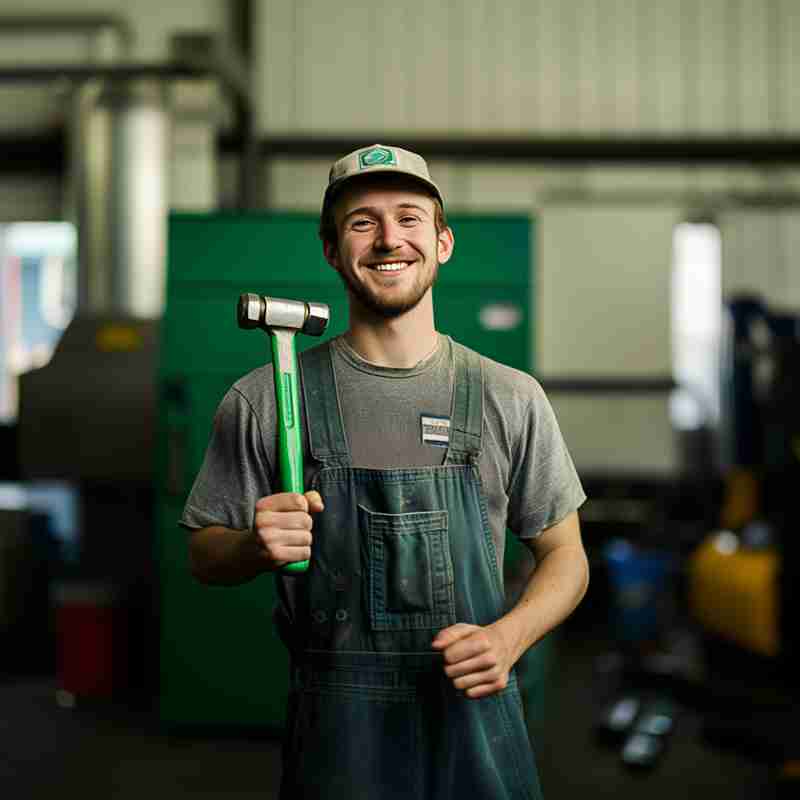
The core value of fiberglass-handled hammers lies in achieving high strength and excellent vibration absorption while remaining lightweight. They solve the dilemma of wooden handles being unreliable and steel handles causing hand vibration, representing a typical example of advancements in materials technology in the field of traditional tools. For professionals seeking efficiency and comfort, as well as home users looking for a "one-time purchase for long-term use," fiberglass-handled hammers are a top choice. While slightly more expensive than ordinary wooden-handled hammers, their exceptionally long lifespan and protection for wrist health make the investment clearly worthwhile.
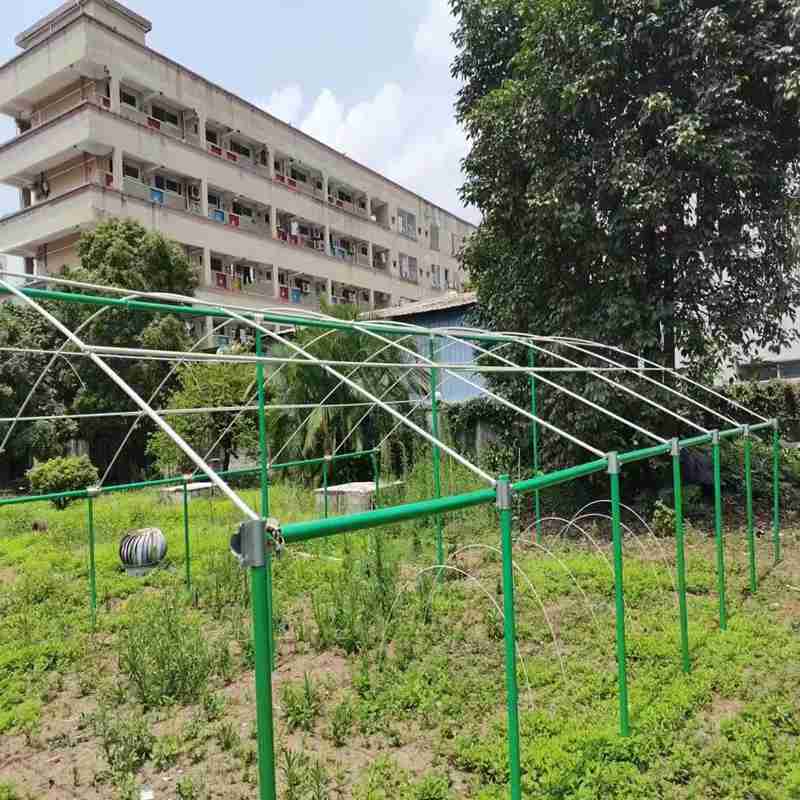
Fiberglass pipes can serve as the main load-bearing frame of a greenhouse, replacing traditional steel pipes and bamboo. Their high strength and corrosion resistance ensure the long-term stability of the greenhouse structure, making them particularly suitable for multi-span greenhouses and large-scale planting areas.
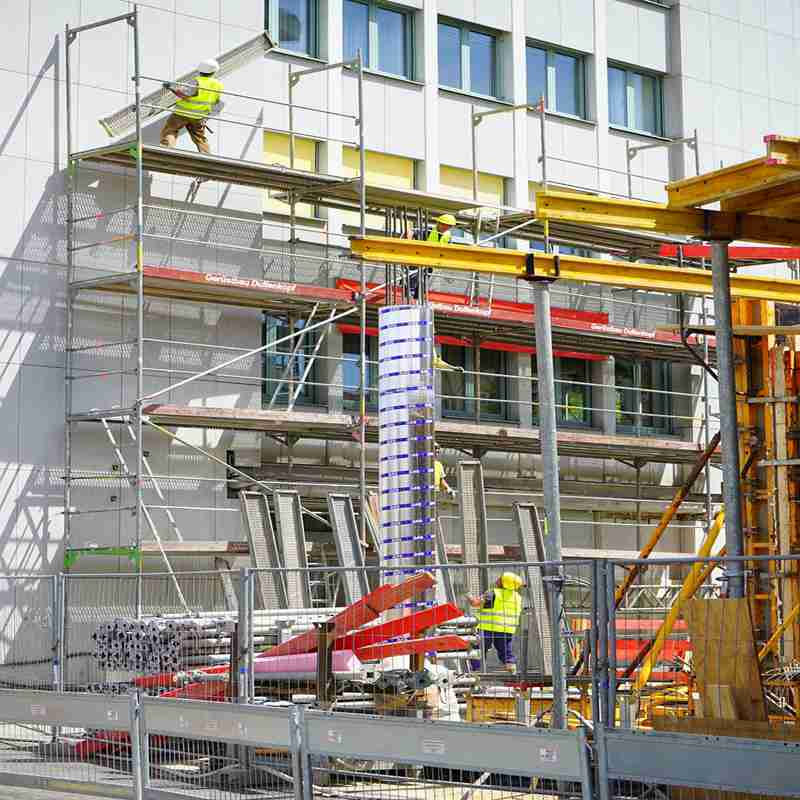
From a life-cycle cost perspective, fiberglass scaffolding exhibits extremely high cost-effectiveness. With increasingly stringent requirements for power construction, chemical safety, and industrial standardization, the market for this new type of composite material scaffolding will continue to expand, becoming standard equipment for high-altitude operations in special conditions.
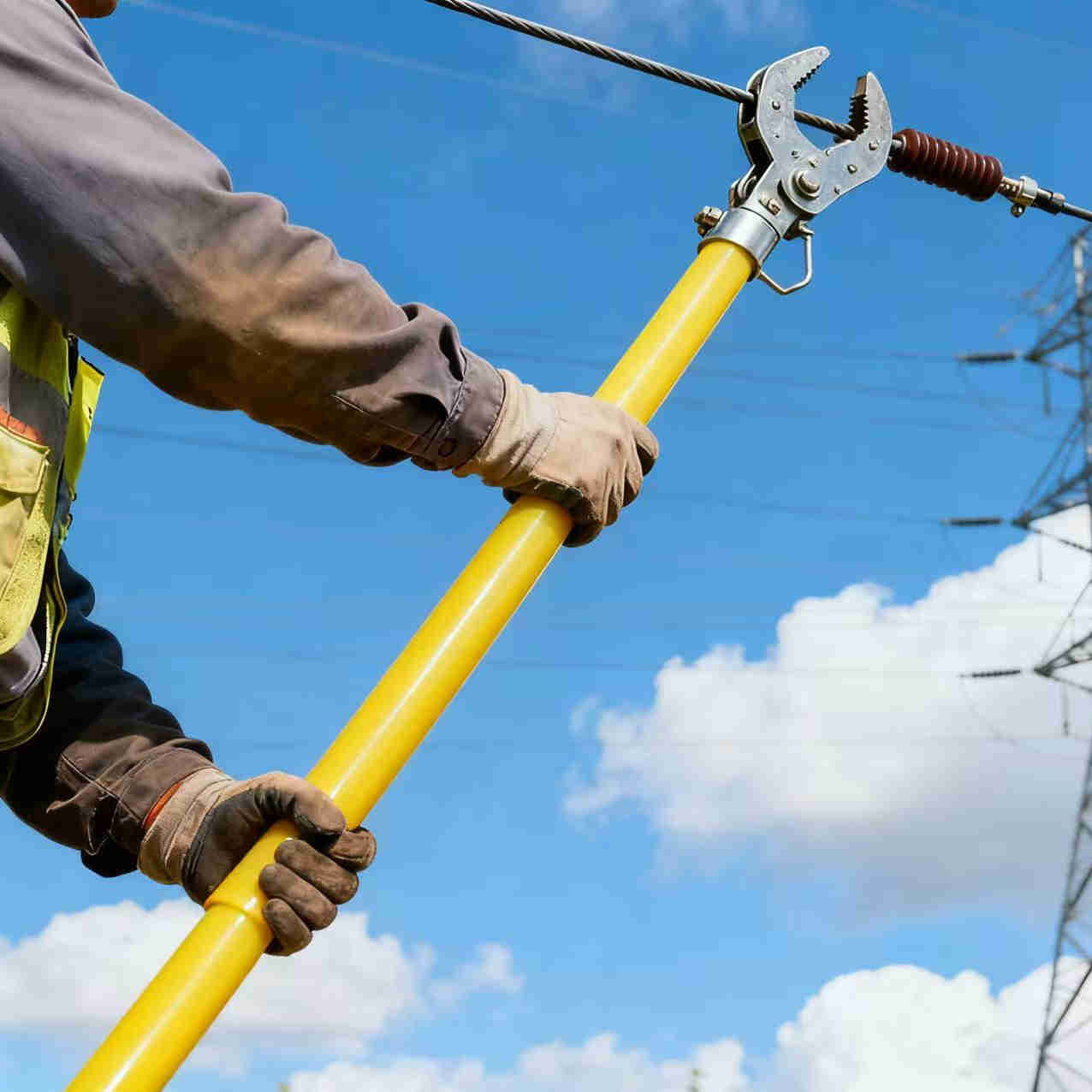
Fiberglass insulation tubing is used in high-voltage switches and insulating rods. It features extremely high dielectric strength, excellent arc resistance, high mechanical strength, and lightweight properties. Moisture- and corrosion-resistant, it o...
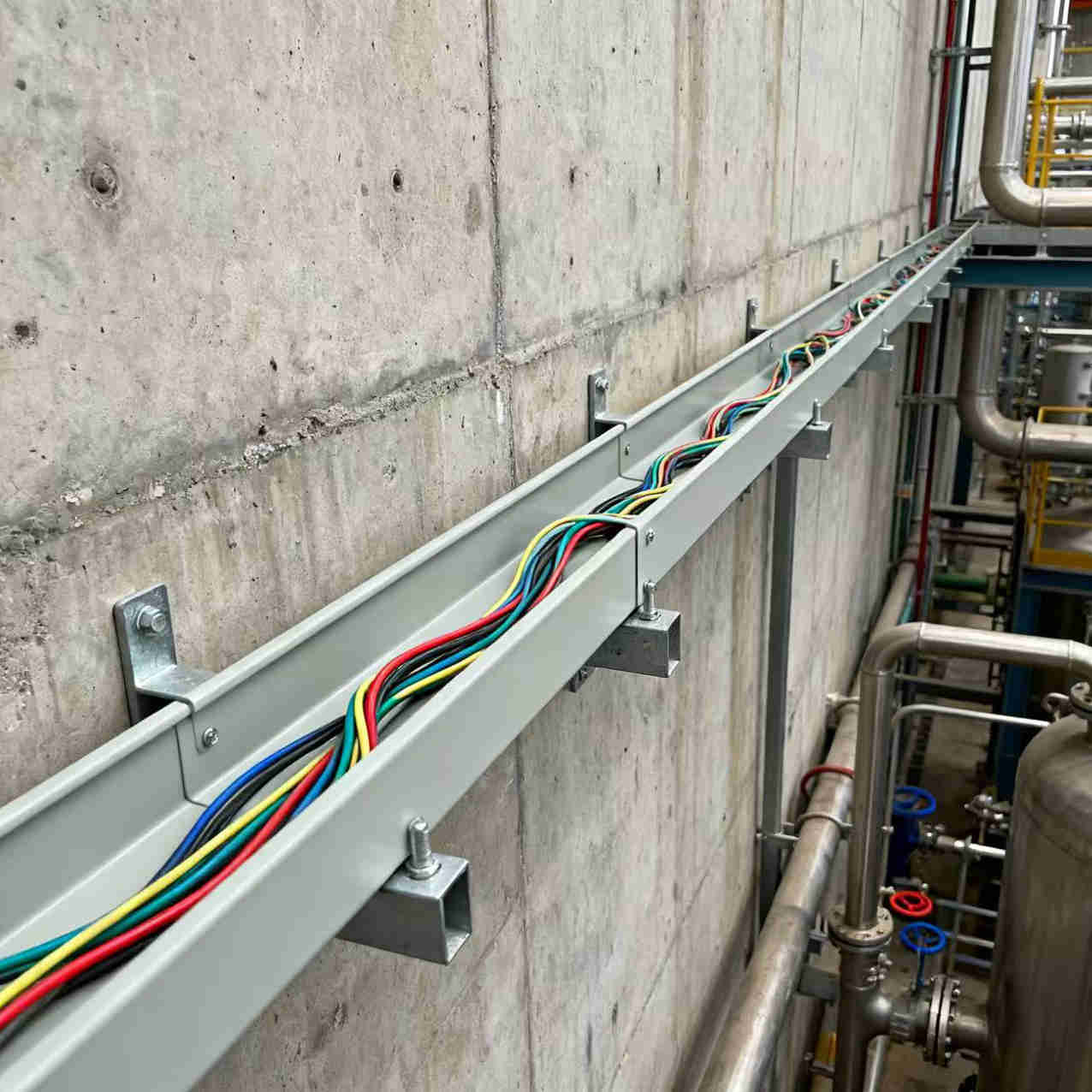
Fiberglass channels and cable trunking offer exceptional corrosion resistance and are completely rust-proof, making them particularly suitable for use in humid and corrosive environments such as those in the chemical, marine, and power sectors. They ...

 EN
EN

