
 EN


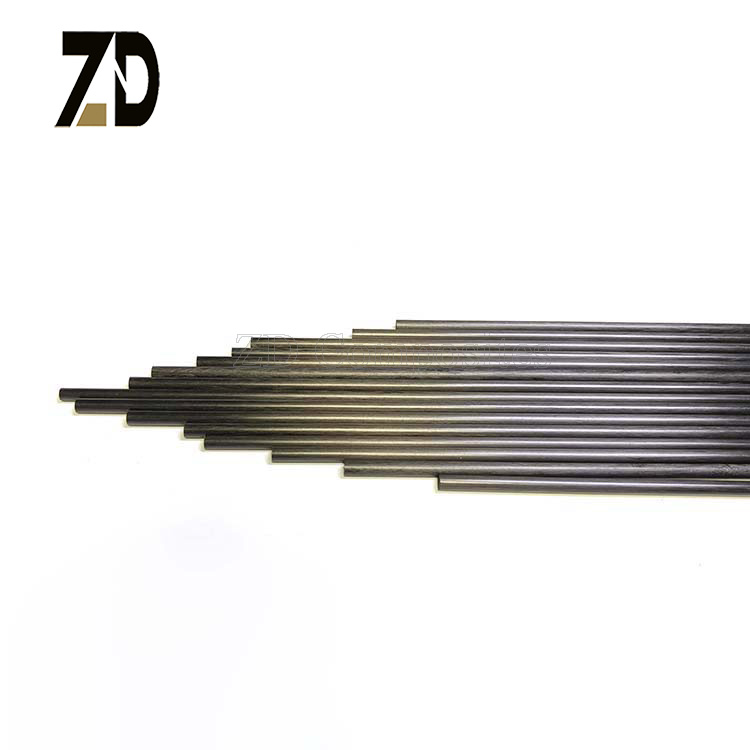
Robotic arm design demands materials that balance exceptional strength with minimal weight, and carbon fiber rods have emerged as the optimal choice for structural components requiring both precision and rigidity. Engineers across manufacturing, automation, and aerospace industries consistently specify carbon fiber rods because they deliver superior performance in demanding applications where traditional steel or aluminum cannot meet the stringent requirements. The unique combination of high tensile strength, low density, and dimensional stability makes carbon fiber rods the preferred material for load-bearing joints, actuator mounts, and precision linkages that must operate reliably under continuous stress.
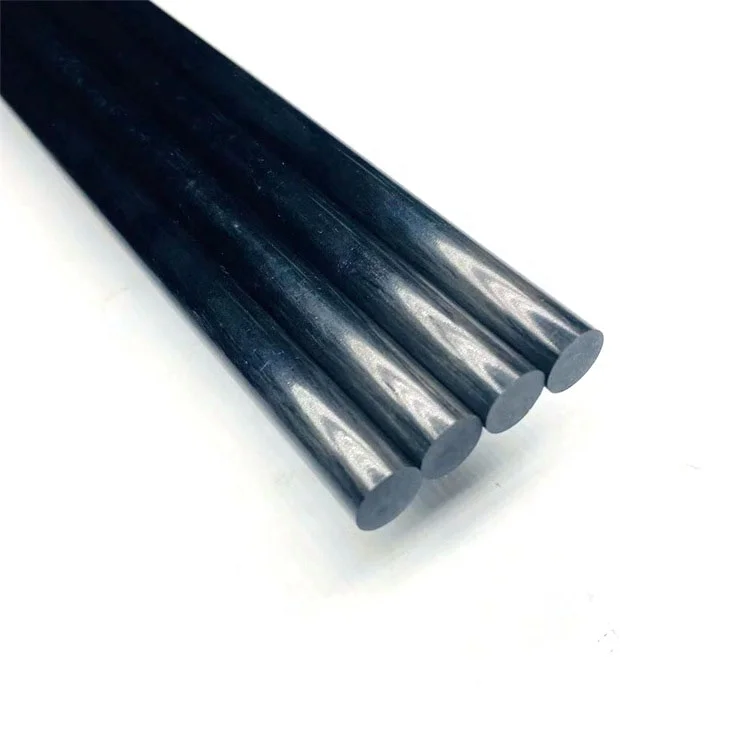
When designing robotic systems, the structural integrity of each component directly impacts the arm's accuracy, repeatability, and operational lifespan. Carbon fiber rods address this critical need by providing rigidity that resists deflection under load while maintaining the lightweight characteristics essential for fast acceleration and efficient power consumption. Understanding how to select and implement carbon fiber rods correctly ensures your robotic arm achieves the precision tolerances and performance reliability that modern automation demands.
Why Carbon Fiber Rods Outperform Alternative Materials
Superior Strength-to-Weight Ratio
Carbon fiber rods deliver approximately five times the strength-to-weight ratio compared to aluminum and ten times better than steel, making them ideal for robotic applications where every gram impacts system performance. This exceptional ratio means carbon fiber rods can support the same load as steel alternatives while weighing a fraction of the mass, directly reducing motor power requirements and enabling faster movement cycles. In multi-axis robotic arms, lightweight carbon fiber rods throughout the structure compound these benefits, lowering overall system inertia and dramatically improving response speed and energy efficiency across all operational scenarios.
Dimensional Stability and Precision
Unlike metals that expand and contract with temperature fluctuations, carbon fiber rods maintain exceptional dimensional stability across wide temperature ranges, a critical advantage for precision robotic applications operating in varied environments. This thermal stability ensures that robotic arm components maintain calibrated positioning accuracy without requiring constant recalibration due to thermal drift. Carbon fiber rods also exhibit virtually zero creep under sustained stress, meaning the structural geometry remains consistent during long production runs, directly supporting repeatable precision that automated systems demand.
Selecting the Right Carbon Fiber Rods for Robotic Arm Design
Diameter and Load-Bearing Requirements
Choosing appropriate carbon fiber rods dimensions requires calculating the maximum bending moment and shear stress at each structural joint in your robotic arm design. Larger diameter carbon fiber rods provide proportionally greater moment resistance, but at the cost of added weight and material expense; engineers must balance load requirements against the speed and precision benefits of lighter structures. For most collaborative robotic arms, carbon fiber rods ranging from 8mm to 16mm diameter provide optimal performance, while specialized applications may require smaller precision rods for joint connections or larger structural tubes for heavy-payload systems.
Fiber Orientation and Layup Configuration
The directional strength of carbon fiber rods depends on the fiber orientation within the composite matrix; unidirectional carbon fiber rods excel at resisting axial loads, while multi-directional layup patterns in carbon fiber rods provide balanced strength in multiple directions. For robotic arms experiencing combined bending and torsional stress, carbon fiber rods with optimized fiber angles distribute loads more efficiently than simple unidirectional designs. Specifying the correct layup configuration for carbon fiber rods ensures structural efficiency and prevents premature failure in real-world robotic applications subject to complex, multi-directional forces.
Implementation Best Practices for Robotic Arm Applications
Joint Design and Connection Methods
Carbon fiber rods require specialized connection techniques that respect the material properties and avoid stress concentrations that could trigger delamination or fiber fracture. Using carbon fiber rods with reinforced end sections or aluminum sleeves provides reliable mechanical anchoring points for clevis joints, motor couplings, and actuator mounting brackets throughout the robotic structure. Adhesive bonding of carbon fiber rods offers excellent stress distribution but requires surface preparation and proper cure conditions, while mechanical fastening provides faster assembly with slightly higher local stress concentrations that must be managed through careful design validation.
Testing and Validation Protocols
Before deploying carbon fiber rods in production robotic arms, comprehensive testing validates performance under actual operating conditions including dynamic cycling, thermal stress, and worst-case load scenarios. Destructive testing of prototype carbon fiber rods identifies failure modes and safety margins, ensuring the design maintains adequate durability throughout the system's operational life. Non-destructive inspection techniques such as ultrasonic scanning detect delamination or fiber misalignment in carbon fiber rods after manufacture, preventing defective components from entering assembly and affecting robotic arm reliability.
FAQ
How do carbon fiber rods compare to composite tubes for robotic arm structures?
Carbon fiber rods and carbon fiber tubes each serve different structural roles in robotic design. Solid carbon fiber rods excel in tension and compression applications where bending resistance matters less, delivering maximum material efficiency and precision. Hollow carbon fiber tubes provide superior bending stiffness relative to weight and are preferred for main structural beams; however, solid carbon fiber rods remain the better choice for precision joints, actuator mounts, and components requiring exceptional dimensional stability and high load concentration. The decision between carbon fiber rods and tubes depends on the specific stress profile and precision requirements of each structural element.
What temperature range can carbon fiber rods withstand in robotic applications?
Standard carbon fiber rods remain stable from -40°C to +80°C without significant property degradation, covering the vast majority of indoor robotic applications in manufacturing and automation facilities. High-temperature carbon fiber rods formulated with specialized epoxy or polyimide matrices extend this range to +120°C or higher, suitable for robotic systems operating near furnaces, presses, or other heat-generating equipment. Beyond these limits, carbon fiber rods may experience matrix softening or micro-cracking, requiring thermal management solutions or alternative materials; verify the specific thermal ratings for your carbon fiber rods specification before deploying in extreme-temperature robotic environments.
Can carbon fiber rods be easily repaired or replaced in fielded robotic arms?
Carbon fiber rods that fail due to impact damage or overload stress typically require complete component replacement rather than in-field repair, as welding or bonding damaged carbon fiber rods often proves less reliable than original manufacturing processes. However, modular robotic arm design with bolted carbon fiber rods connections enables relatively quick field replacement of damaged sections without dismantling the entire structure. Preventive maintenance that monitors carbon fiber rods for visible cracks or delamination and replaces components before failure ensures continuous robotic arm availability; this approach proves far more cost-effective than repairing damaged carbon fiber rods after system downtime occurs.