
 EN


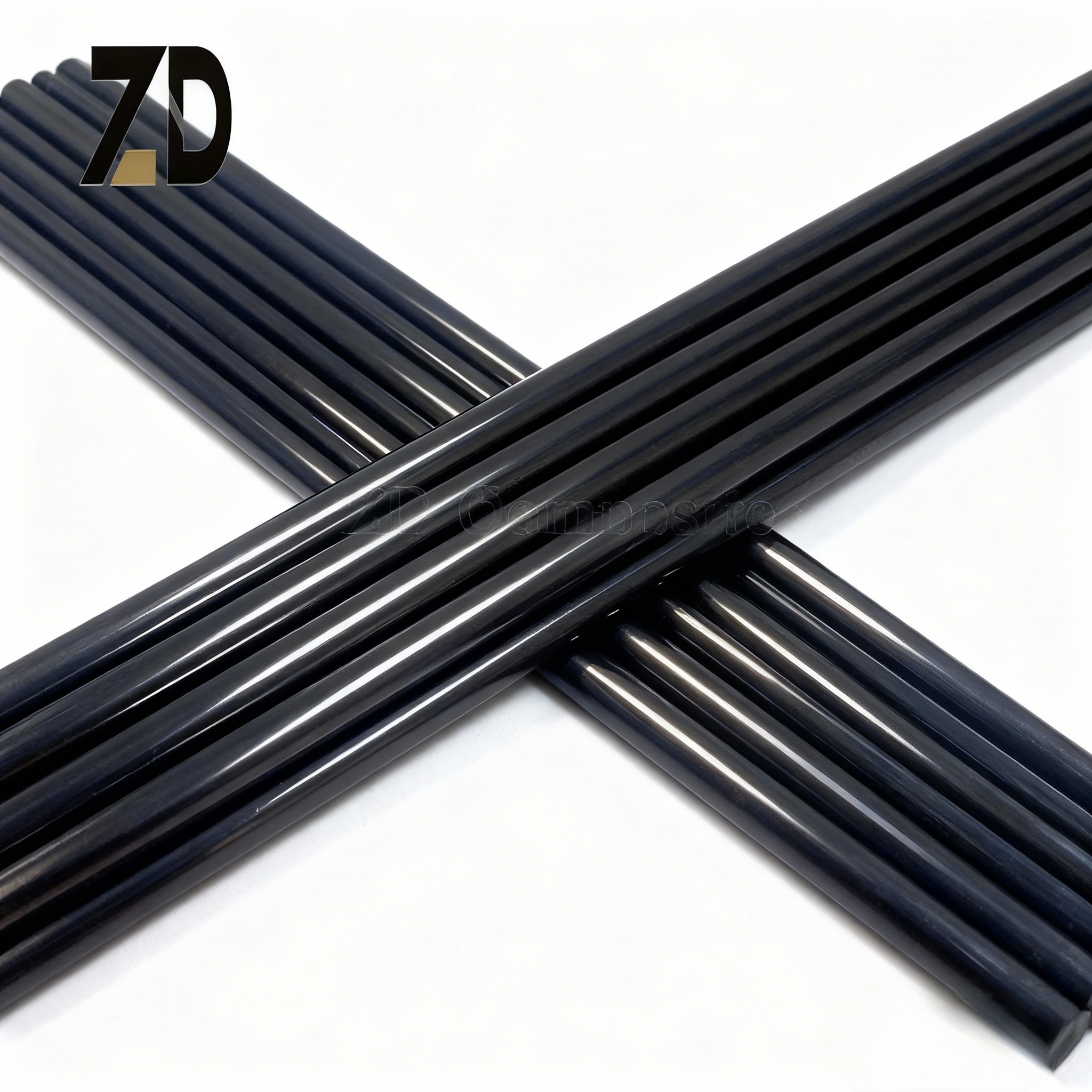
When designing high-performance drone frames, the choice between carbon fiber rods and aluminum rods fundamentally affects flight dynamics, payload capacity, and racing agility. Carbon fiber rods have revolutionized the drone industry by delivering exceptional stiffness-to-weight characteristics that aluminum simply cannot match. Understanding the weight-to-strength ratio between these two materials is critical for engineers and drone enthusiasts who demand maximum performance. The structural properties of carbon fiber rods directly influence acceleration, deceleration, and directional control during aggressive FPV maneuvers.
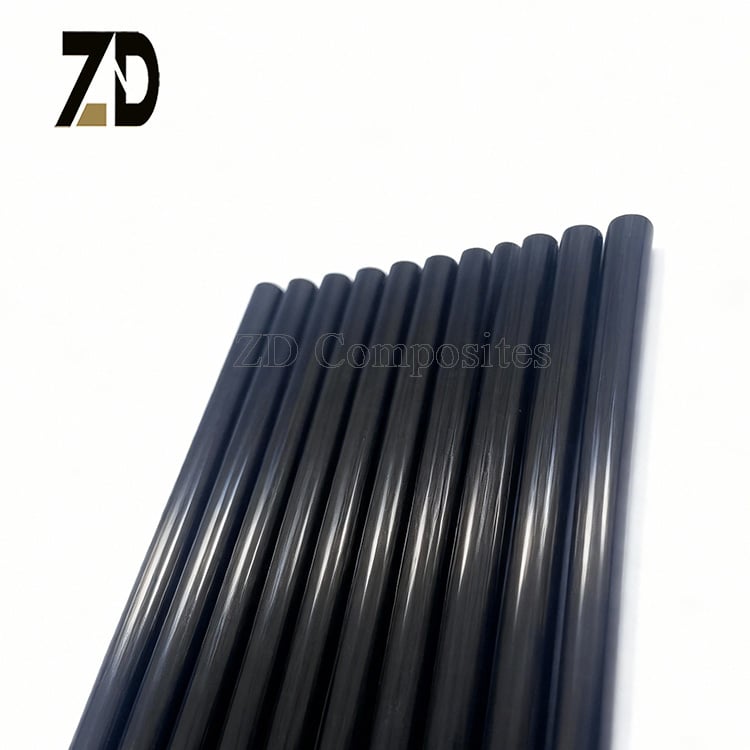
The material selection process requires quantitative analysis of mechanical properties, cost implications, and application-specific demands. Carbon fiber rods offer a weight advantage that directly translates to faster response times and reduced motor strain, while aluminum rods remain cost-effective for recreational builds. This guide explores the technical distinctions, performance outcomes, and decision criteria that professional drone builders use when choosing between these competing materials for frame construction and arm assemblies.
Understanding Material Composition and Properties
Structural Characteristics of Carbon Fiber Rods
Carbon fiber rods are engineered composites consisting of carbon fibers embedded in a resin matrix, typically epoxy. This layered construction allows carbon fiber rods to achieve tensile strength exceeding 600 megapascals while maintaining a density of only 1.6 grams per cubic centimeter. The directional fiber alignment in carbon fiber rods concentrates strength precisely along the longitudinal axis, which is ideal for drone arms that experience primarily tension and bending loads. Carbon fiber rods resist fatigue failure more effectively than aluminum because the material dissipates energy through matrix microcracking rather than permanent deformation.
Aluminum Rod Material Profile
Aluminum rods, typically 6061-T6 alloy in drone applications, deliver tensile strength around 310 megapascals with a density of 2.7 grams per cubic centimeter. While aluminum rods offer predictable mechanical behavior and superior machinability for custom modifications, their weight penalty becomes significant in high-precision racing builds. Aluminum rods exhibit linear elastic behavior until sudden fracture, providing less warning of imminent failure compared to carbon fiber rods' gradual degradation. The corrosion resistance of aluminum rods requires protective coatings or anodizing to maintain structural integrity in outdoor environments.
Weight-to-Strength Ratio Analysis for Drone Applications
Calculating Performance Metrics
The weight-to-strength ratio represents tensile strength divided by material density, establishing the metric for comparing carbon fiber rods against aluminum alternatives. Carbon fiber rods achieve approximately 375 specific strength units compared to aluminum's 115 specific strength units, creating a performance advantage of 3.3 times. For a typical 250-millimeter racing drone frame, substituting aluminum rods with carbon fiber rods reduces frame mass by 40 to 50 percent while maintaining equivalent stiffness. This dramatic weight reduction directly decreases the thrust-to-weight ratio requirement, allowing smaller, more efficient motors to achieve identical acceleration performance.
Flight Performance Implications
Drones built with carbon fiber rods demonstrate measurably faster response times during aggressive yaw movements because less rotational inertia resists direction changes. The reduced frame mass allows racing pilots to execute tighter turns and quicker altitude transitions without exceeding motor torque limits. Carbon fiber rods also enable carrying heavier camera payloads without compromising flight characteristics, expanding the drone's functional versatility. Additionally, carbon fiber rods distribute impact energy more effectively during crashes, often surviving collisions that would bend aluminum rods permanently.
Cost-Benefit Analysis and Material Selection Criteria
Economic Considerations
Carbon fiber rods typically cost two to three times more per unit than equivalent aluminum rods, representing a significant capital investment for custom frame builds. The price differential widens further when accounting for specialized manufacturing equipment required to cut and finish carbon fiber rods precisely without delamination or splintering. Aluminum rods remain accessible for budget-conscious builders and experimentation phases where design modifications occur frequently. However, the superior durability and crash-resistance of carbon fiber rods reduce long-term replacement costs, particularly in competitive racing environments where frequent frame failures occur with aluminum alternatives.
Application-Specific Decision Framework
Professional FPV racing pilots consistently choose carbon fiber rods because competitive margins depend on millisecond-level advantages that weight reduction provides. Recreational drone operators and educational applications frequently select aluminum rods due to cost-effectiveness and easier repair procedures. Commercial drone platforms prioritize carbon fiber rods for extended flight duration and maximum payload capacity requirements. Photography drones benefit substantially from carbon fiber rods because frame weight reduction directly increases flight time and stability at slower speeds. The decision ultimately depends on performance requirements, budget constraints, and intended operational environment.
Installation, Durability, and Maintenance Considerations
Handling and Assembly Requirements
Carbon fiber rods require specialized cutting techniques using diamond-tipped saws or laser equipment to prevent fiber splintering and matrix cracking. Improper handling of carbon fiber rods introduces stress concentrations that compromise structural integrity long-term, particularly at connection points and mounting tabs. Aluminum rods accommodate standard drill bits, end mills, and tapping tools without specialized equipment, simplifying field repairs. Carbon fiber rods transmit electrical conductivity throughout the frame structure, necessitating careful insulation to prevent short-circuits with electronic components. Aluminum rods, while requiring anodizing or protective coatings, tolerate minor surface damage without catastrophic structural failure.
Long-Term Performance and Environmental Factors
Carbon fiber rods demonstrate excellent UV resistance compared to epoxy resins exposed to direct sunlight, maintaining mechanical properties across seasons. Moisture absorption in carbon fiber rods remains minimal, preventing the swelling and corrosion that degrades aluminum rods in humid conditions. Thermal cycling affects both materials, though carbon fiber rods exhibit lower coefficients of thermal expansion, reducing dimensional changes. Impact damage assessment proves more challenging with carbon fiber rods because internal delamination may not produce visible external indicators. Aluminum rods simplify damage evaluation through visible bending or permanent deformation, providing clearer maintenance signals.
FAQ
How much weight difference exists between carbon fiber rods and aluminum rods in typical drone frames?
A complete 250-millimeter quadcopter frame built from carbon fiber rods weighs approximately 85 to 105 grams, while an equivalent aluminum frame weighs 140 to 180 grams. This 40 to 50 percent weight reduction translates directly to decreased power consumption and extended flight duration. The specific weight savings depend on rod diameter, wall thickness, and frame geometry, but carbon fiber rods consistently outperform aluminum in this metric. For racing applications where every gram impacts acceleration, this weight advantage proves decisive during competitive events.
Can carbon fiber rods withstand crash impacts better than aluminum rods?
Carbon fiber rods generally survive high-velocity crashes more effectively than aluminum rods because the composite structure absorbs impact energy through fiber-matrix separation rather than permanent plastic deformation. Aluminum rods often bend permanently upon impact, requiring replacement or heat treatment to restore properties. Carbon fiber rods may sustain internal cracks or delamination that reduce stiffness incrementally without immediate failure. However, the repair process for carbon fiber rods proves more expensive and technically demanding than straightening aluminum rods. Professional racing pilots typically replace carbon fiber rods after major crashes to ensure optimal performance consistency.
Which material offers better value for recreational drone builders on a budget?
Aluminum rods provide superior value for recreational builders and educational projects because initial material costs remain significantly lower while maintaining adequate structural performance. Aluminum's ease of modification using standard workshop tools accommodates experimental designs and frequent configuration changes. Carbon fiber rods require specialized equipment for customization, limiting budget builders' flexibility. As drone builder experience increases and performance requirements become competitive, the investment in carbon fiber rods becomes justified through measurable performance gains. Many builders transition to carbon fiber rods after establishing proficiency with aluminum-based frames.