
 EN


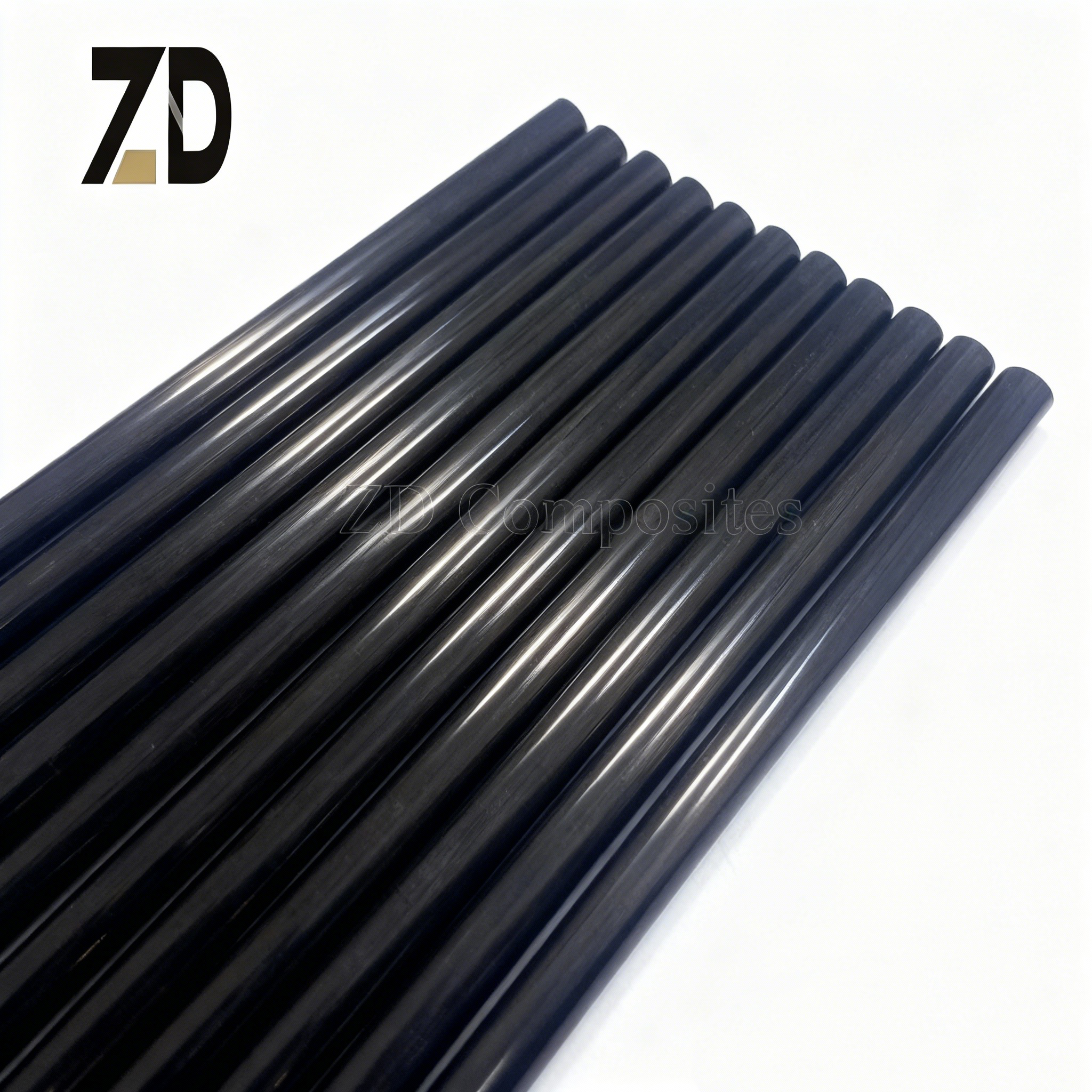
Carbon fiber rods have emerged as a transformative material in medical device manufacturing, offering exceptional performance characteristics that traditional materials struggle to match. The use of carbon fiber rods in surgical instruments and medical applications represents a significant advancement in precision engineering, enabling manufacturers to create devices that are simultaneously stronger, lighter, and more responsive to clinical demands. As healthcare providers increasingly demand instruments that improve surgical outcomes while reducing operator fatigue, carbon fiber rods have become an essential component in modern medical device design and development strategies.
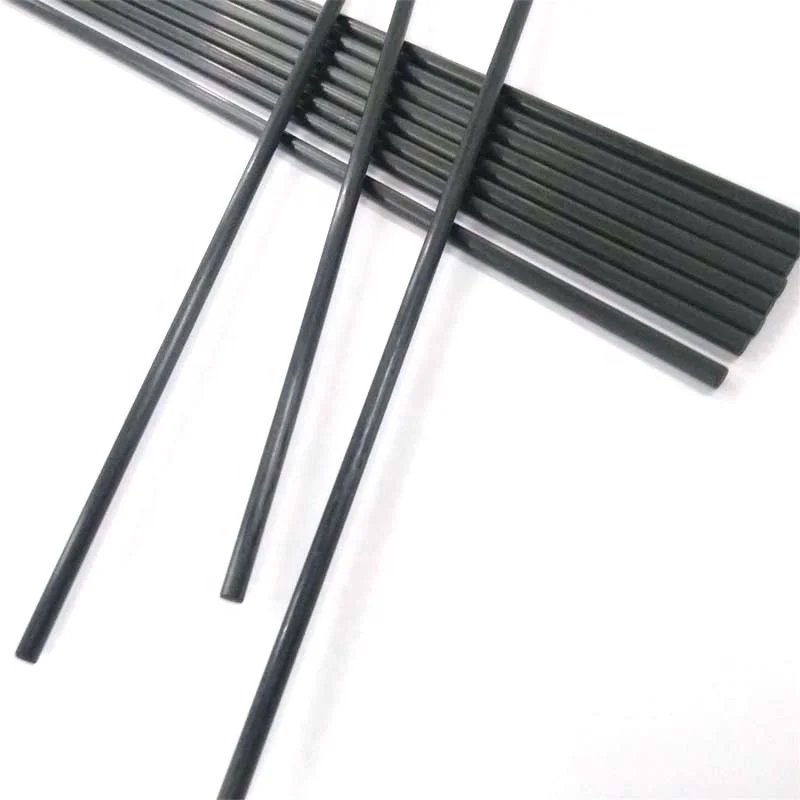
The integration of carbon fiber rods into medical device manufacturing addresses critical performance gaps that healthcare facilities face when using conventional materials. Surgical instrument shafts made from carbon fiber rods deliver the rigidity and precision required for delicate procedures while eliminating the weight penalties associated with steel or titanium alternatives. This fundamental shift in material science has opened new possibilities for ergonomic design, improved control during complex surgical procedures, and enhanced durability across thousands of sterilization cycles.
Material Properties and Clinical Advantages
Superior Strength-to-Weight Ratio
Carbon fiber rods deliver an unparalleled strength-to-weight ratio that fundamentally changes how surgeons interact with instruments during procedures. The material properties of carbon fiber rods allow manufacturers to create surgical instrument shafts that weigh significantly less than steel equivalents while maintaining or exceeding tensile strength specifications. For surgeons performing extended procedures, the reduced weight of instruments made from carbon fiber rods directly translates to decreased hand fatigue, improved precision, and enhanced control during critical surgical moments. This advantage becomes particularly pronounced in orthopedic surgery, neurosurgery, and endoscopic procedures where instrument manipulation precision is paramount to patient outcomes.
Biocompatibility and Chemical Resistance
Medical applications demand materials that withstand repeated sterilization processes without degradation or compromised performance characteristics. Carbon fiber rods exhibit exceptional resistance to standard sterilization methods including autoclave treatment, ethylene oxide exposure, and chemical disinfection protocols essential in healthcare environments. The biocompatibility profile of carbon fiber rods has been extensively validated through regulatory pathways including FDA clearance and ISO standards specific to medical device materials. When properly manufactured and finished, carbon fiber rods maintain surface integrity and mechanical properties through hundreds of sterilization cycles, ensuring consistent performance throughout the instrument's operational lifespan in surgical settings.
Engineering Applications in Surgical Instruments
Precision Shaft Design for Complex Procedures
Surgical instrument shafts fabricated from carbon fiber rods enable manufacturers to achieve dimensional tolerances and straightness specifications that exceed industry standards for medical devices. The consistent fiber orientation and resin matrix of carbon fiber rods allow engineers to customize stiffness characteristics along the shaft length, accommodating specific procedural requirements without compromising overall instrument performance. For minimally invasive procedures where instruments pass through narrow cannulas and endoscopic channels, carbon fiber rods provide the necessary rigidity to transmit precise control inputs while remaining flexible enough to navigate anatomical pathways safely. This engineering flexibility has enabled the development of next-generation laparoscopic instruments, arthroscopic tools, and endoscopic devices that deliver superior handling characteristics compared to traditional material constructions.
Handle Integration and Ergonomic Design
The versatility of carbon fiber rods extends beyond shaft construction into handle integration strategies that enhance overall instrument usability in surgical environments. Medical device manufacturers leverage the thermal and electrical properties of carbon fiber rods to design handles that remain comfortable during extended procedures while providing surgeons with tactile feedback essential for delicate manipulations. The damping characteristics of carbon fiber rods reduce vibration transmission to the surgeon's hand, minimizing fatigue-related errors during procedures requiring sustained concentration and fine motor control. Advanced instrument designs now incorporate carbon fiber rods as primary structural components, allowing for balanced weight distribution and improved ergonomics that directly enhance surgical performance metrics and operator satisfaction.
Manufacturing Specifications and Regulatory Compliance
Quality Standards and Medical Device Requirements
Manufacturing carbon fiber rods for medical applications requires adherence to stringent quality standards and regulatory frameworks that govern all medical device components. Carbon fiber rods used in surgical instrument shafts must meet ISO 13356 specifications for nuclear-grade materials and ISO 5832-1 standards for implantable device components, depending on the specific application context. Healthcare facilities and surgical instrument manufacturers require documented traceability for all carbon fiber rods integrated into device designs, with complete batch testing records and performance certifications. The manufacturing process for medical-grade carbon fiber rods includes advanced quality control protocols such as dimensional verification, fiber orientation analysis, and mechanical property validation to ensure every component meets predefined specifications before integration into surgical instruments.
Customization and Application-Specific Solutions
Modern medical device manufacturing increasingly demands customization capabilities that carbon fiber rods provide through tailored engineering solutions. Manufacturers can specify exact fiber content, resin systems, and dimensional profiles for carbon fiber rods that match the unique requirements of specialized surgical instruments used across different medical specialties. Customization extends to surface treatments, finish specifications, and integration features that facilitate seamless assembly into complete instrument systems. The ability to rapidly prototype and manufacture custom carbon fiber rods accelerates the development timeline for innovative surgical instruments, enabling healthcare organizations to bring specialized devices to market faster than traditional material alternatives permit.
FAQ
Are carbon fiber rods suitable for all surgical instrument applications?
Carbon fiber rods work exceptionally well in most surgical applications requiring precision and lightweight performance, but specific applications must be evaluated individually based on electrical conductivity requirements, imaging compatibility, and sterilization method compatibility. Instruments used in magnetic resonance imaging environments or those requiring conductive properties for electrosurgical applications may require alternative materials or specialized carbon fiber rod formulations designed for these specific demands. The non-conductive nature of standard carbon fiber rods makes them ideal for many surgical procedures but necessitates careful consideration during instrument design phases to ensure regulatory compliance and clinical safety standards are met.
How do carbon fiber rods maintain performance through multiple sterilization cycles?
Carbon fiber rods maintain their mechanical properties through multiple sterilization cycles due to their thermosetting resin matrix and the inherent stability of carbon fibers at standard sterilization temperatures. Proper manufacturing of carbon fiber rods includes careful selection of resin systems that resist thermal degradation, chemical attack, and moisture absorption that could compromise material properties over the instrument's operational lifespan. Healthcare facilities using instruments with carbon fiber rods should follow manufacturer-recommended sterilization protocols and storage conditions to ensure consistent performance and extend overall device longevity in clinical environments.
What cost advantages do carbon fiber rods offer compared to traditional materials?
While initial material costs for carbon fiber rods may exceed those of conventional materials like stainless steel, the total cost of ownership for surgical instruments incorporating carbon fiber rods often proves more economical through reduced weight decreasing operator fatigue, improved durability reducing replacement frequency, and enhanced performance enabling more efficient surgical procedures. Instrument manufacturers leveraging carbon fiber rods can optimize designs to eliminate excess material while maintaining required specifications, potentially reducing overall manufacturing costs and improving instrument functionality simultaneously. The extended lifespan of carbon fiber rods through superior resistance to corrosion and sterilization damage contributes substantially to long-term economic benefits for healthcare facilities investing in these advanced instruments.