
 EN
EN


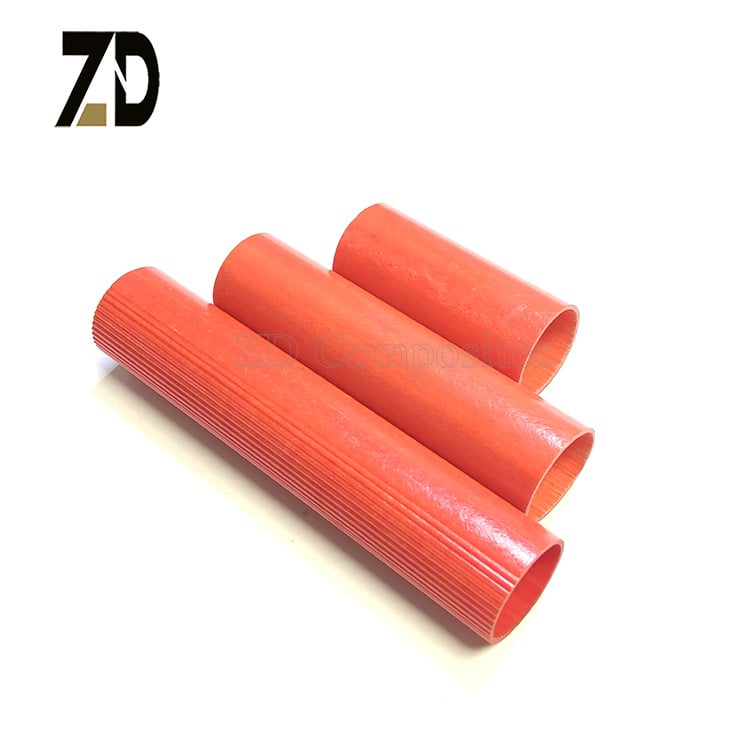
When industrial applications require materials that operate reliably in harsh outdoor conditions, the performance characteristics of the chosen material become paramount. A fiberglass tube deployed in direct sunlight faces unique challenges that can compromise structural integrity if the material lacks proper stabilization. Understanding how a fiberglass tube maintains dimensional stability under ultraviolet exposure is essential for engineers, procurement professionals, and facility managers who specify materials for long-term outdoor service. This article explores the science behind fiberglass tube durability, the factors that influence stability, and practical strategies for ensuring reliable performance in UV-exposed environments.
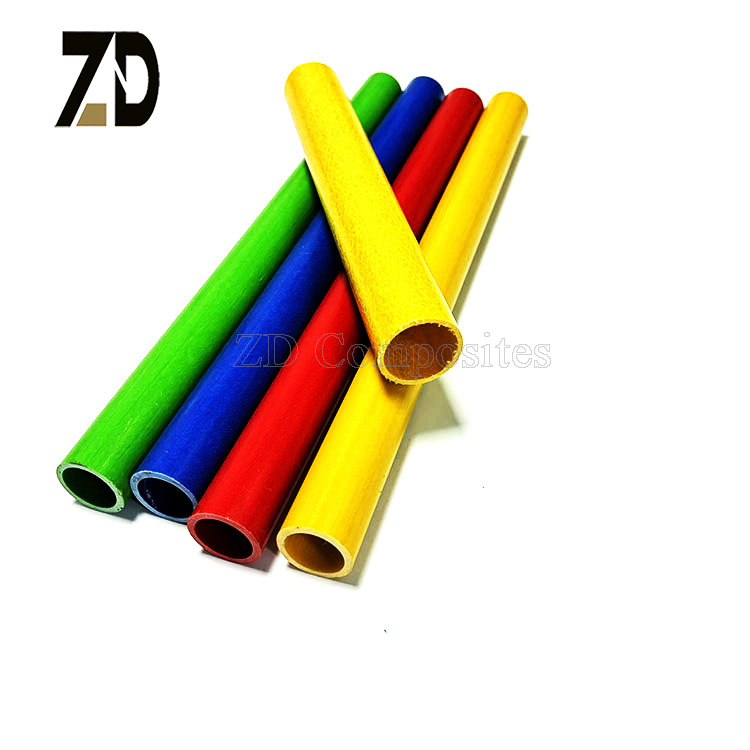
The question of whether a fiberglass tube can maintain dimensional stability outdoors is not simply answered yes or no. Rather, the answer depends on resin chemistry, UV protection measures, manufacturing methods, and environmental conditions. Modern fiberglass tube products engineered with UV-resistant resins and protective additives demonstrate exceptional dimensional stability across decades of outdoor service. However, conventional fiberglass tubes without such protective measures may experience dimensional changes, surface degradation, and strength loss within months of UV exposure. Selecting the correct fiberglass tube formulation for outdoor applications directly impacts project lifecycle costs, safety, and operational reliability.
Understanding Fiberglass Tube Composition and UV Vulnerability
Core Material Structure and Resin Chemistry
A fiberglass tube consists of glass fiber reinforcement embedded in a resin matrix, typically polyester, vinyl ester, or epoxy. The resin component is the primary target of ultraviolet radiation. Standard polyester resins absorb UV energy, which breaks chemical bonds within the polymer matrix. This degradation process, called photodegradation, causes the fiberglass tube to become brittle, discolored, and prone to microcracking. When a fiberglass tube experiences photodegradation, the resin loses elasticity, adhesion between fibers and matrix weakens, and the tube's structural properties deteriorate. Vinyl ester resins offer improved UV resistance compared to polyester, while epoxy-based fiberglass tube formulations provide even superior durability in direct sunlight. Understanding the fiberglass tube resin type is the first step in evaluating outdoor suitability.
UV Exposure Mechanisms and Environmental Factors
A fiberglass tube exposed to outdoor UV radiation experiences three primary degradation pathways. Direct ultraviolet radiation penetrates the outer surface layers of the fiberglass tube resin, generating free radicals that weaken polymer chains. Heat, which often accompanies intense solar exposure, accelerates chemical reactions within the fiberglass tube matrix. Additionally, moisture absorption by the fiberglass tube during humid conditions promotes hydrolysis, a chemical process where water molecules break resin bonds. The combination of UV, heat, and moisture creates a synergistic effect that accelerates fiberglass tube deterioration. Geographic location, seasonal intensity, humidity levels, and surface orientation all influence the severity of UV stress on a fiberglass tube. A fiberglass tube installed in equatorial regions experiences stronger, more direct UV radiation than the same tube in temperate zones.
UV Stabilization Technologies and Dimensional Stability
Advanced Resin Formulations for Outdoor Service
Modern fiberglass tube manufacturers employ several stabilization techniques to preserve dimensional stability in UV-exposed conditions. Hindered amine light stabilizers (HALS) are additives blended into the fiberglass tube resin that absorb UV energy and dissipate it as harmless heat, preventing photodegradation. UV absorbers, such as benzotriazoles, are compounds that intercept ultraviolet photons before they reach the polymer matrix within a fiberglass tube. When a fiberglass tube includes both HALS and UV absorbers, the combination provides comprehensive protection across the ultraviolet spectrum. Additionally, advanced fiberglass tube formulations incorporate antioxidants that prevent oxidation reactions triggered by UV-induced free radicals. A properly stabilized fiberglass tube will maintain color, strength, and dimensional accuracy for 15 to 30 years in typical outdoor environments. The choice of resin type—whether the fiberglass tube uses polyester, vinyl ester, or epoxy—fundamentally affects how long these protective additives remain effective.
Protective Coatings and Gelcoat Barriers
The outer surface layer of a fiberglass tube is particularly vulnerable to UV attack because it receives the first, most intense radiation exposure. Many manufacturers apply UV-resistant gelcoat or topcoat layers to protect the underlying fiberglass tube structure. A fiberglass tube with a premium topcoat creates a barrier that shields the resin matrix from direct UV contact, significantly extending the tube's outdoor lifespan. Gelcoat additives in a fiberglass tube outer layer may include UV-absorbing pigments, such as titanium dioxide or carbon black, which reflect or absorb incoming radiation. A fiberglass tube finished with a properly formulated protective coating maintains dimensional stability by preventing the resin matrix from absorbing destructive UV energy. Regular inspection and maintenance of this protective layer ensures a fiberglass tube continues to perform reliably over decades.
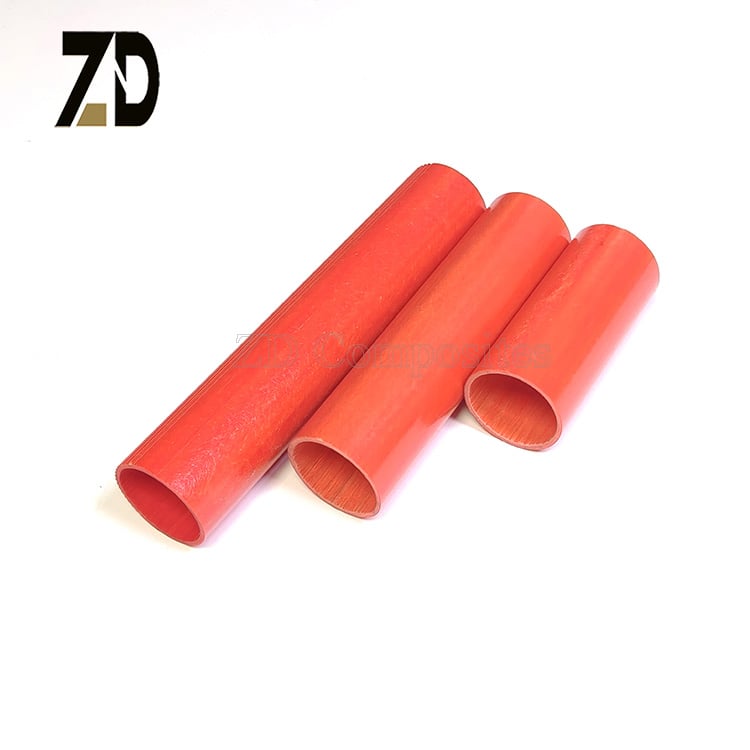
Measuring and Ensuring Long-Term Dimensional Stability
Testing Standards and Performance Validation
Engineers evaluating whether a fiberglass tube will maintain dimensional stability in outdoor environments should review testing data according to recognized standards. ASTM G154 and ASTM G155 establish accelerated UV weathering protocols that simulate years of outdoor exposure in a laboratory setting. A fiberglass tube tested under these standards undergoes controlled UV radiation, elevated temperatures, and humidity cycling to measure changes in dimensional properties, tensile strength, and visual appearance. ISO 11341 provides similar standardized weathering procedures that help certify a fiberglass tube's outdoor durability. Manufacturers of high-performance fiberglass tube products typically provide third-party test reports demonstrating compliance with these standards. When selecting a fiberglass tube for outdoor applications, requesting accelerated weathering test results provides objective evidence of dimensional stability. A fiberglass tube that maintains 90 percent or more of its initial properties after 2000 hours of accelerated UV exposure is considered suitable for long-term outdoor deployment.
Real-World Performance Monitoring and Field Data
Laboratory testing provides reliable initial validation, but long-term field monitoring of installed fiberglass tube systems offers the most convincing evidence of dimensional stability. Industrial applications including utility poles, cable conduits, telecommunications supports, and corrosion-resistant equipment rely on fiberglass tube materials that have demonstrated decades of outdoor service life. Companies that track dimensional changes, material degradation, and structural performance of deployed fiberglass tube systems can provide case studies showing actual dimensional stability across varying climates. A fiberglass tube installed in coastal environments, where salt spray and UV exposure combine to stress materials, provides a rigorous real-world test. When a fiberglass tube maintains tight tolerances and structural integrity in such harsh conditions, it demonstrates exceptional dimensional stability. Procurement specialists should inquire about field history and long-term performance data when evaluating a fiberglass tube product for critical outdoor applications.
Best Practices for Outdoor Fiberglass Tube Installation
Material Selection and Specification Guidelines
Choosing the correct fiberglass tube grade is the foundation for achieving lasting dimensional stability outdoors. Specify a fiberglass tube formulated with UV-resistant resin chemistry, stabilizer additives, and protective topcoatings designed for outdoor service. Verify that the fiberglass tube supplier provides material certifications, accelerated weathering test data, and documentation of resin formulation. A fiberglass tube selected for outdoor applications should carry explicit UV-resistance claims supported by test reports, not general industrial-grade specifications. Consider the specific environmental stressors relevant to your installation location—if corrosive chemical exposure accompanies UV stress, select a fiberglass tube with vinyl ester or epoxy resin rather than polyester. A fiberglass tube specified correctly at the procurement stage prevents costly field failures and ensures dimensional accuracy throughout the product lifecycle.
Installation, Maintenance, and Longevity
Proper installation practices preserve the dimensional stability of a fiberglass tube throughout its outdoor service life. Avoid exposing a fiberglass tube to unnecessary mechanical stress during handling and assembly, as pre-existing damage can accelerate UV degradation pathways. When installing a fiberglass tube, ensure it receives adequate support to minimize stress concentrations, which increase vulnerability to UV-induced cracking. Periodic inspection of an installed fiberglass tube helps detect surface degradation or color changes that indicate protective coating failure, allowing preventive maintenance before structural compromise occurs. Cleaning a fiberglass tube with mild detergent and water removes contaminants that can interact with UV radiation and accelerate degradation. In high-UV environments, applying maintenance coatings to a fiberglass tube every 5 to 10 years refreshes surface protection and extends dimensional stability. These practices work synergistically to ensure a fiberglass tube maintains performance specifications for 20 to 30 years or longer in outdoor environments.
FAQ
How long does a fiberglass tube typically maintain dimensional stability outdoors?
A properly formulated fiberglass tube with UV-resistant resin and protective coatings typically maintains dimensional stability and structural properties for 15 to 30 years in typical outdoor conditions. The exact timeframe depends on the specific UV exposure level, geographic latitude, humidity, surface orientation, and the quality of the resin formulation. A fiberglass tube in equatorial regions may experience faster degradation than one installed in temperate zones. Field data from installed fiberglass tube systems shows that premium formulations often exceed 30 years of reliable performance when properly maintained.
Can standard polyester fiberglass tubes withstand outdoor UV exposure?
Standard polyester fiberglass tubes without UV stabilizers typically degrade noticeably within 6 to 12 months of direct outdoor UV exposure. However, a fiberglass tube manufactured from UV-stabilized polyester resin with protective additives and topcoatings can perform reliably for 10 to 15 years. For applications requiring longer service life, vinyl ester or epoxy-based fiberglass tube formulations offer superior UV resistance, often extending outdoor dimensional stability to 20 to 30 years. When evaluating a fiberglass tube, confirming the stabilization package and resin type is essential for predicting outdoor performance.
What changes should I monitor in an installed fiberglass tube exposed to UV?
Regular inspection of an installed fiberglass tube should include visual assessment for color fading, surface chalking, microcracking, or loss of gloss, all indicators that the protective outer layer is degrading. Measure the fiberglass tube periodically using precision instruments to detect dimensional drift, which may indicate internal resin matrix changes. If a fiberglass tube shows signs of accelerated degradation, investigate whether protective coating maintenance is needed or if a more UV-resistant formulation should be specified for future replacements. Early detection of degradation signals in a fiberglass tube allows proactive maintenance before structural performance is compromised.