
 EN
EN


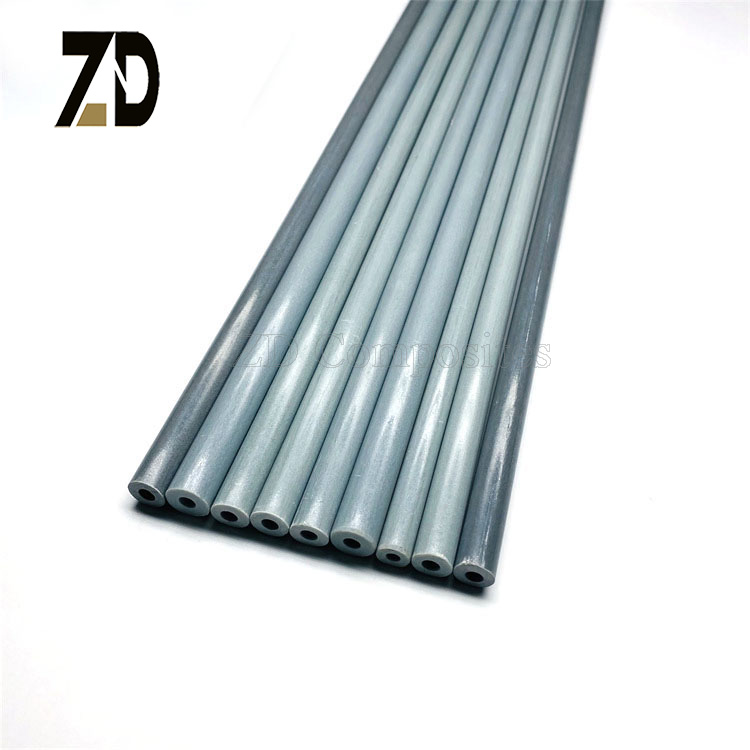
Chemical corrosion poses one of the most persistent challenges in industrial applications, where materials must withstand exposure to aggressive substances without deteriorating. A fiberglass tube has emerged as a leading solution for industries requiring superior corrosion resistance combined with structural integrity. Unlike traditional metal piping systems that corrode when exposed to sulfuric acid, saltwater, and other harsh chemicals, a fiberglass tube maintains its physical properties and operational reliability even in the most demanding chemical environments. This fundamental advantage has made the fiberglass tube an essential choice for chemical processing plants, marine infrastructure, wastewater treatment facilities, and numerous other sectors where chemical resistance directly impacts equipment longevity and operational safety.
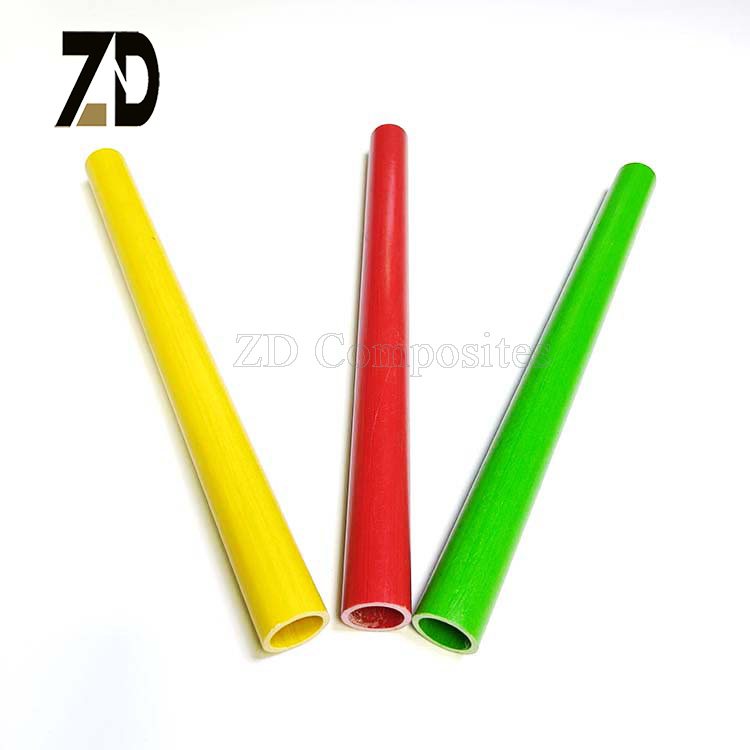
The inherent composition of a fiberglass tube provides exceptional protection against corrosive attack. Composed of glass fibers embedded within a resin matrix, this composite material creates a non-metallic structure that lacks the electron exchange processes that trigger corrosion in steel, aluminum, and other metals. When a fiberglass tube encounters sulfuric acid, saltwater solutions, chlorine compounds, or other aggressive chemicals, the material remains chemically inert, preventing the degradation patterns commonly seen in conventional piping systems. This chemical inertness translates directly into extended service life, reduced maintenance costs, and enhanced system reliability across multiple industrial sectors.
Chemical Resistance Properties of Fiberglass Tubes
Resistance to Strong Acids and Oxidizing Agents
A fiberglass tube demonstrates remarkable stability when exposed to strong mineral acids, including sulfuric acid across a broad concentration range. The glass fiber-resin composite structure does not undergo the oxidative attack that corrodes metal pipes, allowing a fiberglass tube to handle concentrated sulfuric acid solutions without surface degradation, pitting, or structural weakening. Similarly, when a fiberglass tube is subjected to hydrochloric acid, nitric acid, and other highly corrosive liquids, the material maintains its dimensional stability and mechanical strength. The resin matrix in a fiberglass tube acts as a protective barrier, preventing chemical penetration into the fiber structure while the glass fibers themselves remain chemically stable across virtually all pH ranges.
Saltwater and Marine Environment Performance
Saltwater represents one of the most aggressive corrosive environments, yet a fiberglass tube excels in marine and coastal applications where metal equipment fails rapidly. The chloride ions in saltwater trigger galvanic corrosion and pitting in steel and aluminum systems, but a fiberglass tube remains unaffected by these electrochemical processes. When deployed in offshore platforms, desalination plants, cooling water systems, and marine pumping stations, a fiberglass tube maintains structural integrity and flow performance year after year without rust formation, scale buildup, or corrosion-induced failures. This superior performance in saltwater environments directly reduces replacement frequency, emergency repairs, and operational downtime.
Industrial Applications and Reliability Impact
Chemical Processing and Handling Systems
Chemical manufacturing facilities depend on piping systems that can safely convey sulfuric acid, alkaline solutions, solvents, and hazardous waste streams without degradation. A fiberglass tube meets these demands by providing consistent corrosion resistance across diverse chemical exposures, enabling operators to run continuous processes without interruption. The fiberglass tube eliminates metal leaching concerns that plague stainless steel systems in certain acidic conditions, ensuring product purity and regulatory compliance. By choosing a fiberglass tube, chemical processors reduce catastrophic failure risk, minimize contamination incidents, and achieve longer maintenance intervals between inspections or replacements.
Water Treatment and Wastewater Infrastructure
Water treatment plants process highly contaminated influent containing dissolved salts, industrial effluent, and chemically aggressive compounds that corrode conventional pipes at accelerated rates. A fiberglass tube provides the durability needed for collection, treatment, and distribution stages where chemical exposure is continuous and severe. The fiberglass tube resists the combined attack of chlorine residuals, hydrogen sulfide, and organic acids commonly present in wastewater streams. This chemical resilience ensures consistent system performance, reduces emergency repairs, and extends equipment life to the practical design limit rather than ending prematurely due to corrosion failures.
Performance Advantages Over Traditional Materials
Comparison to Metal Pipe Systems
Metal piping systems, even when constructed from premium stainless steel grades, eventually succumb to chemical corrosion under specific exposure conditions. A fiberglass tube eliminates this vulnerability entirely, offering unlimited service life in chemically aggressive environments where metal systems measurable deterioration within months or years. The fiberglass tube does not require coatings, linings, or cathodic protection systems that metal pipes depend on to extend their usefulness. This material advantage means a fiberglass tube remains maintenance-free while metal alternatives demand continuous monitoring, coating reapplication, and eventual replacement due to inevitable corrosion penetration.
Cost-Benefit Analysis of Fiberglass Tube Systems
Although initial purchase price for a fiberglass tube may exceed certain metal alternatives, the total cost of ownership strongly favors the fiberglass tube solution. When accounting for reduced maintenance labor, eliminated corrosion-related shutdowns, extended replacement intervals, and absence of protective coating upkeep, a fiberglass tube delivers superior financial performance across decade-long operational periods. The fiberglass tube eliminates unplanned failures that disrupt production schedules, contaminate products, or create safety hazards. Industrial operators increasingly recognize that investing in a fiberglass tube system initially saves substantial capital and operational expense compared to metal systems requiring constant maintenance vigilance and periodic full replacement due to corrosive degradation.
FAQ
Can a fiberglass tube handle concentrated sulfuric acid indefinitely?
Yes, a fiberglass tube demonstrates exceptional resistance to concentrated sulfuric acid across extended service periods. The glass fiber-resin composite structure remains chemically stable, maintaining structural integrity and preventing the pitting and degradation common in metal pipes. However, specific resin formulations vary in their acid resistance thresholds, so selecting the appropriate fiberglass tube variant matched to your exact acid concentration and temperature conditions ensures optimal long-term performance.
What maintenance does a fiberglass tube require in saltwater environments?
A fiberglass tube requires minimal maintenance in saltwater applications because the material resists chloride-induced corrosion that degrades metal systems. Unlike steel pipes that demand regular inspection and coating renewal, a fiberglass tube only needs periodic visual inspection to confirm external integrity and routine flushing to maintain internal flow passages. The fiberglass tube eliminates rust formation, scale deposits, and electrochemical degradation, making it a low-maintenance solution for marine and coastal chemical handling infrastructure.
How does a fiberglass tube compare to plastic piping for chemical resistance?
While some thermoplastic pipes offer chemical resistance, a fiberglass tube provides superior strength, rigidity, and pressure-handling capability compared to flexible plastic alternatives. The fiberglass tube maintains dimensional stability under load and temperature variations that cause plastic pipes to deform or weaken. For demanding chemical processing applications requiring both exceptional corrosion resistance and structural integrity, a fiberglass tube outperforms plastic solutions, especially where internal pressure, vibration, or external support demands exceed plastic pipe specifications.