
 EN


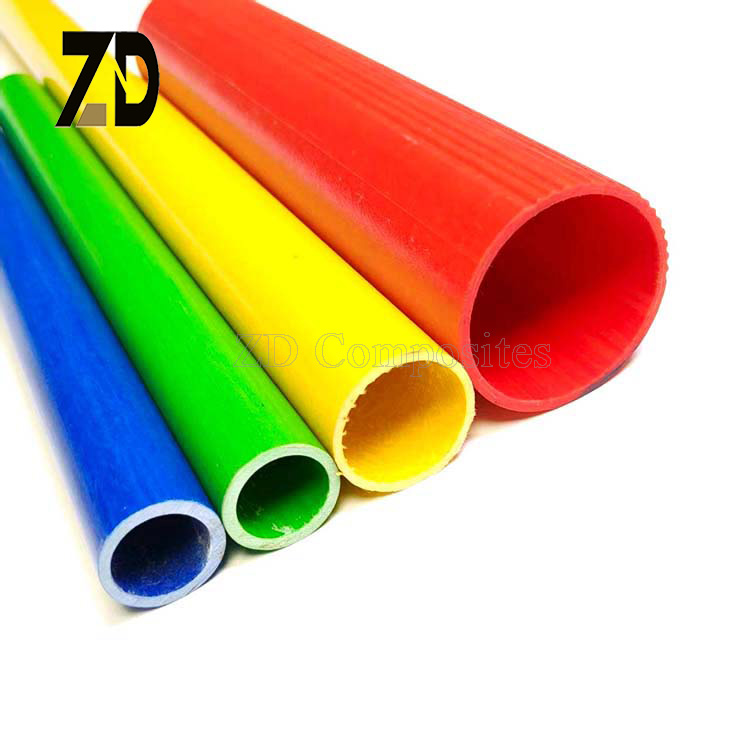
Agricultural irrigation systems demand reliable materials that withstand harsh environmental conditions, chemical exposure, and continuous water flow. A fiberglass tube represents a modern solution that addresses these challenges with proven durability and resistance to corrosion. Modern farming operations rely on efficient water distribution networks, and choosing the right piping material directly impacts system longevity, maintenance costs, and overall productivity. Understanding whether a fiberglass tube is suitable for your irrigation infrastructure requires examining its chemical resistance, structural properties, and long-term performance in agricultural environments.
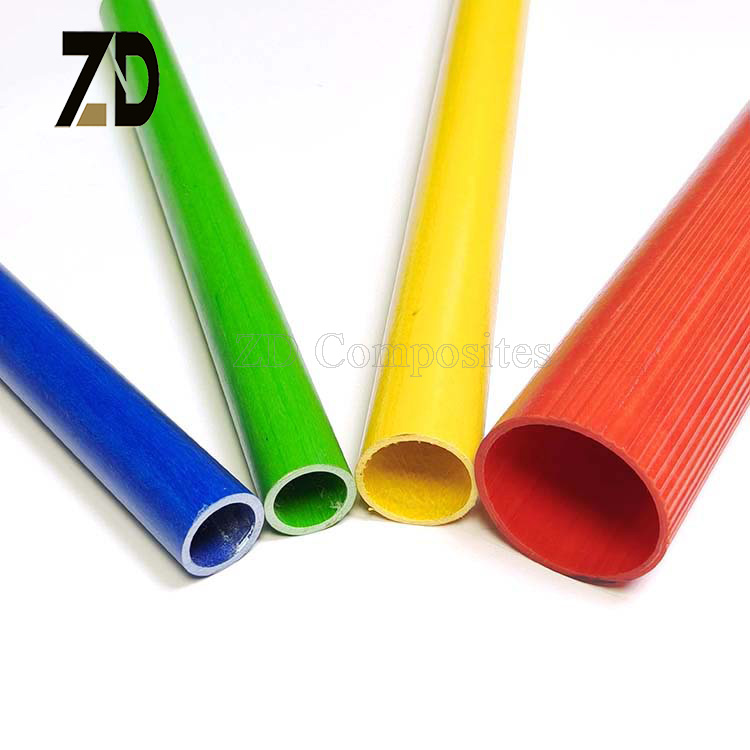
The agriculture industry increasingly adopts fiberglass tube technology because it eliminates many problems associated with traditional metal pipes and concrete conduits. A fiberglass tube resists rust, scale buildup, and degradation from fertilizers, pesticides, and mineral-rich water sources commonly found in farming operations. This article explores the suitability of fiberglass tube installations for agricultural irrigation, examining chemical resistance capabilities, installation considerations, cost-benefit analysis, and practical performance metrics that help farmers and agricultural engineers make informed decisions.
Chemical Resistance and Durability of Fiberglass Tubes in Agricultural Settings
Understanding Fiberglass Tube Composition and Its Protective Properties
A fiberglass tube consists of glass fibers embedded in a resin matrix, creating a composite material that naturally resists corrosion from water, soil chemicals, and agricultural additives. Unlike steel pipes that require protective coatings and regular maintenance to prevent rust, a fiberglass tube maintains structural integrity without degradation when exposed to fertilizers, herbicides, and fungicides commonly applied in modern farming. The resin system used in fiberglass tube construction provides an impermeable barrier that prevents chemical penetration, ensuring the pipe walls remain intact throughout decades of agricultural use.
Performance Against Common Agricultural Chemicals
Irrigation water in agricultural regions often contains dissolved minerals, nitrate compounds, and residual pesticide particles that would corrode conventional piping materials. A fiberglass tube exhibits exceptional chemical compatibility with these substances, maintaining its tensile strength and flow capacity without deterioration. Field studies demonstrate that a fiberglass tube performs reliably when transporting water treated with common agricultural chemicals, unlike metal alternatives that experience corrosion rates requiring replacement every 15 to 20 years. Farmers switching to fiberglass tube systems report extended service intervals and reduced replacement costs, with some installations remaining operational for 50 years or longer without significant degradation.
Installation, Maintenance, and Cost Considerations for Agricultural Irrigation
Ease of Installation and System Flexibility
A fiberglass tube offers installation advantages over traditional rigid piping systems because it combines strength with lightweight properties that reduce labor requirements and equipment needs. The material flexibility of a fiberglass tube allows technicians to route irrigation lines around existing obstacles, through terrain variations, and across fields without requiring excessive fittings or joints that create leak points. Agricultural installation crews report that a fiberglass tube reduces assembly time by 30 to 40 percent compared to metal pipe systems, lowering project costs and enabling faster system deployment during planting seasons when time is critical.
Long-Term Maintenance Requirements and Cost Savings
Traditional irrigation infrastructure demands regular maintenance, including internal cleaning to remove mineral deposits, external painting or coating reapplication, and corrosion monitoring. A fiberglass tube eliminates most maintenance tasks because the material resists scale accumulation and corrosion-related degradation, allowing farmers to allocate resources toward production rather than infrastructure upkeep. The initial investment in a fiberglass tube systems typically exceeds metal alternatives by 15 to 25 percent, but lifecycle cost analysis favors fiberglass tube when accounting for reduced maintenance labor, fewer replacement cycles, and elimination of downtime from pipe failures. Farms operating a fiberglass tube systems for 10 to 15 years consistently report total cost savings of 35 to 50 percent compared to conventional piping approaches.
Structural Performance and Environmental Suitability
Pressure Rating and Flow Capacity of Fiberglass Tubes
Agricultural irrigation systems operate at varying pressure levels depending on terrain elevation, sprinkler system requirements, and distribution distances. A fiberglass tube is engineered to handle pressure ratings from 50 to 150 PSI in standard configurations, accommodating most agricultural irrigation applications including center pivots, lateral line systems, and drip irrigation infrastructure. The smooth internal surface of a fiberglass tube maintains consistent flow rates without friction losses that occur in corroded metal pipes, ensuring uniform water distribution across growing areas. Engineers confirm that a fiberglass tube delivers flow efficiency improvements of 5 to 15 percent compared to aged metal piping, meaning farmers require less pumping energy to maintain identical system performance.
Environmental Resistance and UV Stability
Agricultural environments expose irrigation infrastructure to intense sunlight, temperature fluctuations, soil acids, and airborne chemicals that degrade conventional materials. A fiberglass tube formulated with UV-resistant resin maintains structural properties when exposed to direct sunlight for extended periods, preventing brittleness and surface cracking that compromise system integrity. The material stability of a fiberglass tube ensures consistent performance in desert climates, tropical regions, and temperate zones, making it suitable for diverse agricultural applications globally. Farmers in sunny climates who have installed above-ground segments of fiberglass tube systems report no performance degradation after 15 to 20 years of continuous outdoor exposure, validating the long-term environmental suitability of this material choice.
FAQ
Can a fiberglass tube handle the pressure requirements of modern center pivot irrigation systems?
Yes, a fiberglass tube is engineered to meet or exceed the pressure specifications of center pivot and lateral line irrigation systems. Standard agricultural-grade fiberglass tube configurations support 100 to 150 PSI operating pressures, accommodating the demands of high-pressure sprinkler applications. The lightweight properties of a fiberglass tube also reduce structural stress on support systems compared to metal alternatives, extending equipment life and improving overall system reliability in center pivot installations.
Does a fiberglass tube require special fittings or connectors for agricultural irrigation installations?
A fiberglass tube connects using standard irrigation fittings designed for composite piping, though specialized spigot or threaded adapters ensure watertight seals specific to fiberglass tube applications. Most agricultural contractors are familiar with fiberglass tube connection procedures, and compatible fittings are readily available through irrigation supply distributors. The connection compatibility of a fiberglass tube with existing farm infrastructure minimizes integration challenges and installation delays during system upgrades or expansions.
What is the expected lifespan of a fiberglass tube installation in agricultural environments?
A properly installed fiberglass tube system typically operates for 40 to 60 years in agricultural settings, significantly exceeding the 15 to 25 year lifespan of metal piping under comparable conditions. Environmental factors, water chemistry, and installation quality influence the actual service life of a fiberglass tube, but documented field performance demonstrates exceptional longevity without significant material degradation. Many fiberglass tube installations from the 1970s and 1980s continue operating at full capacity today, providing compelling evidence for long-term agricultural reliability and investment value.