
 EN


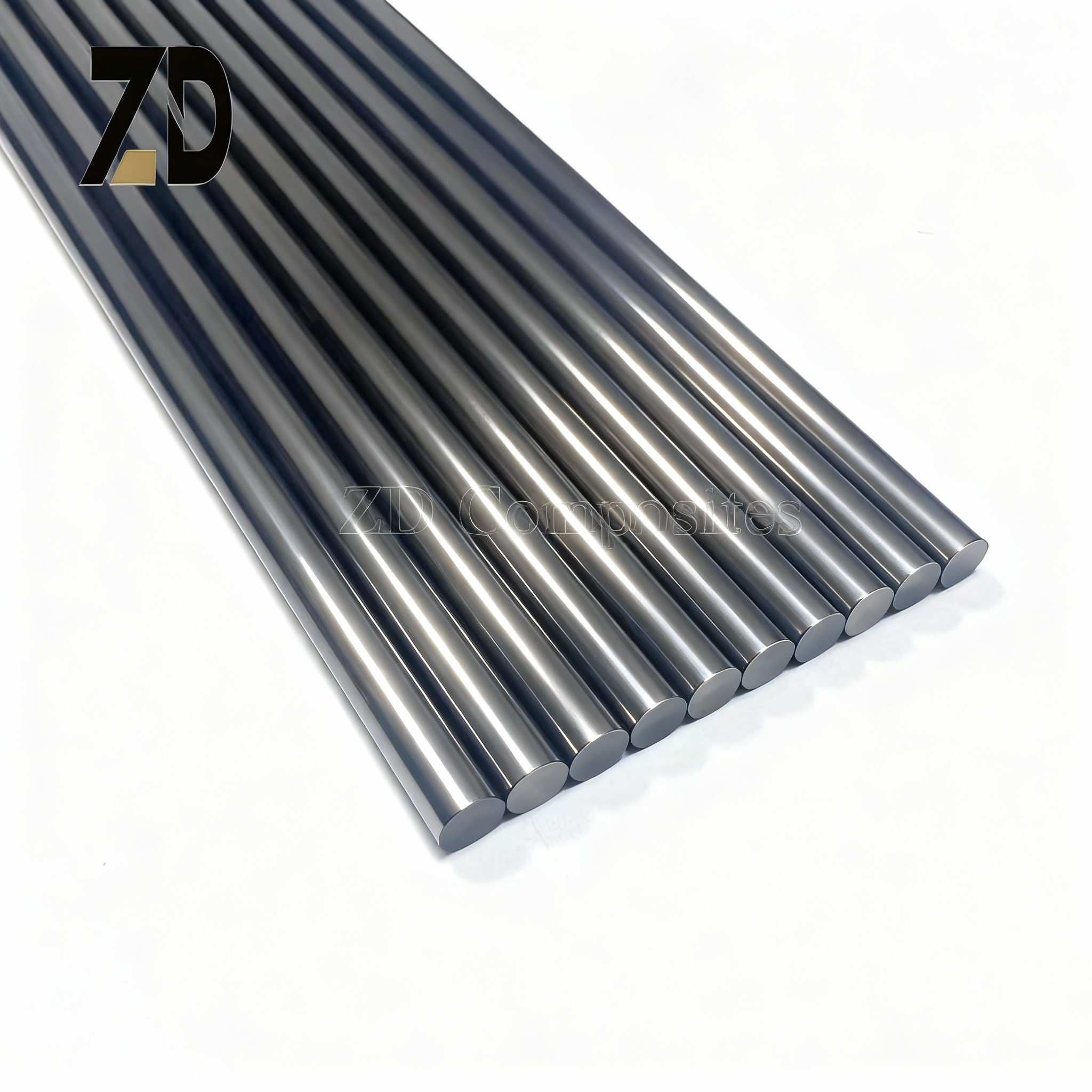
When engineers design components for aerospace or high-temperature industrial environments, material selection becomes critical to operational safety and longevity. The carbon fiber rod has emerged as a preferred choice in these demanding sectors because of its exceptional strength-to-weight ratio and thermal stability. Understanding exactly how heat-resistant a carbon fiber rod truly is requires examining its composition, matrix material, and real-world performance limits across various temperature scenarios.
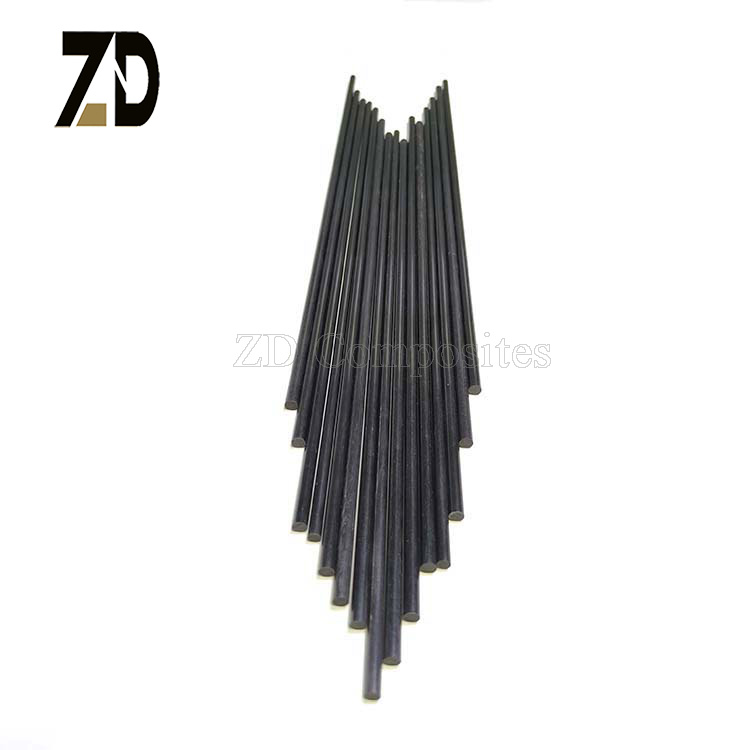
The heat resistance of a carbon fiber rod depends primarily on the resin matrix that binds the carbon fibers together, not the fibers themselves. Carbon fibers can withstand extreme temperatures exceeding 3,000 degrees Celsius, but the resin matrix determines the practical upper limit for most industrial applications. Different resin systems offer varying thermal capabilities, and selecting the right carbon fiber rod for your specific temperature environment is essential to maintaining structural integrity and performance over time.
Understanding Carbon Fiber Rod Temperature Ratings
Continuous Temperature Limits for Common Resin Systems
Standard epoxy-based carbon fiber rod components typically maintain their mechanical properties at continuous operating temperatures up to 130 degrees Celsius, with short-term exposure possible to around 150 degrees Celsius. For applications requiring greater thermal resilience, polyimide resin systems in a carbon fiber rod can sustain continuous temperatures between 200 and 260 degrees Celsius, making them suitable for aerospace engine compartments and industrial furnace applications. Bismaleimide (BMI) resin matrices offer intermediate thermal performance, allowing a carbon fiber rod to handle continuous temperatures around 180 to 210 degrees Celsius while maintaining excellent mechanical properties and processing ease.
Aerospace-Grade Carbon Fiber Rod Performance
Aerospace manufacturers rely on specialized carbon fiber rod formulations engineered to perform reliably at elevated altitudes where temperatures fluctuate dramatically. An aerospace-grade carbon fiber rod using advanced phenolic or polyimide matrices can withstand service temperatures from negative 60 degrees Celsius to positive 200 degrees Celsius repeatedly without degradation. The carbon fiber rod used in aerospace applications undergoes rigorous testing protocols including thermal cycling, sustained heat exposure, and mechanical testing at temperature extremes to verify performance and ensure safety certification compliance across the intended operational envelope.
Thermal Properties and Material Composition of Carbon Fiber Rod
Heat Resistance Mechanisms in Carbon Fiber Rod
The exceptional thermal stability of a carbon fiber rod originates from the carbon fiber's crystalline lattice structure, which exhibits minimal thermal expansion and maintains strength across wide temperature ranges. However, the carbon fiber rod's overall heat resistance is ultimately limited by the resin matrix's glass transition temperature, which represents the point where the polymer begins to soften and lose structural rigidity. A high-quality carbon fiber rod minimizes moisture absorption through specialized surface treatments and resin selection, as absorbed water can significantly reduce thermal performance and accelerate matrix degradation when exposed to elevated temperatures.
Comparing Resin Systems for Industrial Carbon Fiber Rod Applications
When selecting a carbon fiber rod for industrial high-temperature use, epoxy matrices serve well for standard industrial equipment and components where temperatures remain below 130 degrees Celsius. Polyimide resin in a carbon fiber rod provides superior thermal performance and dimensional stability at higher temperatures, though processing complexity and cost increase accordingly. Cyanate ester resins offer a balanced approach in a carbon fiber rod, combining good thermal properties to 200 degrees Celsius with better processability than polyimide, making this choice increasingly popular for aerospace structures and high-performance industrial components requiring sustained thermal exposure.
Practical Applications and Performance Considerations for Carbon Fiber Rod
Aerospace Applications Leveraging Carbon Fiber Rod Heat Resistance
Commercial and military aircraft extensively use carbon fiber rod components in secondary structures, control surfaces, and thermal management systems where weight reduction and heat tolerance work together. Aircraft engine nacelles and heat shields incorporate specialized carbon fiber rod designs that dissipate thermal energy while maintaining structural loads during flight at altitude where external temperatures can reach negative 50 degrees Celsius while internal components experience significant heating. The carbon fiber rod's low thermal conductivity actually provides insulating benefits in certain aerospace designs, reducing heat transfer to sensitive adjacent components and improving overall system efficiency.
Industrial High-Temperature Carbon Fiber Rod Implementations
Industrial furnaces, kilns, and high-temperature processing equipment employ specialized carbon fiber rod components for heating elements, support structures, and thermal probes where conventional metals would corrode or degrade. Chemical processing facilities use carbon fiber rod in reaction vessel supports, catalyst holders, and temperature sensors because the material resists corrosion from aggressive chemicals while maintaining strength at operating temperatures between 150 and 200 degrees Celsius. Manufacturing plants that produce carbon products, electronics, or specialized materials benefit from carbon fiber rod's thermal stability in equipment fixtures and automated handling systems where precise dimensional control under thermal stress is critical to product quality and equipment longevity.
FAQ
What is the maximum temperature a standard carbon fiber rod can withstand continuously?
Standard epoxy-based carbon fiber rod components can handle continuous operating temperatures up to approximately 130 degrees Celsius. For short-term exposure to elevated temperatures, some epoxy formulations tolerate 150 degrees Celsius briefly. If your application requires sustained exposure above 130 degrees Celsius, upgrading to polyimide or advanced resin systems in a carbon fiber rod is necessary to ensure long-term structural integrity and performance reliability.
Does a carbon fiber rod lose strength when heated?
A carbon fiber rod maintains its strength exceptionally well within its rated temperature range because carbon fibers themselves are thermally stable. However, the resin matrix that binds the fibers can soften and lose structural properties when heated beyond its glass transition temperature. High-quality aerospace-grade carbon fiber rod formulations are specifically engineered to minimize matrix degradation and maintain mechanical properties across the full operational temperature spectrum for which the material is rated.
Can carbon fiber rod be used in aerospace applications exposed to extreme temperatures?
Yes, aerospace-grade carbon fiber rod is extensively used in aircraft and spacecraft where temperature extremes occur regularly. These specialized formulations using polyimide or advanced resin systems allow a carbon fiber rod to perform reliably from negative 60 degrees Celsius to positive 200 degrees Celsius across multiple thermal cycles. Rigorous aerospace testing and certification processes ensure that carbon fiber rod components meet stringent safety and performance standards before entering service in critical flight applications.