
 EN


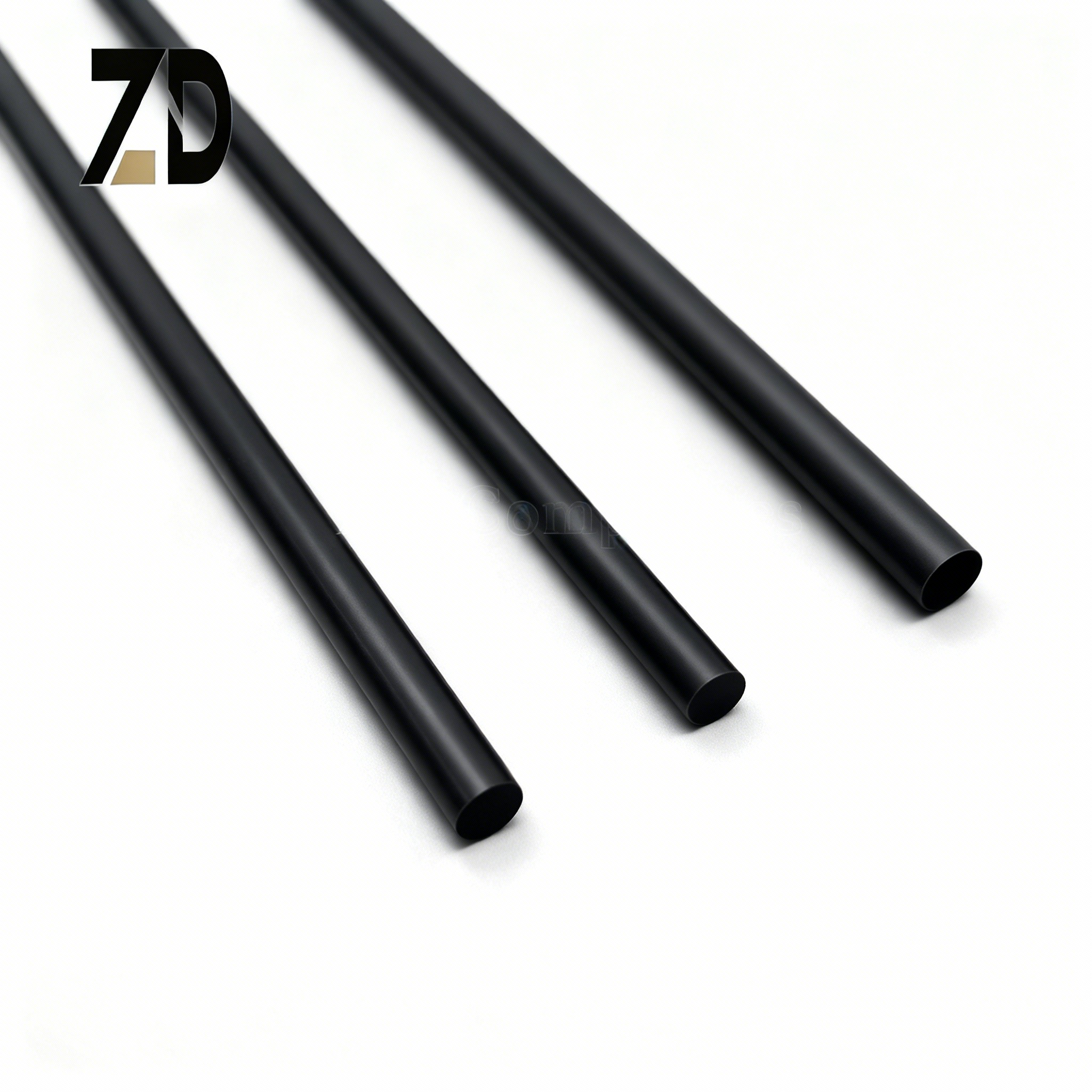
Carbon fiber has become a go-to material for industries requiring lightweight, high-strength components. However, when applications involve harsh environments like saltwater or aggressive chemical exposure, engineers must carefully evaluate whether a carbon fiber rod truly offers the corrosion resistance needed for long-term durability. The short answer is yes—carbon fiber rods demonstrate exceptional resistance to saltwater and most chemical exposures—but the reality is more nuanced and depends on several critical factors that directly affect performance and lifespan in marine and industrial settings.
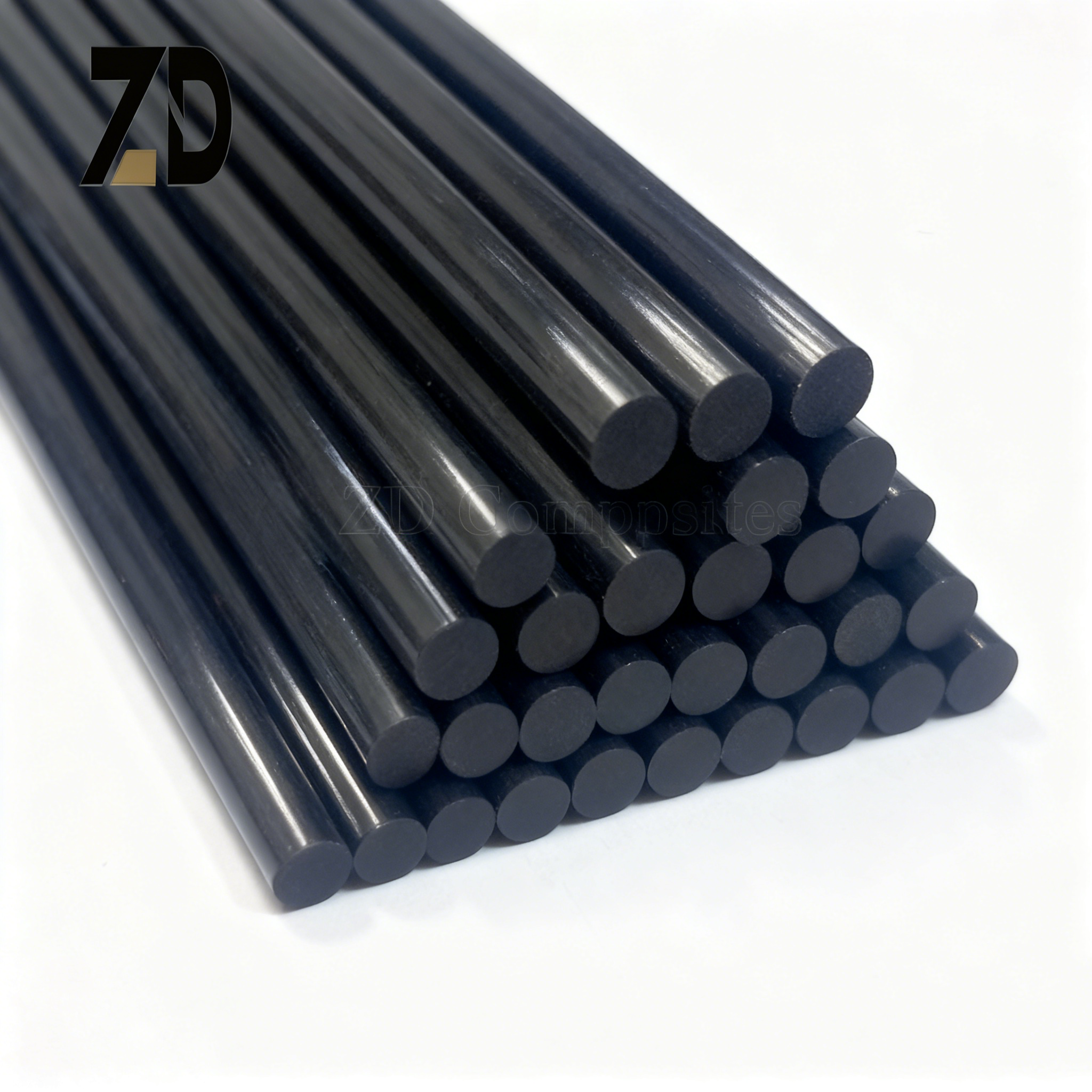
Understanding the corrosion resistance of a carbon fiber rod requires recognizing that the material itself—carbon fiber—is inherently stable and does not oxidize or degrade when exposed to saltwater or most chemicals. This natural stability makes carbon fiber rods ideal for marine applications where steel, aluminum, and other traditional metals would quickly corrode. Yet the complete picture extends beyond fiber alone to encompass the resin matrix, surface treatments, and construction methods that protect and define a carbon fiber rod's performance boundaries in demanding environments.
Saltwater Resistance and Marine Applications
How Carbon Fiber Rods Perform in Saltwater
The carbon fiber rod material itself is essentially immune to saltwater corrosion because carbon fiber does not undergo electrochemical reactions with salt or seawater. Unlike steel rods that form rust or aluminum rods that develop white oxidation, a carbon fiber rod maintains its structural integrity even when submerged or regularly exposed to salt spray. This inherent resistance has made carbon fiber rods the material of choice for offshore equipment, marine structures, fishing rods, and coastal infrastructure where traditional metals fail rapidly.
However, the resin matrix surrounding carbon fiber strands plays a critical role in the overall corrosion resistance of a carbon fiber rod. The epoxy or polyester resin used to bind the fibers can absorb moisture over extended periods, potentially weakening the interface between the fiber and resin. High-quality marine-grade epoxy resins are specifically formulated to minimize water absorption and maintain structural properties even after prolonged saltwater exposure. A properly manufactured carbon fiber rod using advanced resins will resist saltwater indefinitely, while lower-grade carbon fiber rods may experience resin degradation after years of continuous marine service.
Marine Application Scenarios for Carbon Fiber Rods
Industries increasingly deploy carbon fiber rods in demanding marine environments where traditional materials simply cannot compete. Offshore drilling platforms use carbon fiber rods in sensor housings and structural components. Desalination plants rely on carbon fiber rods for pump components and filtration systems exposed to highly saline conditions. Coastal wind turbines incorporate carbon fiber rods in blade reinforcement and nacelle structures. Commercial fishing vessels use carbon fiber rods for rigging, booms, and equipment supports. Each application validates the exceptional saltwater resistance that a carbon fiber rod provides, extending equipment lifespan and reducing maintenance costs in corrosive marine conditions.
Chemical Resistance and Industrial Environments
Compatibility with Aggressive Chemicals
A carbon fiber rod exhibits remarkable stability when exposed to most industrial chemicals, including acids, bases, solvents, and hydrocarbons. The carbon structure resists attack from hydrochloric acid, sulfuric acid, caustic sodium hydroxide, and petroleum products that would corrode or degrade metals and many polymers. This chemical resistance stems from the fundamental inertness of carbon fiber itself, making a carbon fiber rod suitable for chemical processing equipment, laboratory apparatus, and industrial piping applications where corrosion resistance is mission-critical.
The resin matrix again becomes the limiting factor in extreme chemical scenarios. While the carbon fiber rod fibers themselves remain unaffected, specialized resins must be selected based on the specific chemicals present. Epoxy resins perform excellently against most industrial chemicals but may soften when exposed to certain strong solvents or organic compounds over extended periods. Polyester and vinyl ester resins offer different chemical compatibility profiles. Engineers must match the resin type of a carbon fiber rod to the actual chemical environment, ensuring the complete assembly—fiber plus resin—maintains full performance specifications throughout the application's service life.
Chemical Exposure Scenarios and Industry Applications
Manufacturing sectors increasingly specify carbon fiber rods for components requiring chemical resistance. Pharmaceutical production lines use carbon fiber rods in equipment exposed to aggressive cleaning agents and sterilization chemicals. Water treatment facilities deploy carbon fiber rods in filtration systems and chemical injection lines. Petrochemical plants incorporate carbon fiber rods in corrosion-resistant structural elements and instrumentation supports. Food processing operations benefit from carbon fiber rods that resist acidic environments and cleaning compounds without degrading. These diverse applications demonstrate that a carbon fiber rod reliably performs under chemical exposure conditions that would rapidly compromise traditional materials, reducing replacement cycles and improving operational reliability across industrial sectors.
Durability Factors and Long-Term Performance
Surface Treatments and Protective Coatings
The longevity of a carbon fiber rod in harsh environments depends significantly on surface treatments and protective coatings applied during manufacturing. Gel coats protect the resin surface layer from UV radiation and moisture penetration, extending the service life of a carbon fiber rod in outdoor marine settings. Some manufacturers apply additional epoxy or polyurethane topcoats that enhance chemical barrier properties and reduce water absorption rates. Carbon fiber rods designed for extreme environments often feature specialized surface treatments that add minimal weight while dramatically improving long-term durability in saltwater and corrosive chemical exposures.
Proper maintenance practices also significantly affect how long a carbon fiber rod resists corrosion and chemical damage. Regular freshwater rinsing removes salt residue and prevents salt crystallization on surfaces. Periodic inspections identify any resin surface cracks or damage that could allow moisture ingress. Protective storage away from direct UV exposure preserves the structural properties of a carbon fiber rod over decades. These straightforward maintenance protocols maximize the already exceptional corrosion resistance that a carbon fiber rod offers, making these materials an excellent long-term investment for demanding applications.
Comparing Lifespan Against Traditional Materials
The corrosion resistance advantage of a carbon fiber rod becomes starkly apparent when comparing service lifespans to traditional alternatives. Steel rods in marine saltwater environments typically last 3–5 years before corrosion compromises structural integrity. Aluminum rods corrode more slowly but still fail within 10–15 years in consistent saltwater exposure. A properly specified carbon fiber rod can serve reliably for 30+ years in identical marine conditions, with some installations exceeding 50 years with minimal degradation. In chemical processing applications, the lifespan advantage is equally dramatic, as carbon fiber rod materials maintain their mechanical properties while metals corrode, pit, or fail structurally. This extended service life directly translates to lower total cost of ownership, reduced operational disruptions, and improved system reliability across industries where saltwater and chemical resistance are essential performance requirements.
FAQ
Will a carbon fiber rod rust or corrode in saltwater?
No, carbon fiber rods will not rust because the material lacks iron and undergoes no electrochemical oxidation. The carbon fiber itself remains completely stable in saltwater indefinitely. However, the resin matrix can absorb moisture over extended periods if not properly formulated and protected. High-quality marine-grade carbon fiber rods with advanced epoxy resins and protective gel coats resist saltwater corrosion effectively for decades without visible degradation or performance loss.
Can carbon fiber rods withstand exposure to strong acids or alkalis?
Yes, carbon fiber rods are highly resistant to strong acids and alkaline solutions because the carbon fiber structure itself does not react chemically with these substances. The resin matrix is the limiting factor—standard epoxy resins resist most industrial acids and bases well, but extreme conditions or prolonged exposure may require specialty resin formulations. Consulting with manufacturers about the specific chemicals in your application ensures you select a carbon fiber rod with appropriate resin chemistry for optimal performance.
How long does a carbon fiber rod last in marine environments compared to steel?
Carbon fiber rods typically outlast steel rods by a factor of 5–10 in marine saltwater conditions. Steel rods corrode significantly within 3–5 years, while properly manufactured carbon fiber rods remain serviceable for 30+ years with minimal maintenance. This dramatic lifespan difference makes carbon fiber rods a superior choice for offshore equipment, coastal structures, and permanent marine installations where long-term corrosion resistance directly impacts operational costs and safety.