
 EN


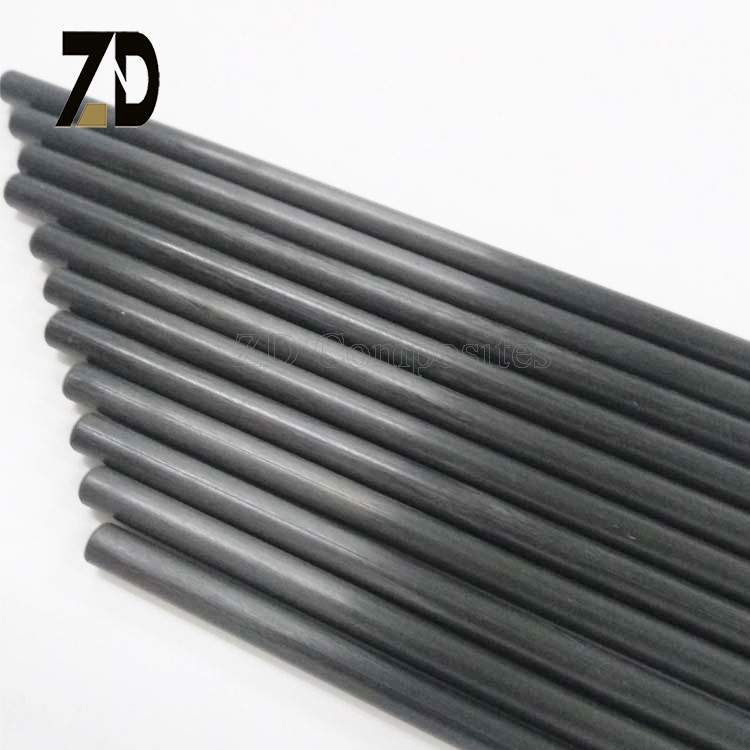
Drone design demands materials that balance strength with minimal weight, and carbon fiber rods have become the industry standard for frame construction. Modern aerial platforms require structural components that can withstand impacts, vibrations, and dynamic flight stress while keeping overall mass as low as possible. A carbon fiber rod delivers exceptional performance in both dimensions, making it the preferred choice for engineers and enthusiasts building competitive and recreational drones.
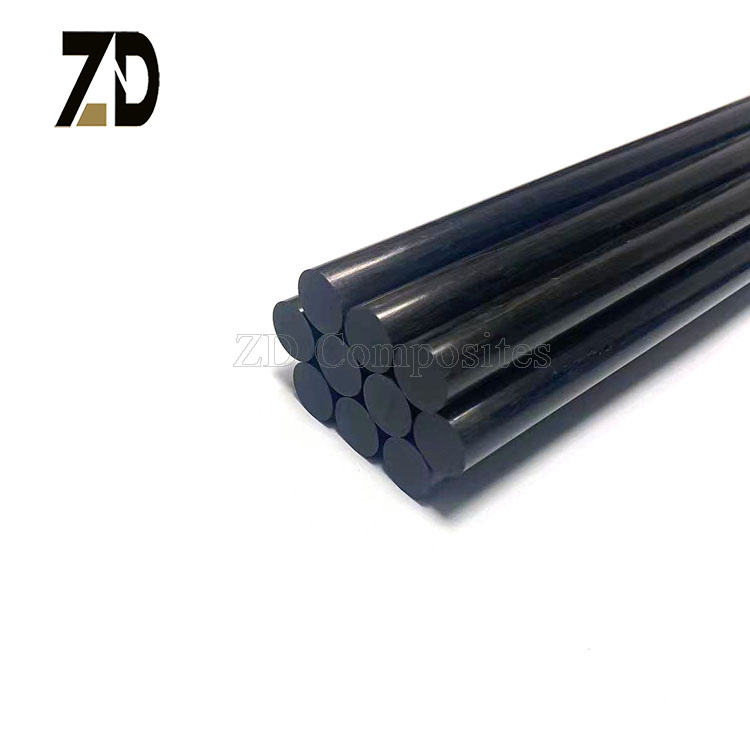
The superiority of a carbon fiber rod lies in its material composition and manufacturing precision. When properly engineered, a carbon fiber rod combines high tensile strength with low density, creating frame members that resist bending and twisting without adding significant mass to your drone platform. This performance advantage translates directly into improved flight dynamics, longer flight times, and enhanced maneuverability in competitive applications.
Material Properties and Structural Advantages
Strength-to-Weight Ratio Excellence
The fundamental reason engineers specify a carbon fiber rod for drone construction centers on its exceptional strength-to-weight ratio. Carbon fiber composite materials achieve tensile strength comparable to steel while weighing only a fraction as much. A carbon fiber rod used in frame arms can carry loads that aluminum requires with 50 percent additional mass, directly improving your drone's power efficiency and flight performance metrics.
When you reduce structural mass through a carbon fiber rod, the flight controller compensates by requiring less thrust to achieve identical acceleration and maneuverability. This efficiency gain extends battery life, reduces motor wear, and improves responsiveness during high-speed racing or precision aerial work. The compounding benefits of selecting a carbon fiber rod over aluminum or composite alternatives make the material investment worthwhile for serious applications.
Vibration Damping and Flight Stability
A carbon fiber rod naturally absorbs vibrations generated by rotating propellers and motor systems better than isotropic materials like aluminum. This vibration damping characteristic improves camera stability, reduces jello effect in video footage, and decreases stress on electronic components like flight controllers and cameras. The enhanced damping properties of a carbon fiber rod create a more stable platform for sensor integration and video transmission equipment.
Flight stability improvements from vibration dampening directly impact competitive performance in racing scenarios and precision aerial tasks. Operators report smoother control response and reduced jitter when flying drones constructed with premium-grade carbon fiber rod components, particularly when combined with properly tuned PID parameters and balanced propeller selection.
Selecting the Right Carbon Fiber Rod for Your Application
Diameter, Wall Thickness, and Load Requirements
Choosing an appropriate carbon fiber rod requires matching tube diameter and wall thickness to your specific frame design and payload expectations. Racing drones typically use carbon fiber rod diameters between 8mm and 16mm, with wall thicknesses of 1.5mm to 3mm depending on the structural role and anticipated impact forces. A carbon fiber rod selected for main frame arms needs different specifications than a rod used for internal bracing or landing gear components.
Heavy-lift or surveillance drones carrying substantial camera payloads require thicker-walled carbon fiber rod variants with enhanced buckling resistance and stiffness. Conversely, ultra-lightweight racing platforms benefit from smaller-diameter, thinner-walled carbon fiber rod options that reduce mass without sacrificing the necessary rigidity for control stability. Calculating expected bending moments and shear forces during worst-case flight conditions ensures your carbon fiber rod selection provides adequate safety margins.
Grade and Weave Pattern Considerations
Carbon fiber rod products vary significantly in fiber grade, resin system, and weave orientation, affecting both performance and cost. A premium-grade carbon fiber rod using high-modulus fibers delivers superior stiffness and impact resistance compared to standard-grade alternatives, though at increased expense. The weave pattern, whether 3K twill, plain weave, or unidirectional fiber orientation, influences how a carbon fiber rod responds to different stress directions and impacts.
For drone frame construction, a carbon fiber rod with balanced weave orientation provides multi-directional strength suitable for handling both torsional and bending loads. Specialized applications might benefit from unidirectional carbon fiber rod layups optimized for specific stress paths, requiring engineering analysis to justify the added complexity and cost in your particular drone design.
Integration and Installation Best Practices
Joining Methods and Connection Points
Properly connecting carbon fiber rod sections determines overall frame integrity and reliability. Mechanical fastening through threaded inserts works well for modular designs, while adhesive bonding creates stronger joint lines when structural permanence is acceptable. A carbon fiber rod joined with epoxy adhesive requires careful surface preparation and controlled cure conditions to achieve maximum strength, whereas fastener-based connections offer field repairability when damage occurs.
Hybrid joining approaches combining adhesive and mechanical fastening provide redundancy and confidence for high-performance racing applications. The junction between your carbon fiber rod segments and connecting plates demands attention to load distribution to prevent stress concentration and premature failure. Fillets, reinforcement plates, and gradual transition geometries help a carbon fiber rod carry loads smoothly through connection zones.
Maintenance and Damage Assessment
A carbon fiber rod can suffer invisible internal damage from impacts that don't produce obvious surface cracks, requiring regular inspection protocols. Visual examination catches surface delamination and fiber breakage, while flex testing and tap-testing reveal internal damage within a carbon fiber rod that might compromise load-bearing capability. Establish replacement schedules based on flight hours and impact severity rather than calendar time to maintain safety margins.
Minor surface damage to your carbon fiber rod may not require immediate replacement if structural integrity remains intact, but impact sites warrant thorough assessment before returning the drone to service. Environmental exposure, particularly moisture absorption in certain resin systems, can gradually degrade a carbon fiber rod's properties over seasons of outdoor operation. Storage in dry conditions and regular inspection routines extend usable life and prevent field failures.
Performance Applications and Industry Context
Racing Drone Frame Requirements
FPV racing drones demand carbon fiber rod specifications optimized for rapid acceleration, aggressive maneuvering, and crash resilience. These platforms require stiffer frame geometry achieved through carbon fiber rod components selected for minimal deflection under extreme rotational forces. Competitive racing drones often employ proprietary frame designs using specialized carbon fiber rod profiles engineered through wind tunnel testing and flight data analysis.
The carbon fiber rod frame construction in racing applications must balance toughness with responsiveness, accommodating repeated impacts while maintaining precise control characteristics. Thinner walls reduce mass for speed advantage, while reinforced sections around motor mounts and landing gear absorb crash energy effectively. Your racing success depends partially on frame material selection, making premium-grade carbon fiber rod investment competitive necessity.
Commercial and Industrial Drone Operations
Professional survey, inspection, and delivery drones rely on carbon fiber rod frames to carry heavy camera payloads and sensor arrays over extended flight times. These platforms require structural reliability and predictable weight characteristics enabling accurate flight planning and payload calculations. A carbon fiber rod selected for commercial drone construction emphasizes consistency and certification compliance over raw performance metrics.
Industrial operators prioritize durability and maintenance efficiency when specifying carbon fiber rod components, accepting slightly heavier constructions in exchange for proven reliability and extended service intervals. Weather resistance, UV stability, and consistent performance across temperature ranges become critical selection factors for commercial drone platforms operating in demanding environments. The carbon fiber rod material choice significantly impacts operational cost per flight hour through maintenance reduction and reliability improvements.
FAQ
What makes a carbon fiber rod superior to aluminum for drone frames?
A carbon fiber rod provides superior strength-to-weight ratio compared to aluminum, meaning your frame can be simultaneously lighter and stronger. Carbon fiber rods also offer better vibration damping, improving camera stability and electronic component lifespan. The enhanced performance justifies the higher material cost for racing drones and professional commercial platforms where efficiency gains translate to competitive advantage or operational cost reduction.
How do I determine the correct diameter and wall thickness for my carbon fiber rod?
Calculate expected bending moments and shear forces on each frame member based on your drone's weight, motor thrust, and payload. Use finite element analysis or engineering tables to identify minimum carbon fiber rod dimensions required for your design. Consider your tolerance for frame flex and vibration, as stiffer specifications generally require larger-diameter or thicker-walled rods but improve control precision and reduce jello effect.
Can a damaged carbon fiber rod be repaired or must it be replaced?
Minor surface damage and small cracks in a carbon fiber rod can sometimes be repaired using epoxy injection and reinforcement wrapping, but internal delamination or significant breakage typically requires full component replacement. The repair must restore structural properties adequately for safe operation, which often costs more than replacement. Most operators replace damaged carbon fiber rod sections rather than attempting field repairs, particularly on race or commercial platforms where performance consistency is critical.