Premium Fiberglass Rods - Advanced Composite Solutions for Construction and Industrial Applications

Get a Free Quote

Our representative will contact you soon.
Email
Name
Company Name
Message
0/1000

fiberglass rod

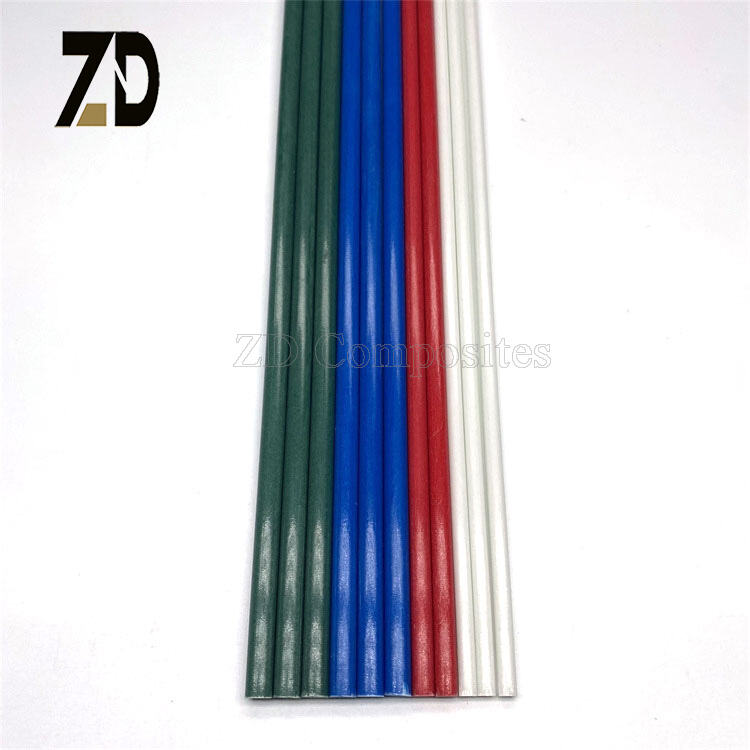
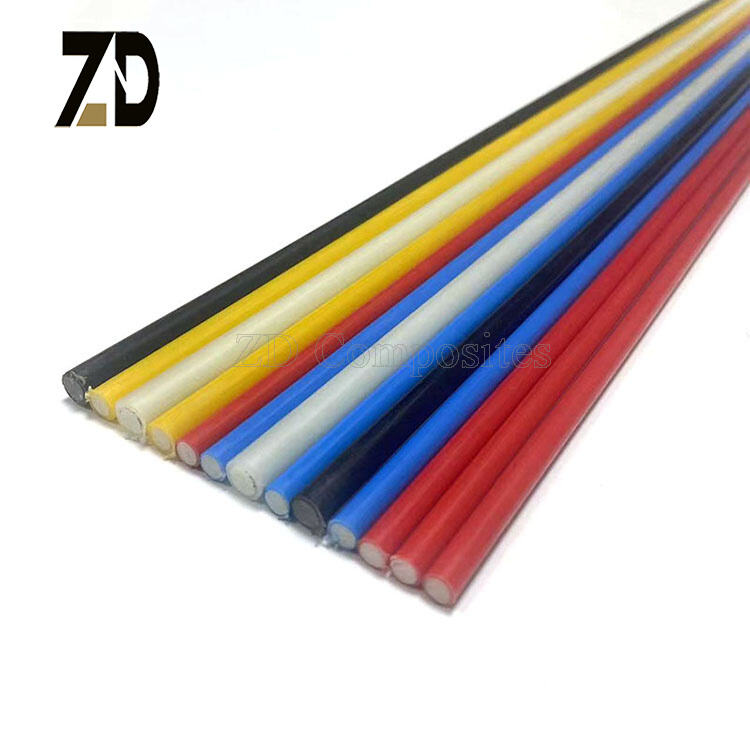
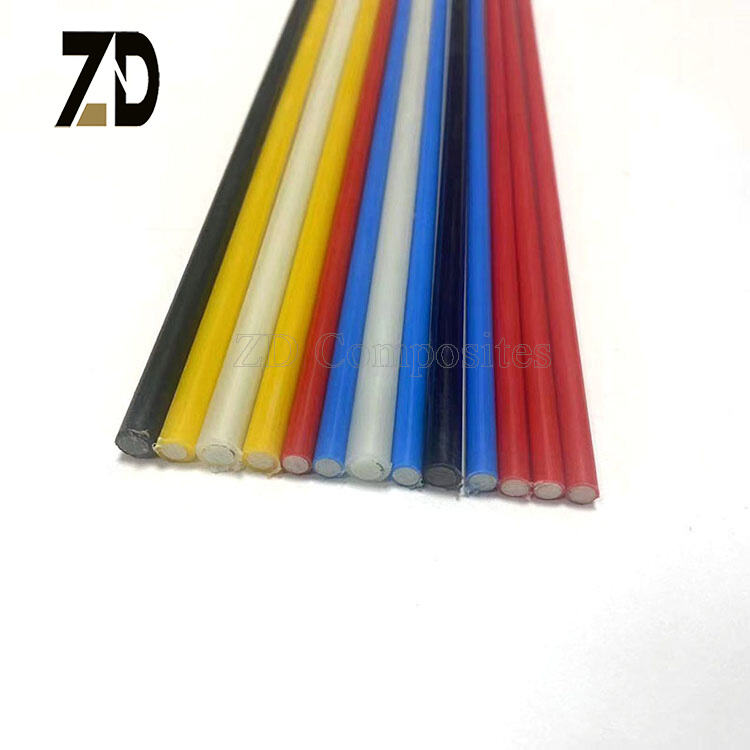
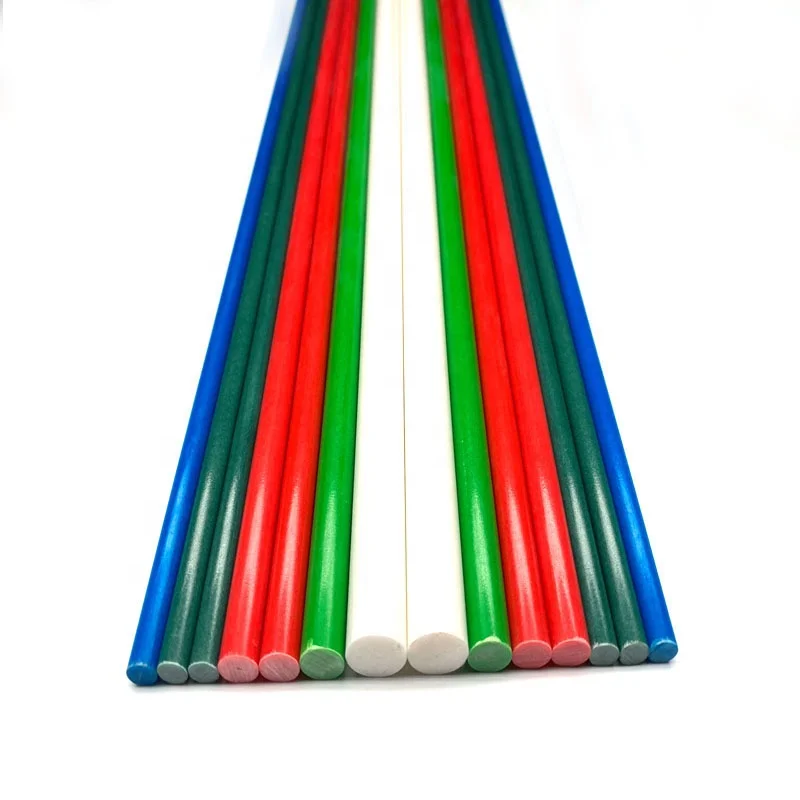
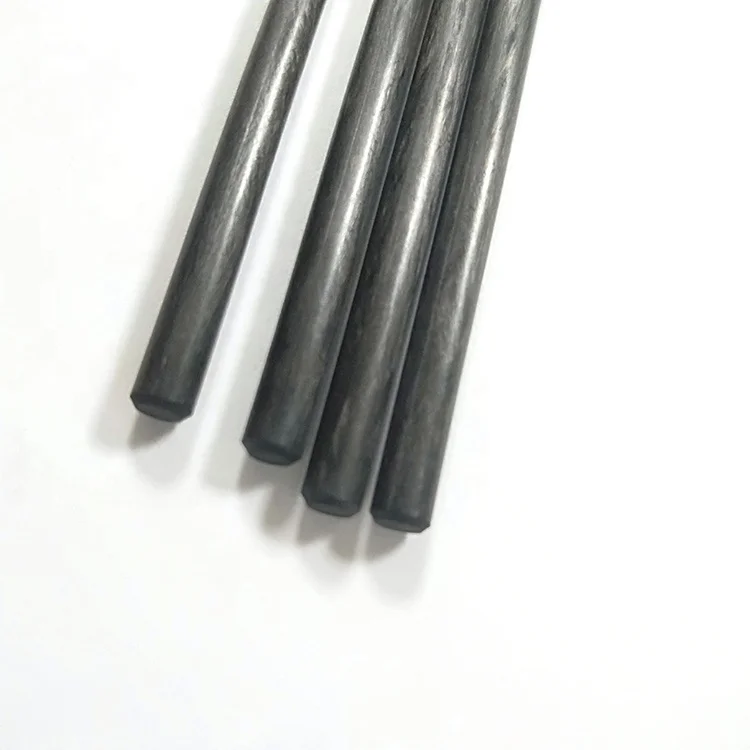
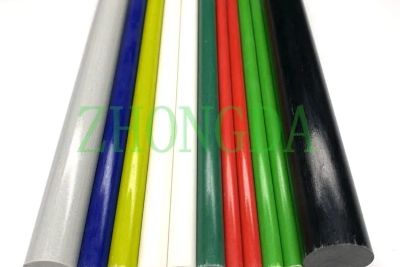
A fiberglass rod represents a revolutionary advancement in composite material technology, combining glass fibers with resin matrix to create an exceptionally versatile structural component. This innovative product serves multiple industries through its unique blend of strength, flexibility, and corrosion resistance. The fiberglass rod construction involves precisely woven glass filaments that are saturated with thermosetting resins, typically polyester or epoxy, which cure to form a solid, durable structure. The manufacturing process ensures consistent quality while maintaining optimal fiber-to-resin ratios for maximum performance. These rods function primarily as reinforcement elements, electrical insulators, and structural supports across diverse applications. The technological features of a fiberglass rod include high tensile strength that often exceeds traditional steel, while weighing significantly less. The non-conductive properties make these rods ideal for electrical applications where metal alternatives would pose safety risks. Temperature resistance allows fiberglass rods to perform effectively in environments ranging from sub-zero conditions to elevated temperatures without compromising structural integrity. The corrosion-resistant nature ensures longevity in harsh chemical environments, marine conditions, and outdoor exposures where metal rods would deteriorate rapidly. Applications span construction, telecommunications, marine industries, agriculture, and specialized manufacturing sectors. In construction, fiberglass rods serve as concrete reinforcement, providing superior crack resistance and eliminating corrosion concerns that plague steel reinforcement. Telecommunications companies utilize these rods for antenna supports and cable management systems where electrical isolation is crucial. Marine applications benefit from the saltwater resistance, making fiberglass rods perfect for boat components, dock construction, and underwater installations. Agricultural uses include greenhouse frameworks, livestock barriers, and irrigation system supports that withstand weather extremes and chemical fertilizers without degradation.

New Product Releases

The advantages of fiberglass rods create compelling reasons for choosing this advanced material over traditional alternatives. First, the exceptional strength-to-weight ratio delivers superior performance while reducing installation complexity and transportation costs. A fiberglass rod typically weighs 75% less than equivalent steel while maintaining comparable or superior tensile strength, enabling easier handling and reduced structural loading requirements. The corrosion immunity provides tremendous long-term value by eliminating maintenance costs associated with painting, coating, or replacement due to rust and chemical degradation. This characteristic proves especially valuable in coastal environments, chemical processing facilities, and underground installations where moisture and corrosive elements constantly threaten metal components. The electrical insulation properties offer safety advantages that metal alternatives cannot match, making fiberglass rods essential for power transmission applications, electrical infrastructure, and environments where electrical conductivity poses hazards. Temperature stability ensures consistent performance across wide thermal ranges without expansion and contraction issues that plague metal rods, maintaining dimensional accuracy and structural integrity through seasonal changes. The non-magnetic nature provides unique advantages in sensitive electronic environments, medical facilities, and specialized industrial applications where magnetic interference must be minimized or eliminated entirely. Installation efficiency increases significantly due to the lightweight nature and workability of fiberglass rods, which can be cut, drilled, and shaped using standard tools without special equipment or safety precautions required for metal fabrication. The design flexibility allows manufacturers to create custom profiles, lengths, and configurations that meet specific project requirements without the limitations imposed by standard metal stock sizes. Environmental benefits include recyclability and reduced carbon footprint compared to steel production, supporting sustainable construction practices and green building certifications. Cost-effectiveness emerges through extended service life, reduced maintenance requirements, and lower installation costs, often providing better total cost of ownership despite potentially higher initial material costs. The chemical resistance extends beyond simple corrosion protection to include immunity from acids, bases, solvents, and other aggressive chemicals that would rapidly destroy conventional materials.

Practical Tips

How to Make a Carbon Fiber Box: Choosing the Right Prepreg, Resin & Mold

20

Oct

How to Make a Carbon Fiber Box: Choosing the Right Prepreg, Resin & Mold

View More
The advantages of fiberglass stakes

20

Oct

The advantages of fiberglass stakes

View More
Applications and advantages of carbon fiber materials in industry

27

Oct

Applications and advantages of carbon fiber materials in industry

View More

Get a Free Quote

Our representative will contact you soon.
Email
Name
Company Name
Message
0/1000

fiberglass rod

Unmatched Durability and Longevity Performance

Unmatched Durability and Longevity Performance

The exceptional durability characteristics of fiberglass rods establish them as the premier choice for long-term performance in challenging environments. Unlike traditional materials that succumb to environmental stresses, these advanced composite structures maintain their integrity through decades of service without significant degradation. The molecular structure of fiberglass rods creates an inherently stable matrix that resists UV radiation, preventing the brittleness and color fading commonly experienced with other polymer materials. This UV stability ensures that outdoor installations maintain structural properties and aesthetic appearance throughout extended exposure periods. The waterproof nature eliminates concerns about moisture absorption that can lead to dimensional changes, freeze-thaw damage, or internal structural compromise. Chemical inertness provides protection against a vast array of industrial chemicals, cleaning agents, and atmospheric pollutants that would corrode or weaken alternative materials. The fatigue resistance of fiberglass rods surpasses metal alternatives in cyclic loading applications, maintaining structural integrity through millions of stress cycles without developing the micro-cracks that eventually lead to catastrophic failure in steel components. This superior fatigue performance makes fiberglass rods ideal for applications involving vibration, wind loading, or repetitive stress patterns. The thermal expansion coefficient closely matches concrete and other building materials, preventing stress concentrations and structural damage that occur when dissimilar materials expand and contract at different rates during temperature fluctuations. Impact resistance protects against accidental damage during installation and service, with the ability to flex under sudden loads rather than fracturing like brittle materials or permanently deforming like metals. The self-healing properties of the resin matrix can seal minor surface scratches and prevent progressive damage that might compromise performance over time. Quality control during manufacturing ensures consistent properties throughout each fiberglass rod, eliminating weak points or material inconsistencies that could lead to premature failure. The predictable aging characteristics allow engineers to design with confidence, knowing that performance will remain stable throughout the intended service life without sudden degradation or unexpected maintenance requirements.
Superior Safety and Installation Benefits

Superior Safety and Installation Benefits

Safety advantages position fiberglass rods as the optimal choice for applications where worker protection and installation efficiency are paramount concerns. The non-conductive properties eliminate electrocution risks that make metal rods dangerous near power lines, electrical equipment, or during storms when lightning strikes pose threats to workers and structures. This electrical isolation creates inherently safer work environments and reduces insurance liability while enabling installations in locations where metal components would violate electrical codes or safety regulations. The lightweight characteristics reduce physical strain on installation crews, minimizing workplace injuries associated with lifting, positioning, and securing heavy materials. Workers can handle longer fiberglass rod sections without mechanical assistance, increasing productivity while reducing equipment rental costs and project complexity. The non-sparking nature provides safety benefits in explosive environments, chemical facilities, and areas where ignition sources must be strictly controlled to prevent accidents. The smooth surface finish eliminates sharp edges and splinters that could injure workers during handling, while the consistent diameter ensures proper fit with connection hardware and installation tools. Cutting operations produce clean edges without the metal shavings or sharp burrs that create puncture and laceration hazards with steel alternatives. The thermal properties prevent burns during temperature extremes, as fiberglass rods do not conduct heat like metal components that can become dangerously hot or cold to touch. Installation versatility allows field modifications using standard carpentry tools, eliminating the need for specialized cutting equipment, welding operations, or hot work permits that complicate project scheduling and increase safety requirements. The dimensional stability maintains proper fit and alignment throughout installation, preventing the binding or interference issues that can force workers into awkward positions or require excessive force during assembly. Quality assurance testing ensures consistent mechanical properties, eliminating uncertainty about material performance that could compromise safety margins in critical applications. The predictable behavior under load allows engineers to design with appropriate safety factors while avoiding over-engineering that increases costs without providing additional benefits. Training requirements are minimal compared to specialized installation techniques required for alternative materials, enabling crews to achieve proficiency quickly while maintaining consistent quality standards across different projects and installation teams.
Versatile Engineering and Design Capabilities

Versatile Engineering and Design Capabilities

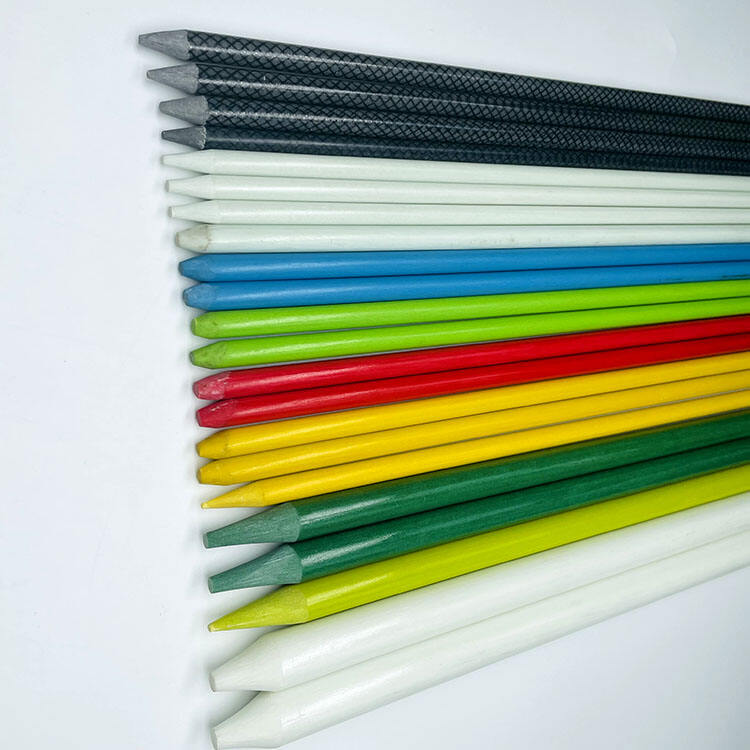
The engineering versatility of fiberglass rods opens unlimited design possibilities that traditional materials cannot accommodate, enabling innovative solutions for complex technical challenges. The ability to customize fiber orientation during manufacturing allows engineers to optimize strength characteristics for specific loading conditions, creating anisotropic properties that direct maximum strength precisely where needed while minimizing material usage and weight. This fiber engineering capability enables the production of fiberglass rods with varying stiffness along their length, creating components that flex in predetermined patterns or provide variable resistance to different types of loading. The resin selection process allows customization of chemical resistance, temperature performance, and mechanical properties to match specific environmental conditions or performance requirements that would be impossible to achieve with standard materials. Manufacturing flexibility enables the production of complex cross-sectional shapes, including hollow sections, multi-chamber designs, and integrated connection features that eliminate the need for additional hardware or assembly operations. The pultrusion manufacturing process creates continuous fiber reinforcement throughout the entire length of each fiberglass rod, ensuring consistent properties without the weak points or joints that compromise performance in assembled alternatives. Design integration capabilities allow fiberglass rods to incorporate embedded features such as internal passages for utilities, surface textures for enhanced bonding, or color-coding for identification without additional processing steps or applied coatings. The compatibility with various connection methods includes mechanical fasteners, adhesive bonding, and fusion welding techniques that provide design flexibility while maintaining structural integrity at joints and interfaces. Aesthetic options include integral coloring, surface texturing, and custom finishes that eliminate the need for subsequent coating operations while providing unlimited design possibilities for architectural applications. The scalability of production accommodates both prototype quantities for testing and development as well as large-volume production runs with consistent quality and properties. Quality control capabilities enable verification of mechanical properties, dimensional accuracy, and environmental resistance for each production batch, ensuring that design specifications are met throughout the manufacturing process. The material traceability provides documentation of raw material sources, manufacturing parameters, and quality test results that support engineering calculations and regulatory compliance requirements. Performance predictability through extensive testing and modeling enables engineers to design with confidence while optimizing material usage and minimizing safety factors without compromising reliability or longevity in service applications.

Get a Free Quote

Our representative will contact you soon.
Email
Name
Company Name
Message
0/1000