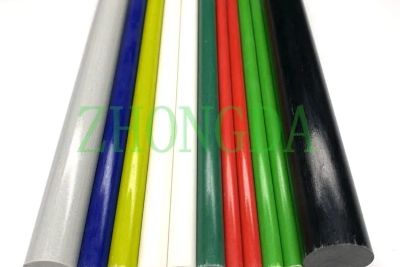
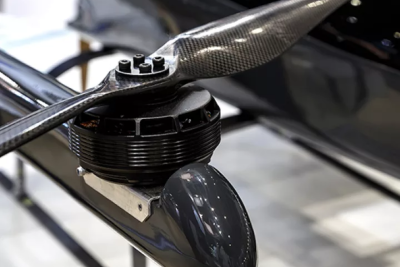
High-Performance Fiberglass Sticks - Durable, Lightweight Composite Solutions for Industrial Applications

Get a Free Quote

Our representative will contact you soon.
Email
Name
Company Name
Message
0/1000

fiberglass stick

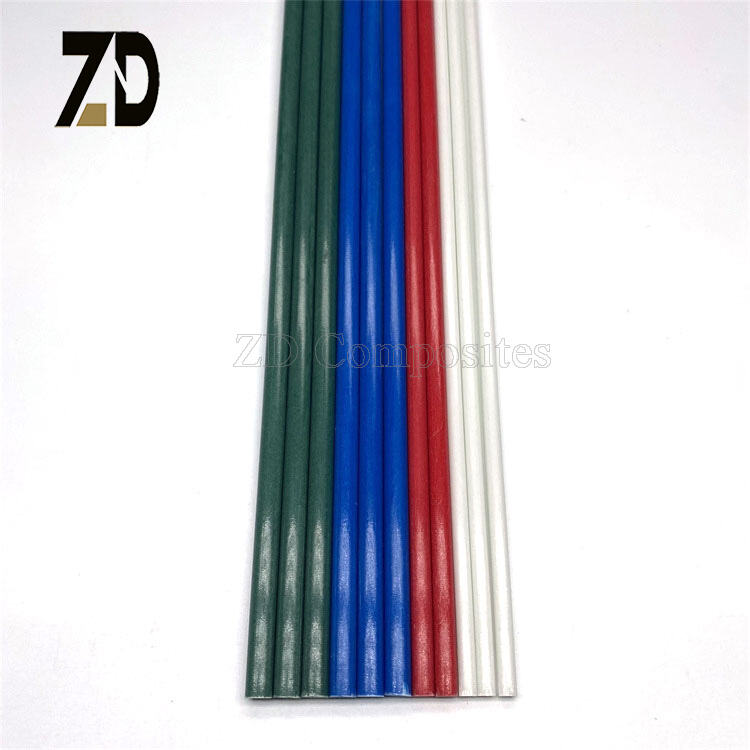
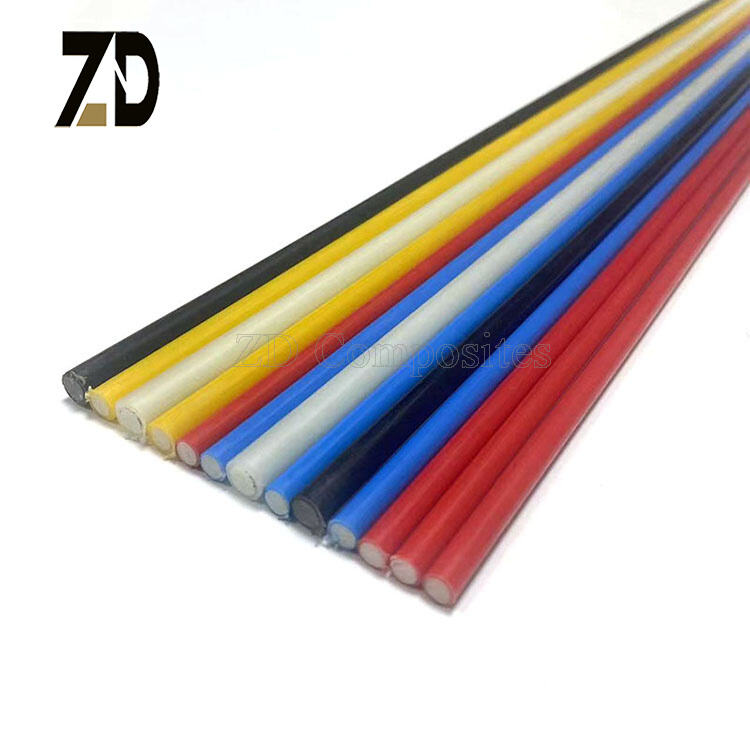
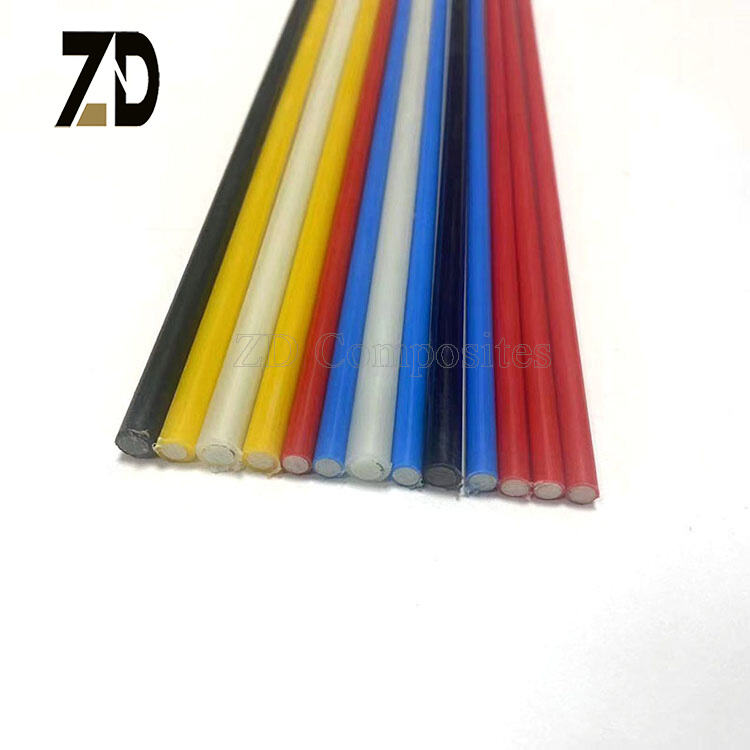
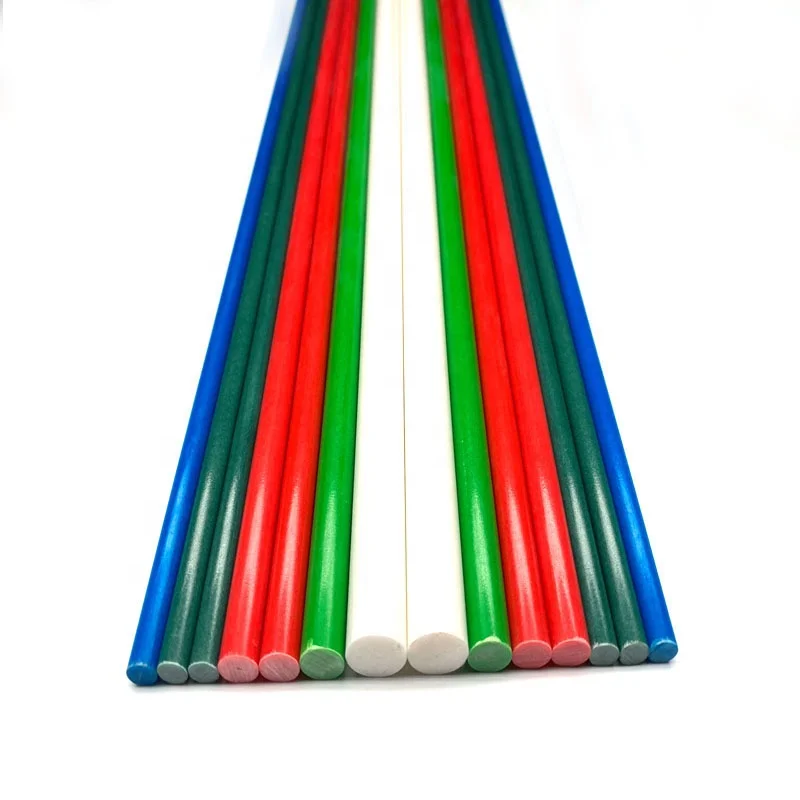
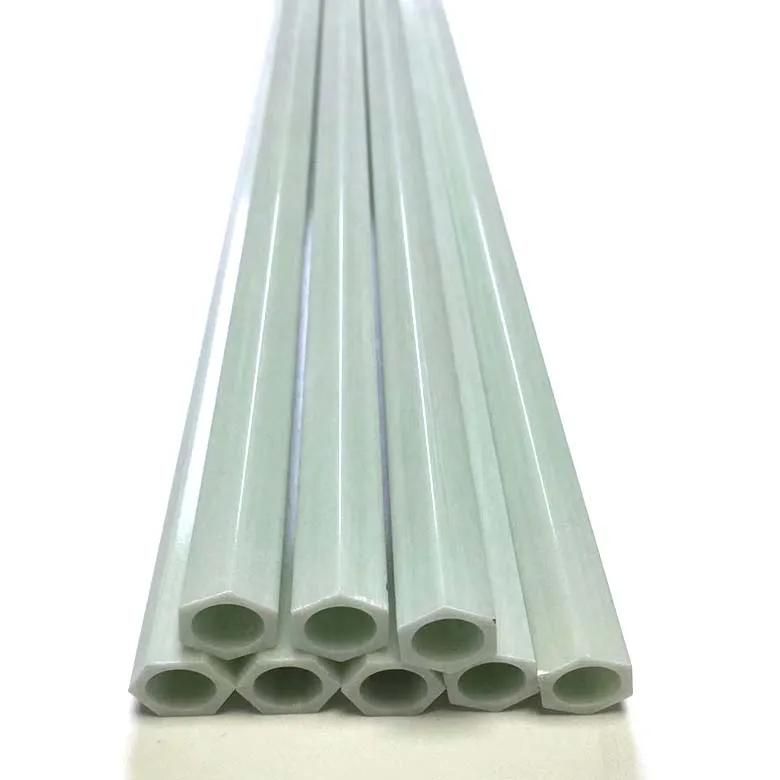
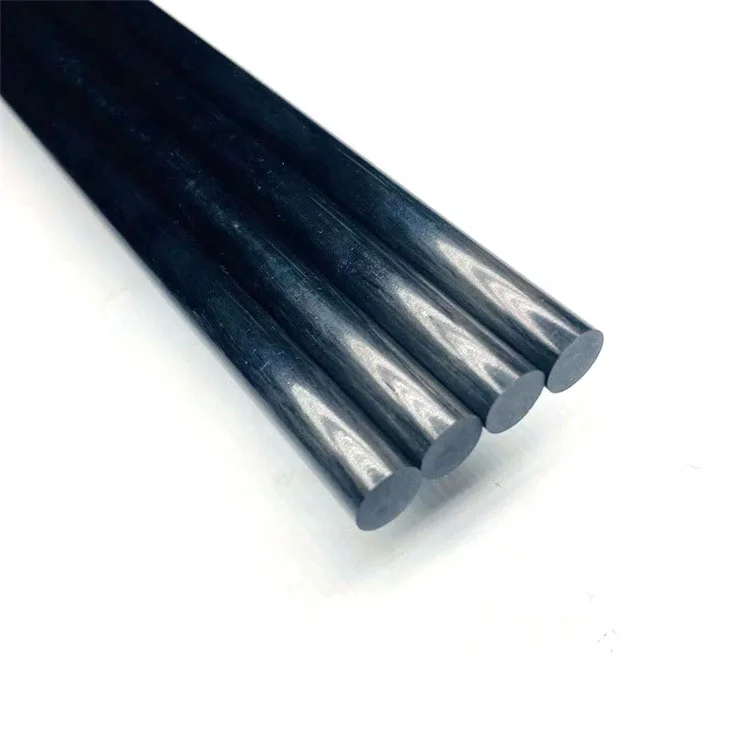
The fiberglass stick represents a revolutionary advancement in composite material engineering, combining exceptional strength with remarkable versatility across numerous industrial and commercial applications. This innovative product utilizes high-quality glass fibers embedded within a polymer resin matrix, creating a lightweight yet incredibly durable structural component that outperforms traditional materials in multiple scenarios. The fiberglass stick manufacturing process involves precise fiber orientation and controlled resin curing, resulting in superior mechanical properties that make it ideal for demanding environments. These sticks demonstrate outstanding resistance to corrosion, moisture, and chemical exposure while maintaining dimensional stability under varying temperature conditions. The technological features of the fiberglass stick include exceptional tensile strength that often exceeds steel in strength-to-weight ratios, making it perfect for applications where weight reduction is critical without compromising structural integrity. The non-conductive properties of the fiberglass stick make it invaluable in electrical applications, providing safe handling around live electrical components and preventing dangerous electrical accidents. Additionally, the fiberglass stick exhibits excellent fatigue resistance, ensuring long-term reliability even under repeated stress cycles. The applications for fiberglass sticks span across diverse industries including construction, telecommunications, automotive, marine, aerospace, and electrical utilities. In construction, these sticks serve as reinforcement elements, support structures, and architectural components. Telecommunications companies utilize fiberglass sticks for antenna supports and cable management systems due to their radio frequency transparency and weather resistance. The automotive industry incorporates fiberglass sticks in lightweight vehicle components, contributing to improved fuel efficiency and performance. Marine applications benefit from the inherent corrosion resistance and buoyancy characteristics of fiberglass sticks, making them ideal for boat building and offshore structures.

New Products

The fiberglass stick offers numerous compelling advantages that make it a superior choice for countless applications across various industries. First and foremost, the exceptional strength-to-weight ratio of the fiberglass stick provides unmatched performance benefits, delivering the structural integrity of heavier materials while significantly reducing overall weight. This weight reduction translates directly into cost savings for transportation, installation, and handling, making projects more economical and efficient. The corrosion resistance of the fiberglass stick eliminates the need for expensive protective coatings and frequent maintenance that traditional metal alternatives require, resulting in substantial long-term savings and reduced downtime. Unlike steel or aluminum components, the fiberglass stick will not rust, corrode, or degrade when exposed to harsh environmental conditions, saltwater, or chemical substances. The electrical insulation properties of the fiberglass stick create safer working conditions for personnel and equipment, preventing electrical hazards and reducing liability concerns. This non-conductive nature makes the fiberglass stick ideal for use near power lines, electrical equipment, and sensitive electronic systems without creating dangerous short circuits or interference. The dimensional stability of the fiberglass stick ensures consistent performance across wide temperature ranges, maintaining its shape and structural properties in extreme heat or cold conditions where other materials might warp, expand, or contract significantly. Installation processes become more streamlined with fiberglass sticks due to their lighter weight and easier handling characteristics, reducing labor costs and installation time. The material can be easily cut, drilled, and shaped using standard tools, providing flexibility in customization without requiring specialized equipment or expertise. Manufacturing costs remain competitive while delivering superior performance, making the fiberglass stick an economically sound investment that pays dividends through reduced maintenance, longer service life, and improved operational efficiency. Environmental benefits include the recyclable nature of fiberglass materials and the reduced environmental impact associated with their production and transportation compared to traditional alternatives. The fiberglass stick also demonstrates excellent UV resistance, maintaining its appearance and properties when exposed to direct sunlight for extended periods.

Tips And Tricks

How to Make a Carbon Fiber Box: Choosing the Right Prepreg, Resin & Mold

20

Oct

How to Make a Carbon Fiber Box: Choosing the Right Prepreg, Resin & Mold

View More
The advantages of fiberglass stakes

20

Oct

The advantages of fiberglass stakes

View More
Applications and advantages of carbon fiber materials in industry

27

Oct

Applications and advantages of carbon fiber materials in industry

View More

Get a Free Quote

Our representative will contact you soon.
Email
Name
Company Name
Message
0/1000

fiberglass stick

Unmatched Durability and Longevity Performance

Unmatched Durability and Longevity Performance

The fiberglass stick sets new standards in durability and longevity performance, delivering exceptional value through its remarkable resistance to environmental degradation and mechanical stress. This superior durability stems from the advanced composite construction that combines high-strength glass fibers with specially formulated polymer resins, creating a material that withstands decades of service without significant deterioration. Unlike traditional materials that succumb to rust, corrosion, or fatigue over time, the fiberglass stick maintains its structural integrity and appearance throughout its extended service life. The molecular structure of the fiberglass stick provides inherent resistance to moisture absorption, preventing the swelling, warping, and weakening that plague wood and other organic materials in humid or wet conditions. Chemical resistance represents another crucial aspect of the fiberglass stick's durability profile, as it remains unaffected by acids, alkalis, solvents, and other aggressive substances that would quickly destroy metal or organic alternatives. This chemical inertness makes the fiberglass stick ideal for industrial environments, chemical processing facilities, and marine applications where exposure to corrosive substances is inevitable. Temperature cycling, which causes expansion and contraction that eventually leads to material failure in many products, has minimal impact on the fiberglass stick due to its low coefficient of thermal expansion and excellent thermal stability. The fatigue resistance of the fiberglass stick exceeds that of many metals, allowing it to withstand millions of stress cycles without developing cracks or failure points. This exceptional fatigue performance translates into reliable long-term service in applications involving vibration, oscillation, or repeated loading. UV radiation, which degrades many plastics and composite materials over time, has minimal effect on properly formulated fiberglass sticks, ensuring that outdoor installations maintain their performance and appearance for decades. The combination of these durability factors results in a total cost of ownership that significantly favors the fiberglass stick over alternative materials, as replacement and maintenance costs are dramatically reduced throughout the product's extended service life.
Superior Electrical Insulation and Safety Features

Superior Electrical Insulation and Safety Features

The fiberglass stick provides unparalleled electrical insulation properties that make it the preferred choice for applications requiring absolute safety around electrical systems and components. This exceptional electrical performance stems from the inherent dielectric properties of glass fibers and polymer resins, which create a non-conductive barrier that prevents electrical current flow even under high voltage conditions. The dielectric strength of the fiberglass stick typically exceeds 15,000 volts per millimeter, providing a substantial safety margin that protects personnel and equipment from dangerous electrical accidents. This superior insulation performance remains consistent across varying environmental conditions, including high humidity, temperature fluctuations, and exposure to contaminants that might compromise the electrical integrity of other materials. The fiberglass stick maintains its insulation properties even when wet, unlike many other materials that become conductive when moisture is present, ensuring continuous safety protection in all weather conditions. Electrical utilities rely heavily on fiberglass sticks for hot stick applications, where workers must safely handle live electrical equipment without risking electrocution or creating dangerous arc faults. The non-tracking surface of the fiberglass stick prevents the formation of conductive carbon paths that can develop on other insulating materials exposed to electrical stress over time. This characteristic ensures long-term electrical reliability and safety performance that exceeds industry standards and regulatory requirements. The electromagnetic transparency of the fiberglass stick makes it ideal for applications where radio frequency signals must pass through the material without interference or attenuation, such as antenna supports and radome structures. Ground fault protection systems benefit from the consistent insulation properties of fiberglass sticks, as they maintain their protective function without creating unwanted current paths that could compromise safety systems. Installation safety improves significantly when fiberglass sticks replace conductive materials in electrical environments, as workers can handle the components without special electrical safety protocols while maintaining appropriate safety distances from energized equipment. The flame-retardant properties available in specialized fiberglass stick formulations provide additional fire safety benefits, preventing ignition and flame spread in critical electrical applications where fire hazards must be minimized.
Exceptional Versatility and Customization Capabilities

Exceptional Versatility and Customization Capabilities

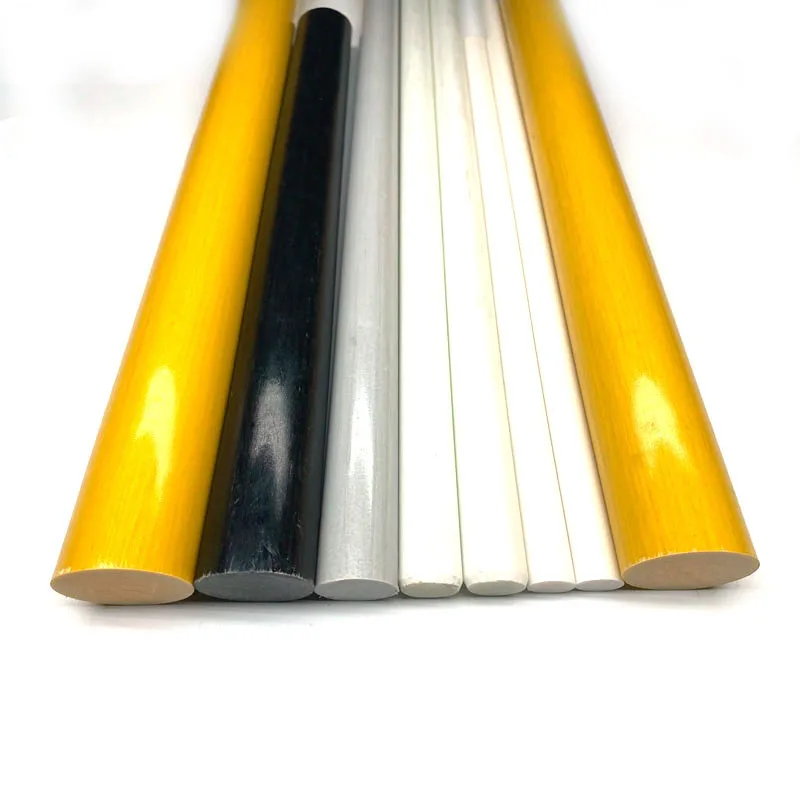
The fiberglass stick demonstrates remarkable versatility and customization capabilities that enable it to meet the specific requirements of virtually any application across diverse industries and specialized use cases. This adaptability begins with the manufacturing process, where fiber orientation, resin selection, and reinforcement patterns can be precisely controlled to optimize performance characteristics for specific applications. Structural engineers can specify fiberglass sticks with tailored properties, including varying degrees of flexibility, specific strength requirements, particular dimensional tolerances, and specialized surface treatments to meet exact project specifications. The manufacturing flexibility allows for custom lengths, diameters, and cross-sectional shapes, including round, square, rectangular, and complex profiles that would be difficult or impossible to achieve with traditional materials. Surface modifications enhance the versatility of the fiberglass stick, with options including textured surfaces for improved grip, smooth finishes for aesthetic applications, and specialized coatings for enhanced chemical resistance or specific environmental requirements. Color customization provides both functional and aesthetic benefits, with pigments integrated during manufacturing to ensure permanent coloration that won't chip, fade, or wear away like surface-applied paints or coatings. The modular nature of fiberglass stick systems allows for easy assembly and disassembly, facilitating maintenance, repairs, and system modifications without requiring complete replacement of structural components. Machining capabilities enable precise customization after manufacturing, as fiberglass sticks can be cut, drilled, threaded, and shaped using standard tools and techniques, allowing for field modifications and custom installations. Joining methods include mechanical fasteners, adhesive bonding, and specialized coupling systems that provide secure connections while maintaining the beneficial properties of the fiberglass stick material. Temperature resistance ranges can be customized through resin selection, enabling applications from cryogenic conditions to high-temperature industrial environments. The scalability of fiberglass stick production accommodates both large-volume standard products and small-quantity custom solutions, making it economically viable for projects of any size. Integration capabilities allow fiberglass sticks to work seamlessly with existing systems and components, providing upgrade paths that improve performance without requiring complete system redesigns or extensive modifications to existing infrastructure.
Get a Free Quote

Our representative will contact you soon.
Email
Name
Company Name
Message
0/1000