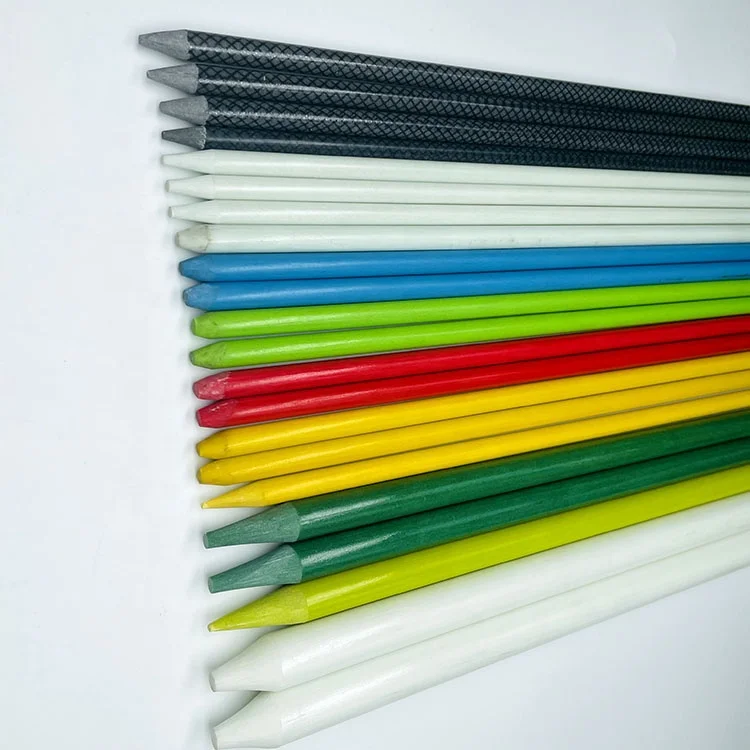
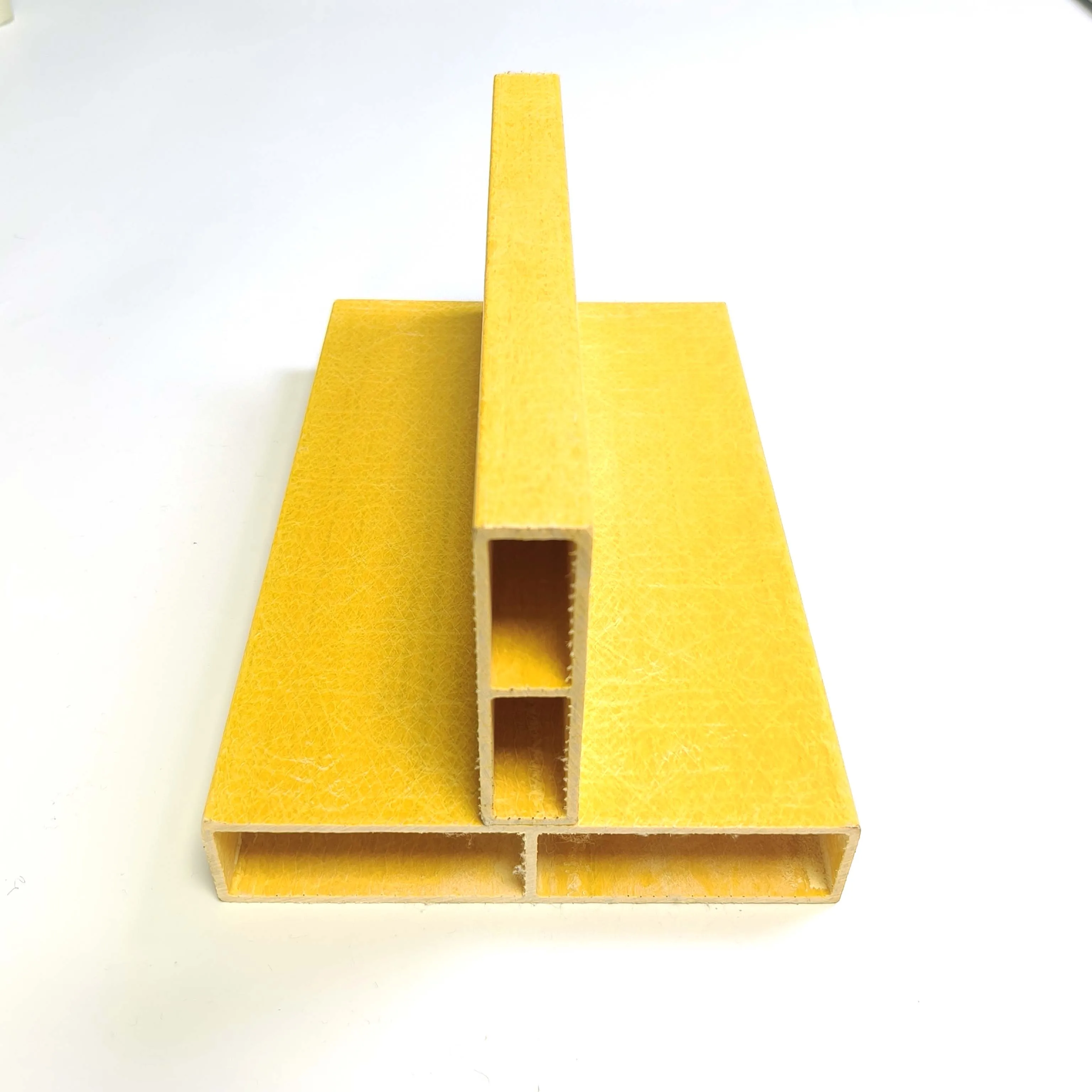
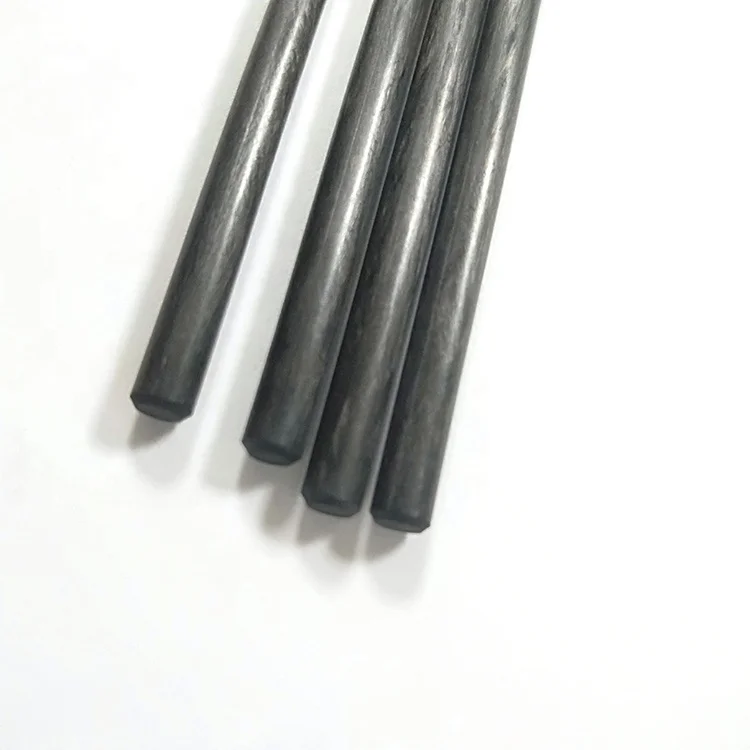
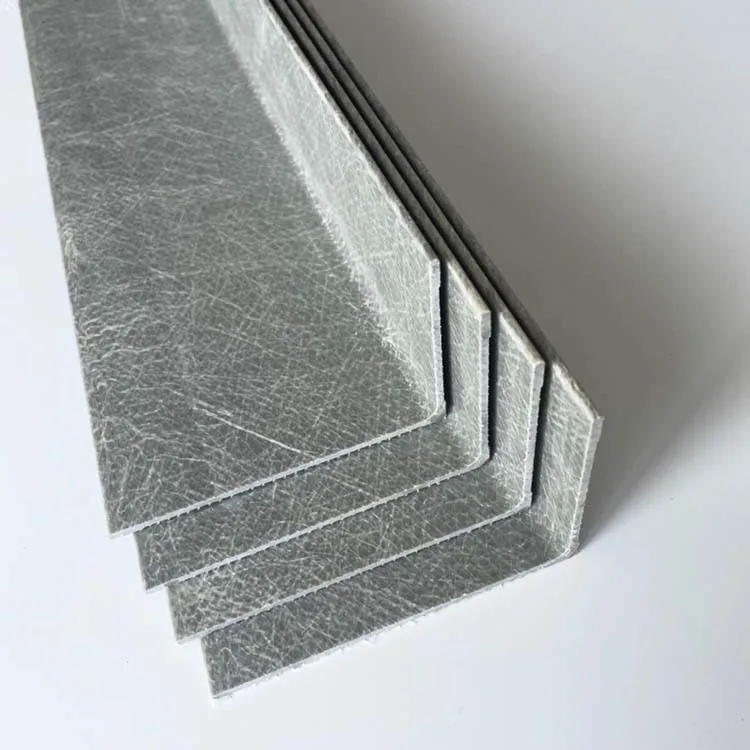
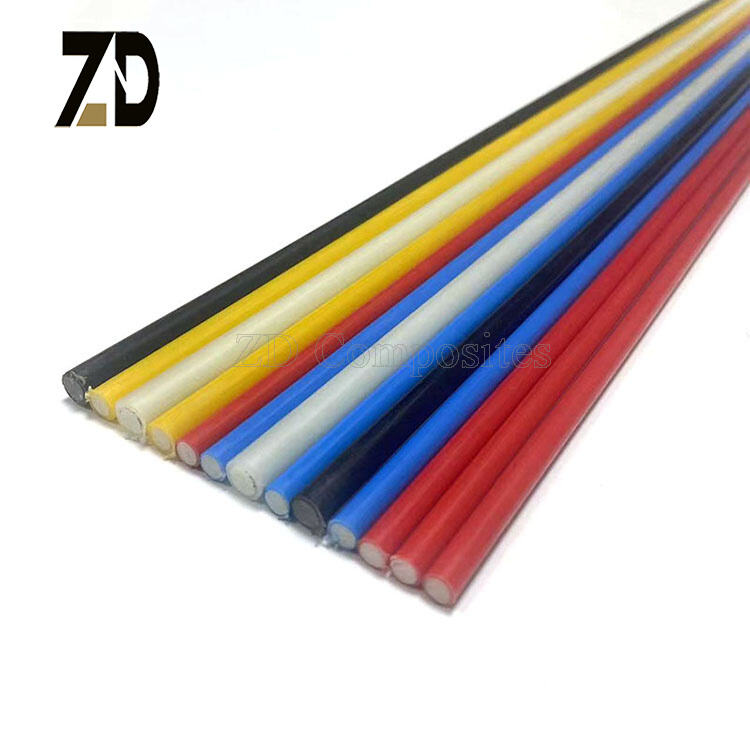
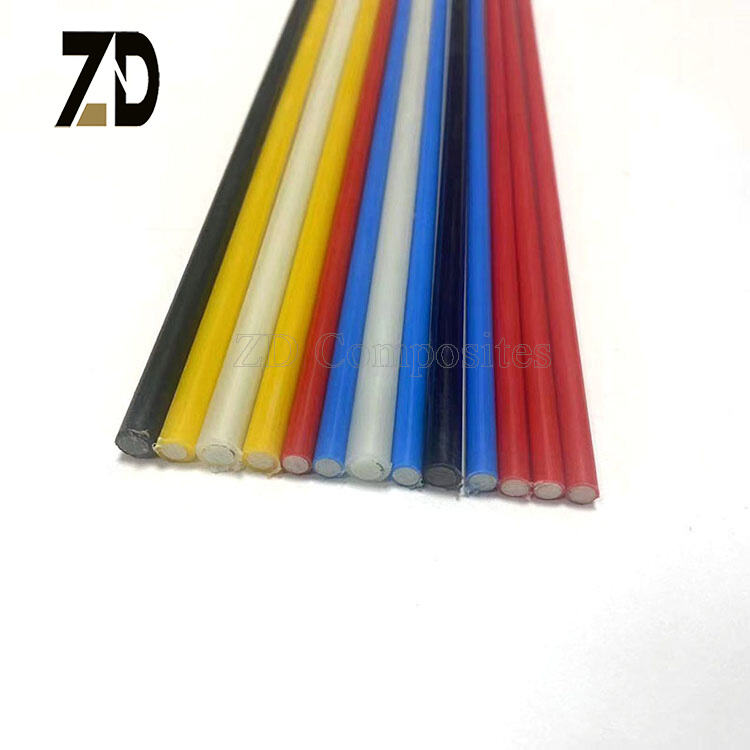
fibreglass rod
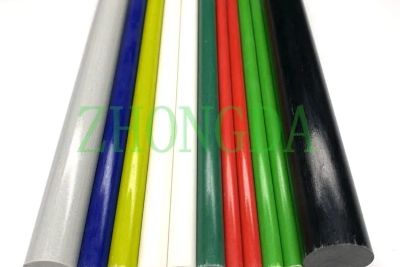
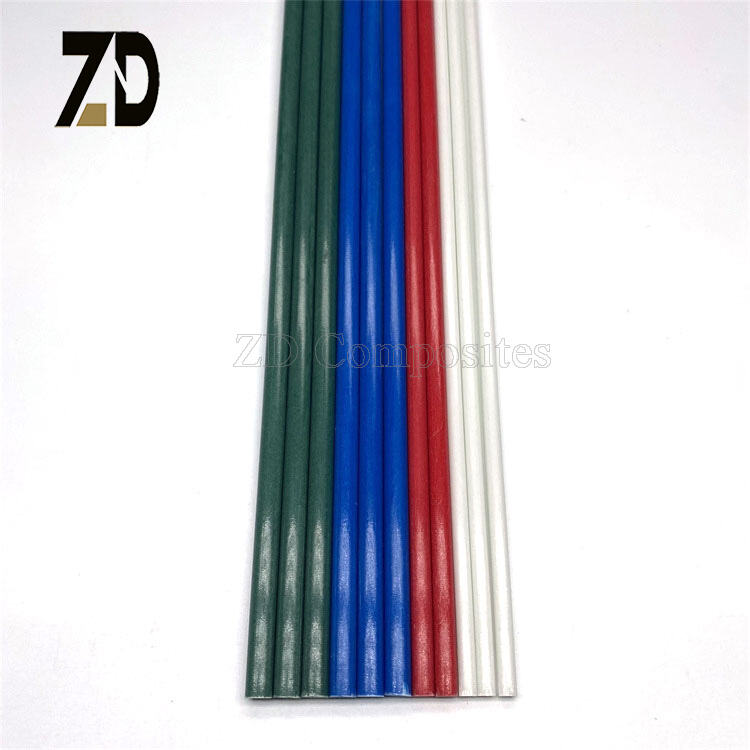
The fibreglass rod represents a revolutionary advancement in composite material technology, combining exceptional strength with remarkable versatility across numerous industrial and commercial applications. These innovative structural components are manufactured through a sophisticated process that involves weaving glass fibers into continuous strands, which are then saturated with specialized resin systems and cured under controlled conditions. The resulting fibreglass rod exhibits extraordinary mechanical properties that surpass traditional materials like steel, aluminum, and wood in many critical performance metrics. The primary functions of fibreglass rods encompass structural reinforcement, electrical insulation, corrosion resistance, and dimensional stability across extreme environmental conditions. Their technological features include superior tensile strength, exceptional fatigue resistance, and remarkable chemical inertness that ensures long-term performance reliability. The manufacturing process employs pultrusion technology, where continuous glass fibers are drawn through a resin bath and subsequently shaped through heated dies, creating uniform cross-sectional profiles with consistent material properties throughout the entire length. This production method enables precise control over fiber orientation, resin content, and curing parameters, resulting in predictable mechanical characteristics and quality consistency. Applications for fibreglass rods span across construction, aerospace, marine, automotive, electrical, and recreational industries. In construction, these rods serve as concrete reinforcement bars, structural supports, and architectural elements. The aerospace sector utilizes them for lightweight framework components and non-conductive assemblies. Marine applications include masts, booms, and hull reinforcement structures that withstand saltwater exposure without degradation. Automotive manufacturers incorporate fibreglass rods into suspension systems, body panels, and safety structures. The electrical industry relies on their insulating properties for high-voltage applications, transmission line hardware, and substation equipment. Recreational uses encompass fishing rods, tent poles, flag poles, and sporting equipment where lightweight strength proves essential.
 ×
×

 EN
EN