High-Performance Solid Fiberglass Rods - Corrosion Resistant Composite Solutions

Get a Free Quote

Our representative will contact you soon.
Email
Name
Company Name
Message
0/1000

solid fiberglass rods

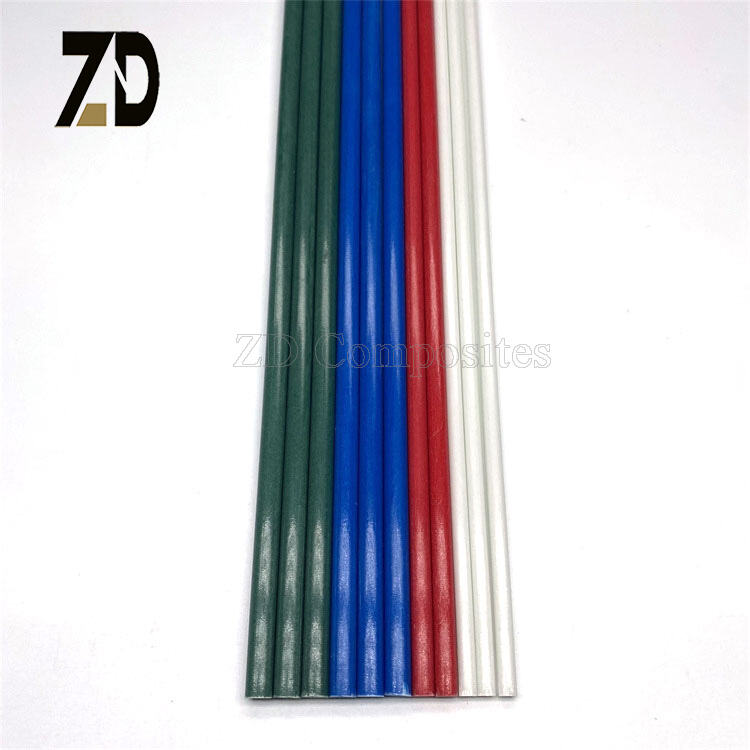
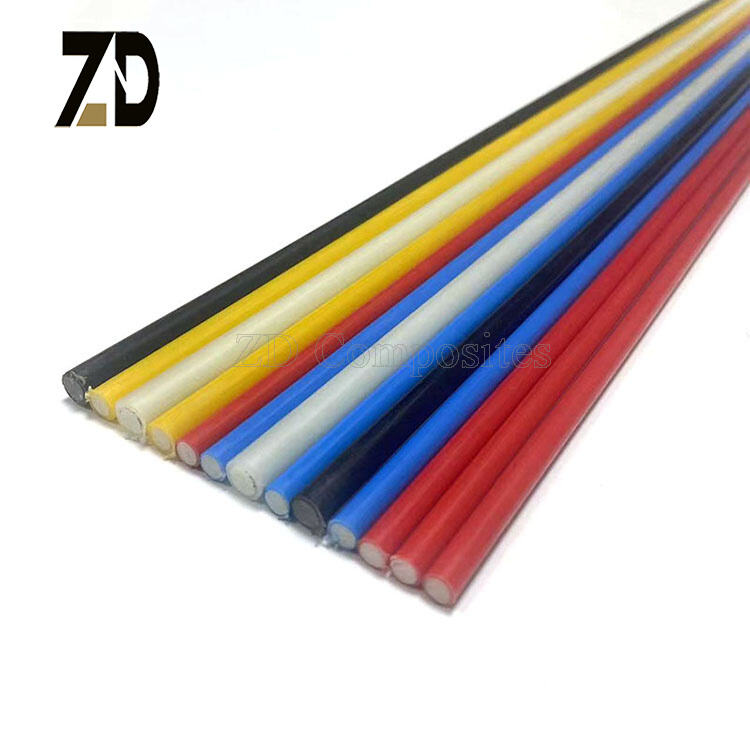
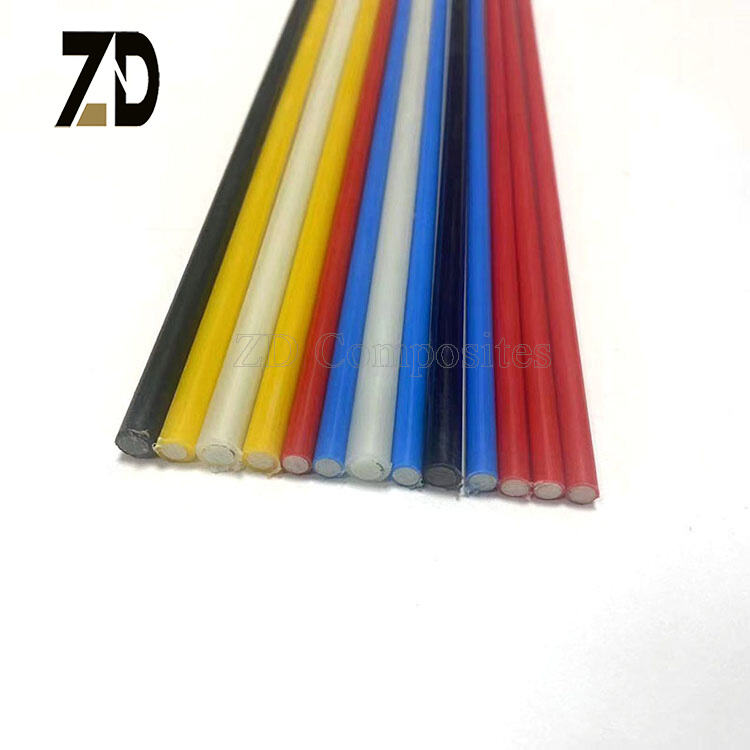
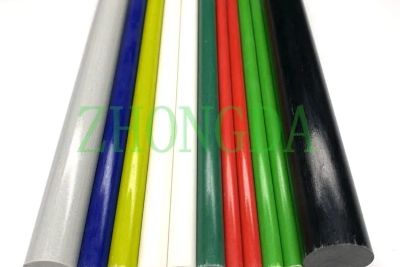
Solid fiberglass rods represent a revolutionary advancement in composite material technology, offering exceptional performance characteristics that surpass traditional materials in numerous applications. These innovative structural components are manufactured through a sophisticated pultrusion process that combines high-strength glass fibers with advanced polymer resins to create continuous, uniform profiles with outstanding mechanical properties. The manufacturing process ensures that solid fiberglass rods maintain consistent cross-sectional dimensions while delivering superior strength-to-weight ratios that make them ideal for demanding industrial, construction, and infrastructure applications. The technological foundation of solid fiberglass rods relies on the strategic alignment of continuous glass fibers within a thermoset resin matrix, creating a composite material that exhibits remarkable tensile strength, flexural rigidity, and dimensional stability under varying environmental conditions. This unique construction methodology allows solid fiberglass rods to resist corrosion, weathering, and chemical degradation far better than conventional materials such as steel or wood. The main functions of solid fiberglass rods encompass structural reinforcement, electrical insulation, chemical resistance, and dimensional stability across a wide temperature range. These rods serve as essential components in applications requiring non-conductive properties, making them particularly valuable in electrical infrastructure projects where safety and reliability are paramount. The technological features of solid fiberglass rods include their exceptional dielectric properties, which prevent electrical conductivity while maintaining structural integrity. Additionally, these rods demonstrate remarkable fatigue resistance, allowing them to withstand repeated loading cycles without significant degradation in performance. Their applications span across multiple industries including telecommunications, construction, marine environments, chemical processing facilities, and renewable energy systems. The versatility of solid fiberglass rods makes them suitable for use as structural supports, reinforcement elements, insulation barriers, and specialized components in harsh environmental conditions where traditional materials would fail prematurely.

Popular Products

The advantages of solid fiberglass rods extend far beyond their basic structural capabilities, offering customers a comprehensive solution that delivers long-term value and reliable performance across diverse applications. These composite materials provide exceptional corrosion resistance that eliminates the need for frequent maintenance, painting, or replacement cycles that plague traditional metal alternatives. Unlike steel rods that rust and deteriorate when exposed to moisture, chemicals, or salt environments, solid fiberglass rods maintain their structural integrity and appearance for decades without requiring protective coatings or specialized treatments. This corrosion resistance translates directly into reduced lifecycle costs and improved return on investment for customers who choose solid fiberglass rods over conventional materials. The lightweight nature of solid fiberglass rods creates significant advantages in transportation, installation, and handling procedures. These rods weigh approximately 75% less than equivalent steel components, reducing shipping costs, simplifying installation processes, and minimizing the need for heavy machinery during construction projects. Workers can handle solid fiberglass rods more easily and safely, reducing workplace injuries and increasing productivity on job sites. The reduced weight also enables the use of lighter supporting structures and foundations, creating additional cost savings throughout the entire project. Solid fiberglass rods deliver outstanding electrical insulation properties that make them essential for applications requiring non-conductive materials. This electrical resistance prevents dangerous current flow and eliminates the risk of electrical accidents that can occur with metal components. The dielectric strength of solid fiberglass rods remains constant over time, providing reliable electrical isolation that meets stringent safety standards and regulatory requirements. Temperature stability represents another critical advantage of solid fiberglass rods, as these materials maintain their mechanical properties across a wide temperature range without warping, expanding, or contracting significantly. This dimensional stability ensures consistent performance in environments with temperature fluctuations, reducing maintenance requirements and extending service life. The thermal expansion coefficient of solid fiberglass rods is lower than most traditional materials, preventing stress-related failures and maintaining precise tolerances in critical applications. Customers benefit from the excellent chemical resistance of solid fiberglass rods, which withstand exposure to acids, alkalis, solvents, and other aggressive chemicals without degradation. This chemical inertness makes solid fiberglass rods ideal for use in chemical processing plants, wastewater treatment facilities, and marine environments where chemical exposure is unavoidable. The non-magnetic properties of solid fiberglass rods prevent interference with sensitive electronic equipment and magnetic instruments, making them suitable for applications in telecommunications, medical facilities, and research environments where magnetic neutrality is essential.

Latest News

How to Make a Carbon Fiber Box: Choosing the Right Prepreg, Resin & Mold

20

Oct

How to Make a Carbon Fiber Box: Choosing the Right Prepreg, Resin & Mold

View More
The advantages of fiberglass stakes

20

Oct

The advantages of fiberglass stakes

View More
Applications and advantages of carbon fiber materials in industry

27

Oct

Applications and advantages of carbon fiber materials in industry

View More

Get a Free Quote

Our representative will contact you soon.
Email
Name
Company Name
Message
0/1000

solid fiberglass rods

Superior Corrosion Resistance and Longevity

Superior Corrosion Resistance and Longevity

The exceptional corrosion resistance of solid fiberglass rods stands as their most significant competitive advantage, offering customers decades of reliable performance without the degradation issues that plague traditional materials. Unlike steel, aluminum, or wood alternatives, solid fiberglass rods maintain their structural integrity and aesthetic appearance when exposed to harsh environmental conditions including saltwater, industrial chemicals, extreme weather, and corrosive atmospheres. This remarkable resistance stems from the inherent properties of the glass fiber and resin matrix composition, which creates a barrier that prevents oxidation, galvanic corrosion, and chemical attack that would destroy conventional materials. The resin matrix in solid fiberglass rods acts as a protective shield that encapsulates the glass fibers, preventing moisture penetration and chemical infiltration that could compromise structural integrity. This protective barrier remains effective throughout the entire service life of the rods, eliminating the need for protective coatings, regular maintenance, or replacement cycles that add significant costs to projects using traditional materials. Customers who select solid fiberglass rods benefit from substantial lifecycle cost savings as these materials require minimal maintenance over their extended service life, which often exceeds 50 years in demanding applications. The corrosion resistance of solid fiberglass rods proves particularly valuable in marine environments where salt spray and constant moisture exposure would rapidly deteriorate steel or aluminum components. Port facilities, offshore platforms, coastal infrastructure, and marine construction projects utilizing solid fiberglass rods experience significantly reduced maintenance costs and extended replacement intervals compared to installations using traditional materials. Chemical processing facilities also benefit tremendously from the corrosion resistance of solid fiberglass rods, as these materials withstand exposure to acids, bases, solvents, and other aggressive chemicals without suffering structural degradation or compromised performance. This chemical inertness allows solid fiberglass rods to maintain their load-bearing capacity and dimensional stability even in the most challenging chemical environments, providing customers with reliable long-term performance and reduced safety risks associated with material failure.
Exceptional Electrical Insulation Properties

Exceptional Electrical Insulation Properties

The outstanding electrical insulation capabilities of solid fiberglass rods make them indispensable for applications requiring non-conductive materials that ensure safety and prevent electrical hazards. These composite materials exhibit exceptional dielectric strength that prevents electrical current flow, making them ideal for use in electrical infrastructure, telecommunications systems, and power distribution networks where electrical isolation is critical for safe operation. The dielectric properties of solid fiberglass rods remain stable over time and across varying environmental conditions, providing consistent electrical insulation that meets stringent industry standards and regulatory requirements. This electrical reliability gives customers confidence in the long-term performance of their installations while eliminating the risk of electrical accidents that could result from conductive materials. The molecular structure of solid fiberglass rods inherently prevents electrical conductivity, as the glass fibers and polymer resin matrix contain no free electrons that could facilitate current flow. This fundamental characteristic cannot be compromised through surface contamination, moisture exposure, or aging effects that might reduce the insulation properties of other materials. Customers benefit from this permanent electrical insulation that does not require protective coatings or treatments to maintain its effectiveness. The high dielectric strength of solid fiberglass rods enables their use in high-voltage applications where electrical breakdown could cause catastrophic failures, equipment damage, or safety hazards. Utility companies and electrical contractors rely on solid fiberglass rods for crossarms, support structures, and insulator hardware in power transmission and distribution systems where electrical isolation is essential for safe operation. The non-conductive nature of solid fiberglass rods also prevents galvanic corrosion that occurs when dissimilar metals are joined in electrical systems, eliminating a common source of failure and maintenance issues. Telecommunications infrastructure benefits significantly from the electrical properties of solid fiberglass rods, as these materials prevent electromagnetic interference and radio frequency interference that could disrupt signal transmission. The non-metallic composition of solid fiberglass rods ensures transparent radio frequency propagation while providing structural support for antennas, cable trays, and equipment mounting systems. This combination of structural strength and electrical neutrality makes solid fiberglass rods the preferred choice for customers requiring reliable performance in sensitive electronic environments where metal components would create interference problems or safety concerns.
Outstanding Strength-to-Weight Ratio and Structural Performance

Outstanding Strength-to-Weight Ratio and Structural Performance

The remarkable strength-to-weight ratio of solid fiberglass rods delivers exceptional structural performance while significantly reducing overall system weight, creating substantial advantages in transportation, installation, and long-term operational efficiency. These advanced composite materials achieve tensile strengths comparable to steel while weighing approximately 75% less, enabling customers to specify lighter support structures, reduce foundation requirements, and simplify installation procedures. The high strength characteristics of solid fiberglass rods result from the strategic orientation of continuous glass fibers within the polymer matrix, creating a composite structure that efficiently distributes loads and resists failure under demanding conditions. This engineered approach to material design allows solid fiberglass rods to outperform traditional materials in applications requiring high strength combined with minimal weight. The pultrusion manufacturing process used to create solid fiberglass rods ensures consistent mechanical properties throughout the entire length of each rod, eliminating the variations and weak points that can occur in traditional materials. This uniformity gives customers confidence in the predictable performance of solid fiberglass rods under designed loads, reducing safety factors and enabling more efficient structural designs. The continuous fiber reinforcement in solid fiberglass rods provides excellent fatigue resistance, allowing these materials to withstand millions of load cycles without degradation in strength or stiffness. This fatigue performance proves particularly valuable in applications subject to dynamic loading, vibration, or repetitive stress cycles where traditional materials would eventually fail due to crack propagation or material degradation. Customers benefit from extended service life and reduced maintenance requirements when specifying solid fiberglass rods for dynamic applications. The flexural properties of solid fiberglass rods enable them to bend under load and return to their original shape without permanent deformation, providing excellent resilience in applications subject to wind loading, seismic forces, or thermal expansion. This flexibility, combined with high strength, allows solid fiberglass rods to absorb energy and resist sudden impact loads that could cause brittle failure in other materials. The dimensional stability of solid fiberglass rods under varying temperature conditions ensures consistent performance across a wide range of environmental conditions, preventing thermal stress and maintaining structural integrity in applications with temperature fluctuations. This thermal stability, combined with the inherent strength characteristics, makes solid fiberglass rods ideal for customers requiring reliable long-term performance in challenging environmental conditions where traditional materials would suffer from thermal cycling effects or temperature-related degradation.

Get a Free Quote

Our representative will contact you soon.
Email
Name
Company Name
Message
0/1000