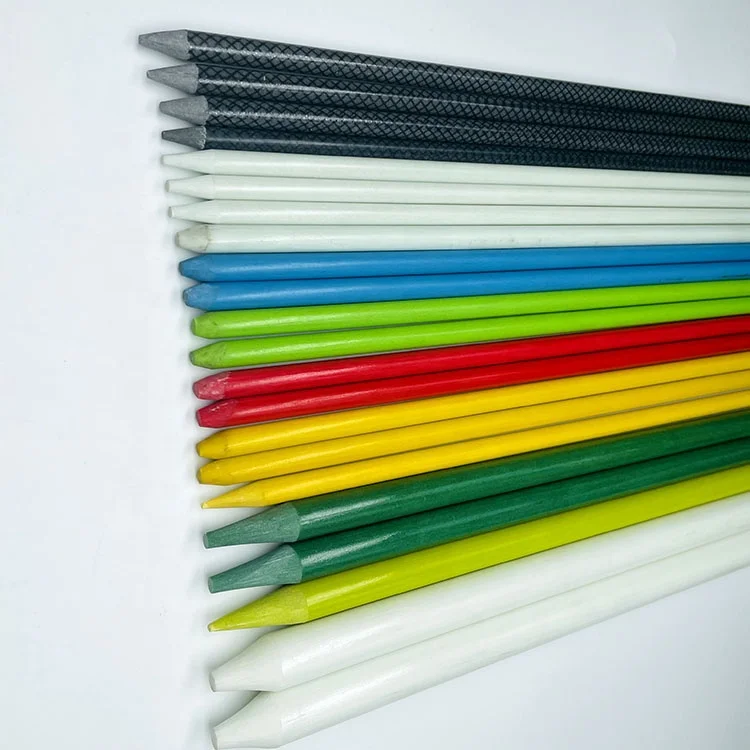
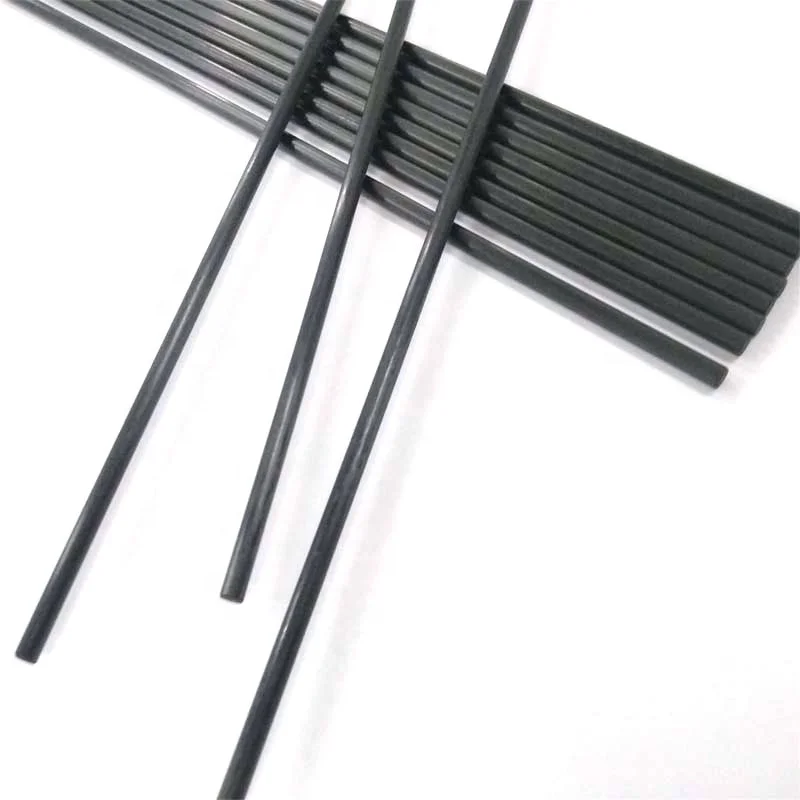
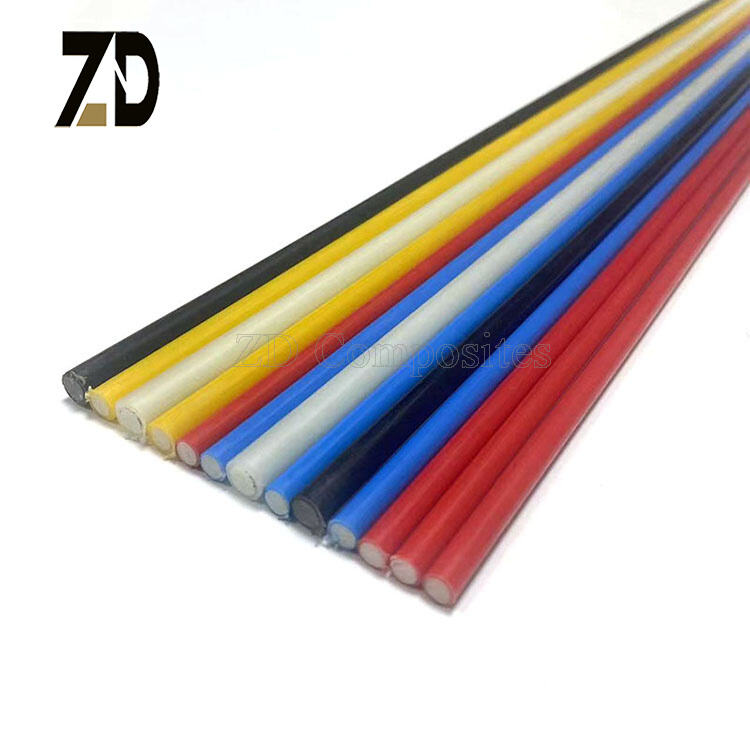
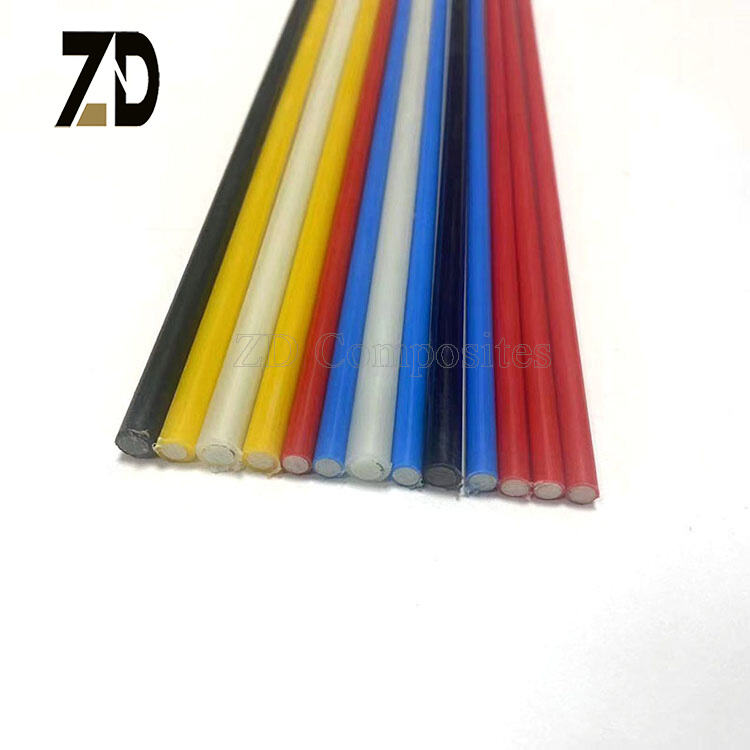
fiberglass rod for fence posts
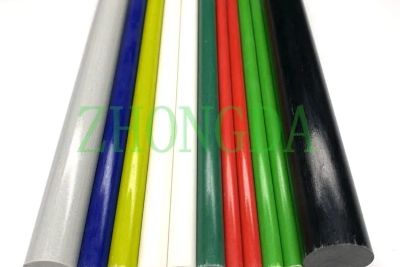
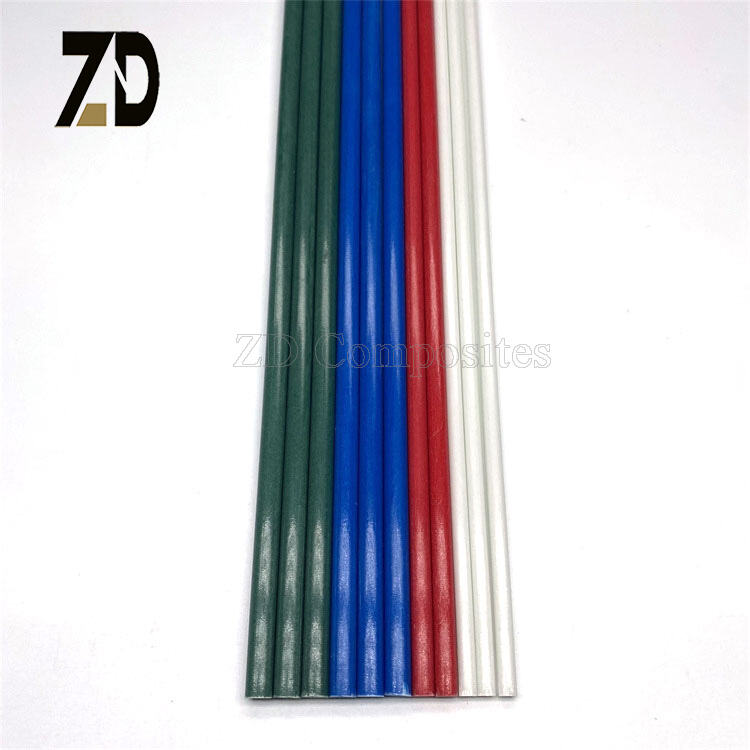
The fiberglass rod for fence posts represents a revolutionary advancement in modern fencing solutions, offering superior performance characteristics that surpass traditional materials in numerous applications. These innovative posts combine cutting-edge composite technology with practical engineering to deliver exceptional structural integrity and longevity. Manufactured through a sophisticated pultrusion process, fiberglass rod for fence posts utilizes continuous glass fiber reinforcement embedded within a resin matrix, creating a composite material that exhibits remarkable strength-to-weight ratios while maintaining flexibility under stress. The primary functions of fiberglass rod for fence posts include providing secure boundary marking, supporting various fencing materials such as mesh, wire, and panels, and withstanding environmental challenges that would compromise conventional wooden or metal alternatives. Technological features of these posts encompass non-conductive properties that eliminate electrical hazards, corrosion-resistant composition that prevents rust and decay, and UV-stabilized surfaces that resist degradation from prolonged sun exposure. The manufacturing process incorporates specialized additives that enhance dimensional stability, ensuring consistent performance across varying temperature ranges and moisture conditions. Applications for fiberglass rod for fence posts span agricultural operations, residential properties, commercial installations, and industrial facilities where chemical exposure or electrical safety concerns make traditional materials unsuitable. These posts excel in coastal environments where salt air accelerates metal corrosion, agricultural settings where chemical fertilizers and pesticides create harsh conditions, and locations requiring electromagnetic transparency for communication equipment. The lightweight nature of fiberglass rod for fence posts simplifies transportation and installation while maintaining structural capabilities equivalent to heavier alternatives, making them ideal for remote installations and projects requiring manual handling.
 ×
×

 EN
EN