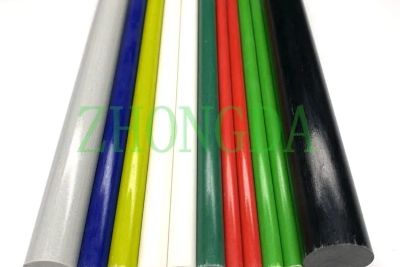
Premium Flexible Fibreglass Rods - Durable, Non-Conductive Installation Solutions

Get a Free Quote

Our representative will contact you soon.
Email
Name
Company Name
Message
0/1000

flexible fibreglass rods

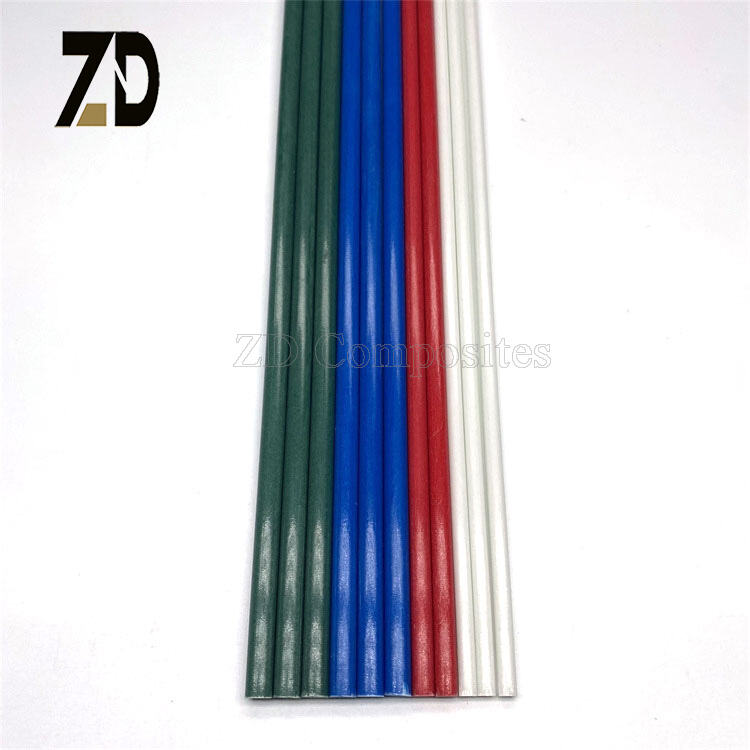
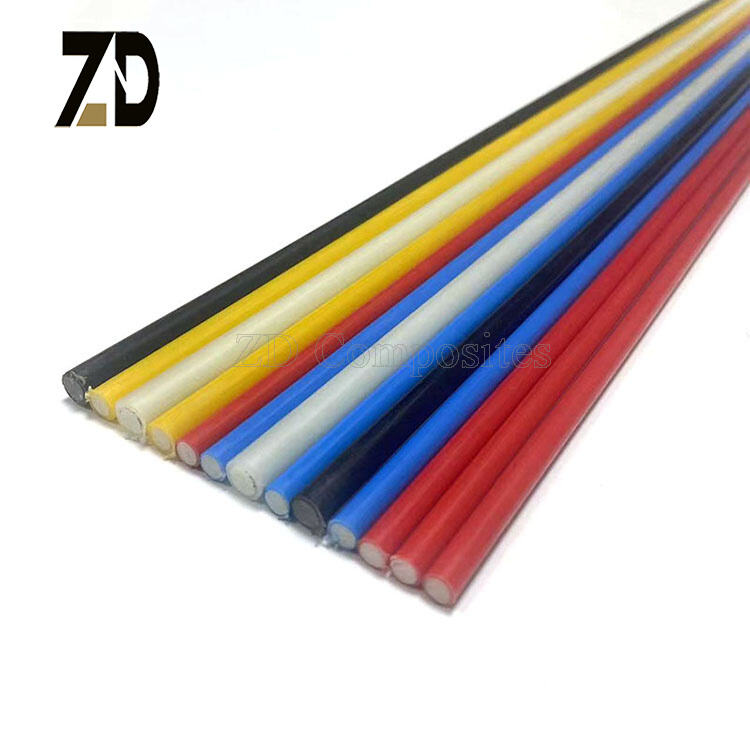
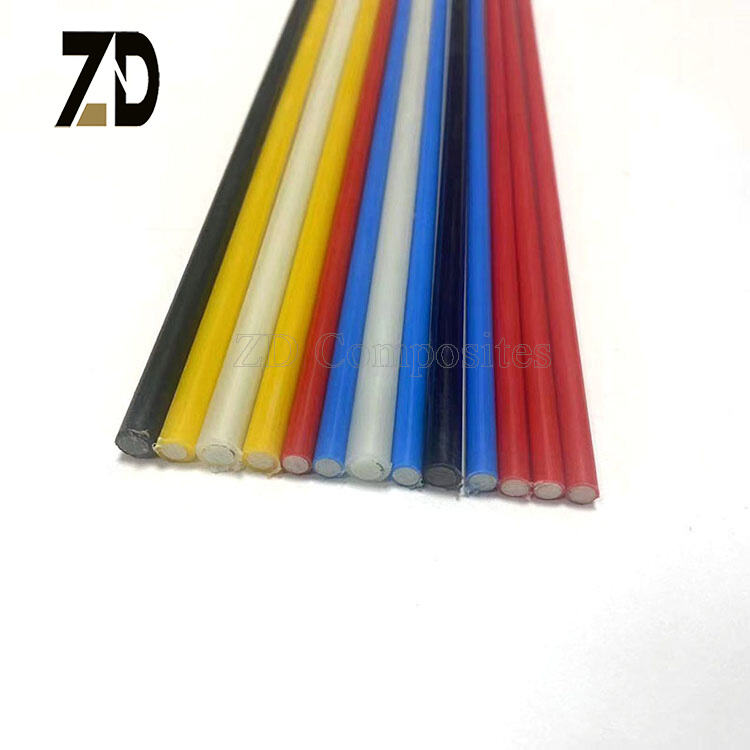
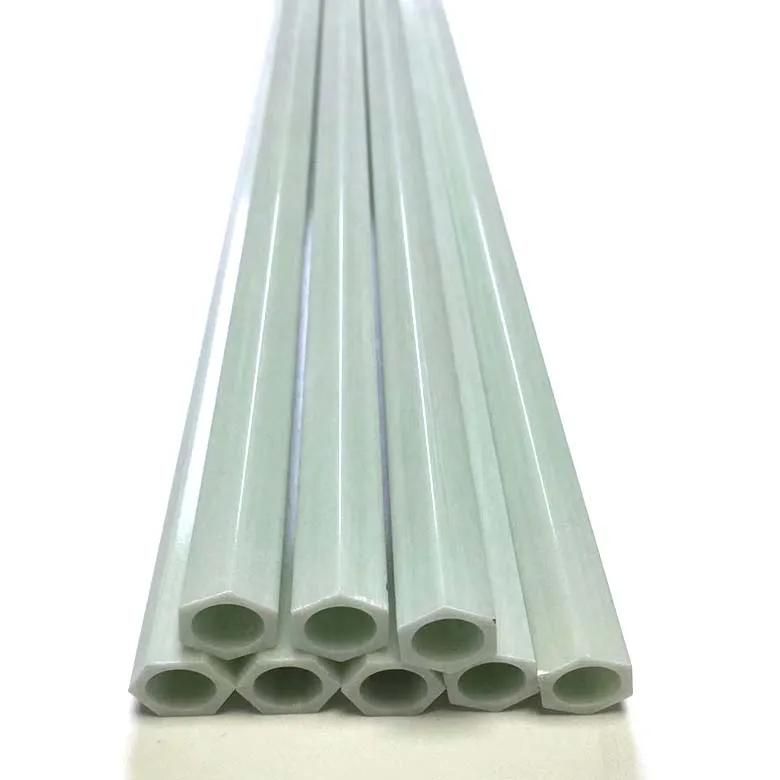
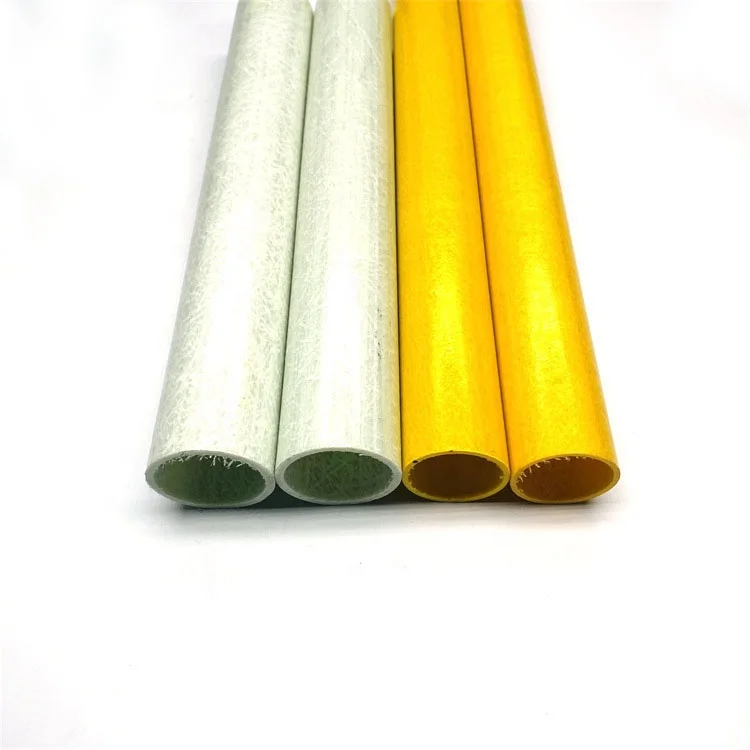
Flexible fibreglass rods represent a revolutionary advancement in composite material technology, offering unparalleled versatility and performance across numerous industrial applications. These innovative rods combine the inherent strength of glass fibres with advanced resin systems to create products that deliver exceptional flexibility without compromising structural integrity. The manufacturing process involves carefully selected continuous glass fibres that are impregnated with specialized polymer resins, creating a composite material that exhibits remarkable bend radius capabilities while maintaining tensile strength. The core technological feature of flexible fibreglass rods lies in their unique fibre orientation and resin formulation, which allows them to withstand repeated flexing cycles without fatigue failure. This characteristic makes them ideal for dynamic applications where traditional rigid materials would fail. The rods maintain their mechanical properties across a wide temperature range, typically from -40°C to +80°C, ensuring reliable performance in diverse environmental conditions. Their non-conductive nature provides excellent electrical insulation properties, making them suitable for electrical and telecommunications applications. The smooth surface finish and consistent diameter tolerances ensure easy installation and compatibility with various connection systems. Flexible fibreglass rods find extensive use in cable installation, duct cleaning, inspection tasks, and maintenance operations. Their lightweight nature reduces operator fatigue during extended use, while their chemical resistance ensures longevity in harsh environments. The rods are available in various diameters and lengths to accommodate specific application requirements, with some variants featuring specialized coatings for enhanced performance in specific conditions.

New Product Releases

Flexible fibreglass rods deliver significant advantages that make them superior to traditional materials in numerous applications. The primary benefit stems from their exceptional flexibility, allowing users to navigate complex pathways and tight spaces that would be impossible with rigid alternatives. This flexibility translates directly into increased efficiency and reduced installation time, as technicians can route cables and perform inspections through intricate ductwork without the need for multiple joints or specialized tools. The lightweight construction of flexible fibreglass rods reduces physical strain on operators, enabling longer work periods without fatigue. This ergonomic advantage becomes particularly important in overhead installations or confined spaces where every gram matters. Unlike steel alternatives, these rods will not rust, corrode, or degrade when exposed to moisture, chemicals, or UV radiation, ensuring consistent performance throughout their service life. The non-conductive properties provide inherent safety benefits, eliminating the risk of electrical shock when working near live circuits or power lines. This safety feature makes them indispensable for electrical contractors and telecommunications professionals. The smooth surface finish prevents damage to cables during installation, reducing the likelihood of costly repairs or replacements. Flexible fibreglass rods maintain their structural properties across extreme temperature ranges, performing reliably in both arctic conditions and high-temperature environments. Their chemical inertness means they resist degradation from acids, bases, solvents, and other aggressive substances commonly encountered in industrial settings. The dimensional stability ensures consistent performance, with minimal expansion or contraction due to temperature variations. Cost-effectiveness emerges as another significant advantage, as the durability and longevity of flexible fibreglass rods reduce replacement frequency and maintenance costs. The ability to bend without breaking eliminates the waste associated with damaged traditional rods, while their reusability across multiple projects maximizes return on investment. These rods require no special storage conditions and maintain their properties indefinitely when properly handled.

Practical Tips

How to Make a Carbon Fiber Box: Choosing the Right Prepreg, Resin & Mold

20

Oct

How to Make a Carbon Fiber Box: Choosing the Right Prepreg, Resin & Mold

View More
The advantages of fiberglass stakes

20

Oct

The advantages of fiberglass stakes

View More
Applications and advantages of carbon fiber materials in industry

27

Oct

Applications and advantages of carbon fiber materials in industry

View More

Get a Free Quote

Our representative will contact you soon.
Email
Name
Company Name
Message
0/1000

flexible fibreglass rods

Superior Durability and Weather Resistance

Superior Durability and Weather Resistance

The exceptional durability of flexible fibreglass rods sets them apart from conventional alternatives, offering unmatched resistance to environmental challenges that would quickly degrade other materials. These rods undergo extensive manufacturing processes that create a protective barrier against moisture infiltration, preventing the internal degradation that commonly affects organic materials. The glass fibre reinforcement provides mechanical strength that remains consistent even after thousands of flex cycles, making them ideal for applications requiring repeated bending and straightening. Weather resistance stands as a cornerstone feature, with the rods maintaining their mechanical properties despite exposure to extreme temperature fluctuations, intense UV radiation, and corrosive atmospheric conditions. Unlike metal rods that suffer from oxidation and rust, or wooden alternatives that rot and splinter, flexible fibreglass rods maintain their structural integrity across decades of service. The polymer matrix protects the glass fibres from environmental attack while providing flexibility that allows the rod to conform to complex installation paths. This weather resistance extends to chemical environments, where exposure to acids, bases, solvents, and industrial chemicals fails to compromise the rod's performance. The non-porous surface prevents moisture absorption, eliminating the swelling and dimensional changes that plague organic materials. Salt spray resistance makes these rods particularly valuable in marine environments, where traditional materials quickly succumb to corrosion. The UV stability ensures that outdoor installations maintain their properties without becoming brittle or discolored, even after years of direct sunlight exposure. This comprehensive environmental resistance translates into lower lifecycle costs, as replacement intervals extend significantly compared to traditional alternatives. The consistent performance across diverse conditions eliminates the need for different rod types for various environments, simplifying inventory management and reducing procurement costs.

Exceptional Flexibility and Bend Radius Performance

Exceptional Flexibility and Bend Radius Performance

The remarkable flexibility of flexible fibreglass rods represents a breakthrough in composite engineering, enabling navigation through complex pathways that would be impossible with traditional rigid materials. The specialized fibre architecture and resin system work in harmony to create a rod that can achieve extremely tight bend radii without structural failure or permanent deformation. This flexibility stems from carefully controlled fibre orientation during manufacturing, where the glass fibres are positioned to optimize bending performance while maintaining tensile strength. The minimum bend radius typically achieves values as low as 10 times the rod diameter, far exceeding the capabilities of metal or wooden alternatives. This exceptional flexibility proves invaluable when threading cables through existing ductwork, navigating around obstacles, or working in confined spaces where multiple direction changes are required. The elastic memory of flexible fibreglass rods ensures they return to their original straight configuration after bending, preventing the permanent kinks and deformation that plague other materials. Dynamic loading capabilities allow these rods to withstand repeated flexing without fatigue failure, making them suitable for applications where continuous movement occurs. The smooth bending action eliminates stress concentrations that could damage sensitive cables or equipment being installed. Temperature stability ensures that flexibility remains consistent across the entire operating range, preventing the brittleness that affects some materials in cold conditions or the softening that occurs in high-temperature environments. The controlled flexibility also provides tactile feedback to operators, allowing them to sense obstacles or resistance during installation procedures. This feedback capability enhances installation quality and reduces the risk of damage to existing infrastructure. The predictable bending behavior enables precise routing calculations and installation planning, improving project efficiency and reducing installation time.
Non-Conductive Safety and Electrical Insulation Properties

Non-Conductive Safety and Electrical Insulation Properties

The inherent non-conductive properties of flexible fibreglass rods provide critical safety advantages that make them indispensable for electrical and telecommunications applications. Unlike metal rods that conduct electricity and pose serious safety hazards when working near live circuits, flexible fibreglass rods offer complete electrical isolation, protecting operators from shock hazards and preventing accidental short circuits. The glass fibre reinforcement and polymer matrix both exhibit excellent dielectric properties, with breakdown voltages typically exceeding 15kV per millimeter of thickness. This electrical insulation capability remains stable across the entire operating temperature range and does not degrade with age or environmental exposure. The non-conductive nature eliminates the need for additional safety equipment or complex isolation procedures when working in electrical environments, streamlining installation processes and reducing project costs. Arc resistance ensures that even direct contact with electrical discharges will not create a conductive path, maintaining operator safety in high-risk environments. The dielectric strength surpasses many dedicated insulating materials while providing the mechanical properties needed for demanding applications. Electromagnetic neutrality means that flexible fibreglass rods do not interfere with sensitive electronic equipment or communication systems, making them ideal for installation in data centers, hospitals, and other critical facilities. The non-magnetic properties eliminate compass deviation and prevent interference with navigation equipment in marine and aerospace applications. Static electricity dissipation occurs safely without creating dangerous charge accumulations that could damage sensitive electronic components. The insulation properties remain consistent regardless of moisture content, unlike organic materials that lose insulating capability when wet. This moisture independence ensures reliable safety performance in humid environments or underwater applications. The combination of electrical safety and mechanical performance eliminates the need for multiple specialized tools, as a single flexible fibreglass rod can safely handle both electrical and mechanical installation requirements.

Get a Free Quote

Our representative will contact you soon.
Email
Name
Company Name
Message
0/1000