Versatile Applications and Easy Installation
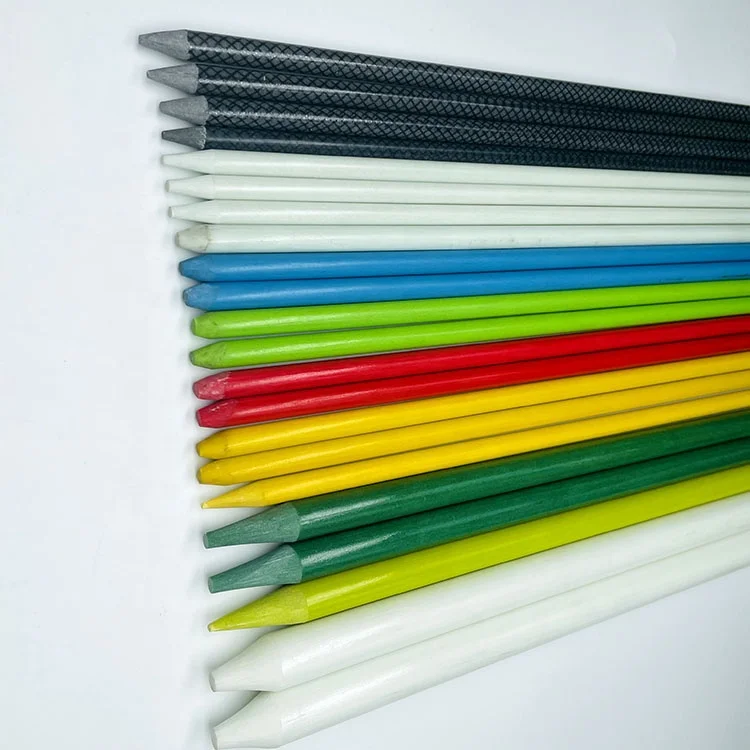
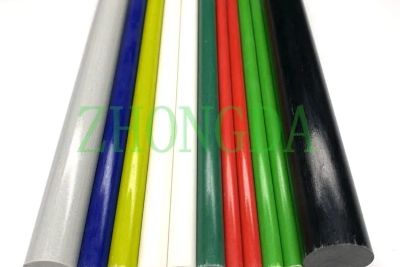
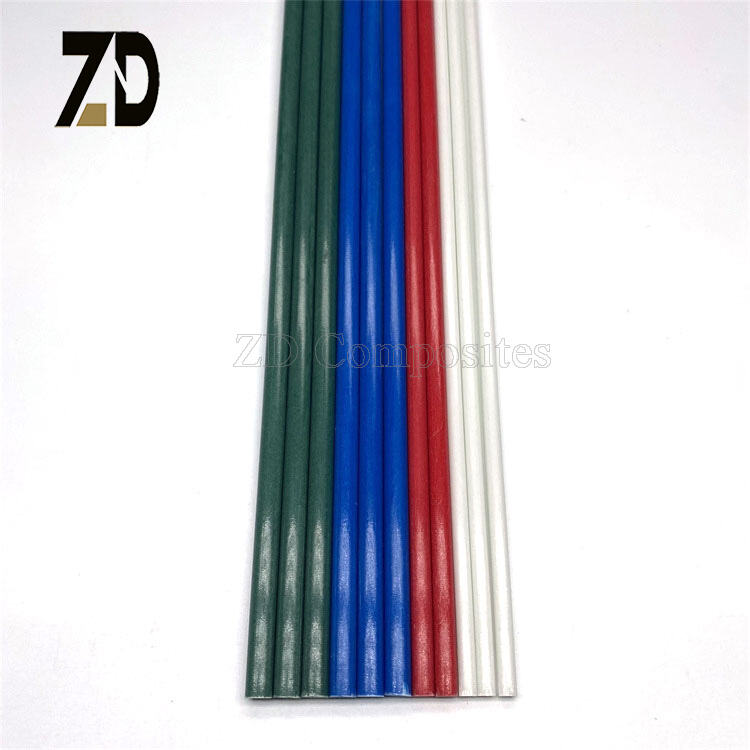
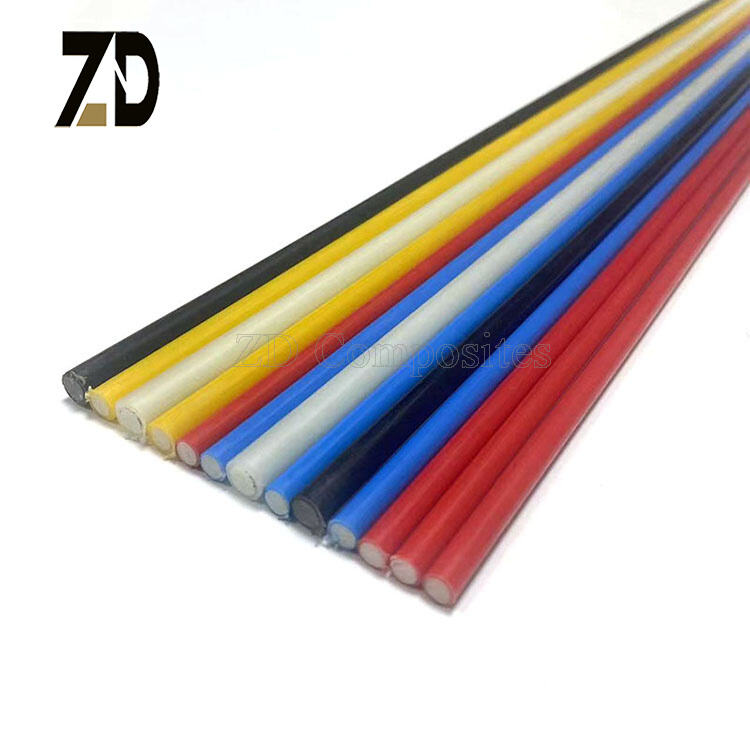
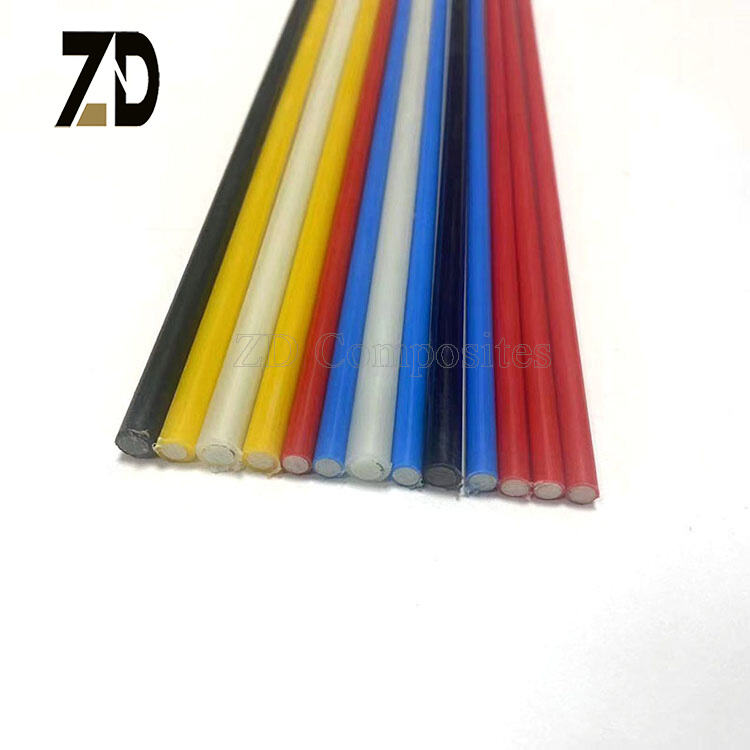
The remarkable versatility of fiber glass rod makes it an ideal solution across an extensive range of applications, from construction and infrastructure to specialized industrial uses, while offering installation advantages that significantly reduce project complexity and costs. This versatility stems from the ability to customize fiber glass rod properties during manufacturing to meet specific application requirements, including diameter variations, length specifications, surface textures, and mechanical property optimization. In construction applications, fiber glass rod serves as concrete reinforcement that never corrodes, making it perfect for marine structures, bridge decks, parking garages, and any concrete element exposed to deicing salts or aggressive environments. The electrical industry utilizes fiber glass rod for insulator supports, guy wire anchors, and electrical equipment mounting due to its non-conductive properties and dimensional stability. Telecommunications infrastructure benefits from fiber glass rod components that provide structural support without interfering with signal transmission or creating grounding issues. The manufacturing sector employs fiber glass rod in tooling, fixtures, and specialized machinery where lightweight strength and corrosion resistance are essential. Installation procedures for fiber glass rod are significantly simpler than traditional materials, requiring only standard construction tools and techniques. The rods can be cut to length using conventional saws, drilled for connections using standard bits, and shaped using common metalworking equipment. No specialized welding, heat treatment, or surface preparation is required, reducing installation time and labor costs while eliminating the need for certified welders or specialized equipment. The lightweight characteristics allow single workers to handle lengths that would require teams for steel installation, improving productivity and reducing safety risks associated with heavy lifting operations. Field splicing of fiber glass rod can be accomplished using mechanical connectors or adhesive bonding techniques that create joints stronger than the base material. The installation flexibility extends to challenging access situations where traditional materials would be impractical due to weight or handling constraints. Quality control during installation is simplified because fiber glass rod does not require protective coatings, primer applications, or surface treatments that could be overlooked or improperly applied. The immediate load-carrying capacity after installation eliminates curing times or waiting periods required with other materials, allowing construction schedules to proceed without delays.
 ×
×

 EN
EN