FRP Pultrusion Profile: Advanced Composite Solutions for Superior Structural Performance

Get a Free Quote

Our representative will contact you soon.
Email
Name
Company Name
Message
0/1000

frp pultrusion profile

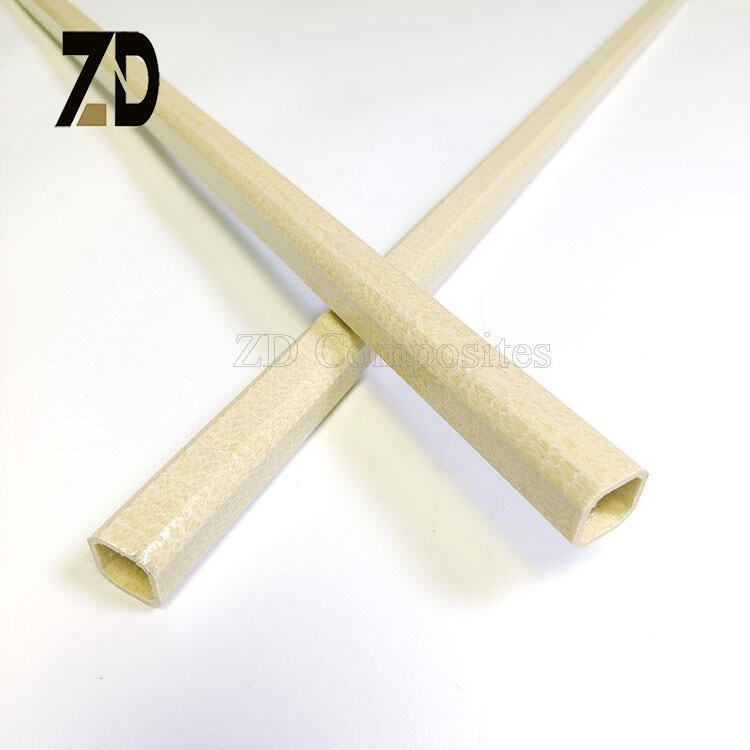
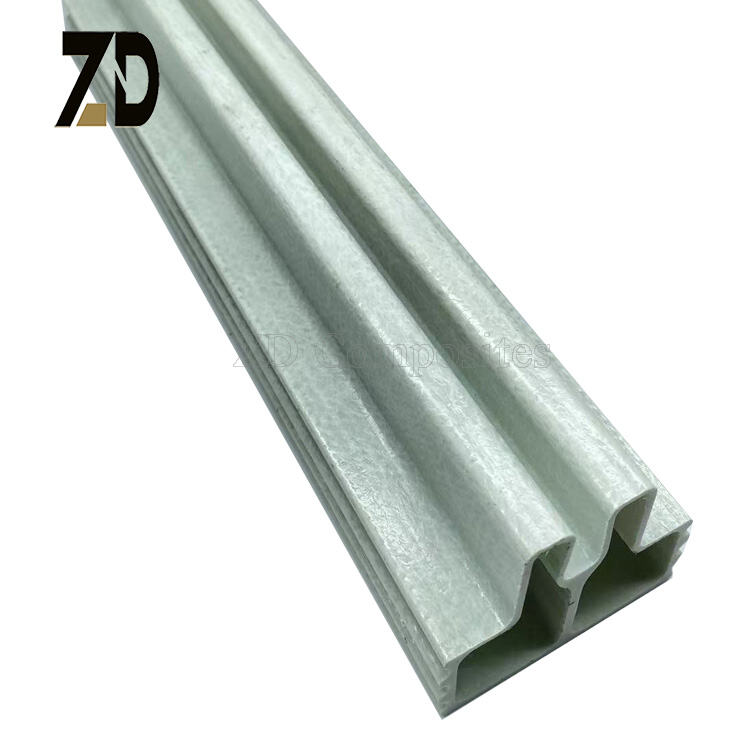
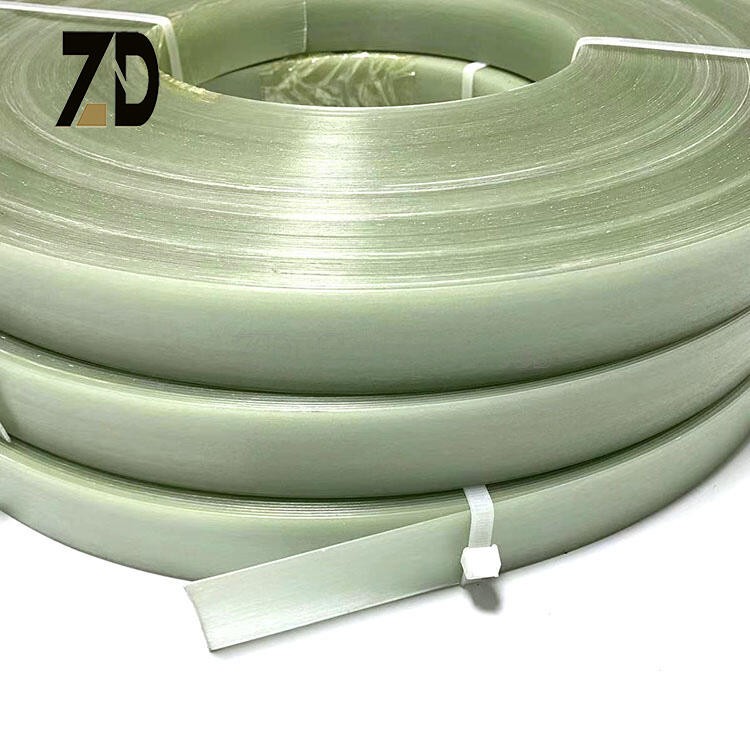
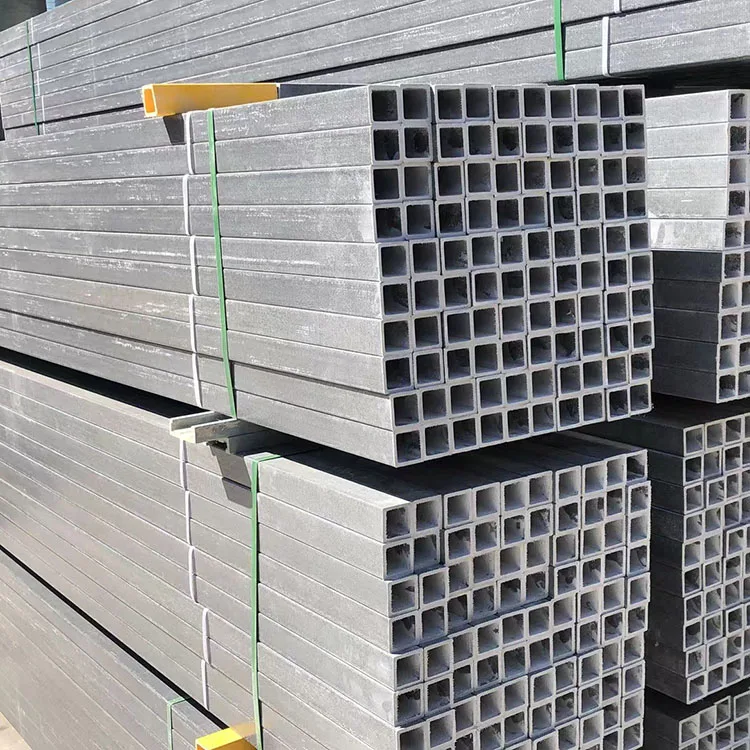
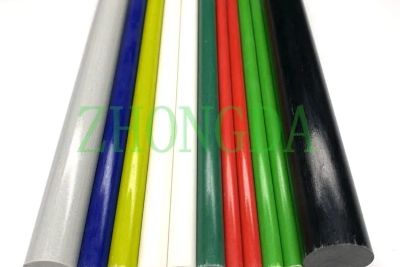
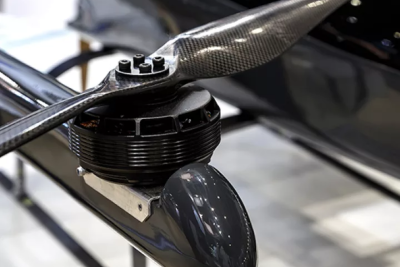
FRP pultrusion profile represents a revolutionary advancement in composite material technology, offering exceptional structural solutions across diverse industrial applications. This innovative manufacturing process combines continuous fiber reinforcement with thermosetting resin systems to create profiles with consistent cross-sectional properties and superior mechanical performance. The pultrusion method involves pulling continuous fibers through a heated die, where they are impregnated with resin and cured into the desired shape, resulting in products that exhibit remarkable strength-to-weight ratios and dimensional stability. The main functions of FRP pultrusion profile encompass structural support, corrosion resistance, electrical insulation, and thermal management in challenging environments where traditional materials fail to deliver optimal performance. Technological features include precise dimensional control, uniform fiber distribution, excellent surface finish, and the ability to incorporate various fiber types such as glass, carbon, or aramid depending on specific application requirements. The continuous production process ensures consistent quality throughout the entire length of the profile, eliminating weak points commonly found in traditional manufacturing methods. Applications span across construction, infrastructure, transportation, marine, electrical, and chemical processing industries. In construction, these profiles serve as structural beams, columns, and decking systems for bridges, buildings, and platforms. The marine industry utilizes FRP pultrusion profile for boat hulls, dock structures, and offshore platforms due to their excellent resistance to saltwater corrosion. Transportation applications include rail car components, truck bodies, and automotive parts where weight reduction and durability are critical factors. The electrical industry benefits from the inherent insulating properties of FRP pultrusion profile in power transmission towers, switchgear housings, and cable trays. Chemical processing facilities rely on these profiles for piping systems, walkways, and structural supports in corrosive environments where metal alternatives would rapidly deteriorate.

New Product Releases

FRP pultrusion profile delivers exceptional advantages that transform how industries approach structural challenges, providing solutions that outperform traditional materials in numerous critical areas. The lightweight nature of FRP pultrusion profile significantly reduces transportation costs, installation time, and structural load requirements while maintaining superior strength characteristics that often exceed steel performance in specific applications. This weight advantage translates directly into cost savings throughout the entire project lifecycle, from initial transportation to final installation and long-term maintenance requirements. Corrosion resistance stands as perhaps the most compelling advantage, as FRP pultrusion profile maintains structural integrity in harsh chemical environments, saltwater exposure, and extreme weather conditions without requiring protective coatings or regular maintenance interventions that burden metal alternatives. This inherent resistance eliminates the recurring costs associated with painting, galvanizing, or replacing corroded components, providing substantial economic benefits over the product's extended service life. The dimensional stability of FRP pultrusion profile ensures consistent performance across temperature variations and humidity changes, preventing warping, shrinking, or expanding that commonly affects other materials and compromises structural integrity. Electrical insulation properties make FRP pultrusion profile invaluable in power generation, transmission, and distribution applications where safety and reliability are paramount concerns. Unlike conductive materials that pose electrical hazards, these profiles provide inherent safety barriers while maintaining structural functionality. The design flexibility offered by FRP pultrusion profile enables custom cross-sections, integrated features, and complex geometries that would be impossible or extremely expensive to achieve with traditional manufacturing methods. This adaptability allows engineers to optimize designs for specific load requirements, environmental conditions, and installation constraints while maintaining consistent quality standards. Fire retardant formulations available in FRP pultrusion profile meet stringent safety requirements for transportation, construction, and industrial applications where flame spread and smoke generation must be minimized. The non-magnetic properties eliminate interference with sensitive electronic equipment and navigation systems, making these profiles ideal for aerospace, defense, and telecommunications applications. Manufacturing efficiency improvements result from the continuous pultrusion process, which produces consistent quality products with minimal waste and reduced labor requirements compared to traditional fabrication methods.

Tips And Tricks

How to Make a Carbon Fiber Box: Choosing the Right Prepreg, Resin & Mold

20

Oct

How to Make a Carbon Fiber Box: Choosing the Right Prepreg, Resin & Mold

View More
The advantages of fiberglass stakes

20

Oct

The advantages of fiberglass stakes

View More
Applications and advantages of carbon fiber materials in industry

27

Oct

Applications and advantages of carbon fiber materials in industry

View More

Get a Free Quote

Our representative will contact you soon.
Email
Name
Company Name
Message
0/1000

frp pultrusion profile

Superior Corrosion Resistance and Longevity

Superior Corrosion Resistance and Longevity

The exceptional corrosion resistance of FRP pultrusion profile represents a fundamental paradigm shift in material selection for demanding environments where traditional materials struggle to maintain structural integrity and performance standards. This remarkable characteristic stems from the inherent properties of the fiber-reinforced polymer matrix, which creates an impermeable barrier against aggressive chemicals, saltwater, acids, alkalis, and other corrosive substances that rapidly degrade metal and concrete alternatives. Unlike steel or aluminum that require protective coatings, galvanizing, or anodizing treatments that eventually fail and require costly reapplication, FRP pultrusion profile maintains its protective properties throughout its entire service life without additional surface treatments or maintenance interventions. The molecular structure of the resin system creates a non-reactive interface with most chemical compounds, preventing electrochemical reactions that cause pitting, crevice corrosion, and stress corrosion cracking in metallic materials. This resistance extends to extreme pH conditions, making FRP pultrusion profile ideal for chemical processing facilities, wastewater treatment plants, and industrial environments where exposure to aggressive chemicals is constant and unavoidable. Marine applications particularly benefit from this corrosion resistance, as saltwater environments that destroy steel infrastructure within years have minimal impact on properly formulated FRP pultrusion profile systems. The elimination of corrosion-related maintenance translates into substantial cost savings over the product lifecycle, as facility owners avoid recurring expenses for surface preparation, coating application, component replacement, and associated downtime that impacts operational efficiency. Environmental sustainability improves significantly when corrosion resistance eliminates the need for toxic protective coatings and reduces the frequency of component replacement, thereby minimizing waste generation and resource consumption. The predictable performance characteristics of FRP pultrusion profile in corrosive environments enable more accurate lifecycle cost analysis and budgeting, as maintenance schedules become more predictable and less frequent compared to traditional materials that deteriorate unpredictably based on environmental exposure severity.
Exceptional Strength-to-Weight Performance

Exceptional Strength-to-Weight Performance

The outstanding strength-to-weight ratio achieved by FRP pultrusion profile revolutionizes structural design possibilities, enabling engineers to create lighter, stronger, and more efficient structures that were previously impossible or economically unfeasible with conventional materials. This superior performance characteristic results from the strategic orientation of continuous fibers within the polymer matrix, creating directional strength properties that can be optimized for specific load conditions and stress patterns. The pultrusion manufacturing process ensures optimal fiber alignment parallel to the profile length, maximizing tensile and flexural strength in the primary load-bearing direction while maintaining adequate transverse properties for structural stability and load distribution. Compared to steel with similar structural capacity, FRP pultrusion profile typically weighs 75-80 percent less while providing equivalent or superior performance in many applications, dramatically reducing foundation requirements, transportation costs, and installation complexity. This weight advantage becomes particularly valuable in applications where structural dead load must be minimized, such as bridge deck systems, building floor systems, and offshore platforms where every pound of weight reduction translates into significant cost savings and improved structural efficiency. The high strength characteristics enable longer spans between supports, reducing the number of columns, beams, and connections required for a given structure, which simplifies construction and reduces overall project costs. Installation efficiency improves dramatically when lightweight FRP pultrusion profile components can be handled by smaller crews using less expensive equipment, reducing crane requirements and enabling construction in areas with limited access or weight restrictions. The predictable mechanical properties of FRP pultrusion profile enable precise structural calculations and optimized designs that utilize material properties more efficiently than traditional approaches that must account for material variability and degradation over time. Fatigue resistance superior to many metals ensures consistent performance under cyclic loading conditions, making FRP pultrusion profile ideal for applications subject to repeated stress cycles such as pedestrian bridges, equipment platforms, and transportation infrastructure where long-term reliability is essential for public safety and operational efficiency.
Design Flexibility and Manufacturing Precision

Design Flexibility and Manufacturing Precision

The remarkable design flexibility and manufacturing precision offered by FRP pultrusion profile technology empowers engineers and designers to create innovative solutions that perfectly match specific application requirements while maintaining consistent quality standards throughout production. The pultrusion process accommodates complex cross-sectional geometries, integrated features, and custom configurations that would be impossible or prohibitively expensive to achieve through traditional manufacturing methods such as rolling, extrusion, or machining. This flexibility extends to incorporating multiple fiber types within a single profile, enabling tailored mechanical properties that optimize performance for specific load conditions, environmental requirements, and cost constraints. Engineers can specify glass fibers for cost-effective general applications, carbon fibers for maximum strength and stiffness, or aramid fibers for impact resistance and toughness, creating hybrid configurations that deliver precisely the characteristics needed for each unique application. The continuous manufacturing process ensures dimensional consistency and uniformity throughout the entire profile length, eliminating the variations and weak points commonly associated with welded, bolted, or bonded assemblies. Tolerances achievable through pultrusion rival those of precision machining operations while maintaining the efficiency and cost-effectiveness of continuous production methods. Surface textures can be precisely controlled during manufacturing, eliminating secondary finishing operations and ensuring optimal adhesion for paints, coatings, or bonding applications. The ability to incorporate functional features directly into the profile design, such as mounting bosses, cable channels, drainage systems, or attachment points, reduces assembly time and improves structural integrity by eliminating mechanical fasteners and joints that represent potential failure points. Color can be integrated throughout the material thickness during manufacturing, providing UV-stable, fade-resistant appearance that eliminates painting requirements and reduces long-term maintenance costs. The scalability of pultrusion manufacturing enables economical production of both small specialty profiles and large structural sections, providing design freedom across the entire range of engineering applications from delicate instrumentation housings to massive infrastructure components. Quality control systems integrated into the pultrusion process monitor fiber content, resin cure, dimensional accuracy, and surface finish continuously, ensuring consistent properties that enable reliable structural calculations and predictable long-term performance in critical applications.

Get a Free Quote

Our representative will contact you soon.
Email
Name
Company Name
Message
0/1000