High-Performance Fiber Glass Profile Solutions: Lightweight, Corrosion-Resistant Structural Components for Modern Construction

Get a Free Quote

Our representative will contact you soon.
Email
Name
Company Name
Message
0/1000

fiber glass profile

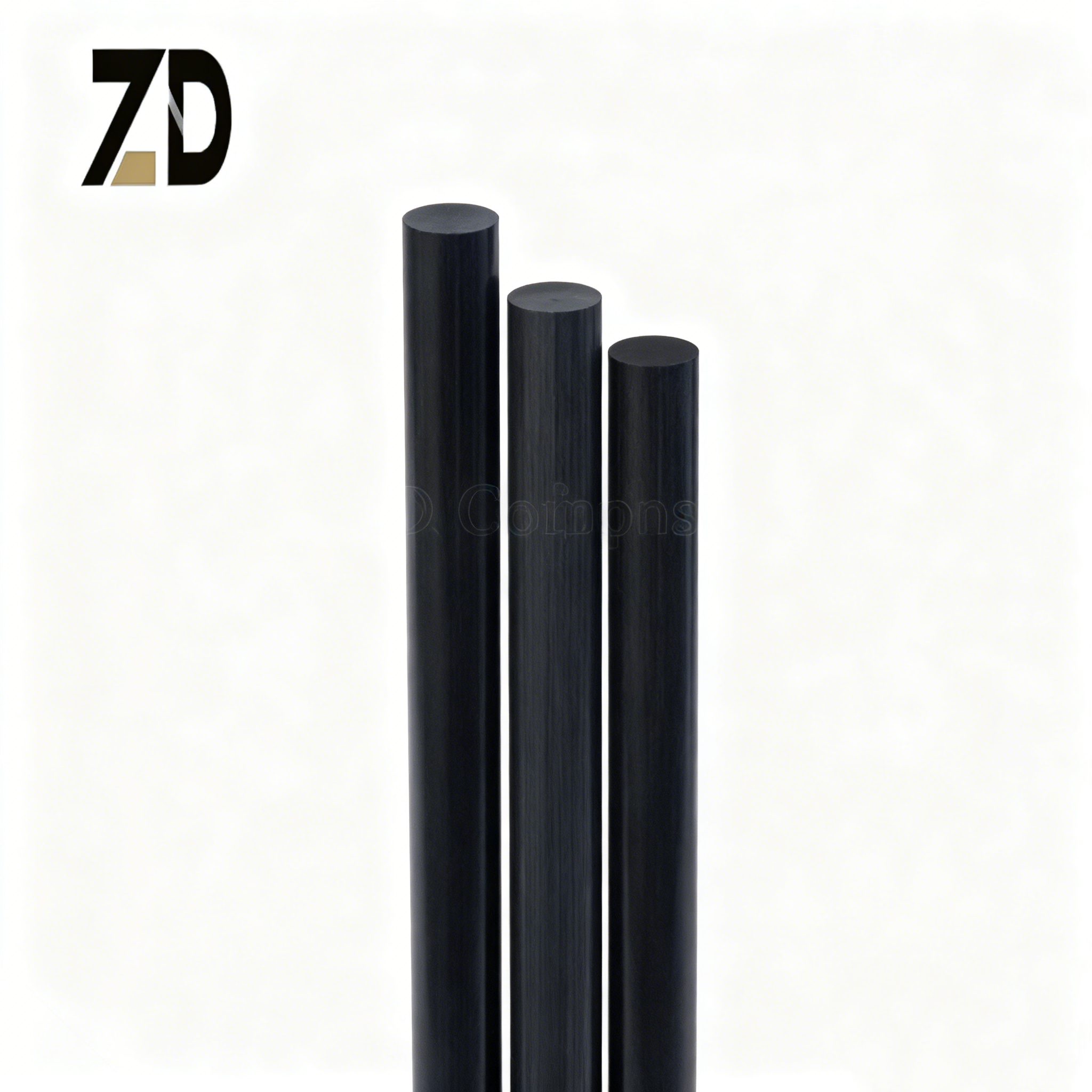
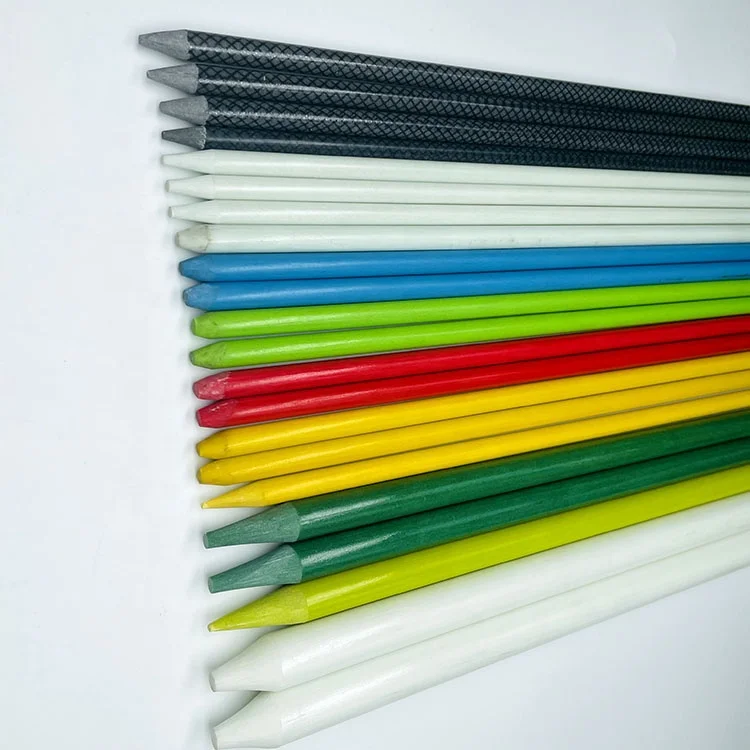
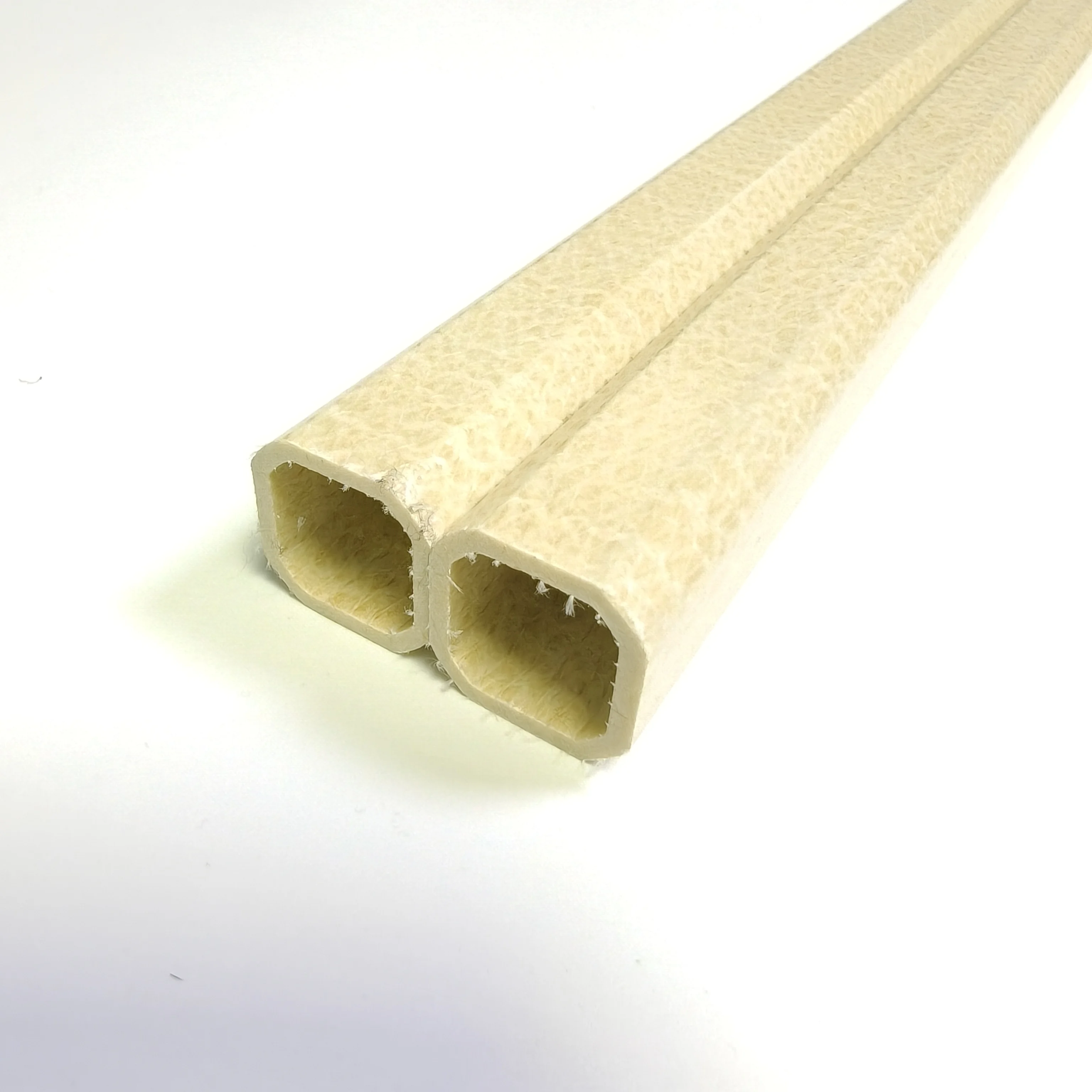
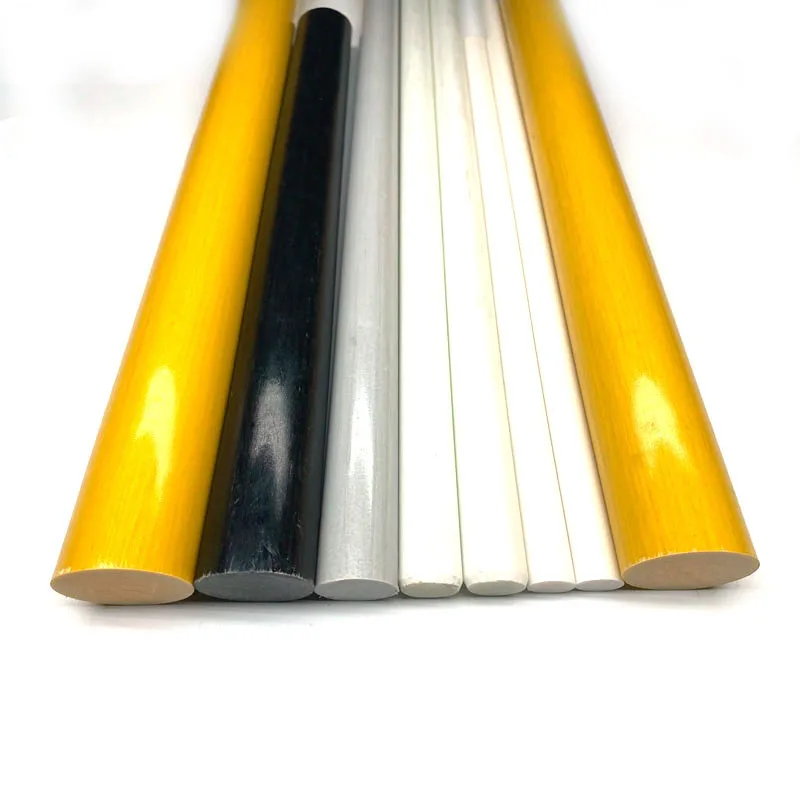
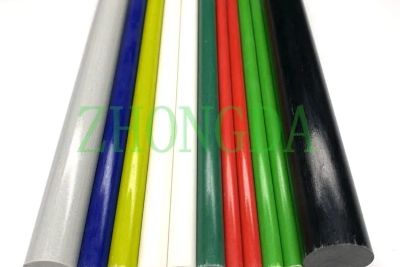
A fiber glass profile represents an advanced structural component manufactured through the pultrusion process, combining glass fiber reinforcement with polymer resin matrices to create versatile building elements. This innovative material solution transforms traditional construction approaches by offering lightweight yet robust alternatives to conventional materials like steel, aluminum, and wood. The fiber glass profile manufacturing process involves pulling continuous glass fiber strands through a heated die filled with thermosetting resin, creating consistent cross-sectional shapes with exceptional dimensional accuracy. These profiles maintain uniform properties throughout their length, ensuring reliable performance in demanding applications. The technological foundation of fiber glass profile construction relies on the synergistic relationship between glass fibers and resin systems, where fibers provide tensile strength while the resin matrix transfers loads between fibers and protects against environmental factors. Modern fiber glass profile production incorporates various glass fiber types, including E-glass, S-glass, and specialized formulations optimized for specific performance requirements. The resin systems commonly include polyester, vinyl ester, and epoxy formulations, each selected based on the intended application environment and performance criteria. Manufacturing precision allows for complex geometries, including hollow sections, I-beams, angles, channels, and custom shapes tailored to specific project requirements. Quality control measures during fiber glass profile production ensure consistent mechanical properties, dimensional tolerance, and surface finish quality. The versatility of fiber glass profile applications spans multiple industries, from construction and infrastructure to marine, chemical processing, and transportation sectors. These profiles excel in corrosive environments where traditional materials fail, making them ideal for wastewater treatment facilities, chemical plants, coastal structures, and marine applications. The inherent properties of fiber glass profile materials include excellent corrosion resistance, high strength-to-weight ratios, electrical insulation capabilities, and thermal stability across wide temperature ranges.

Popular Products

The fiber glass profile offers significant advantages that make it an superior choice for modern construction and industrial applications. Weight reduction stands as one of the most compelling benefits, with fiber glass profile components weighing approximately 75% less than equivalent steel structures while maintaining comparable strength characteristics. This dramatic weight reduction translates directly into reduced transportation costs, simplified installation procedures, and decreased foundation requirements for structural applications. The corrosion resistance of fiber glass profile materials eliminates the need for ongoing maintenance treatments, protective coatings, and regular replacement schedules associated with metal alternatives. Unlike steel or aluminum, fiber glass profile components will not rust, corrode, or deteriorate when exposed to moisture, chemicals, salt water, or aggressive industrial environments. This resistance extends the service life significantly, often exceeding 50 years without substantial degradation. The electrical properties of fiber glass profile materials provide excellent insulation characteristics, making them ideal for applications near power lines, electrical equipment, or electromagnetic sensitive environments. This non-conductive nature eliminates concerns about electrical grounding, lightning strike damage, or electromagnetic interference that plague metal structures. Thermal properties of fiber glass profile components include low thermal conductivity, reducing heat transfer and improving energy efficiency in building applications. The material maintains dimensional stability across temperature variations, preventing the expansion and contraction cycles that stress traditional materials. Installation advantages include the ability to cut, drill, and machine fiber glass profile components using standard tools without specialized equipment or safety precautions required for metal cutting. The lightweight nature allows smaller crews to handle larger components, reducing labor costs and installation time. Design flexibility enables custom fiber glass profile shapes and sizes to meet specific project requirements without the tooling costs associated with metal extrusions. The smooth surface finish of fiber glass profile components resists dirt accumulation and facilitates easy cleaning, maintaining aesthetic appearance with minimal maintenance. Environmental benefits include the recyclable nature of fiber glass profile materials and their contribution to sustainable construction practices through extended service life and reduced replacement frequency.

Practical Tips

How to Make a Carbon Fiber Box: Choosing the Right Prepreg, Resin & Mold

20

Oct

How to Make a Carbon Fiber Box: Choosing the Right Prepreg, Resin & Mold

View More
The advantages of fiberglass stakes

20

Oct

The advantages of fiberglass stakes

View More
Applications and advantages of carbon fiber materials in industry

27

Oct

Applications and advantages of carbon fiber materials in industry

View More

Get a Free Quote

Our representative will contact you soon.
Email
Name
Company Name
Message
0/1000

fiber glass profile

Exceptional Corrosion Resistance for Long-Term Durability

Exceptional Corrosion Resistance for Long-Term Durability

The outstanding corrosion resistance of fiber glass profile components sets them apart from traditional materials in demanding environments where chemical exposure, moisture, and aggressive atmospheric conditions threaten structural integrity. Unlike metallic alternatives that require protective coatings, galvanization, or regular maintenance to prevent degradation, fiber glass profile materials inherently resist corrosion at the molecular level. The polymer matrix surrounding the glass fibers creates an impermeable barrier that prevents moisture infiltration and chemical attack, ensuring consistent performance throughout the material's service life. This resistance extends to a wide range of corrosive agents, including acids, bases, salts, organic solvents, and industrial chemicals commonly encountered in processing facilities, marine environments, and wastewater treatment plants. The fiber glass profile construction eliminates galvanic corrosion concerns when different materials come into contact, a common problem with mixed-metal installations. Field testing demonstrates that fiber glass profile components maintain their structural properties and appearance even after decades of exposure to harsh conditions that would severely compromise steel or aluminum structures. The economic implications of this corrosion resistance are substantial, as facility owners can eliminate recurring costs associated with protective coating renewal, rust treatment, and premature component replacement. Maintenance schedules can focus on operational efficiency rather than material preservation, reducing downtime and associated productivity losses. In coastal applications where salt spray accelerates metal corrosion, fiber glass profile structures continue performing reliably without the protective barriers required for traditional materials. Chemical processing industries benefit particularly from this corrosion resistance, as fiber glass profile components can be installed in direct contact with process streams without fear of contamination or structural failure. The long-term cost of ownership for fiber glass profile installations often proves significantly lower than alternatives when maintenance, replacement, and operational disruption costs are considered over the full service life.
Superior Strength-to-Weight Ratio for Efficient Construction

Superior Strength-to-Weight Ratio for Efficient Construction

The exceptional strength-to-weight ratio of fiber glass profile materials revolutionizes structural design approaches by delivering high load-bearing capacity while minimizing dead weight impacts on supporting structures and foundations. This fundamental advantage stems from the fiber glass profile construction methodology, where continuous glass fiber reinforcement provides tensile strength exceeding many steel grades while the overall component weight remains substantially lower. Engineering calculations demonstrate that fiber glass profile beams can support equivalent loads to steel beams while weighing only 25% as much, fundamentally changing structural design parameters and opening new possibilities for architectural applications. The reduced weight translates immediately into simplified transportation logistics, allowing larger components to be shipped efficiently and reducing freight costs significantly. Installation crews can handle fiber glass profile components manually in many cases where steel alternatives would require heavy lifting equipment, reducing project costs and accelerating construction schedules. Foundation design benefits enormously from the reduced dead loads, often allowing smaller footings, reduced concrete requirements, and simplified foundation systems that lower overall project costs. In retrofit applications, the lightweight nature of fiber glass profile components enables structural upgrades without exceeding existing foundation capacities or requiring costly reinforcement work. The high strength characteristics ensure that fiber glass profile structures meet or exceed building code requirements while providing safety factors comparable to traditional materials. Seismic performance improves due to the reduced mass of fiber glass profile structures, generating lower inertial forces during ground motion and reducing seismic design requirements. Wind loading calculations also benefit from the lightweight nature, as fiber glass profile structures present less mass for wind forces to act upon while maintaining the structural stiffness necessary to resist wind-induced deflections. Manufacturing precision ensures consistent strength properties throughout each fiber glass profile component, eliminating the variability concerns associated with rolled steel sections or cast materials.
Outstanding Design Flexibility and Customization Capabilities

Outstanding Design Flexibility and Customization Capabilities

The remarkable design flexibility of fiber glass profile systems enables architects and engineers to create innovative solutions tailored precisely to project requirements without the constraints imposed by standard rolled sections or extruded shapes. The pultrusion manufacturing process allows fiber glass profile components to be produced in virtually unlimited custom cross-sections, accommodating complex geometries, integrated mounting features, and application-specific details that would be impossible or prohibitively expensive with traditional materials. This customization capability extends beyond simple shape variations to include engineered properties optimization, where fiber orientation, resin selection, and reinforcement patterns can be tailored to match specific loading conditions and performance requirements. Color integration during the fiber glass profile manufacturing process eliminates the need for field painting or coating application, ensuring consistent appearance and eliminating maintenance associated with surface treatments. The inherent moldability of fiber glass profile materials enables the integration of mounting brackets, connection details, cable management features, and other functional elements directly into the structural components, reducing assembly complexity and improving system reliability. Complex curved sections and transitions can be manufactured as single fiber glass profile pieces, eliminating field joints and potential failure points while simplifying installation procedures. The design freedom extends to surface textures and finishes, allowing fiber glass profile components to complement architectural themes while maintaining structural functionality. Unlike steel or aluminum sections that require secondary operations for modifications, fiber glass profile components can incorporate precise tolerances, integrated fastening systems, and application-specific features during the initial manufacturing process. This eliminates field modification requirements and ensures dimensional accuracy critical for modern construction practices. Multi-functional designs become possible with fiber glass profile systems, where single components can serve structural, aesthetic, and utility distribution functions simultaneously. The manufacturing flexibility allows rapid prototyping and design iteration, enabling designers to optimize fiber glass profile solutions for specific applications without the tooling costs and lead times associated with metal alternatives. Standard product lines can be easily modified or enhanced to meet evolving project requirements, providing responsive solutions for dynamic construction environments.

Get a Free Quote

Our representative will contact you soon.
Email
Name
Company Name
Message
0/1000