pultruded fiberglass profiles
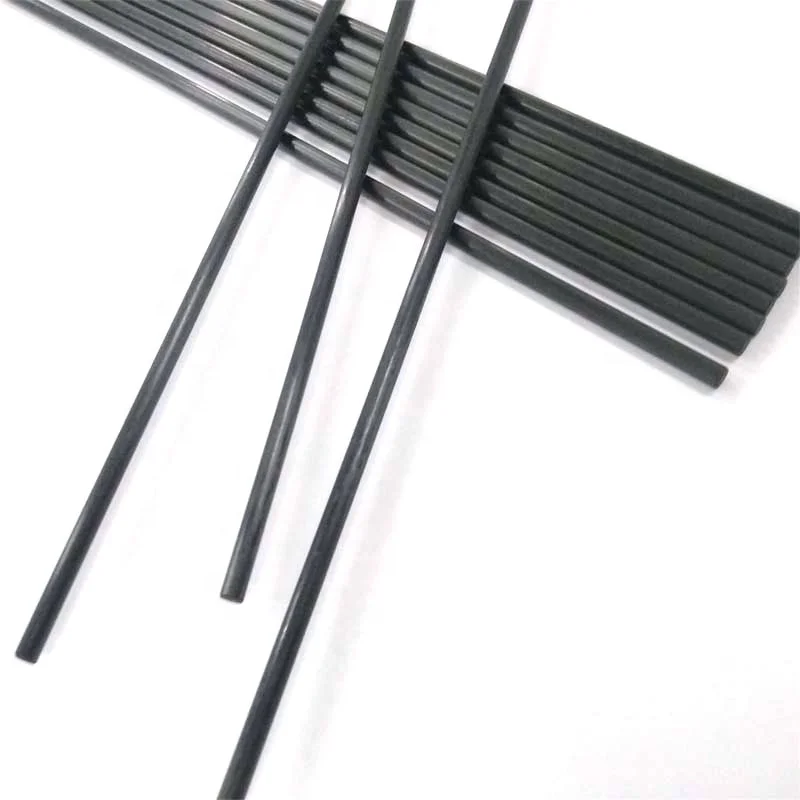
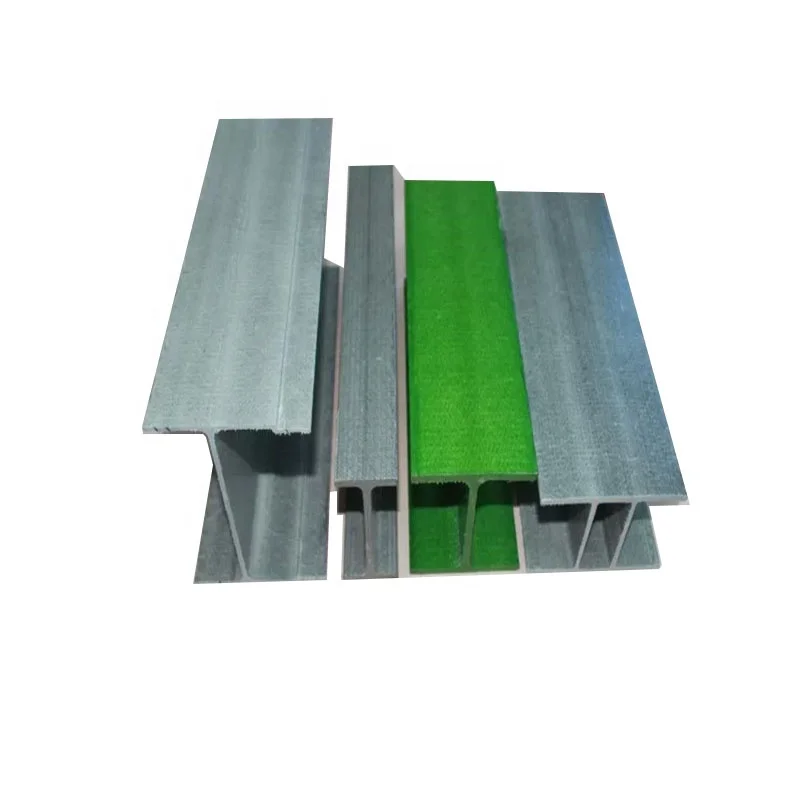
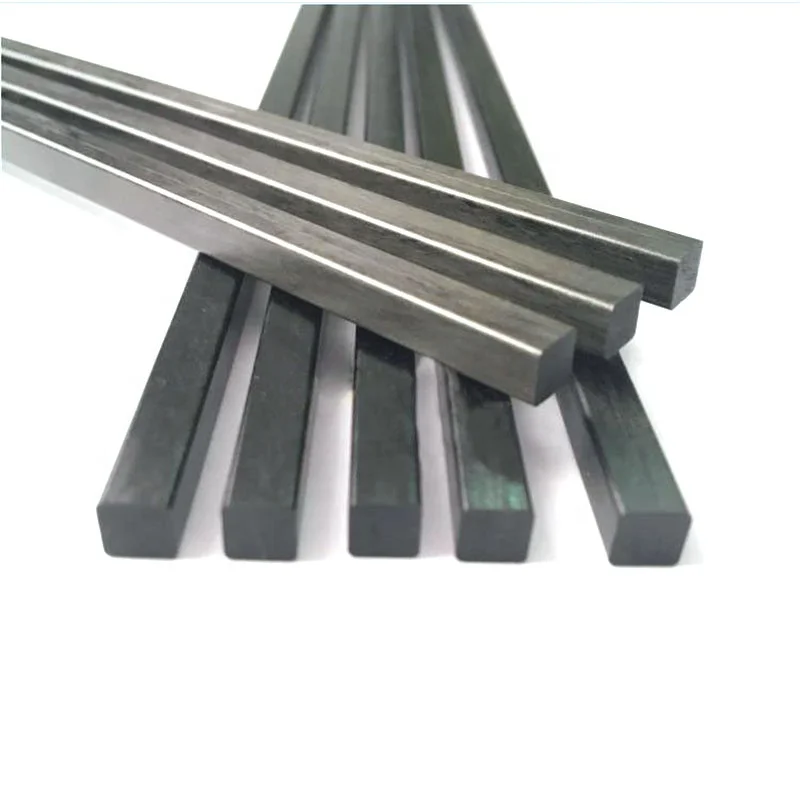
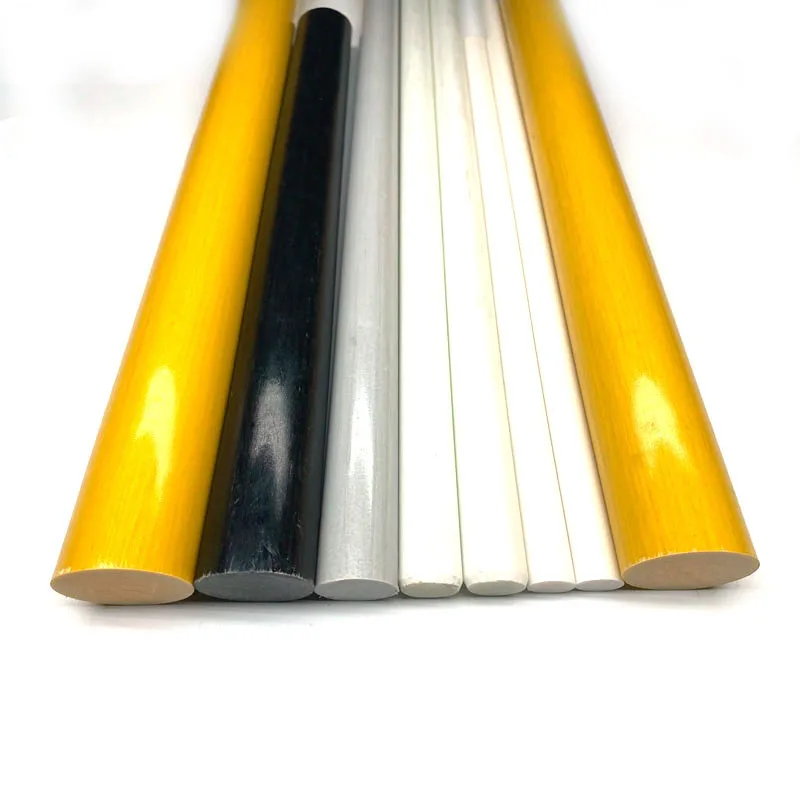
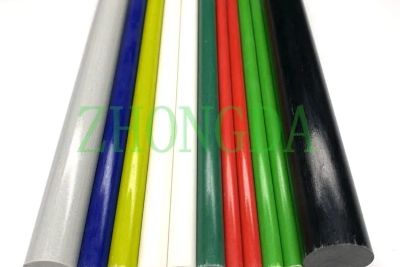
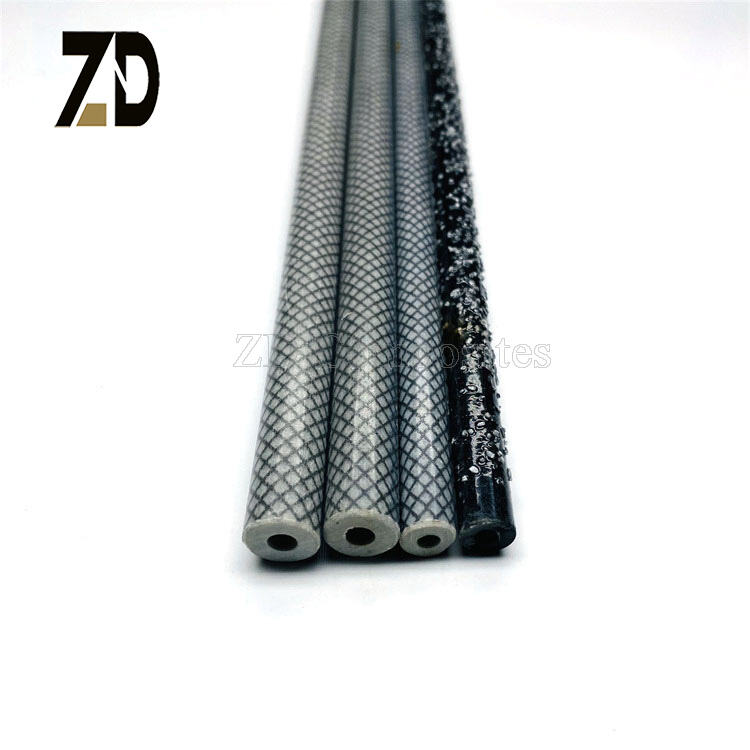
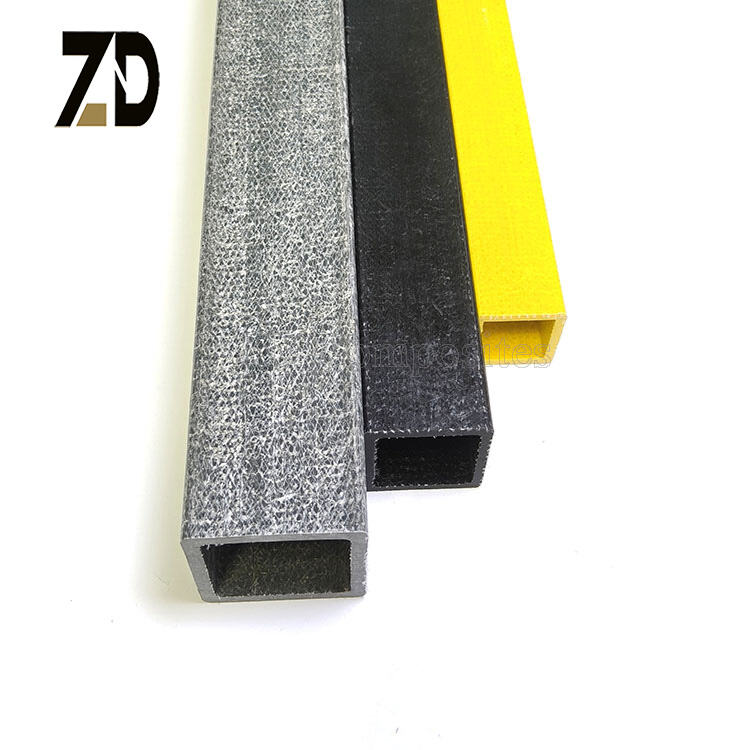
Pultruded fiberglass profiles represent a revolutionary manufacturing process that creates continuous fiber-reinforced composite materials with exceptional structural properties. This advanced technique involves pulling continuous glass fibers through a heated die while simultaneously impregnating them with thermosetting resin, resulting in profiles with consistent cross-sections and superior mechanical characteristics. The pultrusion process ensures optimal fiber alignment, creating pultruded fiberglass profiles that exhibit remarkable strength-to-weight ratios and dimensional stability across various environmental conditions. These engineered composites combine the lightweight nature of fiberglass with the structural integrity required for demanding applications, making them ideal alternatives to traditional materials like steel, aluminum, and wood. The technological foundation of pultruded fiberglass profiles lies in the precise control of fiber placement, resin chemistry, and curing temperatures throughout the manufacturing process. This controlled environment produces profiles with uniform properties along their entire length, eliminating the inconsistencies often found in conventional materials. The main functions of these profiles include providing structural support, electrical insulation, chemical resistance, and thermal stability in challenging environments. Applications span across multiple industries including construction, infrastructure, marine, chemical processing, and renewable energy sectors. In construction applications, pultruded fiberglass profiles serve as structural beams, handrails, grating systems, and architectural elements that resist corrosion while maintaining aesthetic appeal. Infrastructure projects utilize these profiles for bridge decking, utility poles, and pedestrian walkways due to their non-conductive properties and weather resistance. The marine industry benefits from their saltwater corrosion resistance and lightweight characteristics, while chemical plants rely on their ability to withstand harsh chemical environments without degradation. The technological features include tailored fiber orientations, custom resin formulations, and precise geometric configurations that can be engineered to meet specific performance requirements, making pultruded fiberglass profiles versatile solutions for modern engineering challenges.
 ×
×

 EN
EN