Premium Carbon Fiber Profile Solutions - Lightweight, Strong & Durable Composite Materials

Get a Free Quote

Our representative will contact you soon.
Email
Name
Company Name
Message
0/1000

carbon fiber profile

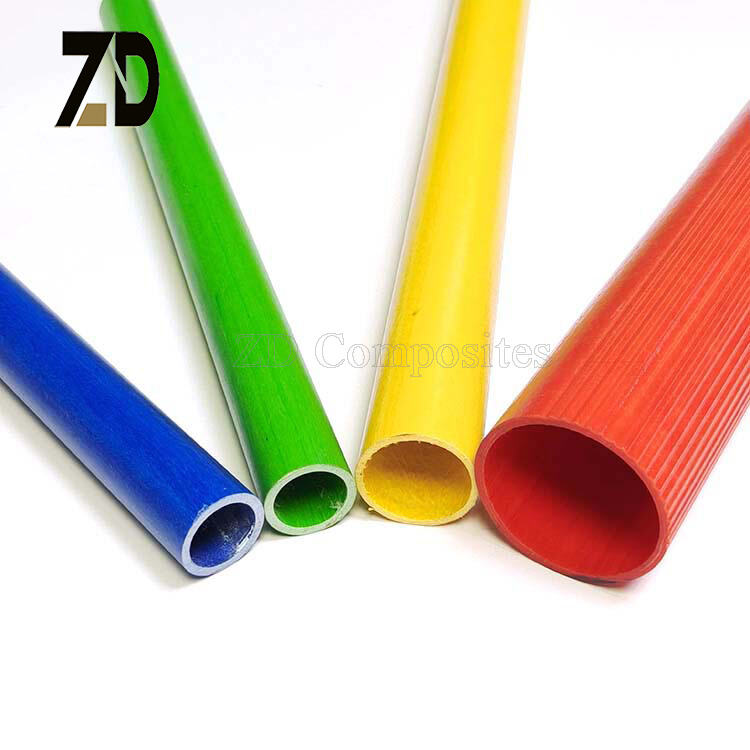
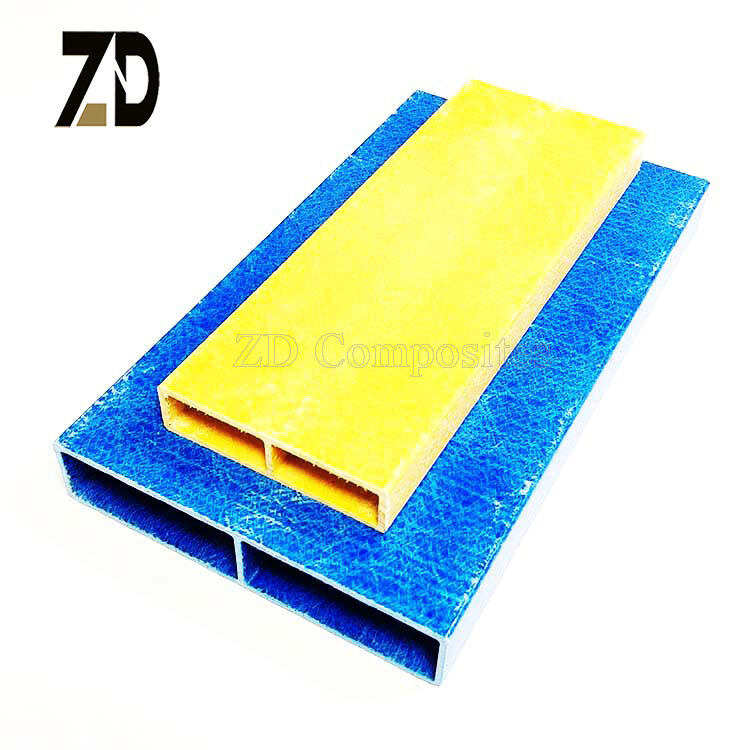
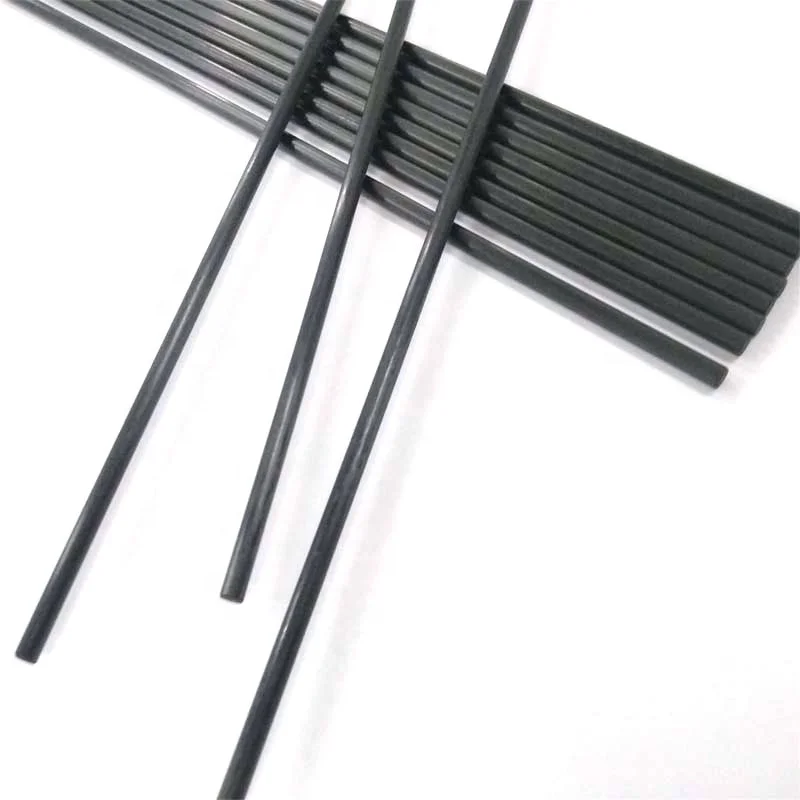
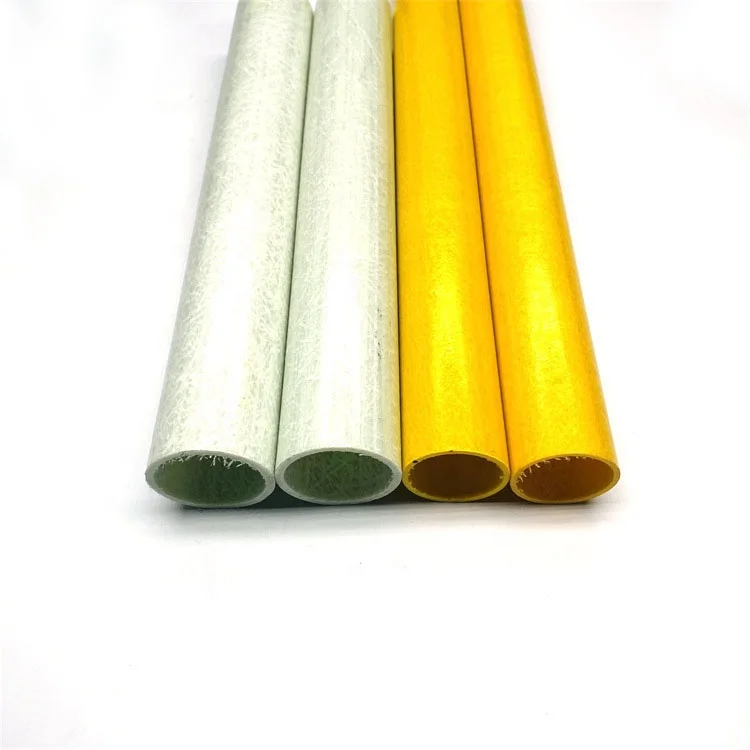
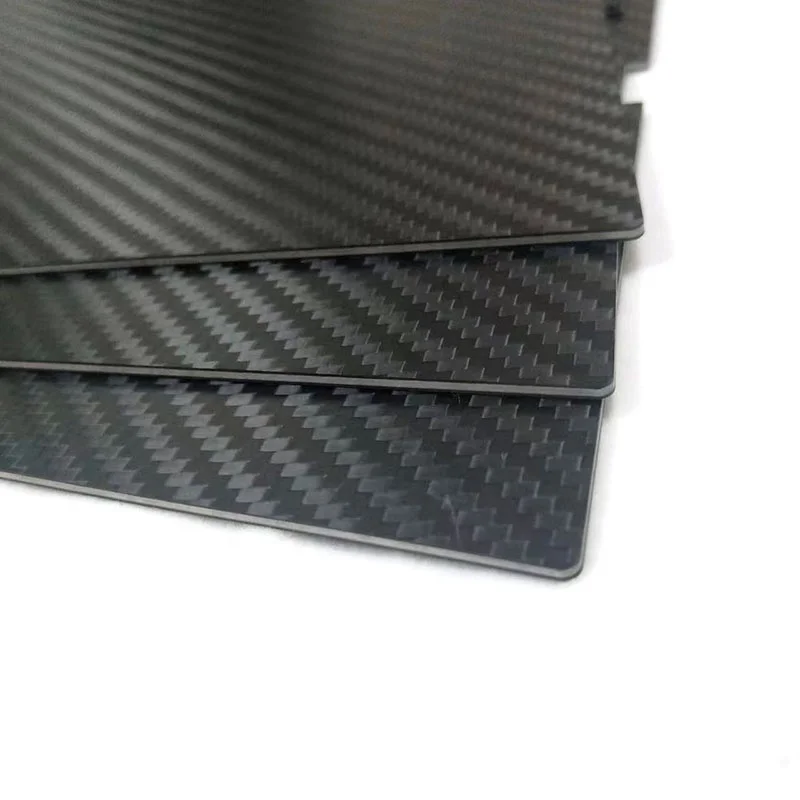
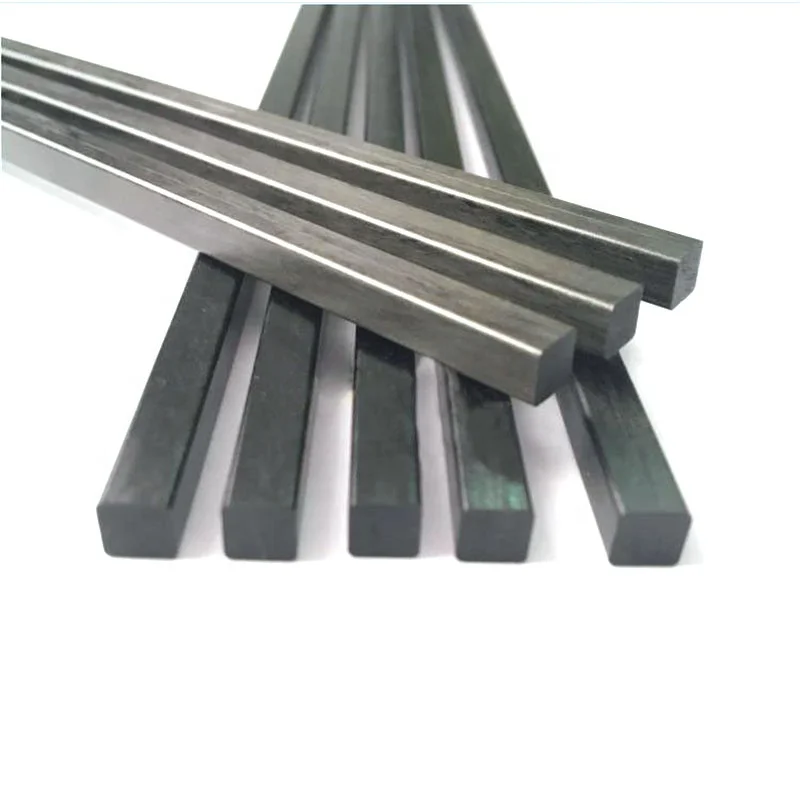
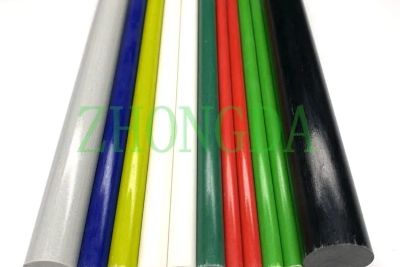
Carbon fiber profile represents a revolutionary advancement in composite material engineering, designed to meet the demanding requirements of modern industrial applications. These engineered structures combine carbon fiber reinforcements with polymer matrix systems to create profiles that deliver exceptional performance characteristics across multiple industries. The carbon fiber profile manufacturing process involves precise layup techniques, where continuous carbon fiber strands are strategically positioned and bonded with resin systems to achieve optimal mechanical properties. This sophisticated construction method results in lightweight yet incredibly strong structural components that outperform traditional materials in numerous applications. The carbon fiber profile exhibits remarkable tensile strength, often exceeding steel while maintaining significantly lower weight ratios. Advanced manufacturing technologies enable the production of complex geometric shapes and customized cross-sections that meet specific engineering requirements. These profiles demonstrate superior fatigue resistance, ensuring long-term reliability under cyclical loading conditions. The inherent corrosion resistance of carbon fiber profile makes them ideal for harsh environmental conditions where traditional materials would deteriorate rapidly. Temperature stability represents another crucial advantage, as these profiles maintain structural integrity across wide temperature ranges without significant dimensional changes. The carbon fiber profile can be manufactured with various surface finishes and treatments to enhance specific properties such as electrical conductivity or electromagnetic shielding. Quality control processes ensure consistent fiber orientation and resin distribution throughout each profile, guaranteeing predictable performance characteristics. Modern carbon fiber profile production incorporates automated manufacturing techniques that improve precision while reducing production costs, making these advanced materials more accessible for diverse applications.

New Products

Carbon fiber profile offers exceptional weight reduction benefits that transform product performance across multiple industries. Engineers and designers consistently choose carbon fiber profile solutions because they deliver up to 70 percent weight savings compared to steel alternatives while maintaining superior strength characteristics. This dramatic weight reduction translates directly into improved fuel efficiency for automotive and aerospace applications, enhanced portability for consumer products, and reduced structural loading requirements for construction projects. The carbon fiber profile demonstrates remarkable strength-to-weight ratios that enable innovative design possibilities previously considered impossible with conventional materials. Manufacturing teams appreciate how carbon fiber profile components resist fatigue failure under repeated stress cycles, extending product lifespans significantly beyond traditional material alternatives. The inherent corrosion resistance of carbon fiber profile eliminates the need for protective coatings and regular maintenance schedules required by metal components exposed to moisture, chemicals, or salt environments. This corrosion immunity provides substantial cost savings over product lifecycles while ensuring consistent performance in challenging operating conditions. Carbon fiber profile exhibits excellent dimensional stability across temperature variations, preventing warping, expansion, or contraction that commonly affects metal and plastic alternatives. The material's low thermal expansion coefficient ensures precise tolerances and reliable performance in applications experiencing temperature fluctuations. Electrical properties of carbon fiber profile can be tailored to meet specific requirements, offering either conductive pathways for electromagnetic shielding or insulating characteristics depending on application needs. The carbon fiber profile manufacturing process allows for complex geometries and integrated features that reduce assembly requirements and eliminate potential failure points associated with mechanical joints. Vibration damping characteristics of carbon fiber profile provide superior performance in applications where resonance control is critical, such as precision machinery or high-performance vehicles. The material's exceptional stiffness enables thinner wall sections while maintaining structural integrity, maximizing internal space utilization. Environmental benefits include recyclability potential and energy efficiency gains that align with sustainability initiatives across industries.

Practical Tips

How to Make a Carbon Fiber Box: Choosing the Right Prepreg, Resin & Mold

20

Oct

How to Make a Carbon Fiber Box: Choosing the Right Prepreg, Resin & Mold

View More
The advantages of fiberglass stakes

20

Oct

The advantages of fiberglass stakes

View More
Applications and advantages of carbon fiber materials in industry

27

Oct

Applications and advantages of carbon fiber materials in industry

View More

Get a Free Quote

Our representative will contact you soon.
Email
Name
Company Name
Message
0/1000

carbon fiber profile

Unmatched Strength-to-Weight Performance Revolution

Unmatched Strength-to-Weight Performance Revolution

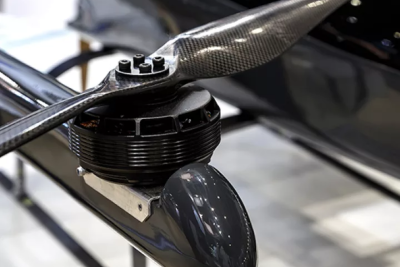
The carbon fiber profile delivers an unprecedented combination of structural strength and lightweight characteristics that fundamentally transforms engineering possibilities across industries. This exceptional strength-to-weight ratio stems from the unique molecular structure of carbon fibers, where individual carbon atoms form incredibly strong covalent bonds arranged in crystalline patterns that provide maximum tensile strength with minimal material density. Advanced carbon fiber profile manufacturing processes align these high-strength fibers in precise orientations to optimize load distribution and maximize structural efficiency. Engineers consistently report that carbon fiber profile components can achieve tensile strengths exceeding 3,500 MPa while maintaining densities approximately 75 percent lower than steel alternatives. This remarkable performance enables revolutionary design approaches where traditional material limitations no longer constrain innovation. Aerospace applications benefit tremendously from carbon fiber profile implementation, as aircraft manufacturers can reduce overall vehicle weight by thousands of pounds while maintaining or improving structural safety margins. The automotive industry leverages carbon fiber profile technology to develop vehicles that achieve superior fuel efficiency without compromising passenger safety or performance capabilities. Sporting goods manufacturers utilize carbon fiber profile components to create equipment that provides enhanced performance characteristics while reducing user fatigue through dramatic weight reductions. Construction applications showcase how carbon fiber profile reinforcements can strengthen existing structures without adding significant weight loads to foundations or support systems. Marine environments particularly benefit from the carbon fiber profile's combination of strength and corrosion resistance, enabling vessel designs that withstand harsh saltwater conditions while maintaining optimal weight distributions for improved speed and fuel efficiency. The material's exceptional strength properties enable carbon fiber profile components to support substantial loads using minimal cross-sectional areas, maximizing space efficiency in compact applications where every cubic inch matters for overall system performance.
Superior Environmental Durability and Longevity

Superior Environmental Durability and Longevity

Carbon fiber profile materials demonstrate exceptional resistance to environmental degradation factors that commonly compromise traditional materials, ensuring long-term performance reliability across diverse operating conditions. Unlike metal alternatives that suffer from oxidation, galvanic corrosion, and chemical attack, carbon fiber profile components maintain structural integrity when exposed to moisture, salt spray, industrial chemicals, and extreme temperature variations. This remarkable environmental resistance stems from the inert chemical nature of carbon fiber reinforcements combined with advanced polymer matrix systems specifically engineered to withstand harsh conditions. Marine applications particularly showcase the superior durability of carbon fiber profile components, where traditional materials would require frequent replacement due to saltwater corrosion, while carbon fiber alternatives maintain performance characteristics indefinitely with minimal maintenance requirements. Chemical processing industries benefit from carbon fiber profile implementations because these materials resist attack from acids, bases, solvents, and other aggressive chemicals that would rapidly degrade metal or plastic alternatives. Temperature cycling tests demonstrate that carbon fiber profile components maintain dimensional stability and mechanical properties across extreme temperature ranges, from cryogenic conditions to elevated temperatures exceeding 200 degrees Celsius. UV radiation resistance ensures that carbon fiber profile materials retain surface integrity and mechanical properties even under prolonged outdoor exposure without protective coatings. This environmental durability translates into substantial lifecycle cost advantages, as carbon fiber profile installations require minimal maintenance interventions compared to traditional materials that need regular inspection, treatment, and replacement schedules. The material's resistance to fatigue under cyclical loading conditions ensures that carbon fiber profile components maintain performance characteristics throughout extended service lives, even in applications involving millions of stress cycles. Moisture absorption characteristics of properly manufactured carbon fiber profile remain minimal, preventing the dimensional changes and property degradation that affect other composite materials in humid environments. Industrial applications benefit from the carbon fiber profile's immunity to electromagnetic interference and its ability to provide consistent electrical properties regardless of environmental exposure conditions.
Advanced Manufacturing Flexibility and Customization Capabilities

Advanced Manufacturing Flexibility and Customization Capabilities

The carbon fiber profile manufacturing process offers unprecedented design flexibility and customization capabilities that enable engineers to create optimized solutions for specific application requirements. Advanced composite manufacturing techniques allow carbon fiber profile producers to create complex geometries, integrated features, and tailored mechanical properties that would be impossible or extremely costly with traditional materials. Pultrusion processes enable continuous production of carbon fiber profile components with consistent cross-sectional properties and dimensional accuracy, while hand layup and resin transfer molding techniques provide flexibility for complex shapes and specialized configurations. The ability to orient carbon fibers in specific directions during carbon fiber profile manufacturing allows engineers to optimize strength characteristics for particular loading conditions, creating anisotropic properties that maximize performance efficiency. Hybrid constructions combining carbon fiber profile sections with other materials enable designers to balance performance requirements with cost considerations while maintaining overall system optimization. Surface treatment options for carbon fiber profile components include various finishes, textures, and functional coatings that enhance specific properties such as wear resistance, electrical conductivity, or aesthetic appearance. The carbon fiber profile manufacturing process accommodates integration of inserts, threaded connections, and mechanical attachments during fabrication, eliminating secondary operations and reducing assembly costs. Rapid prototyping capabilities enable quick development and testing of carbon fiber profile designs, accelerating product development cycles and reducing time-to-market for innovative applications. Quality control systems throughout carbon fiber profile production ensure consistent fiber volume fractions, void content, and mechanical properties that meet stringent specification requirements. Automation integration in modern carbon fiber profile manufacturing facilities enables cost-effective production of both high-volume standard profiles and low-volume specialized configurations. The material system flexibility allows carbon fiber profile manufacturers to adjust resin formulations, fiber types, and processing parameters to optimize specific properties such as impact resistance, thermal conductivity, or flame retardancy. Tooling versatility in carbon fiber profile production enables manufacturers to quickly adapt to design changes or create specialized configurations without extensive capital investments in new manufacturing equipment.

Get a Free Quote

Our representative will contact you soon.
Email
Name
Company Name
Message
0/1000