Superior Corrosion Resistance and Chemical Compatibility
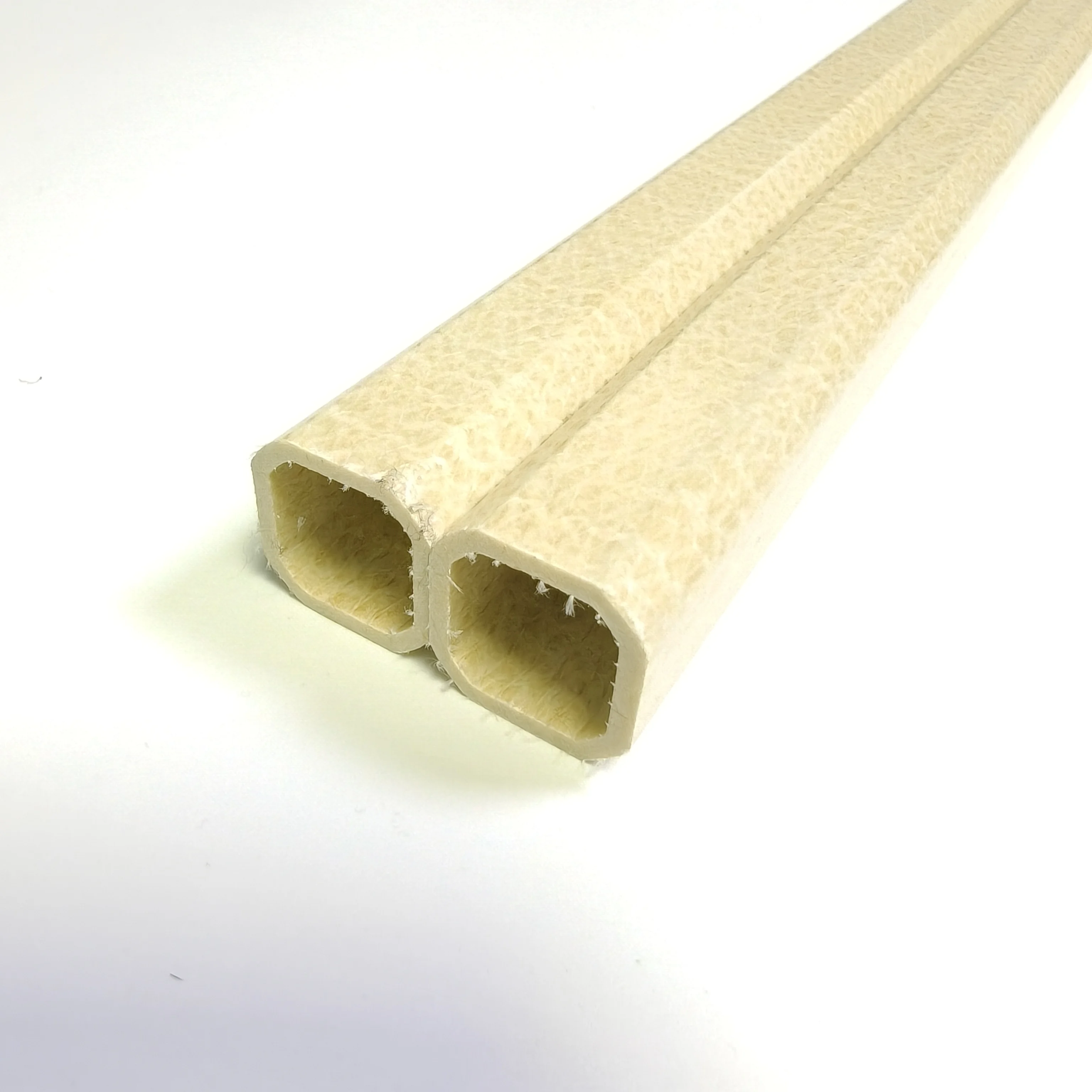
The fiberglass rectangular tube excels in environments where traditional materials fail due to its exceptional resistance to corrosion and chemical attack. This superior performance stems from the inert nature of the glass fiber reinforcement and the carefully selected resin matrix systems that form an impenetrable barrier against aggressive substances. Unlike steel tubes that develop rust within months of exposure to moisture, or aluminum profiles that suffer from galvanic corrosion in marine environments, the fiberglass rectangular tube maintains its structural integrity and appearance for decades without degradation. This resistance extends to a wide range of chemicals including acids with pH levels as low as 1.0, caustic solutions with pH values exceeding 13.0, organic solvents, chlorinated compounds, and salt solutions that rapidly destroy metallic alternatives. The molecular structure of the composite material prevents chemical penetration, ensuring that corrosive substances cannot reach the reinforcing fibers or compromise the bond between matrix and reinforcement. This characteristic proves invaluable in chemical processing plants where equipment must withstand continuous exposure to aggressive chemicals, in wastewater treatment facilities handling corrosive effluents, and in marine applications where salt spray creates extremely harsh conditions. The economic benefits of this corrosion resistance are substantial, eliminating the need for protective coatings that require regular maintenance and eventual replacement. Traditional protective systems like galvanizing, painting, or anodizing add initial costs and create ongoing maintenance burdens that the fiberglass rectangular tube simply does not require. The material's chemical compatibility extends to specialized applications in the food and pharmaceutical industries, where contamination concerns make the non-reactive nature of fiberglass composites particularly valuable. The smooth, non-porous surface prevents bacterial growth and simplifies cleaning procedures, while the absence of metallic ions eliminates catalytic reactions that could compromise product quality. Environmental considerations also favor the fiberglass rectangular tube, as it does not leach heavy metals or other contaminants into soil or groundwater, making it suitable for applications in environmentally sensitive areas. The longevity provided by superior corrosion resistance translates into lower life-cycle costs, reduced replacement frequency, and improved operational reliability that justifies the initial investment in high-quality composite materials.
 ×
×

 EN
EN