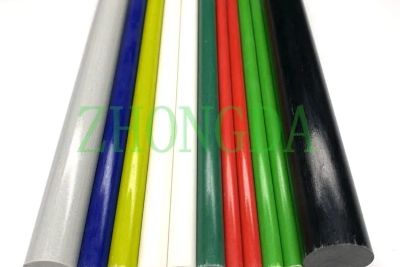
Fiberglass Poles: Lightweight, Durable, Non-Conductive Solutions for Utility and Telecommunications Applications

Get a Free Quote

Our representative will contact you soon.
Email
Name
Company Name
Message
0/1000

fiberglass pole

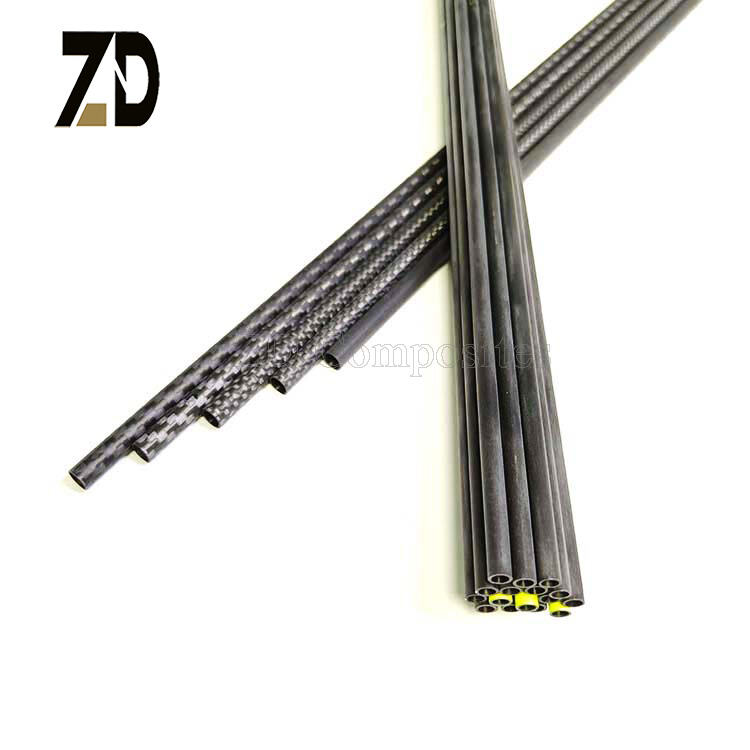
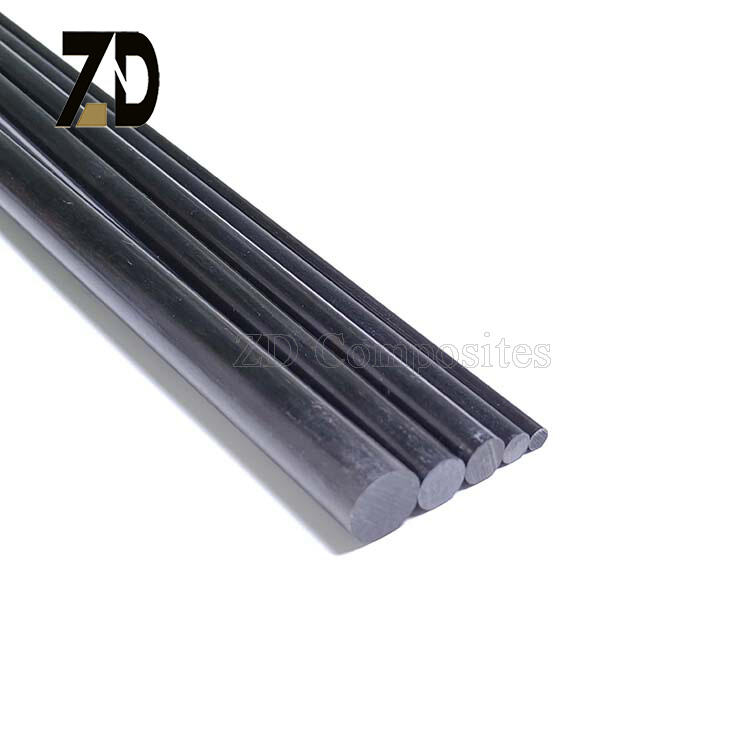
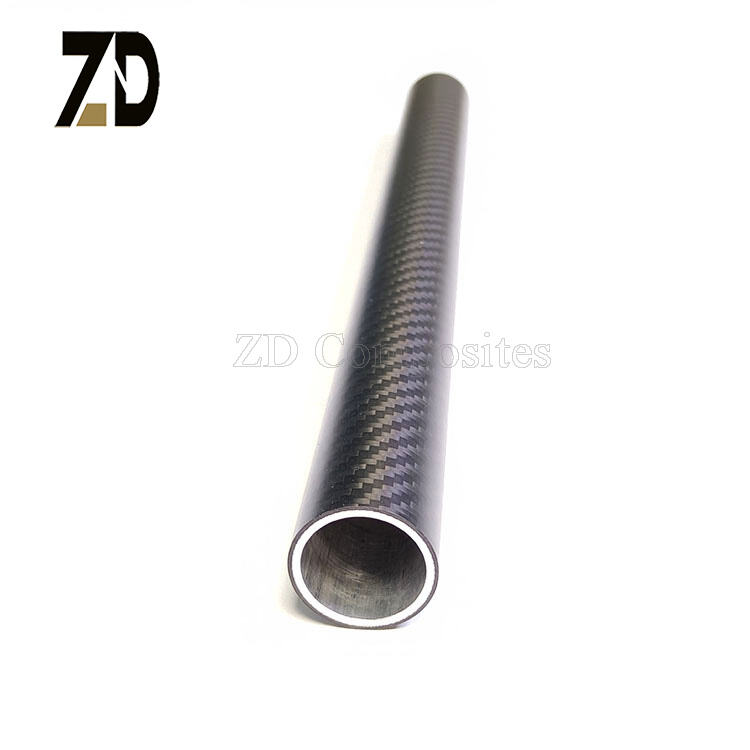
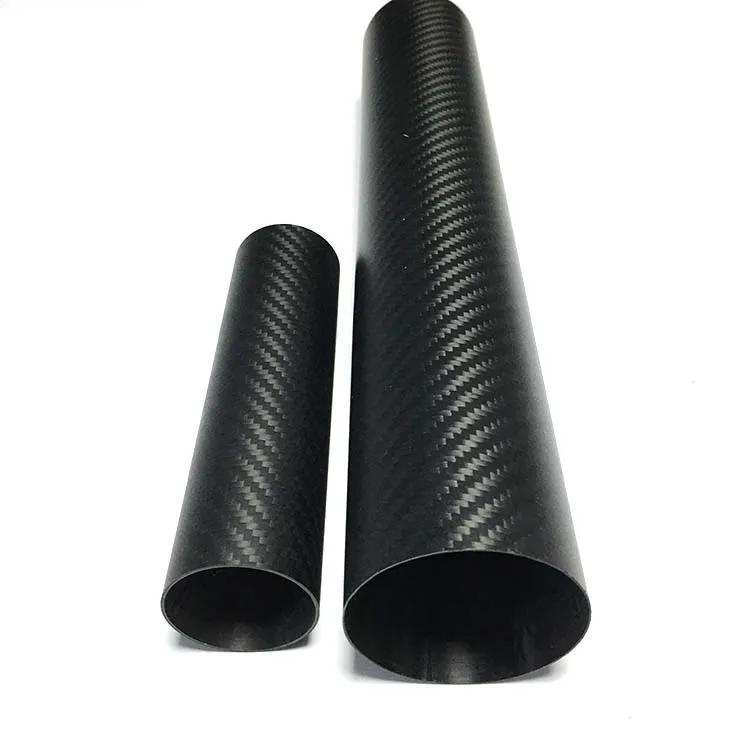
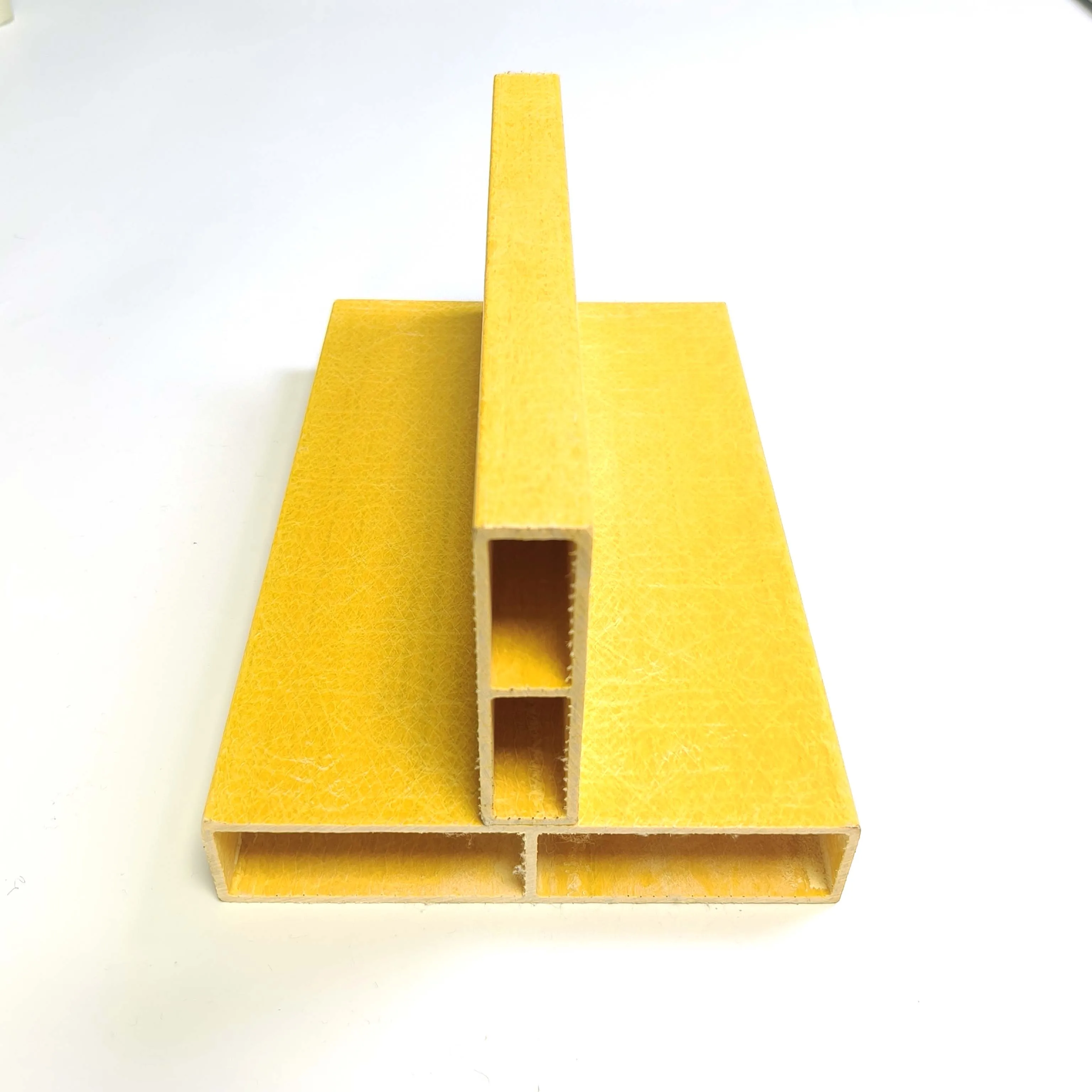
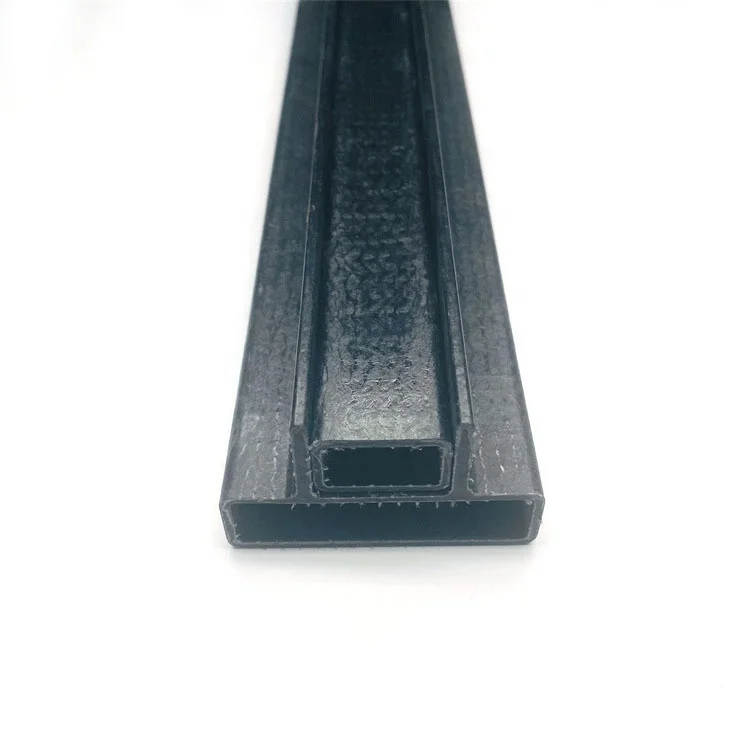
Fiberglass pole technology represents a revolutionary advancement in structural support solutions, combining exceptional strength with remarkable versatility across numerous applications. These innovative poles consist of glass fiber strands embedded within a resin matrix, creating a composite material that delivers superior performance compared to traditional materials like wood, steel, or aluminum. The manufacturing process involves pulling continuous glass fibers through a resin bath before curing them in heated dies, resulting in poles with consistent wall thickness and exceptional structural integrity. Modern fiberglass pole systems incorporate advanced pultrusion techniques that ensure optimal fiber orientation and resin distribution throughout the entire length. The primary functions of fiberglass poles include providing structural support for telecommunications equipment, electrical distribution systems, lighting installations, and various utility applications. These poles excel in environments where traditional materials face limitations due to corrosion, weight restrictions, or electrical conductivity concerns. Technological features include non-conductive properties that eliminate electrical grounding requirements, reducing installation complexity and safety risks. The hollow construction design reduces overall weight while maintaining exceptional load-bearing capacity, making transportation and installation significantly easier. Weather resistance capabilities ensure long-term durability in harsh environmental conditions, including extreme temperatures, UV exposure, and chemical exposure. Applications span across telecommunications networks where fiberglass poles support cell towers, antenna systems, and fiber optic cables. Utility companies utilize these poles for power distribution lines, street lighting, and traffic signal installations. The marine industry benefits from their corrosion resistance in coastal environments, while agricultural applications include fence posts and vineyard support systems. Construction projects incorporate fiberglass poles for temporary structures, safety barriers, and architectural elements. Their versatility extends to recreational applications such as flag poles, sports equipment, and outdoor fixtures that require reliable performance without ongoing maintenance requirements.

New Products

Fiberglass poles offer substantial advantages that make them the preferred choice for demanding applications across multiple industries. The most significant benefit lies in their exceptional corrosion resistance, which eliminates the ongoing maintenance costs associated with metal alternatives. Unlike steel or aluminum poles that require regular painting, galvanizing, or protective coatings, fiberglass poles maintain their structural integrity and appearance for decades without deterioration. This resistance extends to saltwater environments, chemical exposure, and industrial atmospheres where traditional materials quickly degrade. Weight reduction represents another crucial advantage, with fiberglass poles weighing approximately 80% less than comparable steel structures. This dramatic weight savings translates into reduced transportation costs, simplified installation procedures, and lower foundation requirements. Installation crews can handle longer poles with standard equipment, eliminating the need for specialized heavy machinery in many applications. The non-conductive properties of fiberglass poles provide exceptional safety benefits in electrical applications. Workers can perform maintenance activities without electrical isolation procedures, reducing safety risks and operational downtime. This feature proves particularly valuable in utility applications where electrical hazards pose constant threats to personnel safety. Dimensional stability ensures that fiberglass poles maintain their shape and structural properties across wide temperature ranges. Unlike metal poles that expand and contract significantly with temperature changes, fiberglass poles exhibit minimal dimensional variation, maintaining precise alignment of mounted equipment and reducing stress on connection points. The smooth surface finish of fiberglass poles resists ice accumulation and wind loading, improving performance in severe weather conditions. Manufacturing flexibility allows for custom designs, tapered profiles, and integrated mounting features that optimize performance for specific applications. Color options can be molded into the material rather than applied as surface coatings, ensuring long-lasting appearance without fading or chipping. Environmental benefits include recyclability and reduced carbon footprint during manufacturing compared to metal alternatives. The longevity of fiberglass poles reduces replacement frequency, minimizing environmental impact over their service life. Cost-effectiveness emerges from the combination of lower installation costs, reduced maintenance requirements, and extended service life that can exceed 50 years in typical applications.

Practical Tips

How to Make a Carbon Fiber Box: Choosing the Right Prepreg, Resin & Mold

20

Oct

How to Make a Carbon Fiber Box: Choosing the Right Prepreg, Resin & Mold

View More
The advantages of fiberglass stakes

20

Oct

The advantages of fiberglass stakes

View More
Applications and advantages of carbon fiber materials in industry

27

Oct

Applications and advantages of carbon fiber materials in industry

View More

Get a Free Quote

Our representative will contact you soon.
Email
Name
Company Name
Message
0/1000

fiberglass pole

Superior Durability and Weather Resistance

Superior Durability and Weather Resistance

The exceptional durability of fiberglass poles stems from their unique composite construction that withstands extreme environmental conditions without degradation. The glass fiber reinforcement provides incredible tensile strength, while the resin matrix protects against moisture infiltration, chemical attack, and UV radiation damage that typically destroys other materials. This combination creates poles capable of enduring hurricane-force winds, temperature extremes ranging from -40°F to 180°F, and continuous exposure to corrosive environments including saltwater, industrial chemicals, and acidic precipitation. The pultrusion manufacturing process ensures consistent wall thickness and fiber distribution, eliminating weak points that could lead to premature failure under stress. Advanced resin formulations incorporate UV stabilizers and flame retardants that extend service life while meeting strict safety requirements. Field testing demonstrates that properly manufactured fiberglass poles can maintain their structural properties for over 50 years without significant degradation, far exceeding the performance of traditional materials. The smooth gel coat surface resists dirt accumulation and biological growth, maintaining aesthetic appeal throughout the service life without requiring cleaning or refinishing. Thermal cycling tests prove that fiberglass poles maintain dimensional stability across temperature ranges that cause significant expansion and contraction in metal alternatives. This stability prevents loosening of mounted equipment and reduces mechanical stress on connection points that could lead to failure. Lightning strike resistance provides additional protection in exposed applications, as the non-conductive nature of fiberglass prevents electrical damage that would destroy metal poles. The combination of these durability factors translates into exceptional value for customers through reduced replacement costs, minimal maintenance requirements, and reliable performance in the most challenging environments. Independent testing and decades of field experience confirm that fiberglass poles represent the most durable solution available for long-term structural applications.
Lightweight Design for Easy Installation

Lightweight Design for Easy Installation

The lightweight characteristics of fiberglass poles revolutionize installation procedures and significantly reduce project costs across all applications. Standard fiberglass poles weigh approximately 80% less than equivalent steel structures while maintaining superior strength-to-weight ratios that exceed traditional materials. This dramatic weight reduction eliminates the need for heavy lifting equipment in most installations, allowing standard crews to handle poles up to 60 feet in length with conventional machinery. The reduced weight also minimizes foundation requirements, as the structural loads transmitted to the base are substantially lower than those from heavier alternatives. Engineering calculations show that foundation costs can be reduced by up to 40% when using fiberglass poles instead of steel structures. Transportation benefits include increased payload capacity, with trucks able to carry significantly more poles per load, reducing shipping costs and environmental impact. The hollow construction design contributes to weight reduction while providing convenient cable routing paths that eliminate the need for external conduits in many applications. This internal cable management capability streamlines installations and improves aesthetic appearance while protecting cables from weather exposure and physical damage. Handling safety improves dramatically due to the manageable weight, reducing the risk of worker injuries during transportation, positioning, and installation activities. Crews report increased productivity and job satisfaction when working with lightweight fiberglass poles compared to heavy metal alternatives. The reduced weight also enables installation in locations where ground conditions or access limitations prevent the use of heavy equipment. Remote installations, rooftop applications, and environmentally sensitive areas benefit from the ability to install substantial structures without extensive site preparation or heavy machinery access. Maintenance activities become simpler as well, with service personnel able to handle replacement poles and components using standard lifting equipment. The combination of reduced installation time, lower equipment requirements, and improved safety creates substantial cost savings that make fiberglass poles an economically superior choice for most structural applications.
Non-Conductive Safety and Electrical Performance

Non-Conductive Safety and Electrical Performance

The inherent non-conductive properties of fiberglass poles provide unmatched safety advantages in electrical and telecommunications applications, eliminating many hazards associated with metal structures. Unlike steel or aluminum poles that conduct electricity and create potential shock hazards, fiberglass poles offer complete electrical isolation that protects workers and equipment from electrical accidents. This safety feature proves particularly valuable in utility applications where power lines, transformers, and electrical equipment create constant electrocution risks for maintenance personnel. Workers can perform routine maintenance, equipment installation, and repairs without requiring electrical isolation procedures or de-energization protocols that increase costs and reduce system reliability. The dielectric strength of fiberglass exceeds 500 volts per mil, providing exceptional insulation properties that prevent electrical faults from propagating through the structure. This characteristic eliminates the need for grounding systems and associated hardware required with conductive poles, simplifying installation and reducing material costs. Lightning protection benefits include reduced risk of structure damage and improved safety for nearby personnel and equipment. While metal poles attract lightning strikes and conduct dangerous electrical currents, fiberglass poles resist electrical flow and minimize lightning-related damage. The non-conductive nature also prevents galvanic corrosion that occurs when dissimilar metals contact each other in the presence of moisture, a common problem with metal pole installations. Telecommunications applications benefit significantly from the RF transparency of fiberglass materials, which do not interfere with radio frequency transmissions or create signal reflections that degrade communication quality. This transparency allows optimal antenna performance without the signal distortion and interference patterns created by metal support structures. Electrical utility applications report reduced maintenance costs and improved worker safety when using fiberglass poles for distribution lines and substation equipment. The elimination of electrical safety protocols during routine maintenance activities increases productivity and reduces operational risks. Emergency response benefits include safer conditions for first responders who can work around fiberglass poles without additional electrical safety precautions required with metal structures. The combination of electrical isolation, improved safety, and enhanced performance makes fiberglass poles the preferred choice for applications where electrical safety is paramount.

Get a Free Quote

Our representative will contact you soon.
Email
Name
Company Name
Message
0/1000