High-Performance FRP Tubes: Corrosion-Resistant Composite Solutions for Industrial Applications

Get a Free Quote

Our representative will contact you soon.
Email
Name
Company Name
Message
0/1000

frp tube

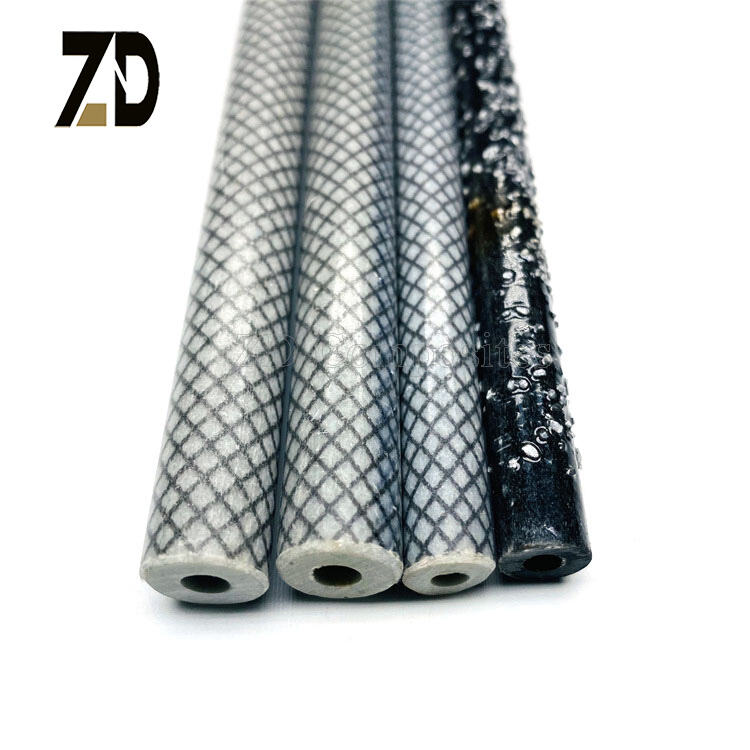
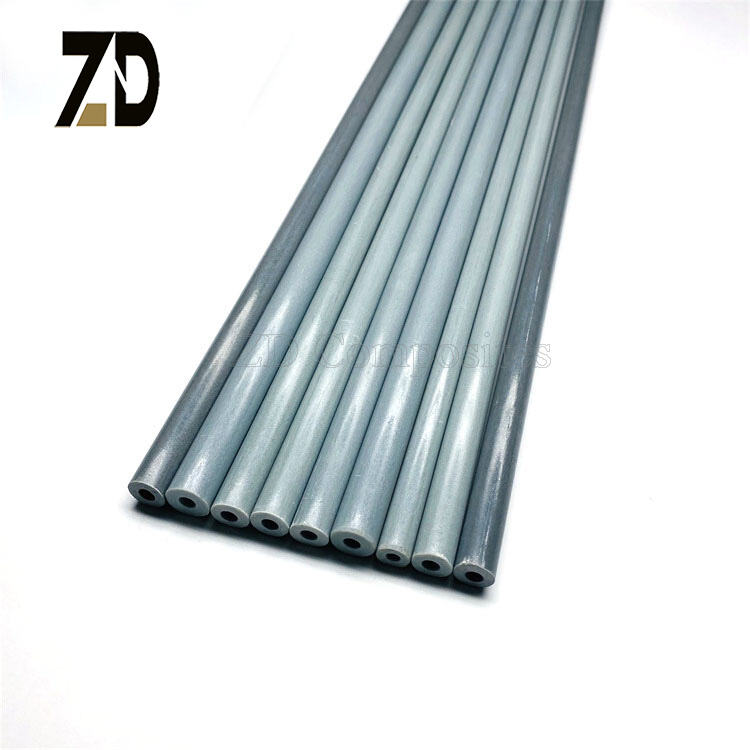
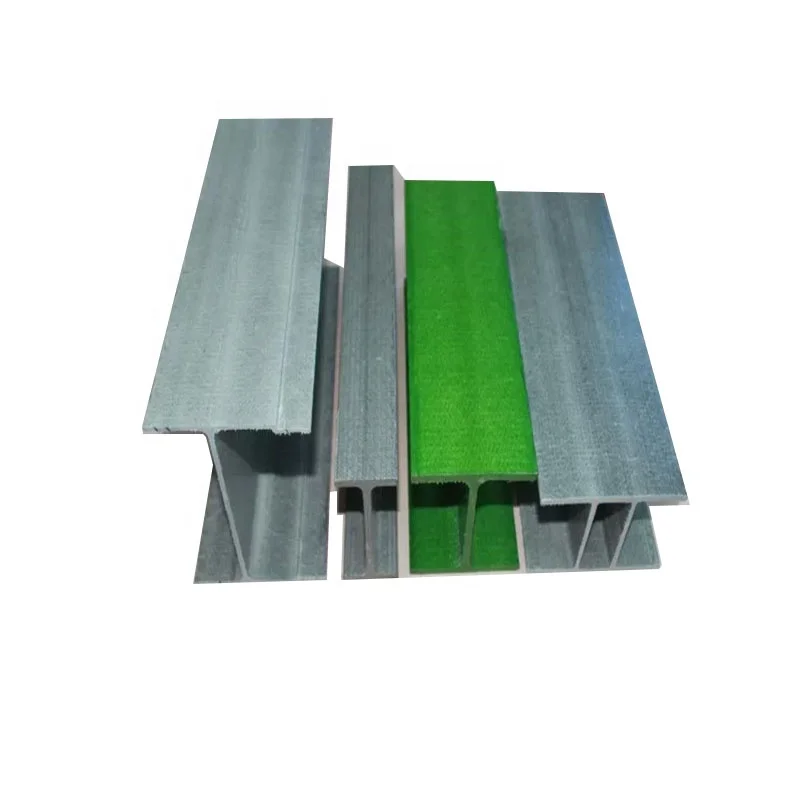
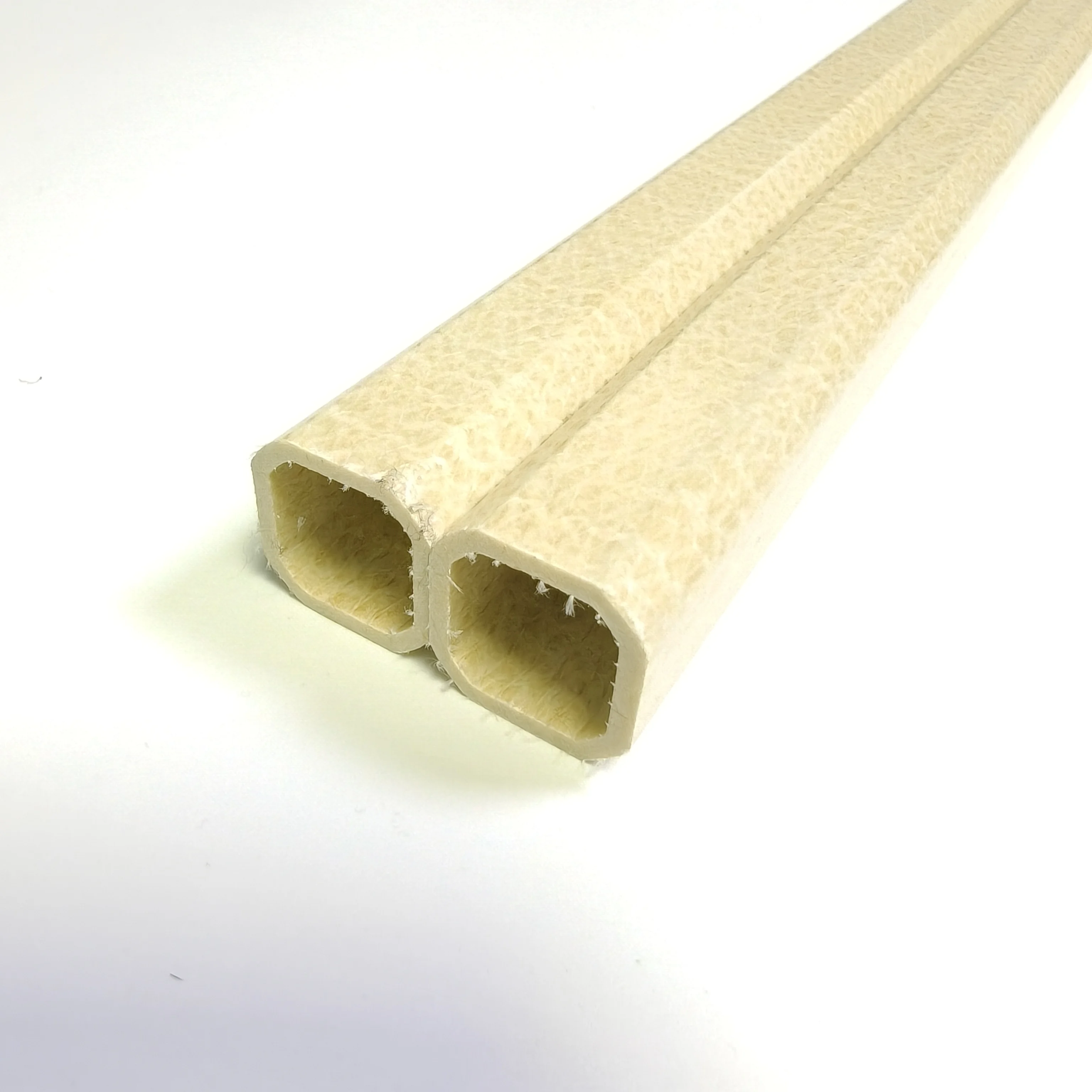
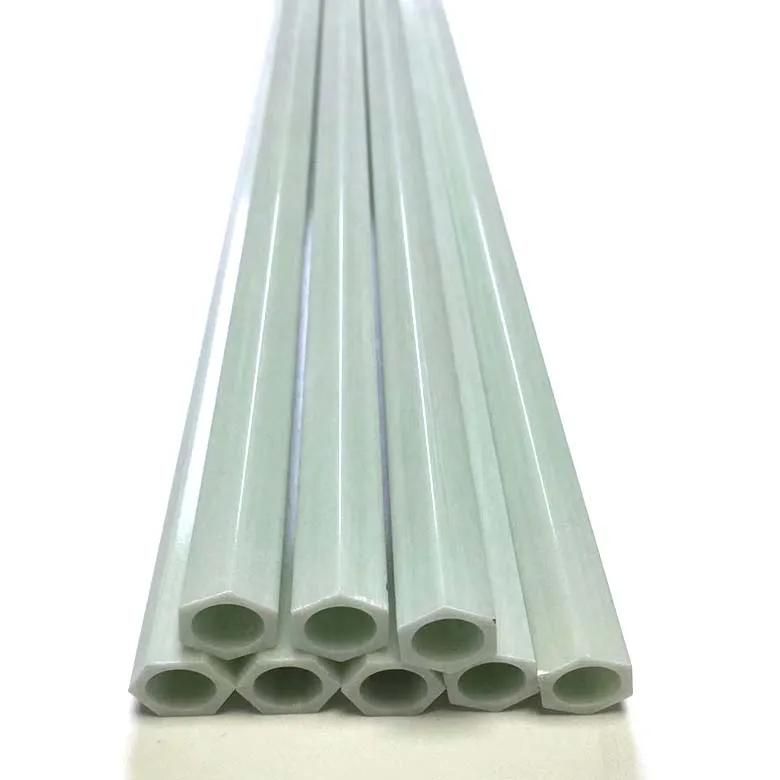
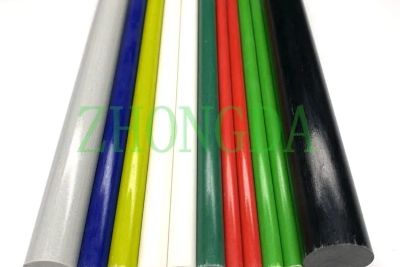
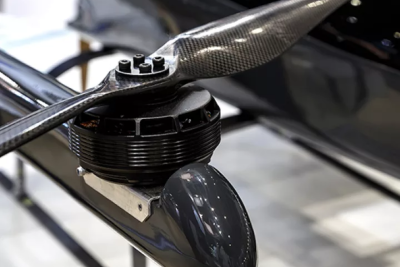
The FRP tube, or Fiber Reinforced Plastic tube, represents a revolutionary advancement in composite material engineering that has transformed numerous industries worldwide. This innovative cylindrical structure combines the strength of reinforcing fibers with the versatility of polymer matrices to create a product that exceeds traditional material limitations. An FRP tube consists of continuous or chopped fibers, typically glass, carbon, or aramid, embedded within a thermosetting resin system such as polyester, vinyl ester, or epoxy. The manufacturing process involves precise layering techniques including filament winding, pultrusion, or hand lay-up methods, ensuring optimal fiber orientation and resin distribution throughout the tube structure. The primary functions of FRP tubes encompass structural support, fluid transportation, electrical insulation, and chemical containment across diverse applications. These tubes excel in environments where conventional materials like steel or aluminum would deteriorate rapidly due to corrosion, chemical exposure, or extreme temperatures. The technological features that distinguish FRP tubes include their exceptional strength-to-weight ratio, which often surpasses steel while maintaining significantly lower density. Advanced manufacturing techniques enable precise control over wall thickness, diameter tolerances, and surface finish quality. The fiber architecture within each FRP tube can be customized to optimize performance characteristics such as hoop strength, axial strength, and torsional resistance based on specific application requirements. Applications for FRP tubes span multiple sectors including oil and gas pipelines, water treatment systems, chemical processing equipment, telecommunications infrastructure, construction reinforcement, and renewable energy installations. In marine environments, FRP tubes provide superior performance for offshore platforms, boat masts, and underwater piping systems. The aerospace industry utilizes specialized FRP tubes for aircraft components where weight reduction directly impacts fuel efficiency and performance capabilities.

Popular Products

FRP tubes deliver exceptional benefits that make them superior alternatives to traditional materials in countless applications. The corrosion resistance of FRP tubes stands as their most significant advantage, eliminating the costly maintenance cycles associated with metal alternatives. Unlike steel pipes that require regular painting, coating, and replacement due to rust formation, FRP tubes maintain their structural integrity for decades without degradation. This resistance extends to harsh chemicals, saltwater exposure, and acidic environments that would rapidly destroy conventional materials. The lightweight nature of FRP tubes reduces transportation costs, simplifies installation procedures, and minimizes structural load requirements. A typical FRP tube weighs approximately 75% less than equivalent steel tubing while maintaining comparable or superior strength characteristics. This weight reduction translates to lower shipping expenses, reduced crane requirements during installation, and decreased foundation loads in structural applications. The strength properties of FRP tubes can be tailored precisely to match specific performance requirements through strategic fiber orientation and resin selection. Engineers can optimize hoop strength for pressure applications or enhance axial strength for structural loading conditions. This customization capability ensures that each FRP tube delivers optimal performance without unnecessary over-engineering that increases costs. The electrical insulation properties of FRP tubes make them ideal for applications requiring non-conductive materials. These tubes prevent galvanic corrosion when used with dissimilar metals and provide electrical safety in power transmission applications. The smooth interior surface of FRP tubes reduces friction losses in fluid transport systems, improving flow efficiency and reducing pumping energy requirements. Manufacturing flexibility allows FRP tubes to be produced in virtually any diameter, wall thickness, or length configuration. Complex geometries, integrated fittings, and specialized end connections can be incorporated during the manufacturing process, eliminating field modifications and reducing installation time. The dimensional stability of FRP tubes ensures consistent performance across temperature variations, preventing thermal expansion issues common with metal alternatives. Quality control measures during FRP tube production include non-destructive testing methods that verify structural integrity without compromising the product. These tubes demonstrate excellent fatigue resistance, maintaining performance under cyclic loading conditions that would cause metal failure over time.

Tips And Tricks

How to Make a Carbon Fiber Box: Choosing the Right Prepreg, Resin & Mold

20

Oct

How to Make a Carbon Fiber Box: Choosing the Right Prepreg, Resin & Mold

View More
The advantages of fiberglass stakes

20

Oct

The advantages of fiberglass stakes

View More
Applications and advantages of carbon fiber materials in industry

27

Oct

Applications and advantages of carbon fiber materials in industry

View More

Get a Free Quote

Our representative will contact you soon.
Email
Name
Company Name
Message
0/1000

frp tube

Superior Corrosion Resistance and Chemical Compatibility

Superior Corrosion Resistance and Chemical Compatibility

The outstanding corrosion resistance of FRP tubes represents a fundamental advantage that revolutionizes performance in aggressive environments where traditional materials fail catastrophically. This exceptional characteristic stems from the inherent properties of the polymer matrix system that forms the tube's protective barrier against chemical attack, moisture penetration, and environmental degradation. Unlike metallic alternatives that rely on external coatings for protection, FRP tubes possess corrosion resistance throughout their entire cross-sectional thickness, ensuring long-term durability even when surface damage occurs. The chemical compatibility of FRP tubes can be precisely engineered by selecting appropriate resin systems that resist specific chemicals encountered in target applications. Vinyl ester resins provide superior resistance to acids and chlorinated compounds, while epoxy systems excel in alkaline environments and structural applications requiring high mechanical properties. This customization capability allows engineers to specify FRP tubes that maintain structural integrity when exposed to concentrated acids, caustic solutions, organic solvents, and aggressive industrial chemicals that would rapidly corrode steel or aluminum alternatives. The corrosion resistance of FRP tubes eliminates the substantial lifecycle costs associated with maintenance, repair, and replacement of traditional materials. Steel pipes in chemical processing facilities typically require replacement every five to ten years due to corrosion damage, while properly specified FRP tubes can operate for thirty years or more without degradation. This longevity translates to significant cost savings through reduced downtime, eliminated maintenance labor, and eliminated replacement material expenses. The marine industry particularly benefits from the corrosion resistance of FRP tubes, where saltwater exposure creates extremely aggressive conditions for metallic materials. Offshore platforms, ship piping systems, and underwater installations utilize FRP tubes to eliminate the constant battle against rust formation and galvanic corrosion. The consistent performance of FRP tubes in these environments ensures reliable operation and reduces the risk of catastrophic failures that could result in environmental damage or safety hazards.
Exceptional Strength-to-Weight Ratio and Structural Performance

Exceptional Strength-to-Weight Ratio and Structural Performance

FRP tubes deliver unmatched strength-to-weight ratios that enable innovative design solutions impossible with conventional materials, fundamentally changing how engineers approach structural and piping system design. The specific strength of high-quality FRP tubes often exceeds that of steel by factors of three to five, meaning significantly lighter structures can carry equivalent loads or lighter systems can handle dramatically increased performance requirements. This exceptional strength originates from the strategic placement of continuous reinforcing fibers that carry primary loads while the polymer matrix transfers forces between fibers and protects against environmental damage. The anisotropic nature of FRP tube construction allows engineers to optimize strength characteristics for specific loading conditions through precise control of fiber orientation angles. Circumferential fiber placement maximizes hoop strength for pressure vessels and piping applications, while axial fiber orientation enhances tensile and compressive strength for structural members. Advanced manufacturing techniques enable the production of FRP tubes with carefully controlled fiber architecture that delivers optimal performance for multidirectional loading scenarios common in real-world applications. The fatigue resistance of properly designed FRP tubes surpasses that of metallic alternatives, particularly under cyclic loading conditions that cause crack initiation and propagation in steel structures. This superior fatigue performance results from the fiber reinforcement that prevents crack growth by redistributing stresses around potential failure points. Applications subject to vibration, thermal cycling, or repeated loading benefit enormously from this characteristic, as FRP tubes maintain structural integrity throughout millions of load cycles without degradation. The high strength-to-weight ratio of FRP tubes creates cascading benefits throughout entire systems by reducing support structure requirements, foundation loads, and transportation costs. Offshore platforms utilize FRP tubes to minimize weight while maintaining required strength, directly improving platform stability and reducing installation complexity. Wind energy applications leverage lightweight FRP tubes for tower components and internal systems where weight reduction improves structural dynamics and reduces foundation requirements.
Design Flexibility and Manufacturing Versatility

Design Flexibility and Manufacturing Versatility

The remarkable design flexibility and manufacturing versatility of FRP tubes provide engineers with unprecedented freedom to create optimized solutions that perfectly match application requirements while incorporating complex geometries and integrated features impossible with traditional materials. This flexibility stems from the moldable nature of composite materials during manufacturing, allowing the production of tubes with varying diameters, wall thicknesses, tapered sections, and integrated fittings within a single continuous structure. Unlike metal tubes that require expensive machining, welding, or joining operations to create complex configurations, FRP tubes can incorporate bends, branches, flanges, and specialized end connections during the primary manufacturing process, eliminating weak points associated with mechanical joints. The pultrusion manufacturing process enables the continuous production of FRP tubes with consistent cross-sectional properties and precise dimensional tolerances across virtually unlimited lengths. This capability eliminates the need for field splicing in long runs, reducing installation time and improving system reliability. Custom cross-sectional shapes beyond simple circular tubes can be produced to optimize performance for specific applications, such as rectangular sections for structural members or specialized profiles for architectural applications. Filament winding techniques allow the production of large-diameter FRP tubes with precisely controlled fiber placement patterns that optimize strength and stiffness characteristics. The manufacturing versatility of FRP tubes extends to surface treatments and aesthetic options that enhance both functional and visual performance. Gel coat systems provide smooth, chemically resistant surfaces with excellent UV protection and color retention. Specialized surface textures can be incorporated to improve grip, reduce light reflection, or enhance heat transfer characteristics. Fire retardant additives can be integrated into the resin system to meet stringent safety requirements for building and transportation applications. The ability to embed sensors, heating elements, or other functional components within FRP tube walls during manufacturing creates smart structures that provide real-time performance monitoring or active environmental control. Quality control measures during FRP tube manufacturing include precise temperature and pressure monitoring, automated fiber placement verification, and comprehensive testing protocols that ensure consistent product performance across production runs.

Get a Free Quote

Our representative will contact you soon.
Email
Name
Company Name
Message
0/1000