High-Performance Fiber Glass Tube Solutions - Superior Strength, Corrosion Resistance & Durability

Get a Free Quote

Our representative will contact you soon.
Email
Name
Company Name
Message
0/1000

fiber glass tube

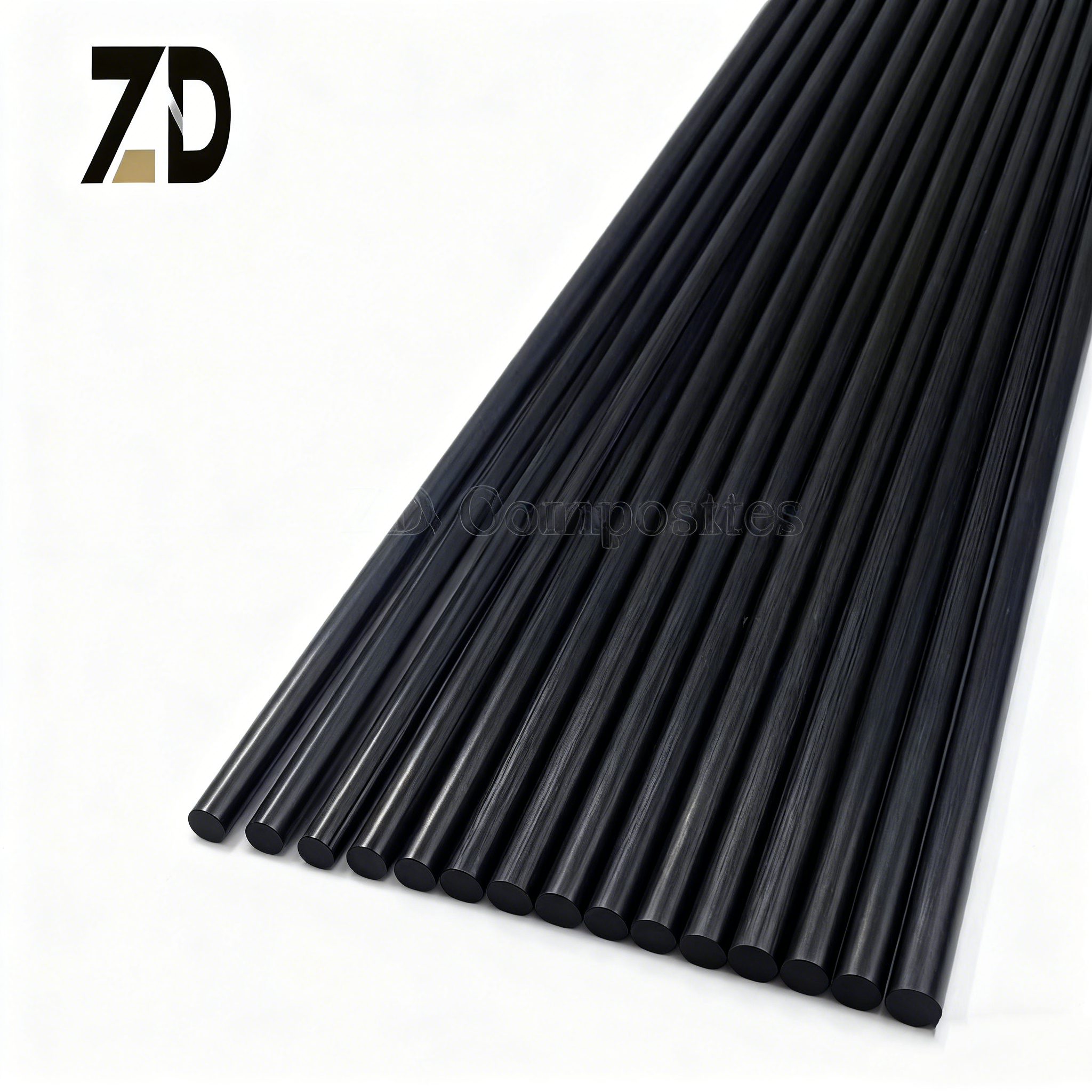
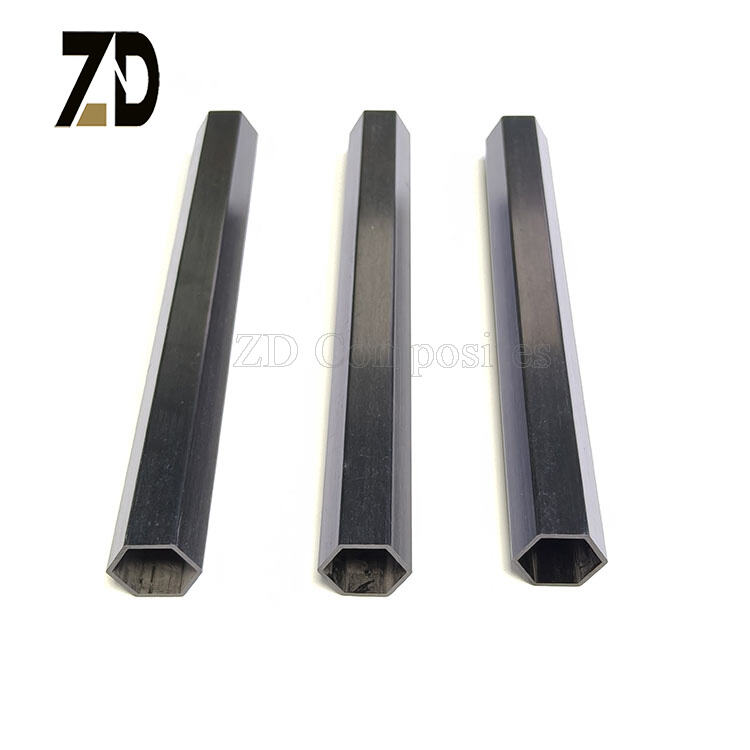
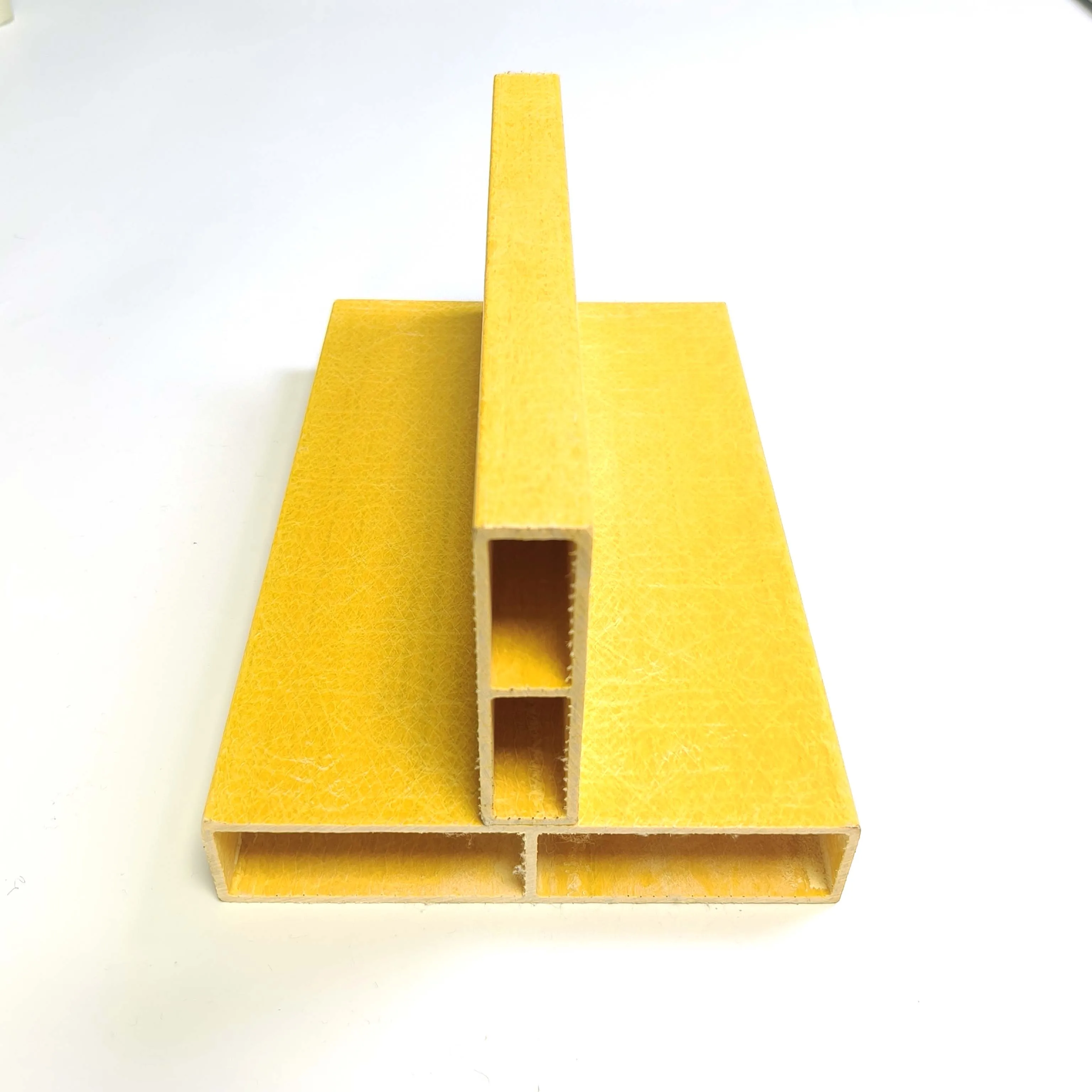
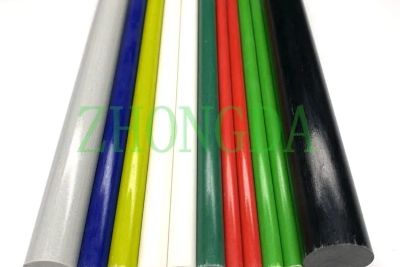
A fiber glass tube represents a revolutionary advancement in composite material engineering, combining exceptional strength with remarkable versatility across numerous industrial applications. This innovative product consists of glass fibers embedded within a polymer matrix, creating a lightweight yet incredibly durable cylindrical structure that outperforms traditional materials in many demanding environments. The manufacturing process involves winding continuous glass fibers around a mandrel while simultaneously applying resin, resulting in a seamless, high-strength tube with consistent wall thickness and superior dimensional stability. The fiber glass tube exhibits excellent resistance to corrosion, chemicals, and environmental factors, making it an ideal choice for harsh operating conditions where metal alternatives would quickly deteriorate. These tubes demonstrate exceptional thermal properties, maintaining structural integrity across wide temperature ranges while providing excellent electrical insulation characteristics. The manufacturing flexibility allows for customization of diameter, wall thickness, and length specifications to meet precise application requirements. Advanced production techniques ensure consistent quality and reliability, with each fiber glass tube undergoing rigorous testing to verify performance standards. The material composition provides outstanding fatigue resistance, enabling long-term performance under cyclic loading conditions that would compromise other materials. Modern fiber glass tube designs incorporate sophisticated resin systems that enhance chemical resistance and thermal stability, extending service life significantly compared to conventional alternatives. The lightweight nature of these tubes reduces installation costs and simplifies handling procedures, while their non-conductive properties eliminate concerns about electrical interference or grounding issues. Quality control measures throughout the manufacturing process ensure dimensional accuracy and material consistency, delivering reliable performance characteristics that engineers and designers can depend upon for critical applications requiring precise specifications and long-term durability.

Popular Products

The fiber glass tube offers compelling advantages that make it the preferred choice for demanding applications across multiple industries. First and foremost, these tubes deliver exceptional strength-to-weight ratios that significantly outperform steel and aluminum alternatives while weighing substantially less, reducing transportation costs and simplifying installation procedures. The corrosion resistance properties of fiber glass tube eliminate the need for expensive protective coatings or frequent maintenance schedules, resulting in substantial cost savings over the product lifecycle. Unlike metal tubes that require regular inspection and replacement due to rust and chemical degradation, fiber glass tube maintains its structural integrity and appearance for decades without deterioration. The electrical insulation properties provide safety benefits in applications involving electrical equipment, eliminating risks associated with conductive materials and reducing installation complexity. Manufacturing flexibility enables custom dimensions and configurations that meet specific project requirements without the tooling costs associated with metal fabrication, allowing engineers to optimize designs for maximum efficiency. The thermal expansion characteristics of fiber glass tube remain stable across temperature variations, preventing joint failures and maintaining system integrity in environments with significant temperature fluctuations. Installation advantages include easier handling due to reduced weight, simplified joining methods that do not require specialized welding equipment, and compatibility with standard cutting tools for field modifications. The smooth interior surface of fiber glass tube reduces friction losses in fluid transport applications, improving system efficiency and reducing energy consumption compared to rougher metal surfaces. Chemical compatibility extends to acids, bases, and organic solvents that would quickly attack metal alternatives, making fiber glass tube suitable for chemical processing and water treatment applications. The non-magnetic properties eliminate interference with sensitive electronic equipment, while UV resistance ensures outdoor performance without degradation. Long-term economic benefits include reduced replacement frequency, lower maintenance requirements, and improved system reliability that minimizes costly downtime and operational disruptions in critical applications.

Latest News

How to Make a Carbon Fiber Box: Choosing the Right Prepreg, Resin & Mold

20

Oct

How to Make a Carbon Fiber Box: Choosing the Right Prepreg, Resin & Mold

View More
The advantages of fiberglass stakes

20

Oct

The advantages of fiberglass stakes

View More
Applications and advantages of carbon fiber materials in industry

27

Oct

Applications and advantages of carbon fiber materials in industry

View More

Get a Free Quote

Our representative will contact you soon.
Email
Name
Company Name
Message
0/1000

fiber glass tube

Superior Corrosion Resistance and Chemical Compatibility

Superior Corrosion Resistance and Chemical Compatibility

The fiber glass tube demonstrates unmatched resistance to corrosion and chemical attack, making it the optimal solution for environments where traditional materials fail rapidly and require frequent replacement. This exceptional chemical resistance stems from the carefully engineered resin matrix that forms a protective barrier against aggressive substances, including strong acids, caustic solutions, salt water, and organic solvents that would quickly compromise metal alternatives. Unlike steel or aluminum tubes that develop pitting, scaling, and structural weakness when exposed to corrosive environments, fiber glass tube maintains its original strength and dimensional stability throughout its service life. The molecular structure of the composite material prevents chemical penetration, ensuring that the tube walls remain intact and functional even after prolonged exposure to harsh chemicals. This resistance extends to hydrogen sulfide, chlorine compounds, and other aggressive gases commonly encountered in industrial processes, water treatment facilities, and marine applications. The benefit to customers includes dramatically reduced maintenance costs, elimination of unexpected failures due to corrosion, and extended service intervals that improve operational efficiency. In chemical processing plants, fiber glass tube systems operate reliably for decades without the protective coatings, cathodic protection systems, or frequent inspections required for metal piping. The consistent performance eliminates production interruptions caused by corrosion-related failures, protecting valuable processes and preventing costly environmental incidents. Water treatment facilities benefit from fiber glass tube installations that resist chlorine and other treatment chemicals while maintaining smooth interior surfaces that prevent bacterial growth and scaling. The long-term cost advantages become particularly significant in offshore and marine environments where salt exposure accelerates corrosion of traditional materials, requiring expensive replacement cycles that fiber glass tube eliminates entirely through its inherent chemical stability and corrosion immunity.

Exceptional Strength-to-Weight Performance and Structural Efficiency

Exceptional Strength-to-Weight Performance and Structural Efficiency

The fiber glass tube achieves remarkable structural performance through its optimized strength-to-weight ratio, delivering load-carrying capabilities that rival or exceed steel while weighing significantly less, creating substantial advantages in transportation, installation, and structural design applications. The continuous glass fiber reinforcement provides exceptional tensile strength that approaches that of steel, while the composite construction distributes loads efficiently throughout the tube wall, preventing stress concentrations that cause failures in other materials. This superior mechanical performance results from the precise orientation of glass fibers during manufacturing, creating a structure that responds optimally to various loading conditions including internal pressure, external loads, and bending moments. The lightweight characteristics reduce foundation requirements for elevated installations, simplify crane operations during construction, and enable longer spans between supports without compromising structural integrity. Engineers appreciate the predictable mechanical properties that allow for precise calculations and optimized designs that maximize performance while minimizing material usage. The fatigue resistance of fiber glass tube surpasses that of metals, maintaining structural integrity under cyclic loading conditions that would cause crack propagation and eventual failure in steel or aluminum alternatives. This durability translates to extended service life and reduced replacement costs in applications involving vibration, pressure cycling, or repeated loading. The elastic properties provide flexibility that accommodates thermal expansion and ground movement without developing stress cracks or joint failures that plague rigid metal systems. Installation benefits include reduced equipment requirements for handling and positioning, lower transportation costs due to reduced weight, and simplified connection procedures that do not require heavy welding equipment or specialized joining techniques. The structural efficiency extends to seismic applications where the lightweight construction reduces inertial forces while maintaining structural integrity, providing safety advantages in earthquake-prone regions and improving overall system resilience against natural disasters and extreme loading conditions.
Outstanding Thermal and Electrical Insulation Properties

Outstanding Thermal and Electrical Insulation Properties

The fiber glass tube provides exceptional thermal and electrical insulation characteristics that create unique advantages in applications requiring temperature control, electrical safety, or electromagnetic compatibility, making it an invaluable component in modern industrial and infrastructure systems. The thermal insulation properties result from the low thermal conductivity of the glass fiber and resin matrix, which prevents heat transfer through the tube wall and maintains temperature stability in both hot and cold applications. This thermal performance eliminates the need for additional insulation materials in many installations, reducing system complexity and installation costs while improving energy efficiency. The electrical insulation characteristics make fiber glass tube ideal for applications near electrical equipment, eliminating grounding requirements and preventing electrical faults that could occur with conductive materials. Unlike metal alternatives that conduct electricity and create safety hazards, fiber glass tube provides complete electrical isolation that enhances worker safety and system reliability. The dielectric strength exceeds that of many dedicated insulation materials, making fiber glass tube suitable for high-voltage applications where electrical breakdown could cause catastrophic failures. Temperature stability ensures consistent performance across wide temperature ranges without dimensional changes that could compromise system integrity or create maintenance issues. The low coefficient of thermal expansion prevents joint stress and system misalignment that occurs with materials having high thermal expansion rates, maintaining tight connections and preventing leakage in critical applications. Electromagnetic compatibility benefits include elimination of eddy current losses and magnetic field interference that affect sensitive electronic equipment in telecommunications and instrumentation applications. The thermal shock resistance allows rapid temperature changes without cracking or structural damage, making fiber glass tube suitable for processes involving temperature cycling or emergency cooling procedures. Energy conservation advantages result from reduced heat loss in heating systems and prevention of heat gain in cooling applications, improving overall system efficiency and reducing operating costs throughout the service life of the installation.

Get a Free Quote

Our representative will contact you soon.
Email
Name
Company Name
Message
0/1000