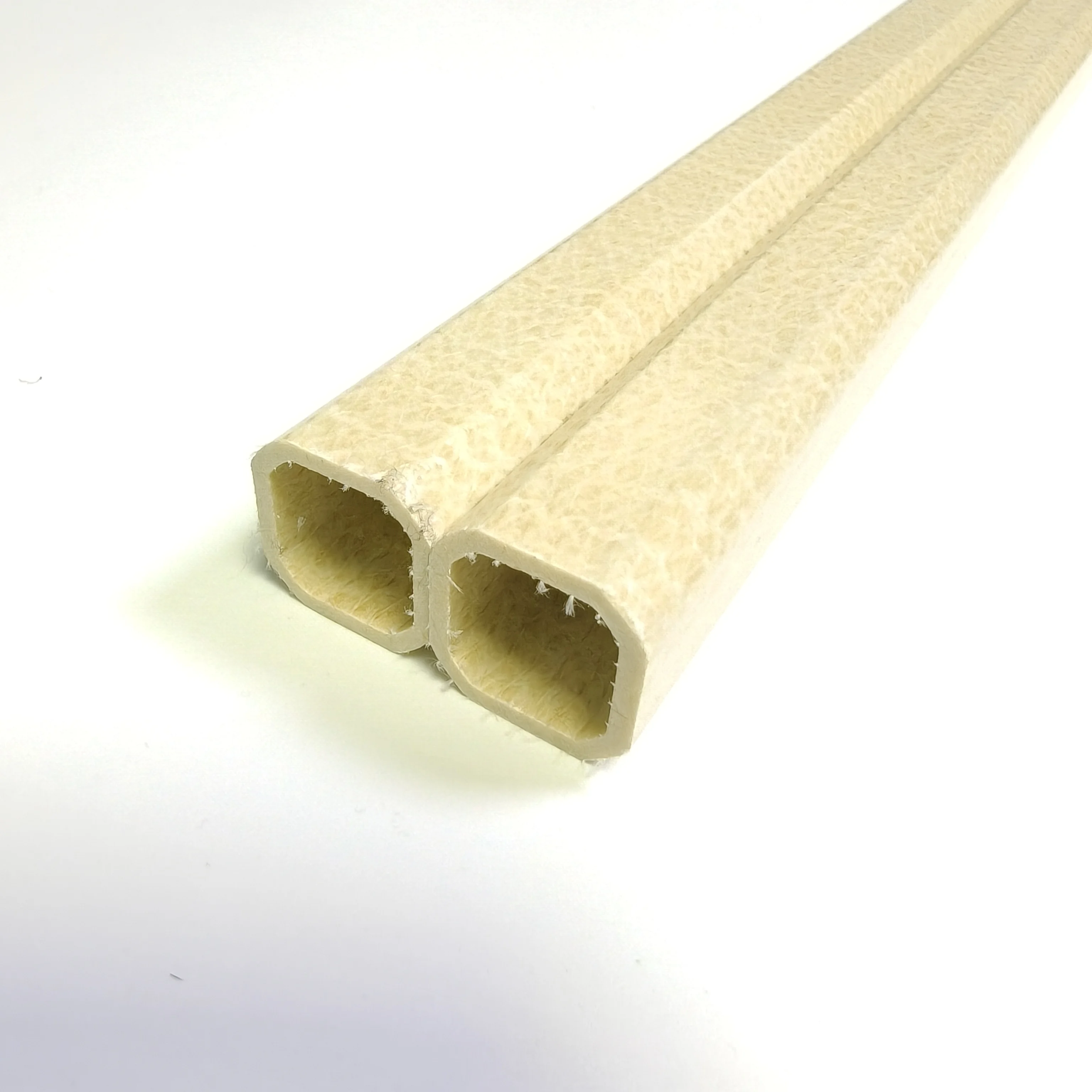
fiberglass tube made in china
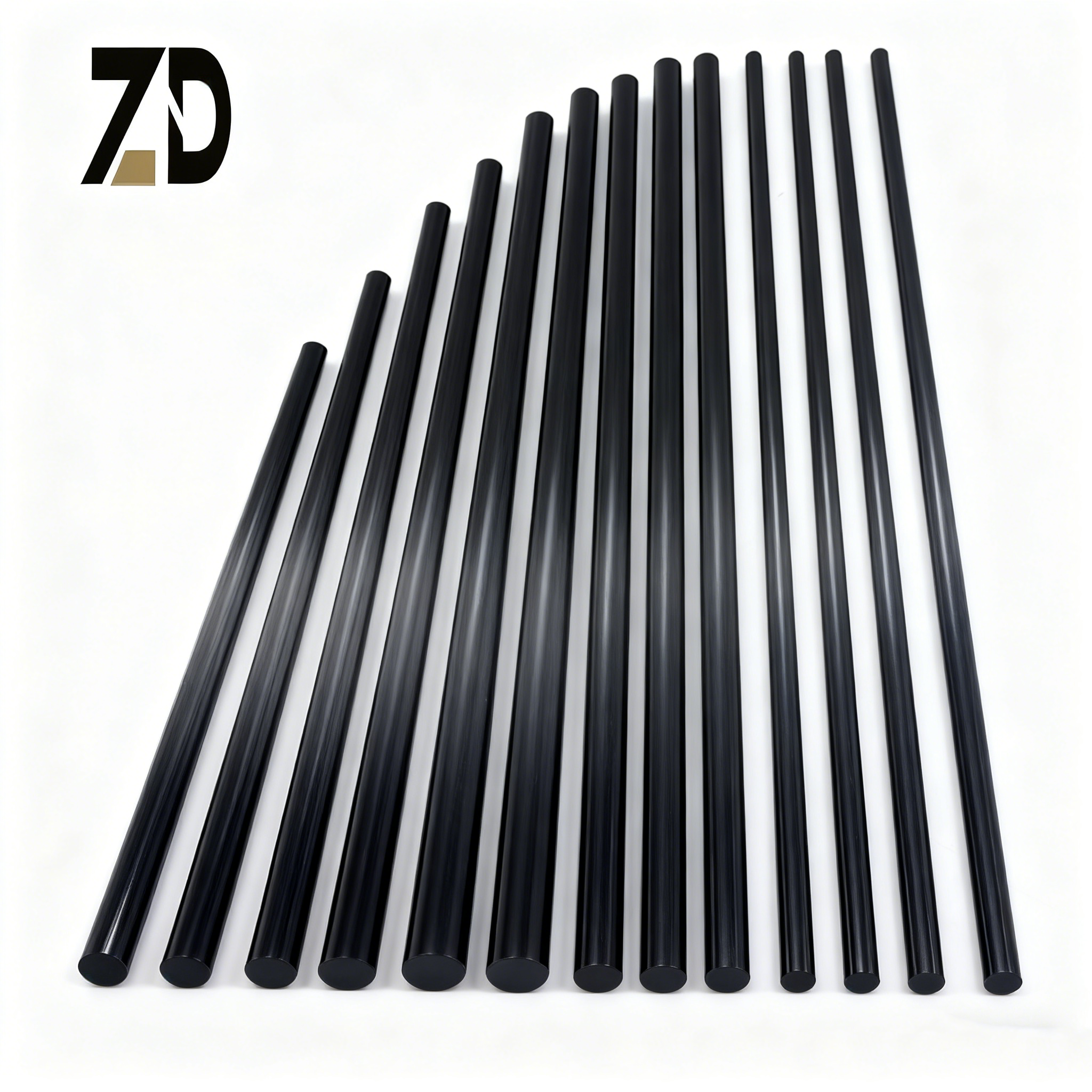
Fiberglass tube made in China represents a revolutionary advancement in composite material engineering, offering exceptional performance across diverse industrial applications. These innovative tubular structures combine glass fiber reinforcement with advanced resin systems, creating products that deliver superior strength-to-weight ratios compared to traditional materials. Chinese manufacturers have invested heavily in cutting-edge production technologies, establishing themselves as global leaders in fiberglass tube manufacturing. The production process involves precision pultrusion or filament winding techniques, where continuous glass fibers are saturated with thermosetting resins and formed into seamless tubular shapes. This manufacturing approach ensures consistent wall thickness, optimal fiber orientation, and excellent surface finish. The fiberglass tube made in China exhibits remarkable resistance to corrosion, chemicals, and environmental degradation, making them ideal for harsh operating conditions. These tubes maintain their structural integrity across temperature ranges from -40°C to 150°C, demonstrating exceptional thermal stability. The lightweight nature of fiberglass tubes reduces transportation costs and simplifies installation procedures, while their non-conductive properties provide electrical safety in sensitive applications. Chinese manufacturers utilize various resin systems including polyester, vinyl ester, and epoxy, allowing customization for specific performance requirements. The tubes are available in numerous diameters, wall thicknesses, and lengths to accommodate different project specifications. Quality control measures throughout production ensure consistent mechanical properties, dimensional accuracy, and surface quality. Advanced testing protocols verify tensile strength, flexural modulus, impact resistance, and long-term durability. The fiberglass tube made in China meets international standards including ASTM, ISO, and ANSI specifications, ensuring global compatibility and reliability. Manufacturing facilities employ automated production lines with computerized process control, maintaining tight tolerances and minimizing human error. The versatility of these tubes enables applications spanning construction, telecommunications, transportation, marine, and industrial sectors, where traditional materials often fall short of performance expectations.
 ×
×

 EN
EN