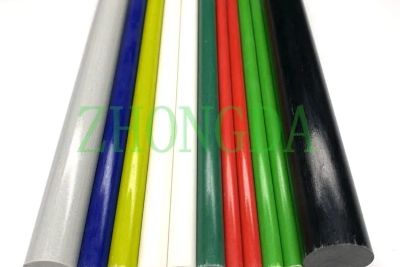
High-Performance FRP Beams: Lightweight, Corrosion-Resistant Structural Solutions for Modern Construction

Get a Free Quote

Our representative will contact you soon.
Email
Name
Company Name
Message
0/1000

frp beam

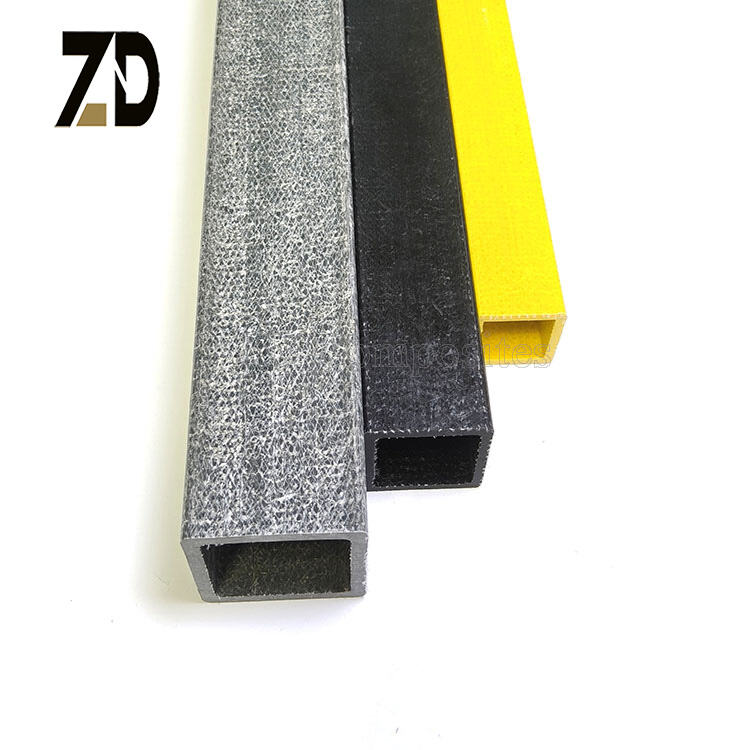
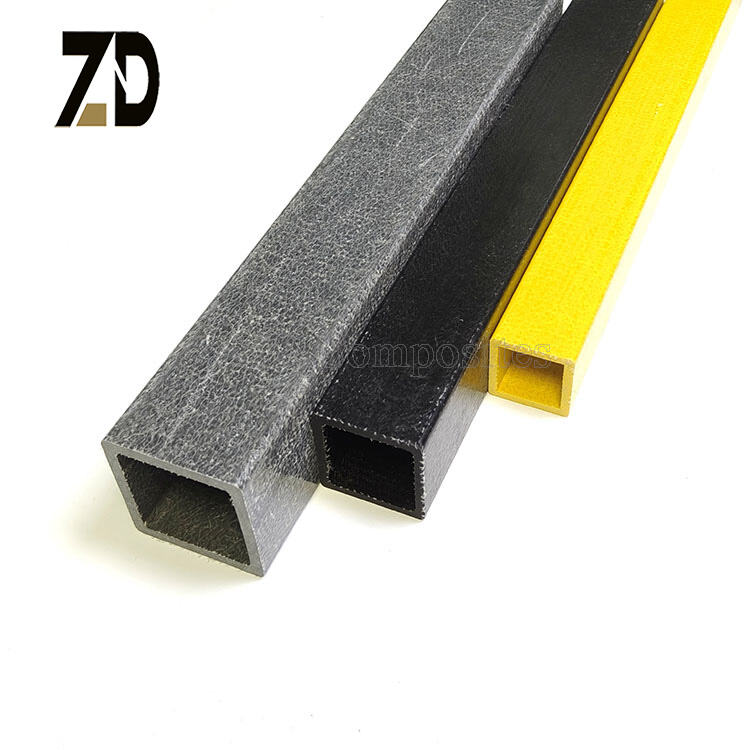
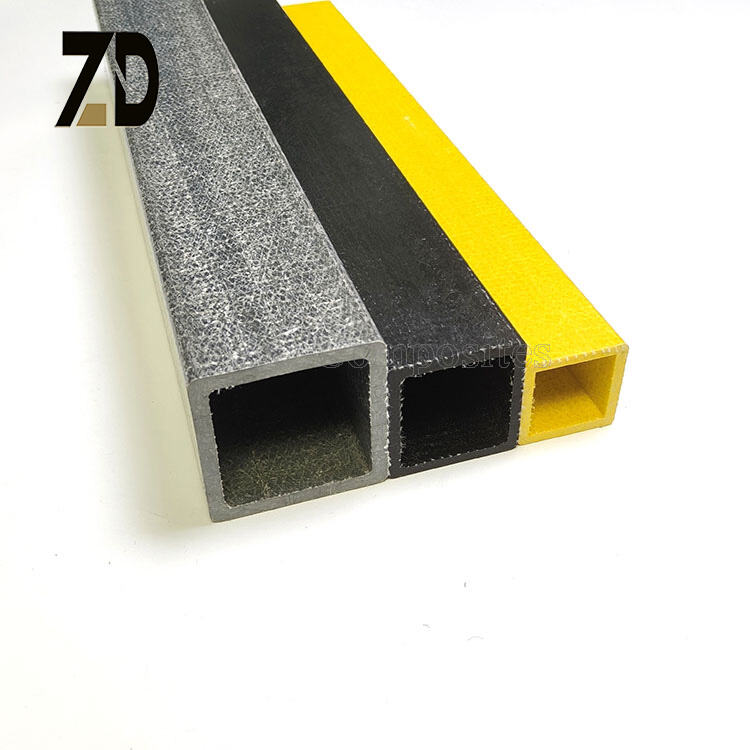
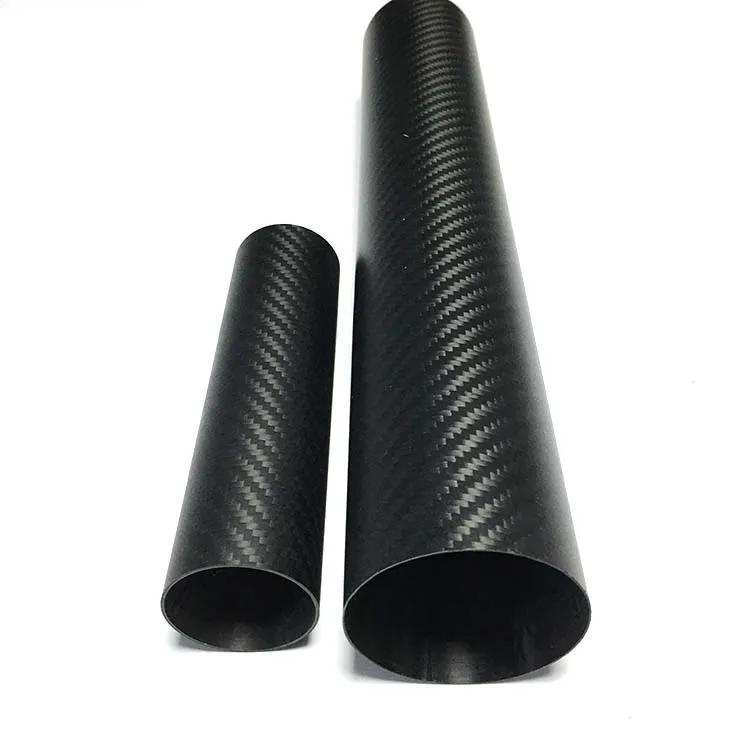
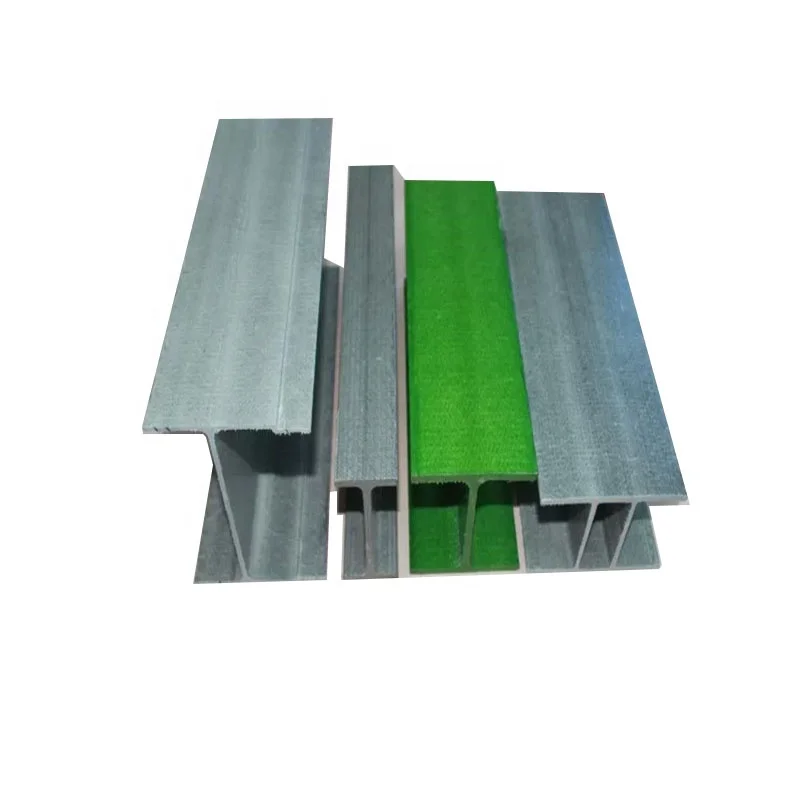
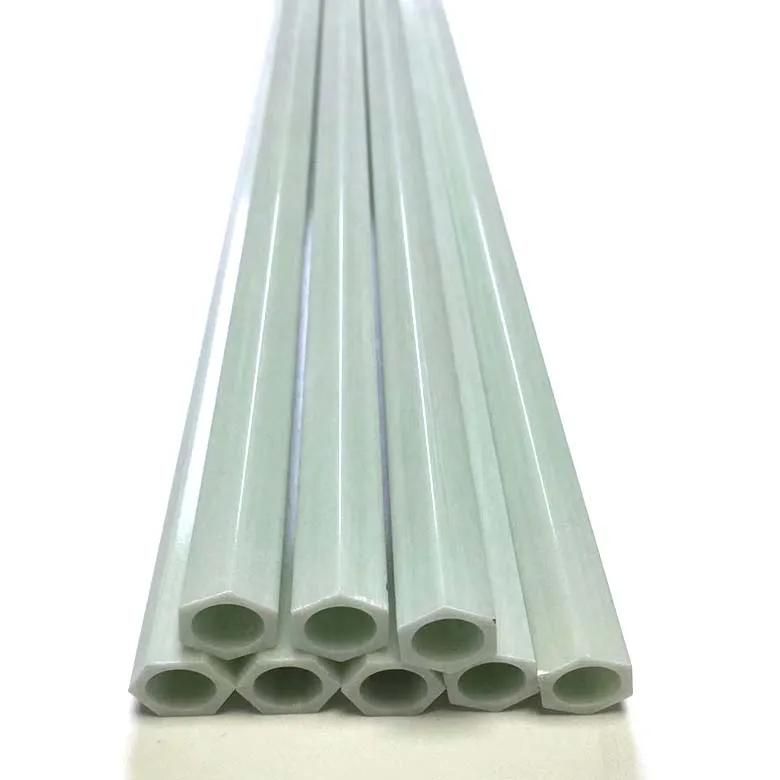
The FRP beam represents a revolutionary advancement in modern construction and engineering applications, combining innovative fiber-reinforced polymer technology with exceptional structural performance. FRP beams consist of high-strength fibers, typically glass, carbon, or aramid, embedded within a polymer matrix system that creates a composite material with remarkable properties. These structural elements serve as primary load-bearing components in various construction projects, offering superior performance compared to traditional materials like steel or concrete. The main functions of FRP beams include providing structural support for buildings, bridges, and industrial facilities while maintaining excellent resistance to environmental factors. The technological features of FRP beams include their lightweight nature, which significantly reduces overall structural weight while maintaining high strength-to-weight ratios. These beams exhibit exceptional corrosion resistance, making them ideal for harsh environments where traditional materials would deteriorate rapidly. The manufacturing process involves pultrusion or hand lay-up techniques, allowing for precise control over fiber orientation and resin distribution. FRP beams demonstrate excellent fatigue resistance, ensuring long-term structural integrity under cyclic loading conditions. Applications for FRP beams span multiple industries, including marine construction where saltwater exposure demands corrosion-resistant materials, chemical processing facilities requiring chemical-resistant structural elements, and rehabilitation projects where lightweight solutions minimize structural modifications. Infrastructure applications include pedestrian bridges, parking structures, and building retrofits where reducing dead loads is crucial. The versatility of FRP beams extends to specialized applications such as electromagnetic transparency requirements in telecommunications facilities and non-conductive properties needed in electrical installations. These beams can be manufactured in various cross-sectional shapes including I-beams, rectangular hollow sections, and custom profiles to meet specific engineering requirements, making them adaptable to diverse structural challenges across multiple sectors.

New Products

FRP beams offer numerous practical benefits that make them superior choices for modern construction projects. The lightweight nature of FRP beams dramatically reduces transportation costs and installation complexity, allowing contractors to handle larger sections with smaller equipment. This weight reduction translates to significant savings in foundation requirements, as structures need less substantial support systems compared to traditional heavy materials. The installation process becomes faster and more efficient, reducing labor costs and project timelines considerably. Corrosion resistance stands as one of the most valuable advantages of FRP beams, eliminating the need for costly maintenance programs that plague steel structures. Unlike metal alternatives, FRP beams resist rust, chemical attack, and environmental degradation, maintaining their structural integrity for decades without protective coatings or regular maintenance interventions. This durability translates to lower lifecycle costs and reduced downtime for maintenance activities. The high strength-to-weight ratio of FRP beams enables engineers to design more efficient structures with longer spans and reduced material usage. These beams can carry substantial loads while weighing significantly less than equivalent steel or concrete elements, opening possibilities for innovative architectural designs previously considered impractical. The electromagnetic transparency of FRP beams provides unique advantages in facilities housing sensitive electronic equipment, telecommunications infrastructure, and medical imaging facilities where metal interference creates operational problems. FRP beams do not conduct electricity, making them ideal for electrical installations where safety concerns prohibit conductive materials. The thermal properties of FRP beams offer excellent insulation characteristics, reducing energy transfer and improving building efficiency. These beams resist thermal expansion and contraction cycles that can cause structural problems in traditional materials. Customization capabilities allow manufacturers to tailor FRP beams to specific project requirements, adjusting fiber types, orientations, and resin systems to optimize performance for particular applications. The smooth surface finish of FRP beams reduces maintenance requirements and provides aesthetic appeal without additional treatments. Environmental sustainability becomes a significant advantage as FRP beams require less energy to manufacture and transport compared to traditional materials, contributing to reduced carbon footprints for construction projects.

Latest News

How to Make a Carbon Fiber Box: Choosing the Right Prepreg, Resin & Mold

20

Oct

How to Make a Carbon Fiber Box: Choosing the Right Prepreg, Resin & Mold

View More
The advantages of fiberglass stakes

20

Oct

The advantages of fiberglass stakes

View More
Applications and advantages of carbon fiber materials in industry

27

Oct

Applications and advantages of carbon fiber materials in industry

View More

Get a Free Quote

Our representative will contact you soon.
Email
Name
Company Name
Message
0/1000

frp beam

Exceptional Corrosion Resistance for Long-Term Durability

Exceptional Corrosion Resistance for Long-Term Durability

The superior corrosion resistance of FRP beams represents one of their most compelling advantages, providing unmatched protection against environmental degradation that destroys traditional construction materials. Unlike steel beams that succumb to rust and corrosion when exposed to moisture, salt, chemicals, or industrial atmospheres, FRP beams maintain their structural integrity indefinitely under these harsh conditions. This remarkable resistance stems from the non-metallic composition of the polymer matrix and reinforcing fibers, which remain chemically inert when exposed to corrosive agents that would rapidly deteriorate conventional materials. In marine environments where saltwater exposure creates severe corrosion challenges, FRP beams continue performing optimally while steel alternatives require expensive protective coatings and frequent maintenance interventions. Chemical processing facilities benefit enormously from FRP beam installations, as these structures resist acid attacks, alkaline solutions, and industrial chemicals that would quickly compromise metal frameworks. The absence of corrosion eliminates the structural weakening that occurs in steel beams over time, ensuring consistent load-bearing capacity throughout the service life of the structure. This durability translates directly into significant cost savings for property owners, as maintenance requirements become virtually non-existent compared to traditional materials that demand regular inspection, cleaning, coating renewal, and eventual replacement. Infrastructure projects in coastal regions, industrial zones, and areas with aggressive environmental conditions particularly benefit from FRP beam installations, as these locations accelerate corrosion processes in conventional materials. The long-term reliability of FRP beams eliminates unexpected structural failures and costly emergency repairs that can disrupt operations and endanger occupants. Furthermore, the consistent performance characteristics of FRP beams throughout their service life provide predictable structural behavior, allowing engineers to design with confidence and building owners to plan maintenance budgets more accurately.
Superior Strength-to-Weight Ratio Enabling Innovative Design Solutions

Superior Strength-to-Weight Ratio Enabling Innovative Design Solutions

The exceptional strength-to-weight ratio of FRP beams revolutionizes structural design possibilities by providing remarkable load-bearing capacity while maintaining significantly reduced weight compared to traditional construction materials. This unique characteristic enables engineers to create longer spans, taller structures, and more innovative architectural designs that would be impractical or impossible with conventional steel or concrete beams. The high-strength fibers embedded within the polymer matrix create a composite material that can match or exceed the strength of steel while weighing approximately 75% less, fundamentally changing how structures can be conceived and constructed. Construction projects benefit immensely from this weight reduction, as lighter structural elements require less substantial foundations, reducing excavation costs, concrete usage, and overall project complexity. Transportation advantages become immediately apparent when moving FRP beams to construction sites, as standard trucks can carry more material per load, reducing shipping costs and environmental impact associated with multiple deliveries. Installation procedures become more efficient and safer, as construction crews can handle larger beam sections with smaller cranes and lifting equipment, accelerating construction schedules while reducing equipment rental costs. The reduced dead load of FRP beam structures allows for more efficient use of building space, as smaller foundations and support systems free up valuable real estate for productive use. Seismic considerations in earthquake-prone regions favor FRP beams, as lighter structures generate lower inertial forces during ground motion, reducing seismic demands on foundations and connections. Renovation and retrofit projects particularly benefit from FRP beam advantages, as existing structures can accommodate new loads without requiring extensive foundation reinforcement that would be necessary with heavier traditional materials. The design flexibility afforded by the superior strength-to-weight ratio of FRP beams enables architects to pursue bold, innovative concepts while engineers can optimize structural efficiency, creating buildings that are both aesthetically striking and economically viable for long-term operation.
Advanced Customization Capabilities for Specialized Applications

Advanced Customization Capabilities for Specialized Applications

The remarkable customization capabilities of FRP beams provide unparalleled flexibility in meeting specific project requirements, allowing manufacturers to tailor these structural elements precisely to unique engineering challenges and performance specifications. Unlike standardized steel or concrete beams that offer limited modification options, FRP beams can be engineered with specific fiber types, orientations, resin systems, and cross-sectional geometries to optimize performance for particular applications. This customization begins with fiber selection, where engineers choose between glass, carbon, aramid, or hybrid fiber combinations based on required strength characteristics, environmental resistance, and cost considerations. The orientation of these fibers can be precisely controlled during manufacturing to align with expected load directions, maximizing structural efficiency and performance. Resin matrix selection enables optimization for specific environmental conditions, with options including vinyl ester for chemical resistance, epoxy for high-strength applications, or polyurethane for impact resistance and flexibility. Cross-sectional shapes can be designed to meet exact structural requirements, whether standard I-beam configurations, custom hollow sections for reduced weight, or specialized profiles for architectural applications. Surface treatments and finishes can be incorporated during manufacturing to provide specific aesthetic qualities, slip resistance, or additional environmental protection without compromising structural performance. The pultrusion manufacturing process allows for continuous production of complex cross-sections with consistent quality and dimensional accuracy, enabling mass production of custom-designed beams for large projects. Color integration throughout the material eliminates the need for painting or external finishes while providing long-lasting appearance that won't fade, chip, or require maintenance. Embedded systems such as sensors, conduits, or connection hardware can be integrated during manufacturing, creating smart structural elements that provide real-time performance monitoring or facilitate complex installation requirements. This level of customization extends to mechanical properties, where fiber volume fractions, layer arrangements, and processing parameters can be adjusted to achieve specific strength, stiffness, or fatigue characteristics required for demanding applications in aerospace, marine, or infrastructure projects.

Get a Free Quote

Our representative will contact you soon.
Email
Name
Company Name
Message
0/1000