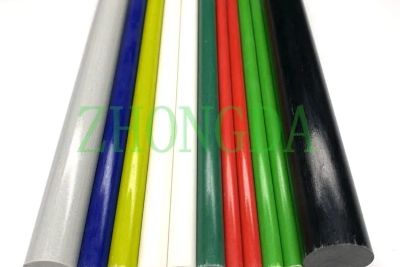
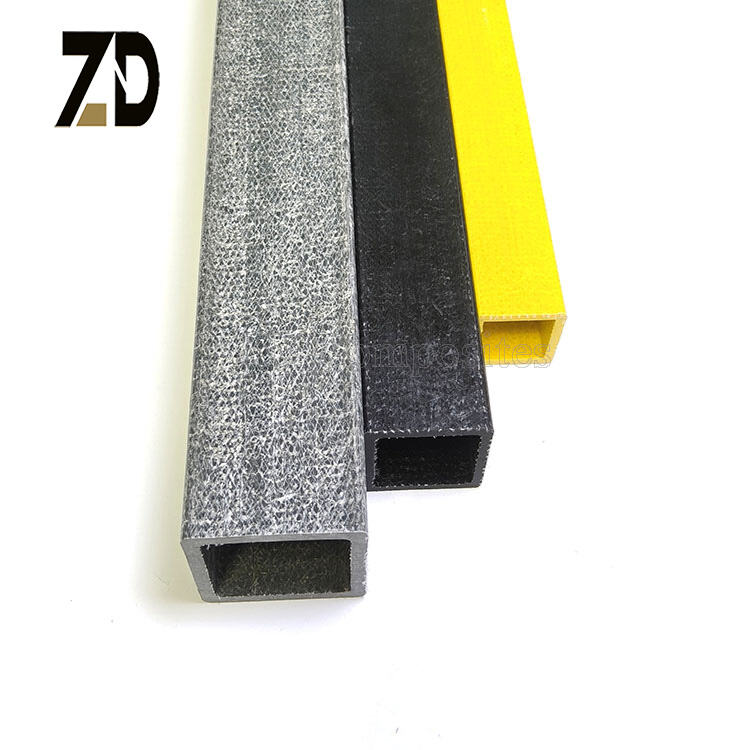
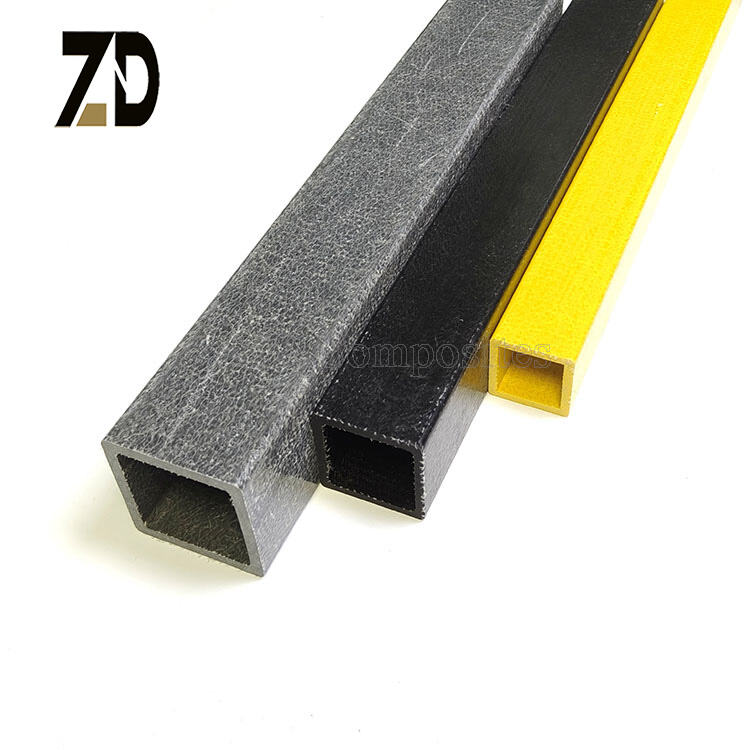
frp structural profile
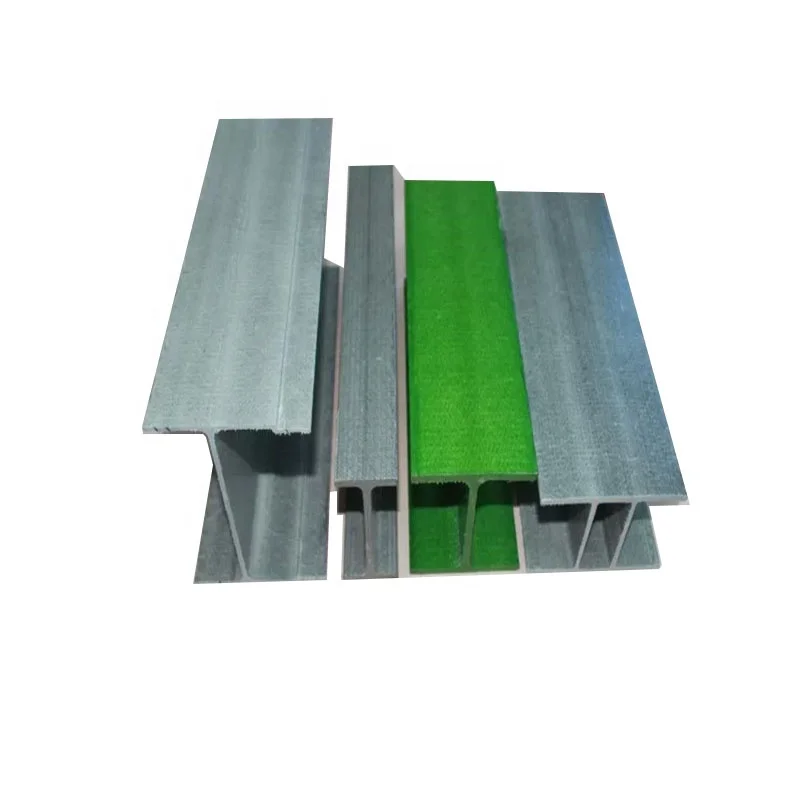
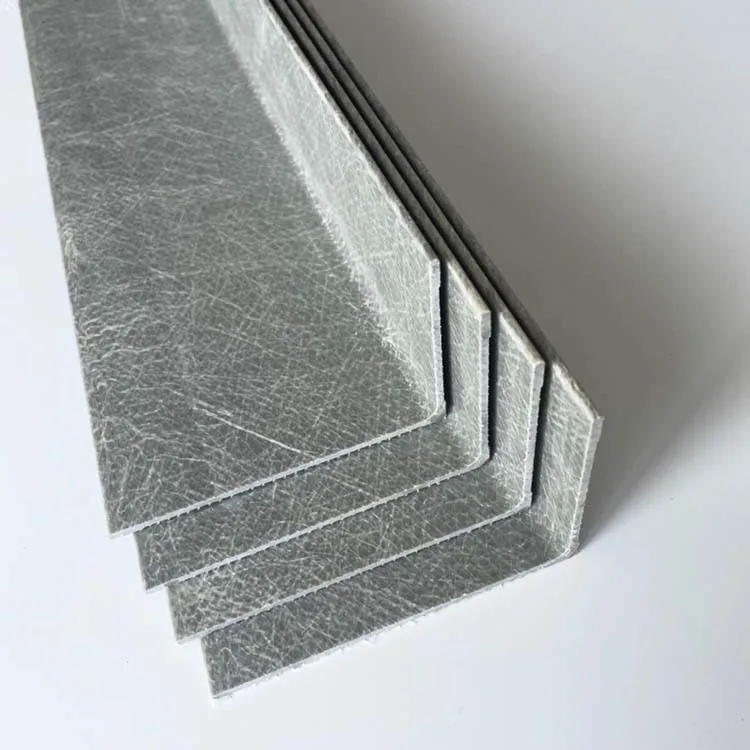
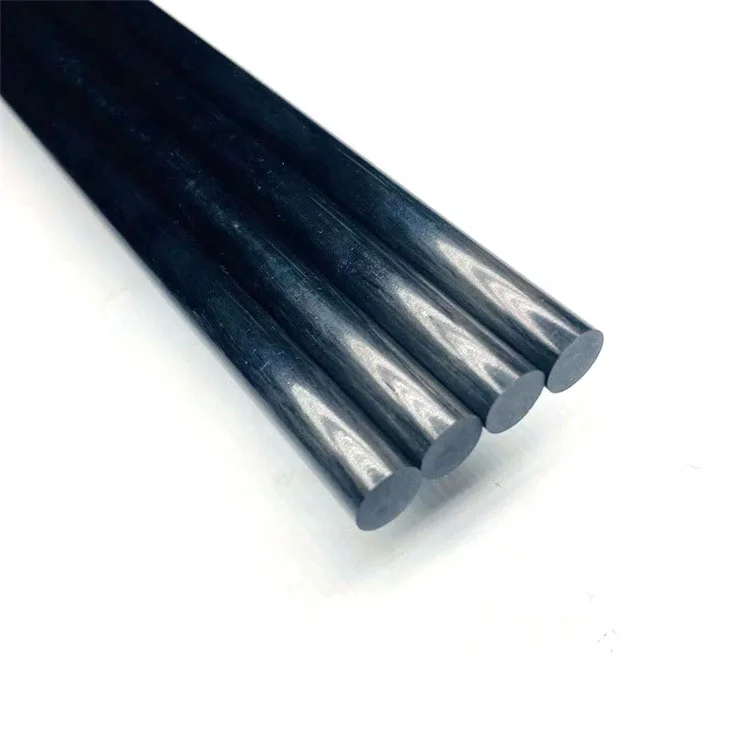
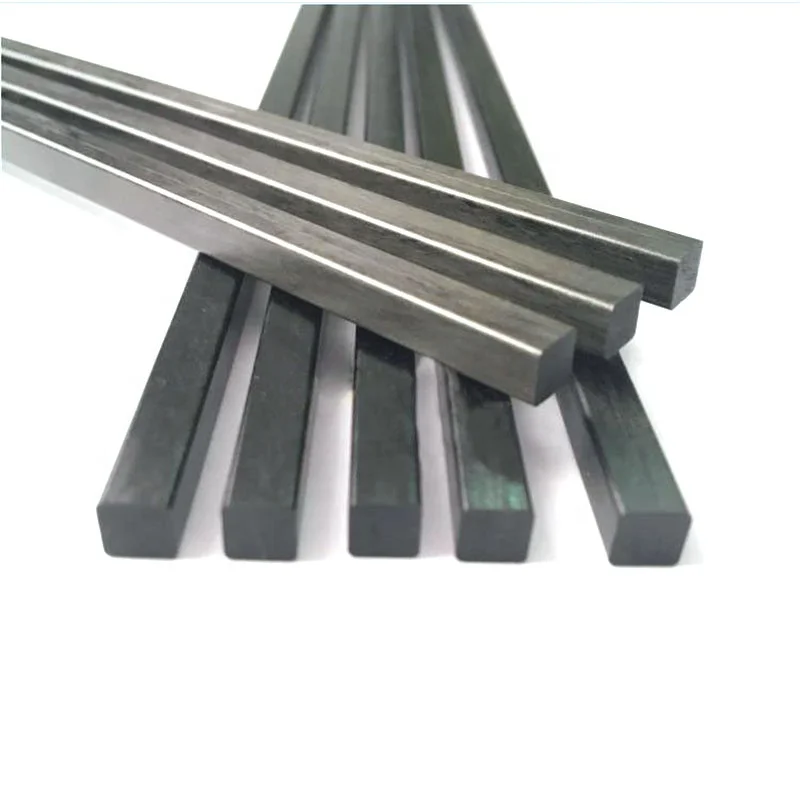
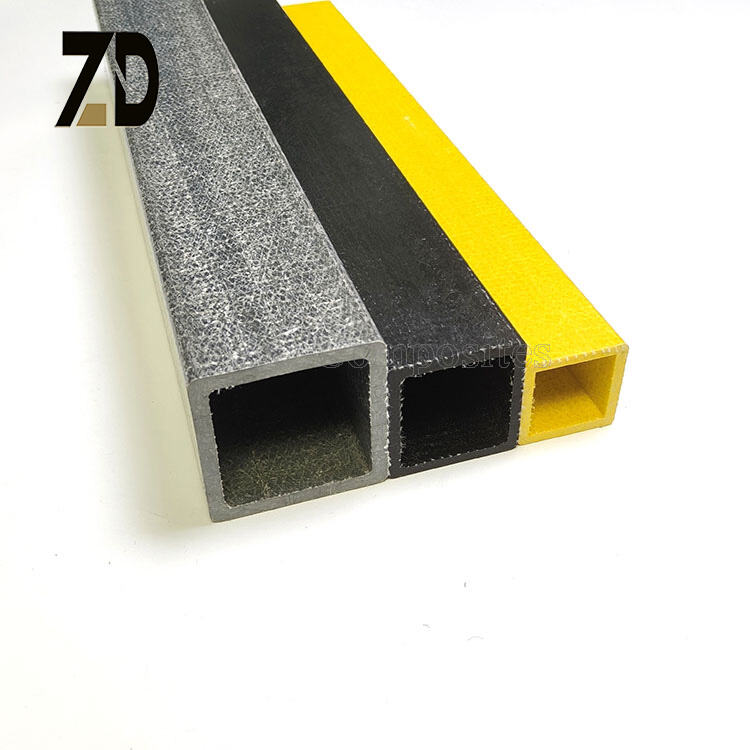
FRP structural profile represents a revolutionary advancement in modern construction and engineering materials, combining fiber reinforced plastic technology with precision manufacturing to create versatile building components. These profiles are engineered using advanced composite materials that integrate glass, carbon, or aramid fibers with polymer resins, resulting in structural elements that deliver exceptional performance across diverse applications. The manufacturing process involves pultrusion techniques where continuous fibers are pulled through resin baths and heated dies, creating consistent cross-sectional shapes with superior mechanical properties. FRP structural profile systems offer architects, engineers, and contractors innovative solutions for challenging construction projects where traditional materials face limitations. The core functionality of these profiles centers on providing structural support while maintaining lightweight characteristics, making them ideal for applications requiring high strength-to-weight ratios. These profiles can be manufactured in various shapes including I-beams, channels, angles, tubes, and custom configurations to meet specific project requirements. The technological features encompass excellent corrosion resistance, electrical insulation properties, and dimensional stability under varying environmental conditions. Unlike conventional steel or aluminum profiles, FRP structural profile components resist rust, chemical degradation, and electromagnetic interference, ensuring long-term performance in harsh environments. The versatility of FRP structural profile extends to numerous industries including construction, marine, chemical processing, and infrastructure development, where durability and performance are critical factors for project success.
 ×
×

 EN
EN