High-Performance FRP Profile Solutions - Durable Fiberglass Composite Profiles for Industrial Applications

Get a Free Quote

Our representative will contact you soon.
Email
Name
Company Name
Message
0/1000

frp profile

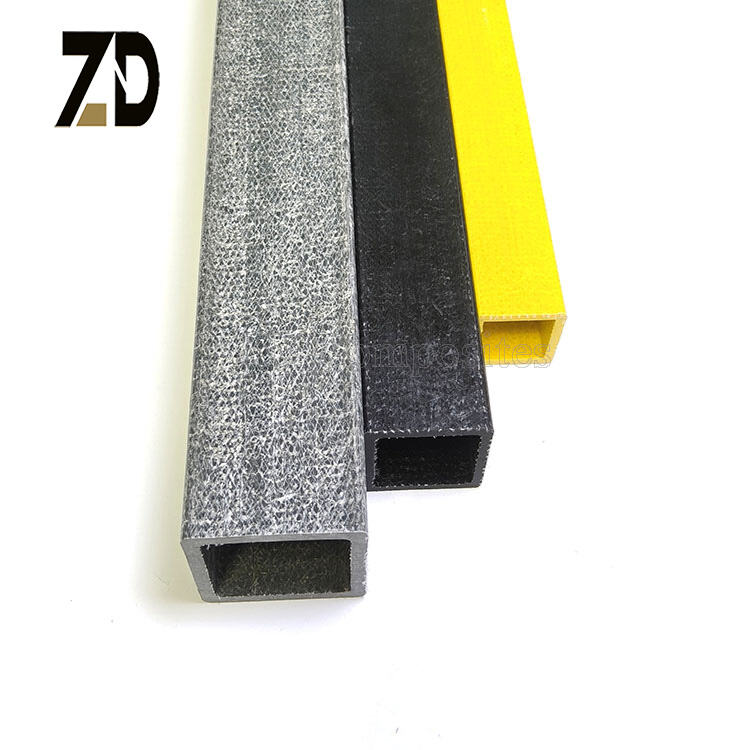
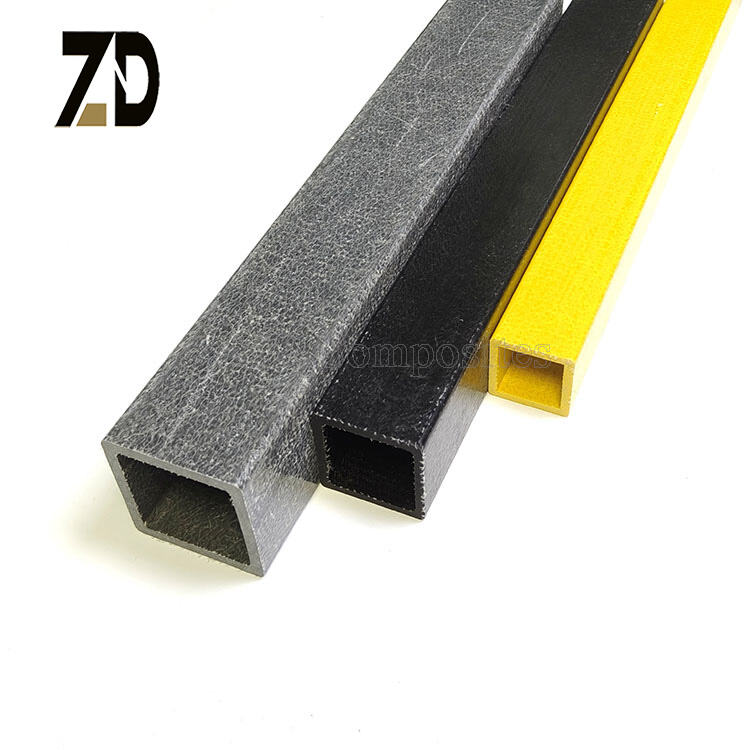
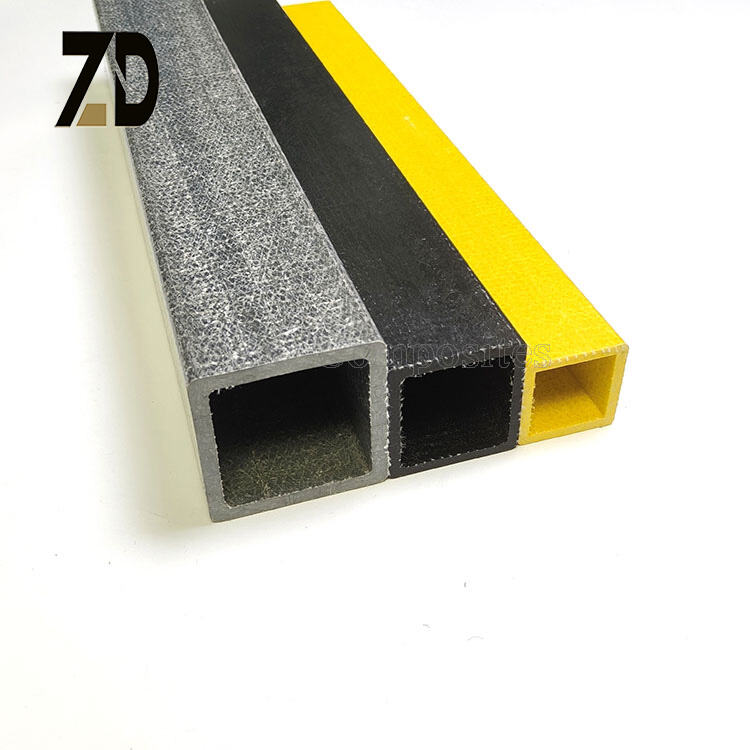
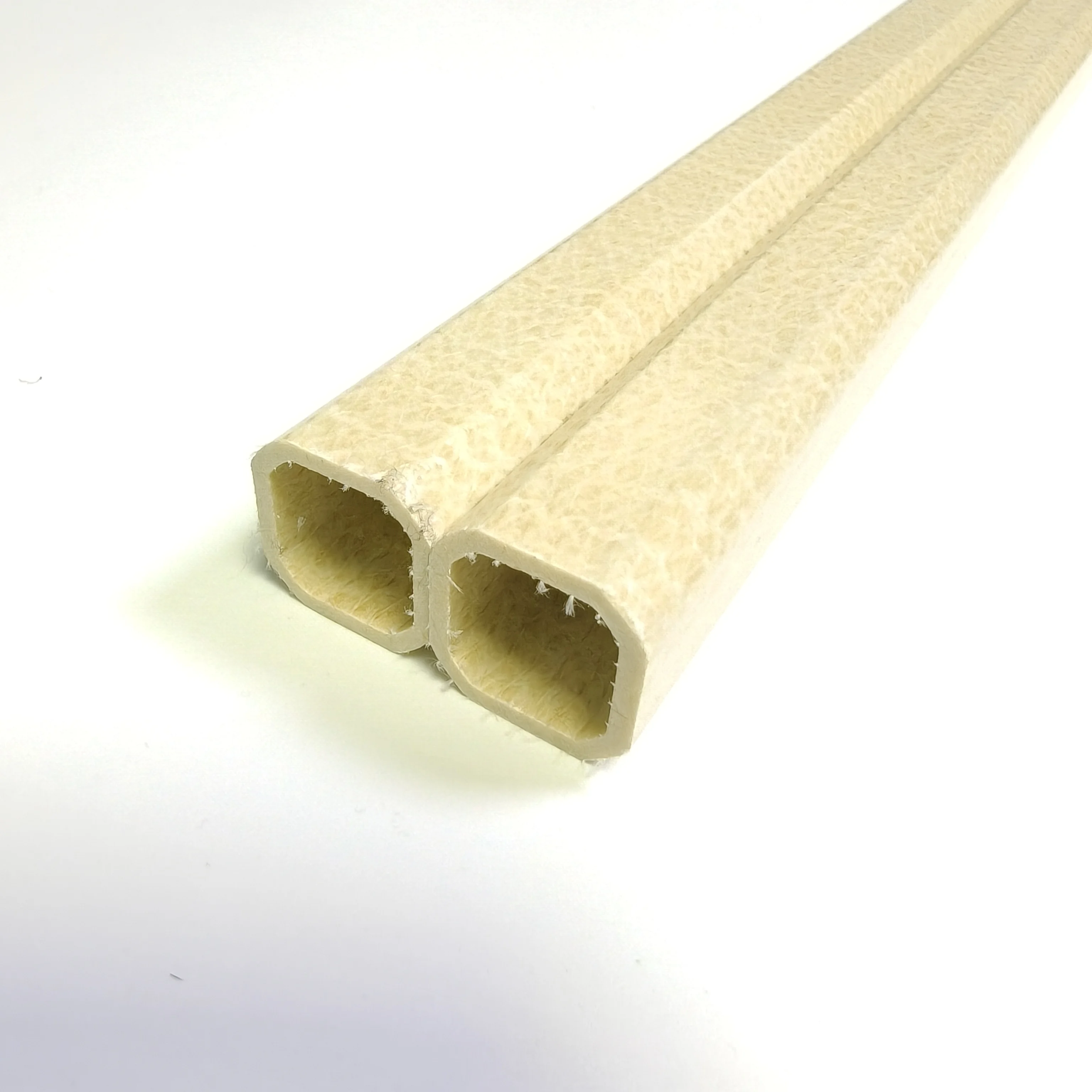
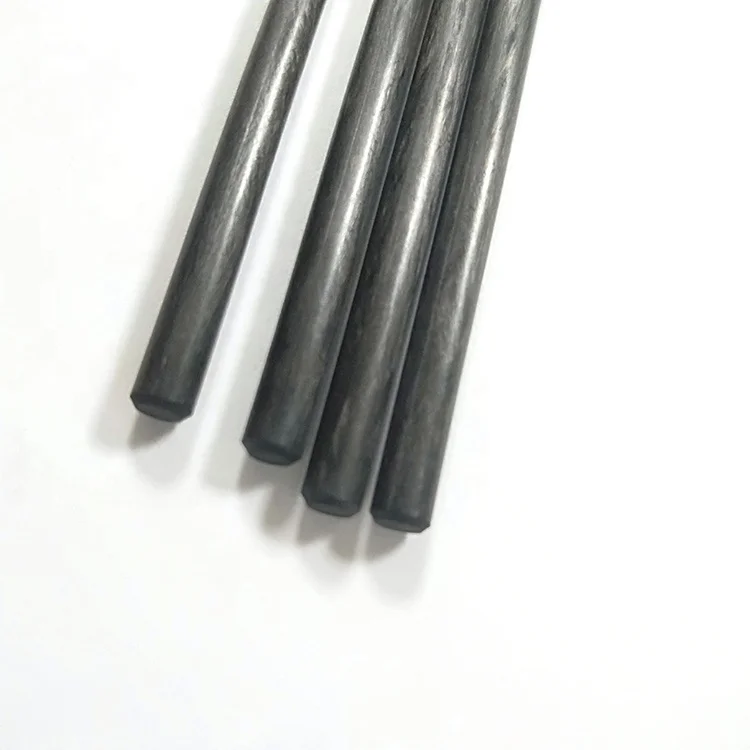
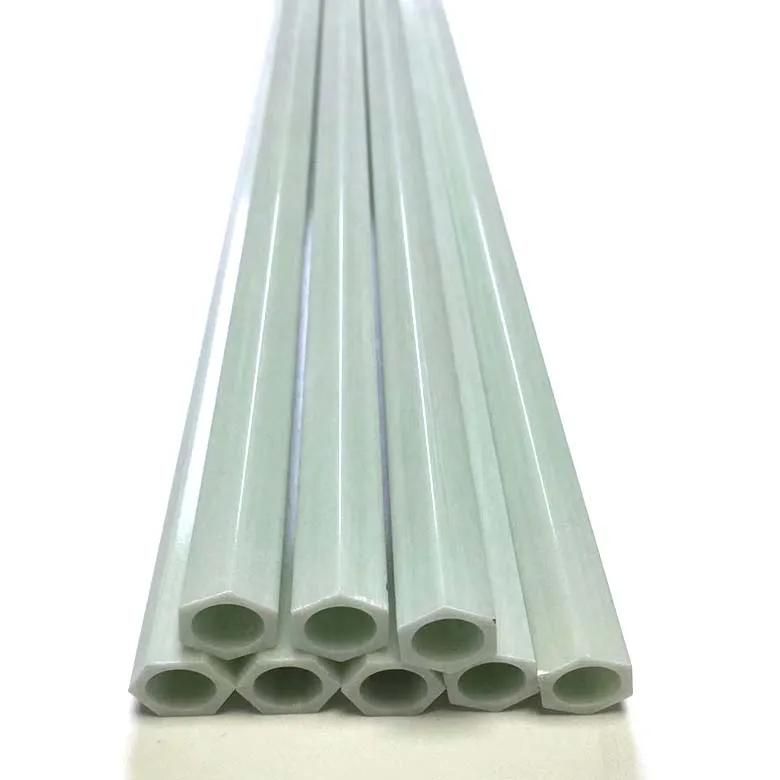
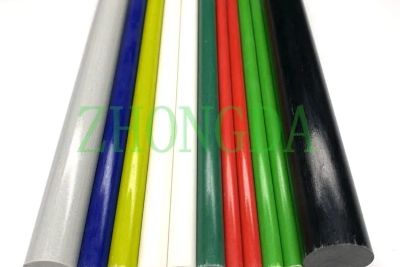
FRP profile, also known as Fiber Reinforced Plastic profile or fiberglass profile, represents a cutting-edge composite material solution that combines glass fibers with polymer resins to create structural elements with exceptional performance characteristics. This innovative manufacturing technology produces profiles through pultrusion processes, where continuous glass fibers are saturated with thermosetting resins and pulled through heated steel dies to form precise cross-sectional shapes. The resulting FRP profile exhibits remarkable strength-to-weight ratios, making it an ideal substitute for traditional materials like steel, aluminum, and wood in numerous applications. The manufacturing process ensures consistent quality and dimensional accuracy across various profile configurations, including angles, channels, beams, rods, and custom shapes. FRP profile technology incorporates advanced resin systems such as polyester, vinyl ester, and epoxy, each selected based on specific performance requirements and environmental conditions. The glass fiber reinforcement typically consists of E-glass or S-glass fibers arranged in multiple orientations to optimize mechanical properties. This composite structure delivers superior corrosion resistance, electrical insulation properties, and thermal stability compared to conventional materials. FRP profile applications span across construction, infrastructure, marine, chemical processing, telecommunications, and transportation industries. In construction projects, these profiles serve as structural beams, columns, and decking systems. Infrastructure applications include bridge components, walkways, and utility poles. The marine industry utilizes FRP profile for boat hulls, masts, and offshore platform structures. Chemical processing facilities rely on these profiles for equipment supports and piping systems due to their chemical resistance properties. The versatility of FRP profile extends to architectural applications where aesthetic appeal combines with functional performance, enabling creative design solutions while maintaining structural integrity and longevity.

New Product Releases

FRP profile offers numerous compelling advantages that make it superior to traditional materials in many applications. The most significant benefit is its exceptional corrosion resistance, which eliminates the need for costly maintenance programs typically required with steel structures. Unlike metal alternatives, FRP profile never rusts, corrodes, or deteriorates when exposed to moisture, chemicals, or harsh environmental conditions, resulting in substantial long-term cost savings and extended service life. The lightweight nature of FRP profile reduces transportation costs and simplifies installation procedures, requiring less heavy equipment and fewer workers during construction projects. This weight advantage translates to reduced foundation requirements and overall structural loads, leading to more economical building designs. The high strength-to-weight ratio ensures that FRP profile maintains excellent load-bearing capacity while remaining easy to handle and install. FRP profile demonstrates superior electrical insulation properties, making it ideal for applications near power lines or in electrically sensitive environments where metal materials would pose safety risks. The non-conductive nature eliminates concerns about electrical grounding and provides inherent safety benefits in various industrial settings. Thermal properties of FRP profile include low thermal conductivity, reducing heat transfer and improving energy efficiency in building applications. The material exhibits excellent dimensional stability across wide temperature ranges, maintaining its shape and performance characteristics without warping or significant expansion. FRP profile requires minimal maintenance throughout its service life, as it resists UV degradation, moisture absorption, and biological attack from insects or marine organisms. The smooth surface finish prevents dirt accumulation and enables easy cleaning when required. Manufacturing flexibility allows for custom colors and surface textures to be incorporated during production, eliminating the need for painting or additional finishing processes. This customization capability extends to complex cross-sectional shapes that would be difficult or impossible to achieve with traditional materials. FRP profile also offers excellent fatigue resistance, maintaining its mechanical properties under repeated loading cycles. The material's non-magnetic properties make it suitable for applications where magnetic interference must be avoided. Fire retardant grades are available for applications requiring enhanced fire safety performance. These combined advantages make FRP profile a cost-effective, durable, and versatile solution for modern engineering challenges.

Tips And Tricks

How to Make a Carbon Fiber Box: Choosing the Right Prepreg, Resin & Mold

20

Oct

How to Make a Carbon Fiber Box: Choosing the Right Prepreg, Resin & Mold

View More
The advantages of fiberglass stakes

20

Oct

The advantages of fiberglass stakes

View More
Applications and advantages of carbon fiber materials in industry

27

Oct

Applications and advantages of carbon fiber materials in industry

View More

Get a Free Quote

Our representative will contact you soon.
Email
Name
Company Name
Message
0/1000

frp profile

Unmatched Corrosion Resistance for Long-Term Durability

Unmatched Corrosion Resistance for Long-Term Durability

The superior corrosion resistance of FRP profile represents one of its most valuable characteristics, delivering exceptional long-term performance in challenging environments where traditional materials fail. This remarkable property stems from the inherent chemical inertness of the polymer matrix and glass fiber reinforcement, creating a barrier that effectively resists attack from acids, alkalis, salts, and organic solvents. Unlike steel profiles that require regular painting, galvanizing, or other protective coatings to prevent rust and corrosion, FRP profile maintains its structural integrity and appearance without any protective treatments. This corrosion immunity proves particularly valuable in marine environments, chemical processing facilities, wastewater treatment plants, and coastal infrastructure projects where exposure to corrosive substances is constant. The economic benefits of this corrosion resistance extend far beyond initial material costs, as maintenance expenses are virtually eliminated over the product's service life. Traditional steel structures in corrosive environments typically require repainting every few years, sandblasting to remove rust, and eventual replacement of severely corroded sections. These maintenance activities involve significant labor costs, equipment rental, and facility downtime that can exceed the original material investment many times over. FRP profile eliminates these recurring expenses while ensuring consistent performance for decades. In wastewater treatment applications, for example, FRP profile maintains its properties when exposed to hydrogen sulfide, chlorine compounds, and acidic conditions that rapidly degrade metal alternatives. Chemical processing industries benefit from FRP profile's resistance to a wide range of industrial chemicals, enabling equipment designs that would be impossible with conventional materials. The predictable long-term performance of FRP profile also simplifies lifecycle cost calculations and enables more accurate project budgeting. Design engineers can specify FRP profile with confidence, knowing that structural properties will remain consistent throughout the intended service life without degradation from environmental factors.
Exceptional Strength-to-Weight Ratio for Enhanced Performance

Exceptional Strength-to-Weight Ratio for Enhanced Performance

The outstanding strength-to-weight ratio of FRP profile delivers unparalleled performance advantages that revolutionize structural design possibilities across multiple industries. This superior characteristic results from the strategic combination of high-strength glass fibers oriented to resist primary loads while the lightweight polymer matrix transfers forces efficiently throughout the composite structure. Typical FRP profile exhibits tensile strengths comparable to or exceeding steel while weighing approximately 75 percent less, creating opportunities for innovative designs that were previously impractical or impossible. This weight advantage translates into numerous practical benefits throughout the entire project lifecycle, from manufacturing and transportation to installation and long-term operation. Transportation costs decrease significantly due to reduced shipping weights, allowing more material to be transported per truck or container load. Installation procedures become safer and more efficient as workers can handle longer sections without heavy lifting equipment, reducing crane rental costs and accelerating construction schedules. The reduced structural weight enables designers to minimize foundation requirements and supporting structure sizes, leading to overall system cost reductions. In bridge applications, FRP profile decking systems reduce dead loads on existing structures, often allowing increased live load capacity or extended service life without major structural modifications. Aerospace and marine applications particularly benefit from weight reduction, as it directly improves fuel efficiency and payload capacity. The high strength characteristics ensure that structural performance requirements are met or exceeded despite the significant weight savings. FRP profile maintains excellent stiffness properties, preventing excessive deflection under load while remaining lightweight. This combination enables longer spans between supports and more open architectural designs. The material's fatigue resistance ensures that repeated loading cycles do not compromise structural integrity, making it ideal for dynamic applications such as pedestrian bridges and industrial platforms. Manufacturing consistency ensures that strength properties remain uniform across production runs, providing designers with reliable engineering data for structural calculations. The predictable mechanical behavior of FRP profile simplifies analysis and enables optimization of structural designs for maximum efficiency.
Versatile Design Flexibility and Customization Options

Versatile Design Flexibility and Customization Options

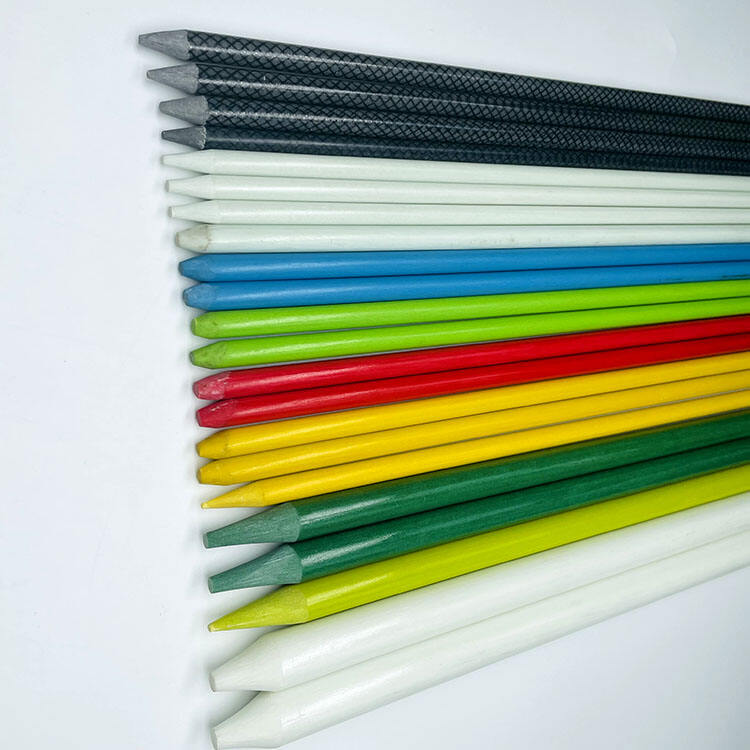
FRP profile offers exceptional design flexibility and customization capabilities that enable engineers and architects to create innovative solutions tailored to specific project requirements. The pultrusion manufacturing process allows for virtually unlimited cross-sectional shapes and configurations, from simple rectangular tubes and angles to complex multi-cavity profiles with integrated features. This design freedom extends beyond basic geometry to include custom colors, surface textures, and specialized performance characteristics incorporated during manufacturing. Unlike traditional materials that require secondary operations for modifications, FRP profile can be engineered with integral fastening points, cable channels, mounting features, and decorative elements formed directly during production. The material's moldability enables designers to specify unique profiles that optimize structural efficiency while meeting aesthetic requirements. Color matching capabilities eliminate the need for painting or surface treatments, as pigments are integrated into the resin matrix during manufacturing, ensuring color consistency and permanence throughout the profile's service life. Surface textures can range from smooth finishes for easy cleaning to aggressive anti-slip patterns for safety applications, all achieved without additional processing steps. The customization extends to material properties, where resin systems and fiber orientations can be optimized for specific loading conditions, environmental exposures, or performance requirements. Fire retardant grades, enhanced UV resistance, and specialized chemical resistance formulations can be incorporated as needed. This flexibility proves invaluable in applications requiring non-standard dimensions or unique performance characteristics that off-the-shelf products cannot address. Architectural applications particularly benefit from the design freedom, enabling creative facade systems, decorative elements, and structural components that combine aesthetic appeal with functional performance. The ability to produce profiles with thin walls and complex internal geometries creates opportunities for lightweight designs with maximum structural efficiency. Integration of multiple functions into single profiles reduces assembly complexity and installation time while improving overall system reliability. Prototype development and design iteration become more practical with FRP profile, as tooling costs are typically lower than those required for metal extrusions or complex fabrications. This accessibility encourages innovation and enables cost-effective exploration of new design concepts.

Get a Free Quote

Our representative will contact you soon.
Email
Name
Company Name
Message
0/1000