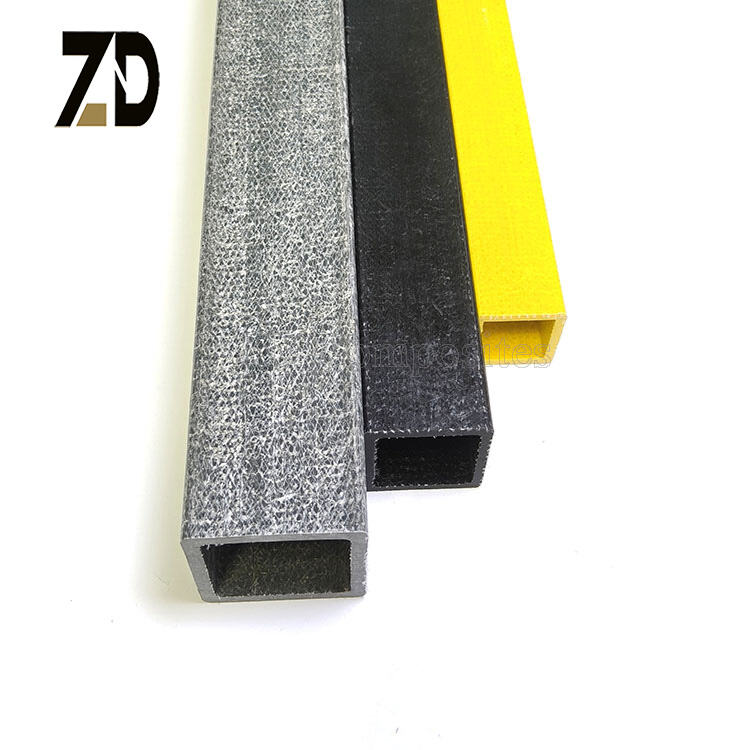
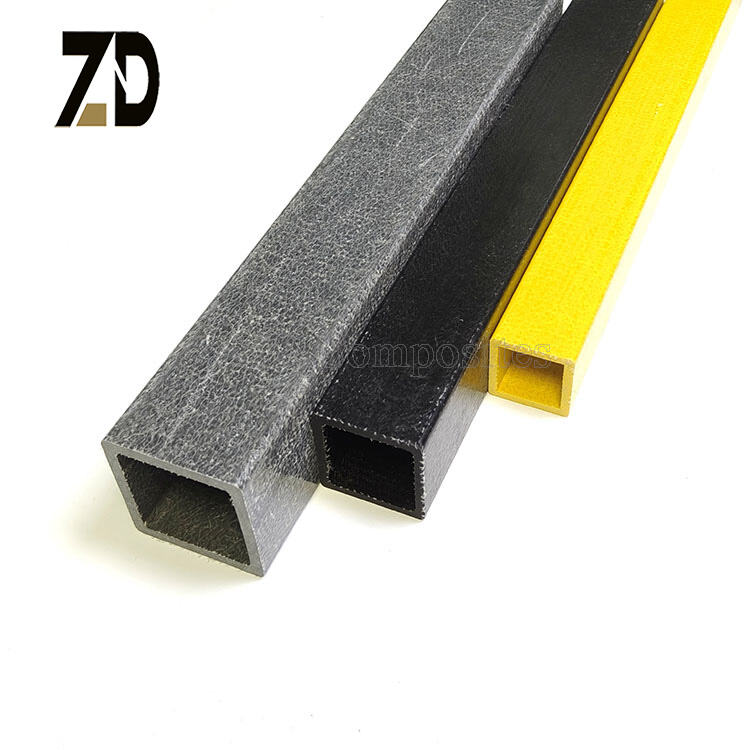
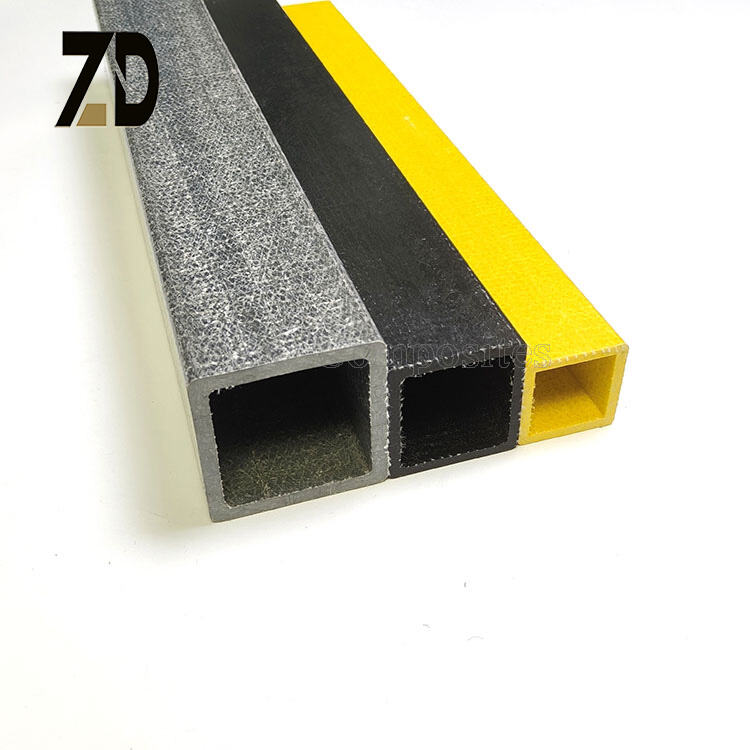
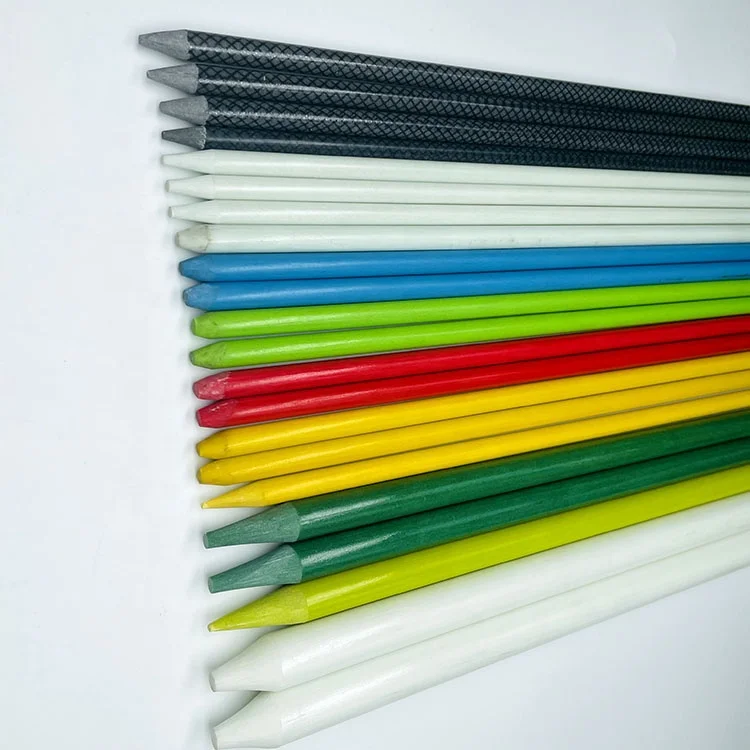
Premium Fiberglass Products: Durable, Versatile Composite Solutions for Industrial Applications

Get a Free Quote

Our representative will contact you soon.
Email
Name
Company Name
Message
0/1000

fiberglass products

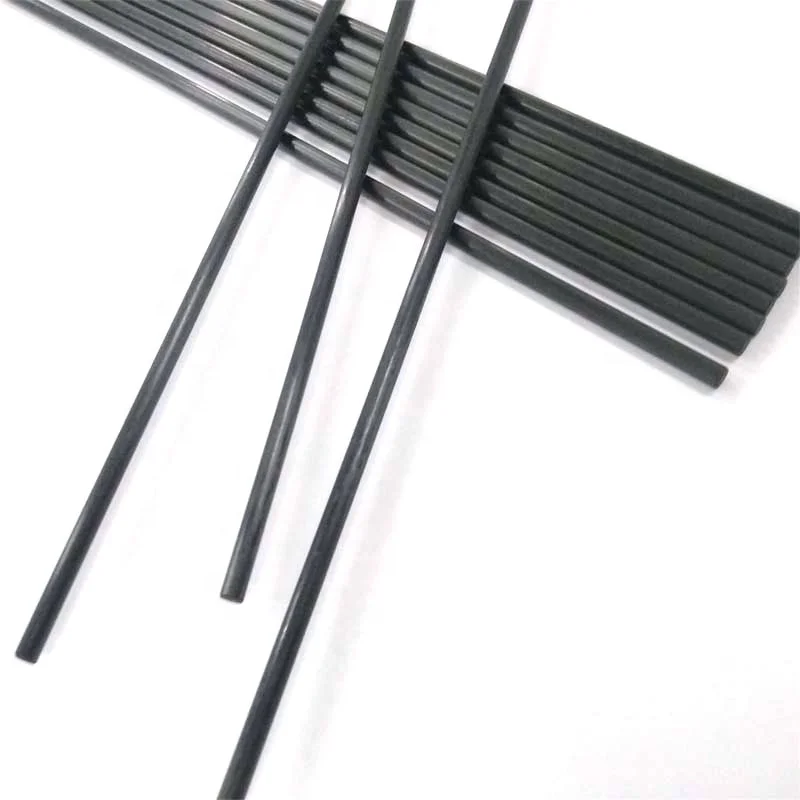
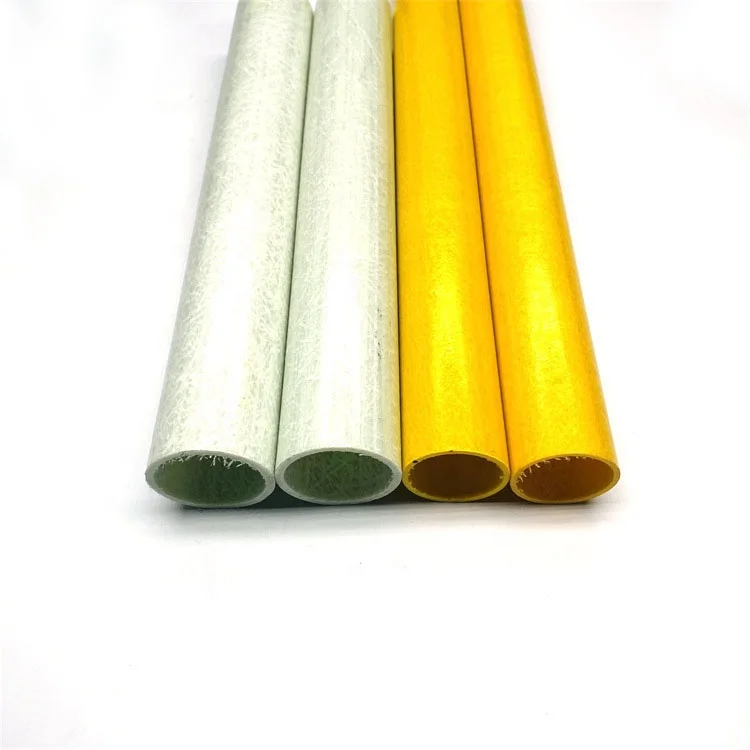
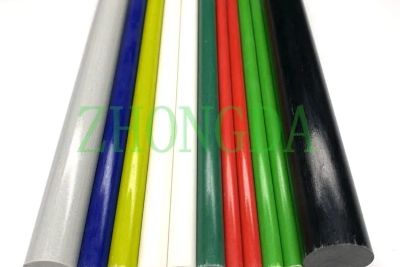
Fiberglass products represent a revolutionary advancement in composite materials, combining glass fibers with polymer resins to create versatile solutions for countless industrial and commercial applications. These fiberglass products are manufactured through sophisticated processes that weave or mat glass fibers together, then bind them with thermosetting resins to form strong, lightweight composite materials. The main functions of fiberglass products include structural reinforcement, insulation, corrosion resistance, and dimensional stability across various temperature ranges. Technological features of modern fiberglass products encompass exceptional strength-to-weight ratios, superior chemical resistance, excellent electrical insulation properties, and remarkable durability under extreme environmental conditions. The manufacturing process allows for precise control over fiber orientation, resin content, and final product characteristics, making fiberglass products suitable for highly specialized applications. These products excel in marine environments, chemical processing facilities, construction projects, automotive manufacturing, and aerospace applications where traditional materials often fail. Fiberglass products demonstrate remarkable versatility in their ability to be molded into complex shapes while maintaining structural integrity. The non-conductive nature of fiberglass products makes them ideal for electrical applications, while their resistance to UV radiation ensures long-term performance in outdoor installations. Modern fiberglass products can be engineered with specific additives to enhance fire resistance, improve surface finish, or increase impact strength depending on application requirements. The technological advancement in resin systems has enabled fiberglass products to achieve superior mechanical properties while remaining cost-effective compared to metal alternatives. These composite materials offer design flexibility that allows engineers to optimize performance characteristics for specific load requirements, environmental conditions, and service life expectations.

New Products

Fiberglass products deliver exceptional advantages that make them superior choices for demanding applications across multiple industries. The primary benefit lies in their outstanding strength-to-weight ratio, where fiberglass products can match or exceed the structural performance of steel while weighing significantly less, reducing transportation costs and installation complexity. Corrosion resistance stands as another crucial advantage, as fiberglass products never rust, corrode, or deteriorate when exposed to harsh chemicals, saltwater, or acidic environments that would quickly destroy metal components. This characteristic eliminates the need for expensive protective coatings, ongoing maintenance, and frequent replacements, resulting in substantial long-term cost savings for businesses and organizations. The dimensional stability of fiberglass products ensures consistent performance across wide temperature ranges, preventing warping, expansion, or contraction that could compromise structural integrity or operational efficiency. Unlike traditional materials, fiberglass products maintain their mechanical properties in extreme weather conditions, from arctic cold to desert heat, making them reliable choices for outdoor installations and challenging environments. The electrical insulation properties of fiberglass products provide safety advantages in electrical applications, eliminating risks associated with conductive materials and reducing insurance costs for facilities handling electrical equipment. Manufacturing flexibility represents another significant advantage, as fiberglass products can be molded into virtually any shape or configuration during production, eliminating expensive machining operations and reducing waste materials. The surface finish quality of fiberglass products can be controlled during manufacturing, producing smooth, attractive surfaces that require minimal post-processing or finishing work. Environmental resistance includes UV stability, preventing degradation from solar radiation that affects many plastic materials over time. The non-magnetic properties of fiberglass products make them valuable in applications where magnetic interference must be minimized, such as electronic equipment housings or scientific instruments. Fire resistance can be engineered into fiberglass products through specialized resin systems, providing safety advantages in critical applications. The thermal insulation properties help reduce energy costs in building applications while the acoustic dampening characteristics improve noise control in industrial settings.

Tips And Tricks

How to Make a Carbon Fiber Box: Choosing the Right Prepreg, Resin & Mold

20

Oct

How to Make a Carbon Fiber Box: Choosing the Right Prepreg, Resin & Mold

View More
The advantages of fiberglass stakes

20

Oct

The advantages of fiberglass stakes

View More
Applications and advantages of carbon fiber materials in industry

27

Oct

Applications and advantages of carbon fiber materials in industry

View More

Get a Free Quote

Our representative will contact you soon.
Email
Name
Company Name
Message
0/1000

fiberglass products

Superior Durability and Longevity Performance

Superior Durability and Longevity Performance

The exceptional durability of fiberglass products stems from their unique molecular structure that resists degradation from environmental factors that typically compromise traditional materials. Unlike metals that succumb to oxidation and corrosion, fiberglass products maintain their structural integrity for decades without requiring protective treatments or regular maintenance interventions. This inherent resistance to chemical attack makes fiberglass products ideal for chemical processing plants, wastewater treatment facilities, and marine applications where constant exposure to corrosive substances would rapidly destroy conventional materials. The polymer matrix within fiberglass products creates a protective barrier around the glass fibers, preventing moisture penetration and chemical infiltration that could weaken the composite structure over time. Temperature cycling, which causes expansion and contraction in metal components leading to fatigue failure, has minimal impact on properly designed fiberglass products due to their low coefficient of thermal expansion and excellent thermal stability. The fatigue resistance of fiberglass products exceeds that of many metals under cyclic loading conditions, making them suitable for applications involving repeated stress cycles such as wind turbine blades, automotive springs, and vibrating equipment supports. UV radiation, which degrades many polymer materials, can be effectively blocked in fiberglass products through the incorporation of UV stabilizers and protective gel coats that maintain surface integrity and appearance for extended periods. The dimensional stability of fiberglass products under varying humidity conditions prevents warping, swelling, or shrinkage that could compromise fit and function in precision applications. This stability translates into reduced maintenance costs, fewer replacement cycles, and improved operational reliability for end users. The ability to engineer specific durability characteristics into fiberglass products during manufacturing allows for customization based on anticipated service conditions, ensuring optimal performance throughout the intended lifespan while maintaining cost-effectiveness.
Exceptional Design Flexibility and Customization Options

Exceptional Design Flexibility and Customization Options

The remarkable design flexibility of fiberglass products enables engineers and designers to create complex geometries and integrated features that would be impossible or prohibitively expensive with traditional manufacturing methods. This capability stems from the moldable nature of fiberglass products during the manufacturing process, where liquid resin systems can flow into intricate mold details while glass reinforcements provide structural support exactly where needed. Complex curves, varying wall thicknesses, and integrated mounting features can be incorporated directly into fiberglass products during fabrication, eliminating assembly operations and reducing potential failure points. The ability to orient glass fibers in specific directions allows engineers to optimize strength characteristics along primary load paths while minimizing material usage in non-critical areas, resulting in efficient designs that maximize performance per unit weight. Multi-functional integration represents a significant advantage of fiberglass products, where structural elements, insulation properties, and decorative surfaces can be combined into single components that replace multiple traditional parts. Color and texture can be incorporated directly into fiberglass products during manufacturing, eliminating the need for painting or surface treatments that add cost and maintenance requirements over the product lifecycle. The scalability of fiberglass products manufacturing processes accommodates both prototype development and high-volume production runs, making them suitable for everything from custom architectural elements to mass-produced consumer goods. Hybrid constructions combining fiberglass products with other materials such as foam cores, metal inserts, or fabric layers create composite systems with enhanced properties tailored to specific application requirements. The relatively low tooling costs for fiberglass products compared to metal forming operations make small to medium production runs economically viable, encouraging innovation and customization in niche markets. Design modifications can often be implemented through mold adjustments rather than complete retooling, providing flexibility to adapt products based on user feedback or changing requirements without significant capital investment.
Outstanding Environmental and Safety Performance

Outstanding Environmental and Safety Performance

The environmental and safety performance of fiberglass products provides substantial benefits for both users and surrounding communities through their non-toxic composition and stable behavior under normal operating conditions. Unlike many industrial materials, fiberglass products do not leach harmful chemicals into soil or groundwater, making them environmentally responsible choices for infrastructure projects and permanent installations. The inert nature of cured fiberglass products means they will not contribute to air pollution through off-gassing or particulate emissions during normal service life, supporting improved indoor air quality in buildings and enclosed spaces. Fire performance characteristics of fiberglass products can be engineered to meet specific safety requirements through the selection of flame-retardant resin systems and the incorporation of fire-resistant additives that prevent ignition and limit flame spread without releasing toxic gases. The lightweight nature of fiberglass products reduces transportation energy requirements and carbon footprint associated with material delivery to job sites, while their durability minimizes replacement frequency and associated environmental impacts over the product lifecycle. Chemical resistance properties eliminate the need for hazardous protective coatings and treatments that require special handling, storage, and disposal procedures, reducing workplace safety risks and environmental contamination potential. The electrical insulation properties of fiberglass products provide inherent safety in applications where electrical contact could pose hazards to personnel or equipment, reducing the need for additional safety barriers and protective systems. Non-slip surface textures can be molded directly into fiberglass products, improving safety in walkways, platforms, and work surfaces without requiring additional treatments or coatings that might wear away over time. The thermal properties of fiberglass products help maintain comfortable temperatures in occupied spaces while reducing energy consumption for heating and cooling, contributing to overall environmental sustainability goals. Recyclability options for fiberglass products continue to improve through developing technologies that can recover and reuse both fiber and resin components, supporting circular economy principles and waste reduction initiatives.

Get a Free Quote

Our representative will contact you soon.
Email
Name
Company Name
Message
0/1000