High-Performance FRP I Beams - Superior Structural Solutions for Modern Construction

Get a Free Quote

Our representative will contact you soon.
Email
Name
Company Name
Message
0/1000

frp i beam

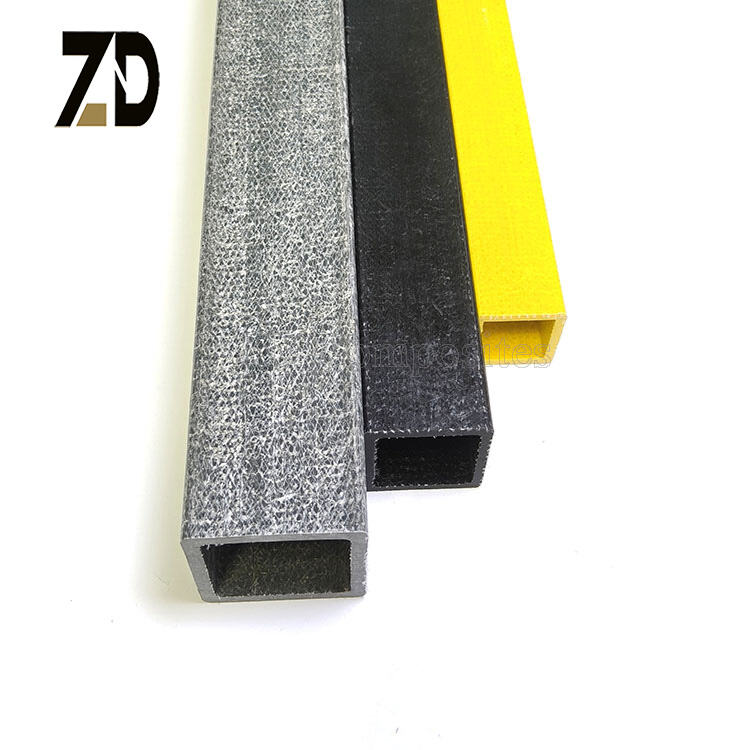
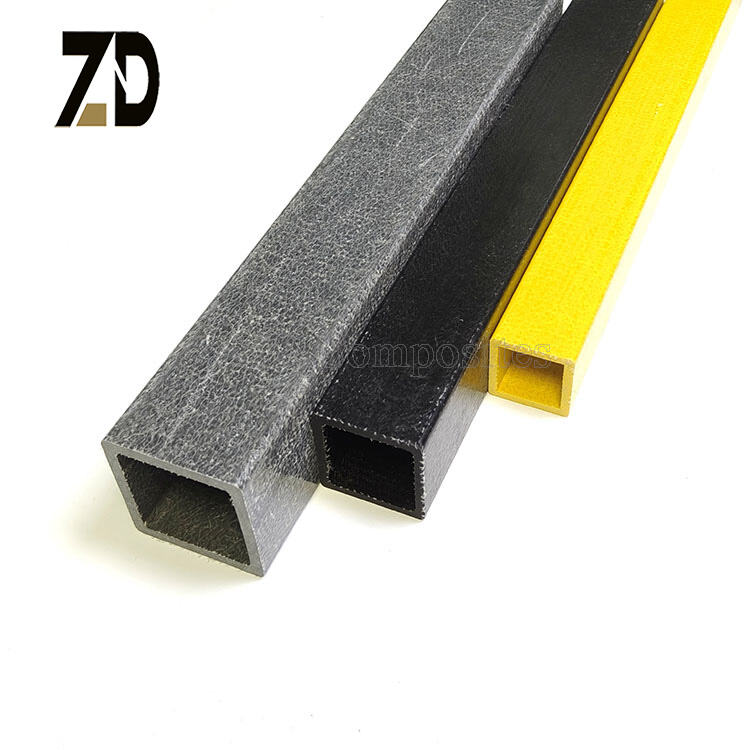
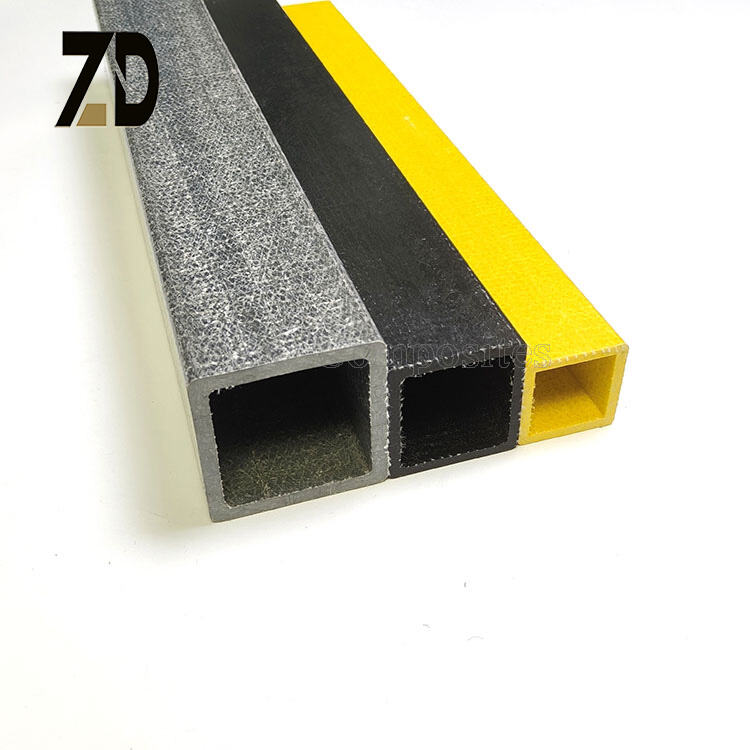
The FRP I beam represents a revolutionary advancement in structural engineering, combining the traditional shape of steel I-beams with the superior properties of fiber-reinforced plastic materials. These innovative structural components utilize a composite construction that incorporates high-strength fibers, typically glass or carbon, embedded within a polymer matrix to create exceptionally durable and lightweight load-bearing elements. The FRP I beam maintains the familiar profile that engineers and construction professionals recognize, featuring flanges connected by a central web, but delivers performance characteristics that far exceed conventional materials. The manufacturing process involves pultrusion or filament winding techniques that ensure consistent fiber orientation and optimal resin distribution throughout the beam structure. This sophisticated production method results in structural members that exhibit remarkable strength-to-weight ratios while maintaining dimensional stability under varying environmental conditions. The FRP I beam serves multiple critical functions in modern construction and industrial applications, primarily providing structural support for floors, roofs, bridges, and specialized platforms where traditional materials face limitations. These beams excel in corrosive environments where steel would deteriorate rapidly, making them invaluable for chemical processing facilities, marine structures, and wastewater treatment plants. The technological features of FRP I beams include superior corrosion resistance, electromagnetic transparency, thermal stability, and customizable mechanical properties through fiber selection and orientation. Unlike metallic alternatives, these composite beams do not conduct electricity, making them ideal for electrical substations and power generation facilities. The non-magnetic properties ensure compatibility with sensitive electronic equipment and MRI facilities. Additionally, FRP I beams demonstrate excellent fatigue resistance, maintaining structural integrity through millions of load cycles without the stress concentrations common in welded steel connections.

New Products

FRP I beams offer substantial practical benefits that directly impact project costs, maintenance requirements, and long-term performance. The lightweight nature of these composite beams significantly reduces transportation costs and simplifies installation procedures, allowing smaller crews to handle larger structural elements safely. This weight reduction translates to lower foundation requirements and reduced overall building loads, potentially saving thousands of dollars in structural design modifications. The corrosion resistance eliminates the need for protective coatings, regular painting, or cathodic protection systems that steel beams require, resulting in dramatically reduced maintenance expenses over the structure's lifetime. Property owners save money year after year because FRP I beams maintain their structural properties and appearance without ongoing treatment. The dimensional stability prevents warping, twisting, or dimensional changes that plague wooden beams in varying humidity conditions, ensuring consistent performance and eliminating costly adjustments. FRP I beams resist damage from harsh chemicals, salt spray, and aggressive industrial environments where traditional materials fail prematurely, extending service life beyond conventional expectations. The electromagnetic transparency allows radio waves and wireless signals to pass through without interference, making these beams perfect for communication towers and facilities requiring uninterrupted signal transmission. Installation teams appreciate the consistent quality and predictable performance of FRP I beams, which arrive at job sites ready for immediate use without surface preparation or additional treatments. The fire-retardant formulations available meet strict building codes while maintaining structural integrity at elevated temperatures better than unprotected steel. Energy efficiency improves because FRP I beams do not create thermal bridges that transfer heat or cold through building envelopes, reducing heating and cooling costs. The design flexibility allows engineers to specify custom cross-sections, lengths, and properties tailored to specific applications, eliminating the compromises often required with standard steel sections. Construction schedules accelerate because FRP I beams arrive ready for installation without field modification, and their lighter weight enables faster crane cycles and reduced equipment requirements.

Latest News

How to Make a Carbon Fiber Box: Choosing the Right Prepreg, Resin & Mold

20

Oct

How to Make a Carbon Fiber Box: Choosing the Right Prepreg, Resin & Mold

View More
The advantages of fiberglass stakes

20

Oct

The advantages of fiberglass stakes

View More
Applications and advantages of carbon fiber materials in industry

27

Oct

Applications and advantages of carbon fiber materials in industry

View More

Get a Free Quote

Our representative will contact you soon.
Email
Name
Company Name
Message
0/1000

frp i beam

Superior Corrosion Resistance and Longevity

Superior Corrosion Resistance and Longevity

The exceptional corrosion resistance of FRP I beams represents their most compelling advantage, delivering unprecedented durability in challenging environments where traditional materials fail. Unlike steel beams that rust and deteriorate when exposed to moisture, chemicals, or salt, FRP I beams maintain their structural integrity indefinitely without protective coatings or maintenance interventions. This remarkable resistance stems from the non-metallic composition and the protective polymer matrix that encapsulates the reinforcing fibers, creating an impermeable barrier against corrosive agents. Chemical processing plants benefit enormously from this property, as FRP I beams withstand exposure to acids, bases, solvents, and other aggressive chemicals that would quickly destroy steel or concrete structures. Marine applications showcase another critical advantage, where salt spray and constant moisture create ideal conditions for metal corrosion but leave FRP I beams completely unaffected. Wastewater treatment facilities rely on FRP I beams to support equipment and structures exposed to hydrogen sulfide and other corrosive gases that rapidly deteriorate conventional materials. The economic impact of this corrosion resistance extends far beyond initial material costs, as facility owners eliminate expensive maintenance programs including sandblasting, painting, and protective coating applications that steel structures require every few years. Food processing facilities appreciate that FRP I beams resist damage from cleaning chemicals and sanitizing agents while maintaining hygienic surfaces that support strict cleanliness standards. The longevity of FRP I beams in harsh environments often exceeds fifty years without significant deterioration, compared to steel beams that may require replacement within fifteen to twenty years in similar conditions. This extended service life reduces lifecycle costs dramatically and minimizes disruption to facility operations. Coastal construction projects particularly benefit from FRP I beams because salt air and spray create accelerated corrosion conditions that can compromise steel structures within just a few years of installation.
Exceptional Strength-to-Weight Performance

Exceptional Strength-to-Weight Performance

The outstanding strength-to-weight ratio of FRP I beams revolutionizes structural design possibilities and construction logistics while delivering superior load-carrying capacity compared to traditional materials. These composite beams typically weigh sixty to seventy percent less than equivalent steel sections while maintaining comparable or superior strength properties, fundamentally changing how engineers approach structural challenges. The reduced weight enables longer spans with fewer support columns, creating more open and flexible interior spaces that enhance building functionality and reduce overall construction costs. Transportation advantages become immediately apparent as trucks can carry larger quantities of FRP I beams per shipment, reducing freight costs and minimizing delivery schedules that often constrain construction timelines. Construction crews appreciate the ergonomic benefits of handling lighter structural members, reducing injury risks and improving productivity while eliminating the need for heavy lifting equipment in many applications. The strength characteristics of FRP I beams derive from carefully engineered fiber orientations that optimize load distribution and stress transfer throughout the beam cross-section. Unidirectional fibers aligned with the beam length provide exceptional tensile and flexural strength, while cross-directional fibers enhance shear capacity and prevent delamination under complex loading conditions. This engineered approach allows designers to tailor beam properties to specific applications, optimizing material usage and performance in ways impossible with homogeneous materials like steel or wood. Seismic applications particularly benefit from the excellent strength-to-weight ratio, as lighter structures generate lower inertial forces during earthquakes while maintaining the structural capacity necessary to resist seismic loads safely. Bridge construction showcases another critical advantage, where reduced dead loads allow longer spans or higher load ratings without strengthening existing foundations. Temporary structures and modular construction systems leverage the lightweight properties to create portable buildings and structures that conventional materials cannot match for transportability and ease of assembly.
Design Flexibility and Customization Capabilities

Design Flexibility and Customization Capabilities

The remarkable design flexibility and customization capabilities of FRP I beams provide engineers and architects with unprecedented opportunities to optimize structural performance for specific applications while meeting unique project requirements. Unlike steel beams limited to standard rolled sections, FRP I beams can be manufactured with virtually any cross-sectional dimensions, fiber orientations, and material properties tailored to precise loading conditions and environmental demands. This manufacturing flexibility stems from the pultrusion process, which allows continuous production of consistent profiles with custom shapes that would be impossible or prohibitively expensive with traditional materials. Engineers can specify exact flange widths, web depths, and thickness variations to optimize structural efficiency and minimize material usage while meeting specific strength and stiffness requirements. The ability to incorporate different fiber types and orientations within the same beam enables designers to create hybrid properties that address multiple performance criteria simultaneously. High-modulus carbon fibers can be concentrated in areas requiring maximum stiffness while glass fibers provide cost-effective strength in less critical regions. Resin selection offers additional customization opportunities, with specialized formulations providing enhanced fire resistance, UV stability, chemical compatibility, or electrical properties depending on application requirements. Color integration during manufacturing eliminates painting requirements while providing identification systems or aesthetic coordination with architectural elements. Complex geometries become feasible through advanced manufacturing techniques, allowing engineers to create optimized shapes that distribute loads more efficiently than traditional rectangular sections. Tapered beams, curved profiles, and integrated connection details can be manufactured as single components, eliminating field assembly complications and potential weak points in structural systems. The customization extends to surface textures and finishes, with options ranging from smooth architectural surfaces to textured profiles that enhance grip or provide specific aesthetic effects. Integration of utilities becomes possible through hollow sections or internal channels that eliminate the need for separate conduit systems while maintaining structural integrity. This level of customization enables architects to achieve design visions that conventional materials cannot support while providing engineers with tools to optimize structural performance and minimize material consumption.

Get a Free Quote

Our representative will contact you soon.
Email
Name
Company Name
Message
0/1000