Advanced Fiberglass Production Plant - Complete Manufacturing Solutions for Composite Materials

Get a Free Quote

Our representative will contact you soon.
Email
Name
Company Name
Message
0/1000

fiberglass production plant

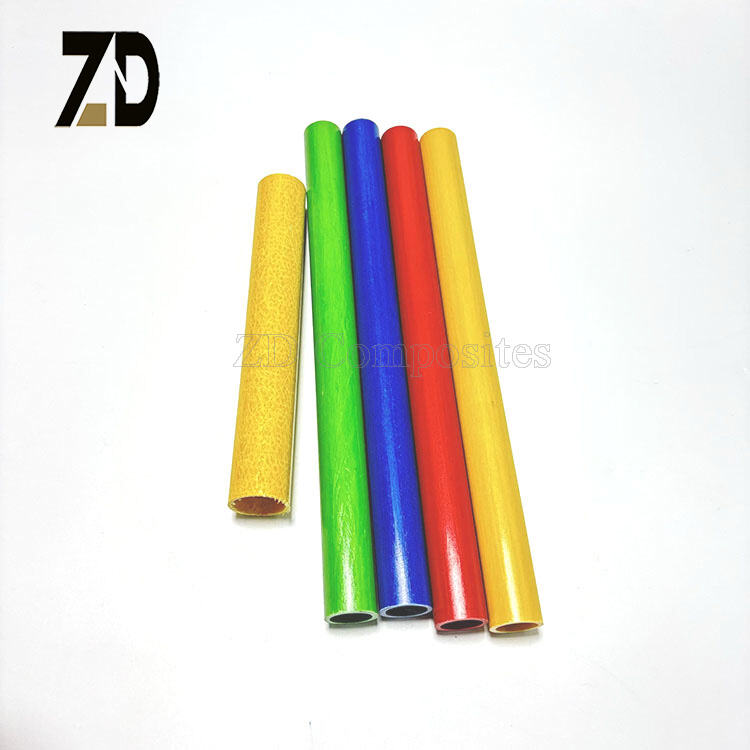
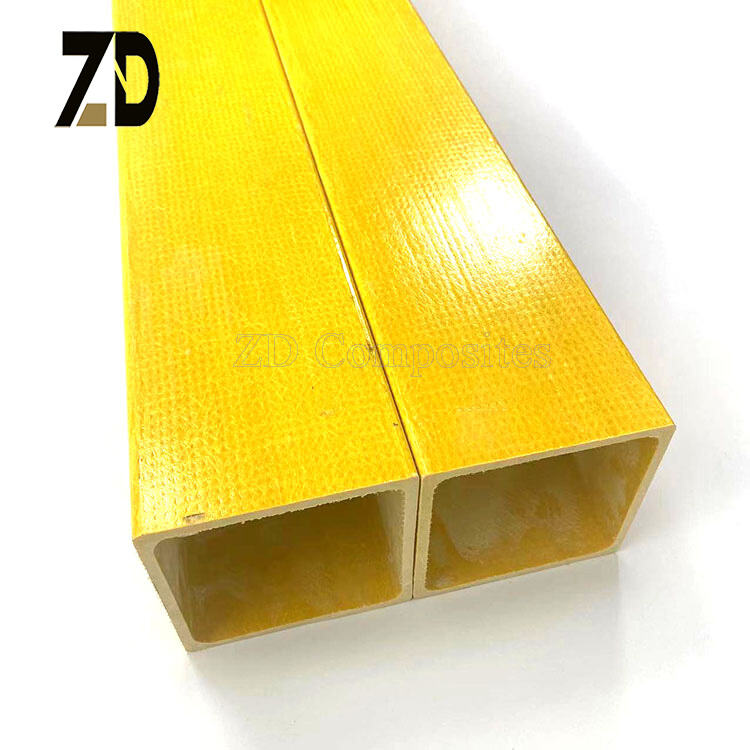
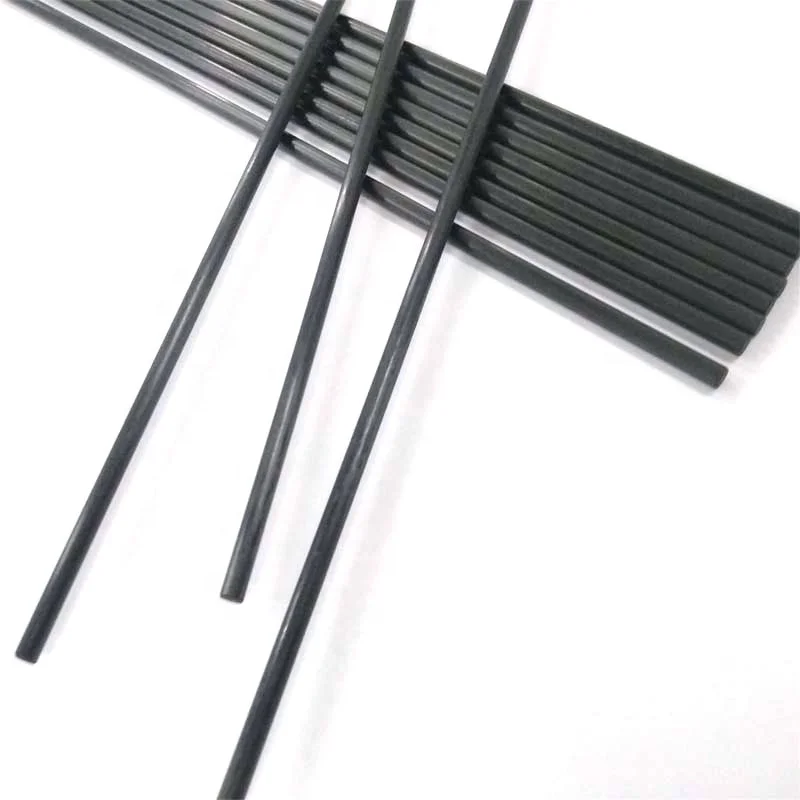
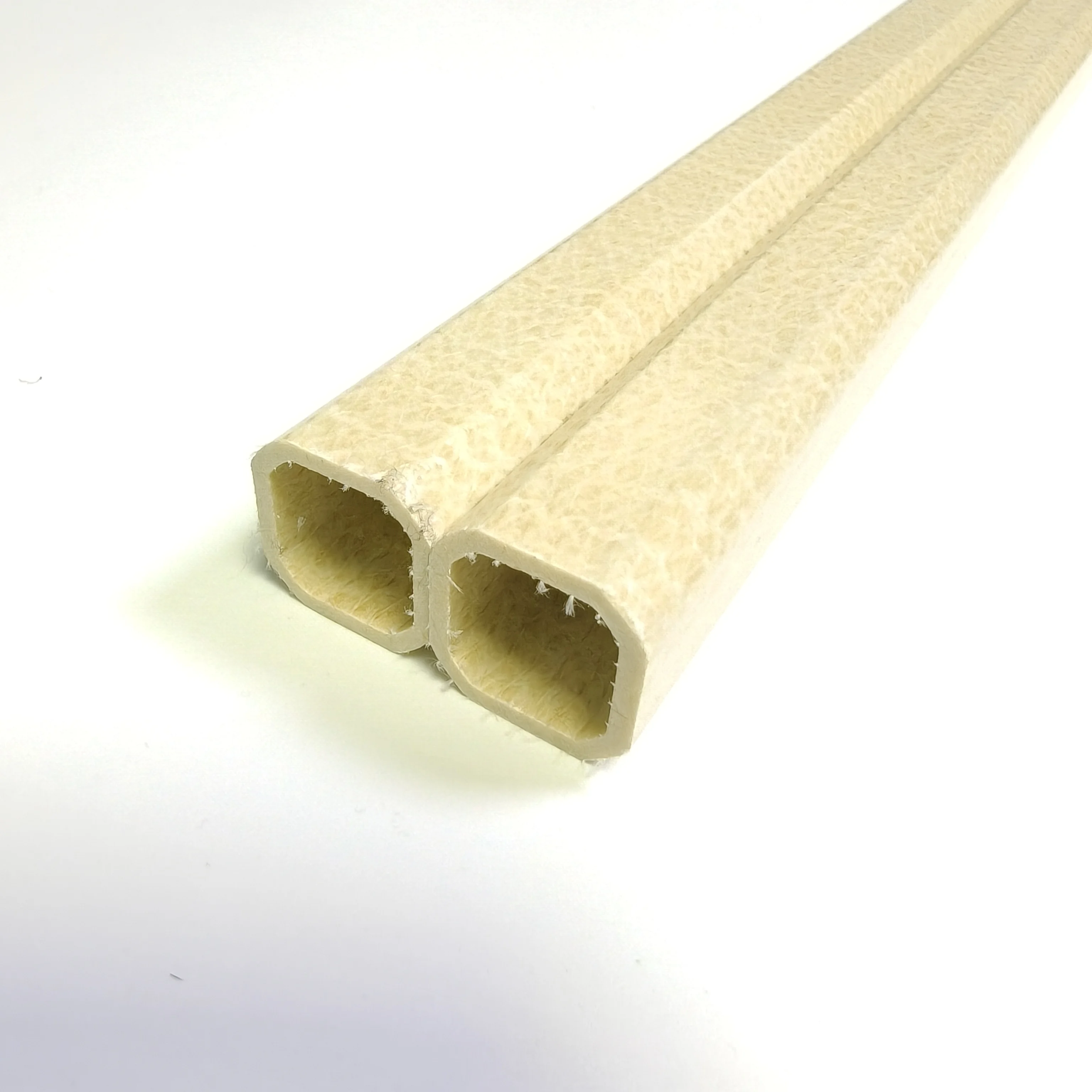
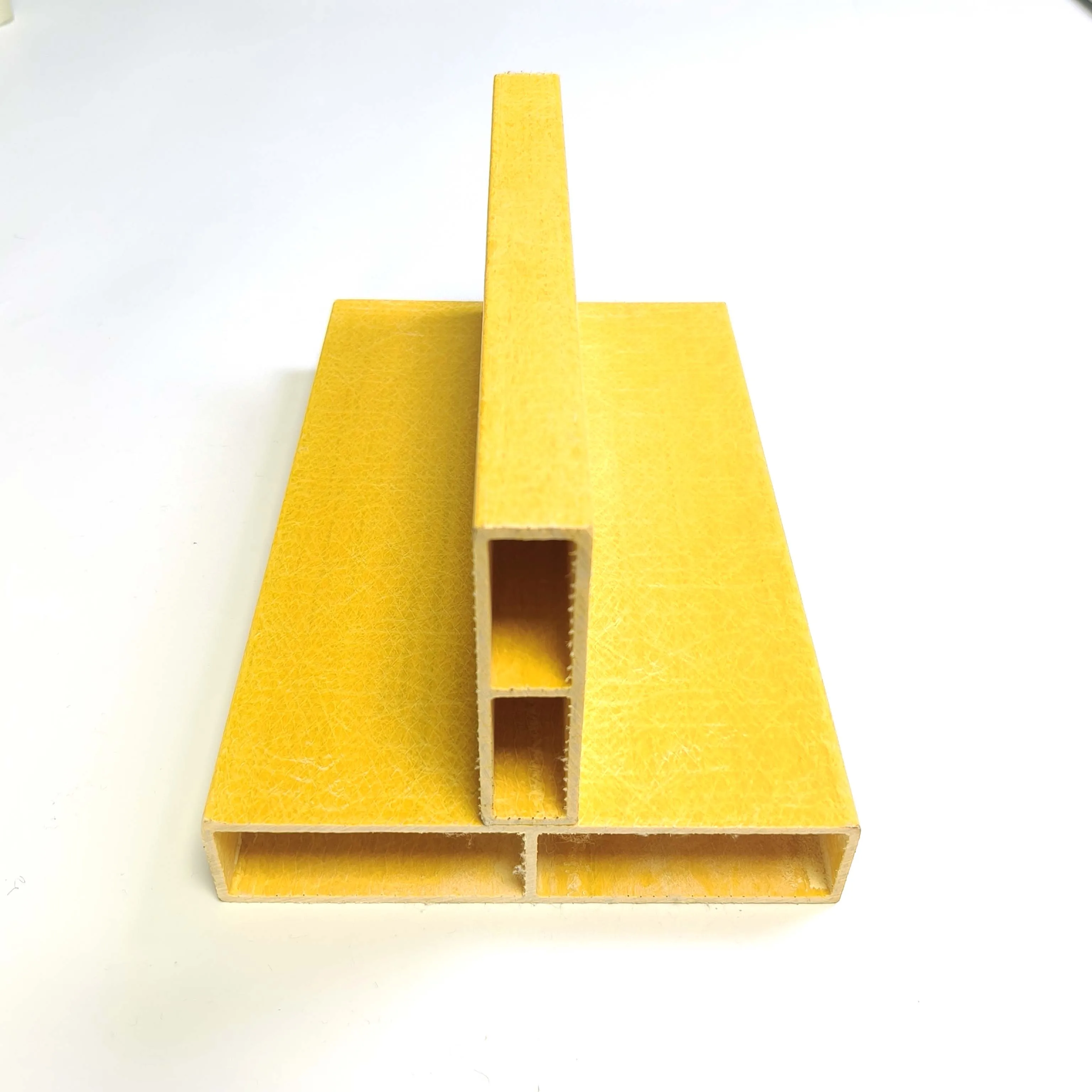
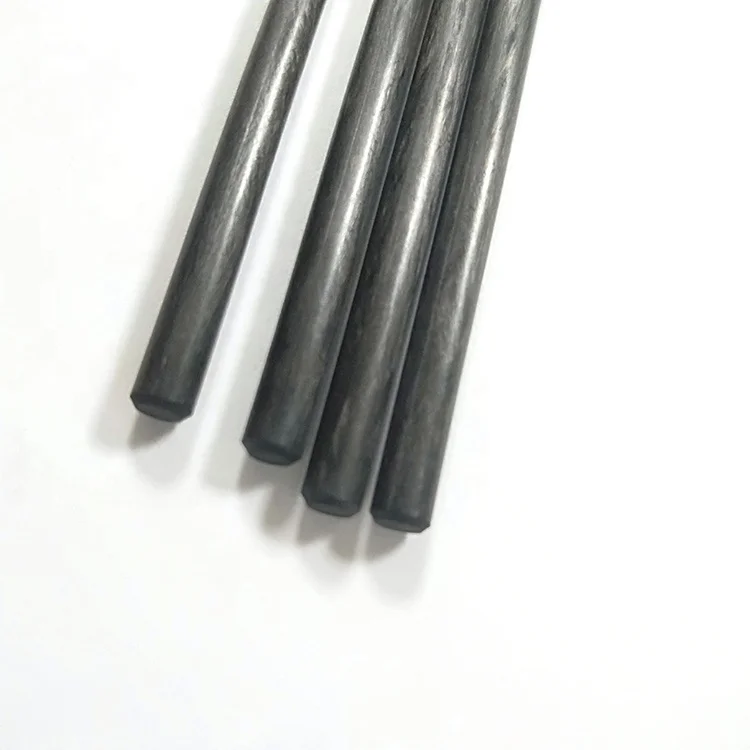
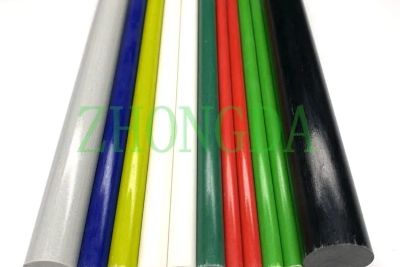
A fiberglass production plant represents a sophisticated manufacturing facility designed to create high-quality fiberglass materials through advanced composite manufacturing processes. These industrial complexes utilize cutting-edge technology to transform raw glass fibers into versatile composite products that serve countless applications across multiple industries. The fiberglass production plant operates through a systematic approach that begins with glass fiber preparation, where silica sand and other minerals are melted at extremely high temperatures to form continuous glass filaments. These filaments are then processed through specialized equipment including pultrusion machines, filament winding systems, and resin transfer molding apparatus to create the final fiberglass products. The technological infrastructure within a modern fiberglass production plant incorporates automated control systems that monitor temperature, pressure, and chemical composition throughout the manufacturing process. Quality assurance laboratories equipped with testing equipment ensure that every batch meets stringent industry standards for strength, durability, and performance characteristics. The plant's main functions encompass the complete production cycle from raw material processing to finished product packaging and distribution. Storage facilities maintain optimal conditions for both incoming materials and completed products, while logistics systems coordinate efficient supply chain management. Environmental control systems within the fiberglass production plant manage emissions and waste products according to regulatory requirements, implementing sustainable practices that minimize environmental impact. The facility typically includes specialized areas for different production methods such as hand lay-up processes, spray-up techniques, and automated manufacturing lines that can produce various fiberglass configurations including sheets, rods, tubes, and custom-molded components. Applications for products manufactured in a fiberglass production plant span across construction, automotive, marine, aerospace, and renewable energy sectors, demonstrating the versatility and importance of these manufacturing facilities in modern industrial applications.

New Products

The fiberglass production plant offers numerous compelling advantages that make it an excellent investment for manufacturers seeking to enter or expand within the composite materials market. Cost efficiency stands as a primary benefit, as these facilities enable large-scale production that significantly reduces per-unit manufacturing costs compared to smaller operations. The automated systems integrated throughout the fiberglass production plant minimize labor requirements while maximizing output consistency, resulting in substantial savings on operational expenses over time. Quality control represents another major advantage, with modern plants incorporating real-time monitoring systems that detect variations in product specifications before they become costly defects. This proactive approach ensures that customers receive materials meeting exact specifications, reducing waste and enhancing customer satisfaction. The versatility of a fiberglass production plant allows manufacturers to produce diverse product lines using the same core equipment, enabling rapid market response to changing customer demands. This flexibility translates into improved revenue streams and reduced market risks associated with single-product dependency. Energy efficiency features built into contemporary fiberglass production plant designs help operators minimize utility costs through optimized heating systems, waste heat recovery, and intelligent power management. These systems can reduce energy consumption by up to thirty percent compared to older manufacturing methods. Speed of production represents a crucial competitive advantage, with modern plants capable of continuous operation that dramatically increases throughput compared to traditional manufacturing approaches. The scalability of fiberglass production plant operations means that manufacturers can start with smaller configurations and expand capacity as market demand grows, providing excellent return on investment potential. Advanced safety systems protect workers and equipment while ensuring compliance with industry regulations, reducing insurance costs and liability concerns. Environmental benefits include reduced waste generation through efficient material utilization and recycling capabilities that transform production scraps into usable materials. The technological sophistication of modern fiberglass production plant equipment enables manufacturers to produce complex geometries and specialized formulations that command premium pricing in niche markets, enhancing profitability and market positioning.

Practical Tips

How to Make a Carbon Fiber Box: Choosing the Right Prepreg, Resin & Mold

20

Oct

How to Make a Carbon Fiber Box: Choosing the Right Prepreg, Resin & Mold

View More
The advantages of fiberglass stakes

20

Oct

The advantages of fiberglass stakes

View More
Applications and advantages of carbon fiber materials in industry

27

Oct

Applications and advantages of carbon fiber materials in industry

View More

Get a Free Quote

Our representative will contact you soon.
Email
Name
Company Name
Message
0/1000

fiberglass production plant

Advanced Automation Technology for Maximum Efficiency

Advanced Automation Technology for Maximum Efficiency

The cornerstone of any modern fiberglass production plant lies in its sophisticated automation technology that revolutionizes traditional manufacturing approaches through intelligent process control and seamless integration of multiple production systems. This advanced automation encompasses programmable logic controllers that coordinate every aspect of the manufacturing process, from raw material feeding systems to final product quality inspection and packaging operations. The fiberglass production plant utilizes state-of-the-art sensors throughout the facility that continuously monitor critical parameters including temperature gradients, resin cure rates, fiber tension, and environmental conditions to ensure optimal production outcomes. Machine learning algorithms analyze historical production data to predict maintenance needs, optimize processing parameters, and identify potential quality issues before they impact product specifications. The automation system includes robotic material handling equipment that eliminates manual labor risks while maintaining consistent placement accuracy for reinforcement materials and resin applications. Integrated process monitoring displays provide operators with real-time visibility into all production metrics, enabling immediate adjustments when deviations occur and ensuring consistent product quality across all manufacturing runs. The automated quality control systems within the fiberglass production plant perform continuous testing of mechanical properties, dimensional accuracy, and surface finish characteristics using non-destructive testing methods that preserve product integrity while ensuring compliance with customer specifications. Recipe management systems store and execute precise formulations for different product types, automatically adjusting mixing ratios, cure cycles, and processing speeds to match specific customer requirements. The automation technology includes predictive maintenance capabilities that analyze equipment performance patterns to schedule maintenance activities during planned downtime periods, minimizing production interruptions and extending equipment service life. Safety interlock systems automatically shut down equipment when potentially hazardous conditions are detected, protecting both personnel and machinery from damage while maintaining regulatory compliance standards.
Versatile Production Capabilities for Diverse Market Applications

Versatile Production Capabilities for Diverse Market Applications

The exceptional versatility of a fiberglass production plant enables manufacturers to serve multiple market segments simultaneously while maintaining the flexibility to adapt quickly to evolving customer needs and emerging market opportunities. This comprehensive production capability stems from modular equipment designs that can be reconfigured to manufacture various fiberglass product types including continuous fiber reinforcements, woven fabrics, chopped strand mats, and complex three-dimensional composite structures. The fiberglass production plant incorporates multiple manufacturing processes within a single facility, including pultrusion lines for producing structural profiles, filament winding equipment for creating pressure vessels and pipes, and compression molding systems for manufacturing high-volume automotive components. This multi-process approach allows operators to optimize production scheduling by running different product lines simultaneously, maximizing equipment utilization rates and improving overall facility efficiency. The plant's flexibility extends to material handling systems that accommodate various fiber types including E-glass, S-glass, and specialty formulations designed for specific performance requirements such as chemical resistance, high temperature applications, or electromagnetic compatibility. Changeover procedures between different product configurations have been streamlined through quick-change tooling systems and automated setup procedures that minimize transition times and reduce the skill level required for operators to manage multiple product lines effectively. The fiberglass production plant can accommodate custom formulations and specialized manufacturing techniques to meet unique customer specifications, enabling manufacturers to serve niche markets that command premium pricing while maintaining competitive advantages in standard product categories. Research and development capabilities integrated within the facility support continuous innovation in product development, allowing manufacturers to collaborate with customers on new applications and maintain technological leadership in rapidly evolving markets. The production planning systems coordinate multiple product lines to optimize resource utilization while maintaining delivery commitments across diverse customer bases, ensuring reliable supply chain performance regardless of market complexity.
Sustainable Manufacturing with Environmental Responsibility

Sustainable Manufacturing with Environmental Responsibility

Environmental sustainability has become a defining characteristic of modern fiberglass production plant operations, incorporating innovative technologies and processes that minimize environmental impact while maintaining superior product quality and operational efficiency. The sustainable approach begins with energy-efficient heating systems that utilize waste heat recovery mechanisms to reduce overall energy consumption and lower carbon footprint compared to traditional manufacturing methods. Advanced emission control systems within the fiberglass production plant capture and treat volatile organic compounds and particulate matter before they can be released into the atmosphere, ensuring compliance with stringent environmental regulations while contributing to cleaner air quality in surrounding communities. Water management systems implement closed-loop cooling processes that minimize fresh water consumption and eliminate thermal pollution of local water sources through advanced filtration and cooling tower technologies. The facility incorporates comprehensive waste reduction strategies that transform manufacturing byproducts into valuable secondary materials, including recycling trim waste and defective products into chopped fiber reinforcements or filler materials for other applications. Solvent recovery systems capture and purify cleaning solvents used in equipment maintenance, reducing disposal costs and minimizing hazardous waste generation throughout the manufacturing process. The fiberglass production plant utilizes bio-based resins and recyclable fiber formulations wherever technically feasible, supporting the development of more sustainable composite materials that maintain performance characteristics while reducing dependence on petroleum-based raw materials. Energy monitoring systems track consumption patterns across all plant operations, identifying optimization opportunities that reduce utility costs while supporting corporate sustainability initiatives and regulatory compliance requirements. The facility design includes natural lighting systems and energy-efficient LED fixtures that minimize electricity consumption for illumination while providing optimal working conditions for plant personnel. Packaging optimization programs reduce material usage and transportation costs while implementing returnable container systems that eliminate single-use packaging waste. Environmental management systems provide comprehensive tracking and reporting of all sustainability metrics, enabling continuous improvement in environmental performance while demonstrating corporate responsibility to customers, regulators, and community stakeholders.

Get a Free Quote

Our representative will contact you soon.
Email
Name
Company Name
Message
0/1000