Fiberglass Profile Solutions: Superior Strength, Corrosion Resistance & Electrical Insulation

Get a Free Quote

Our representative will contact you soon.
Email
Name
Company Name
Message
0/1000

fiberglass profile

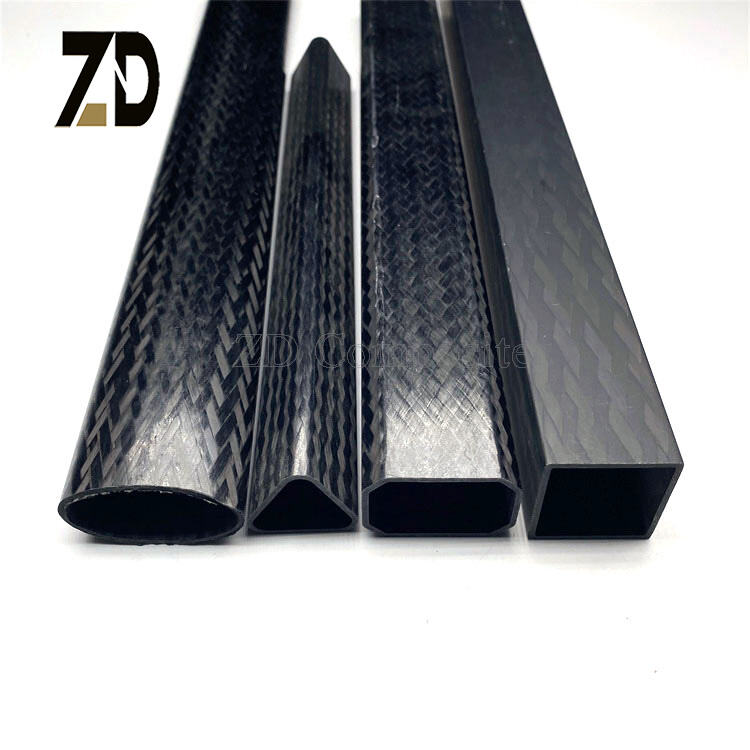
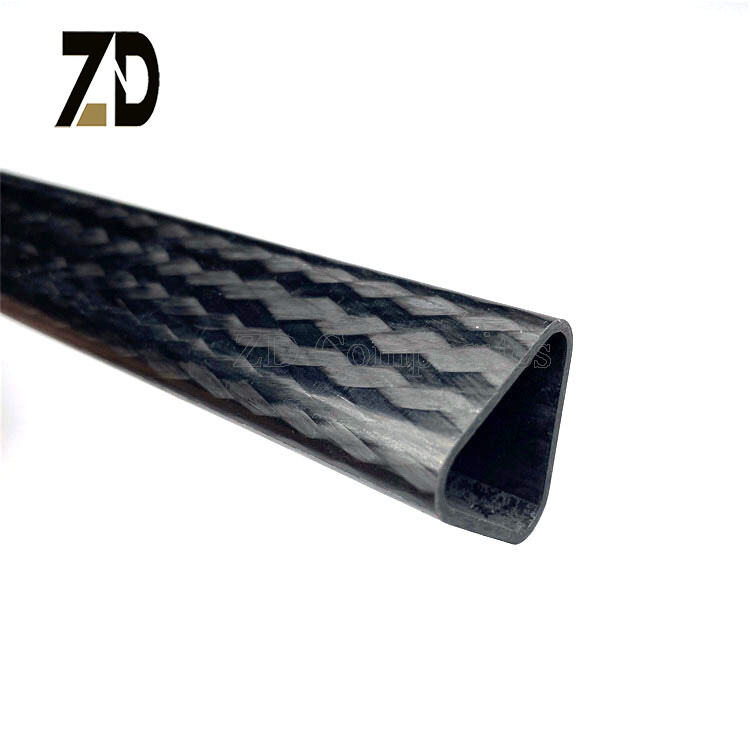
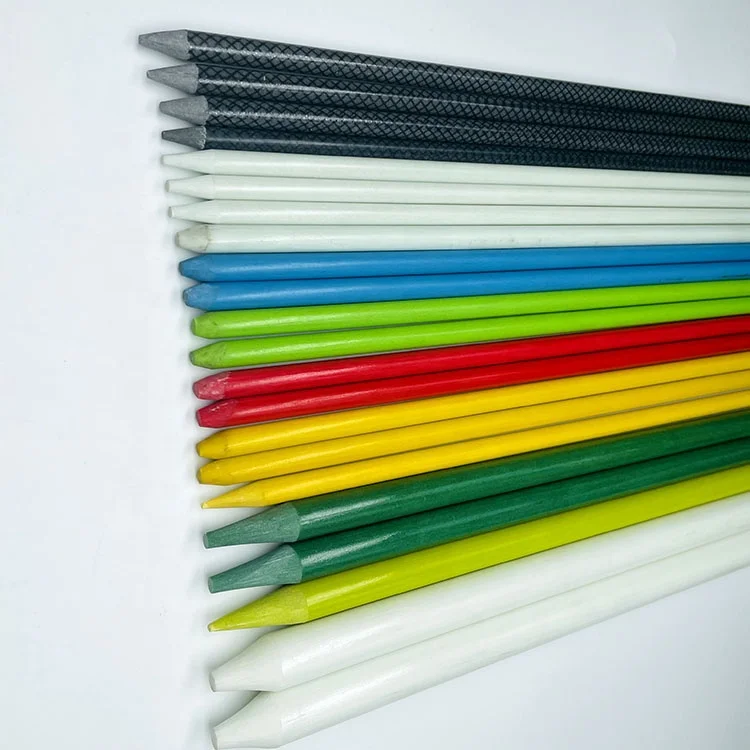
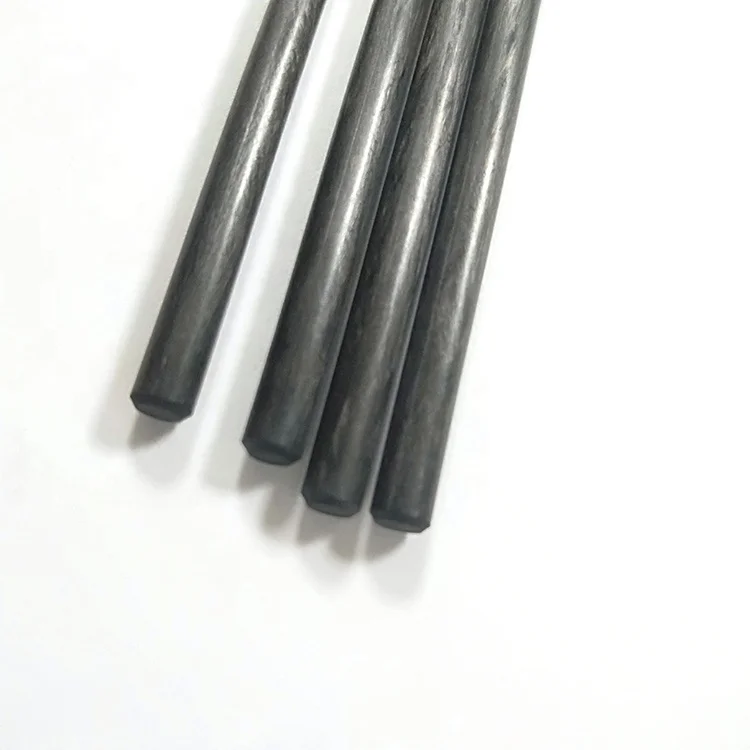
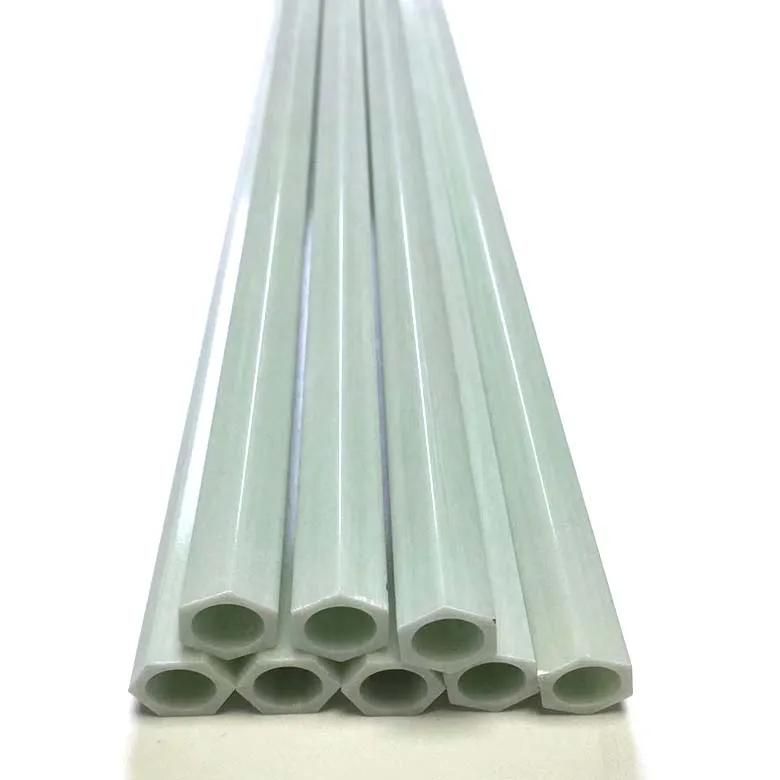
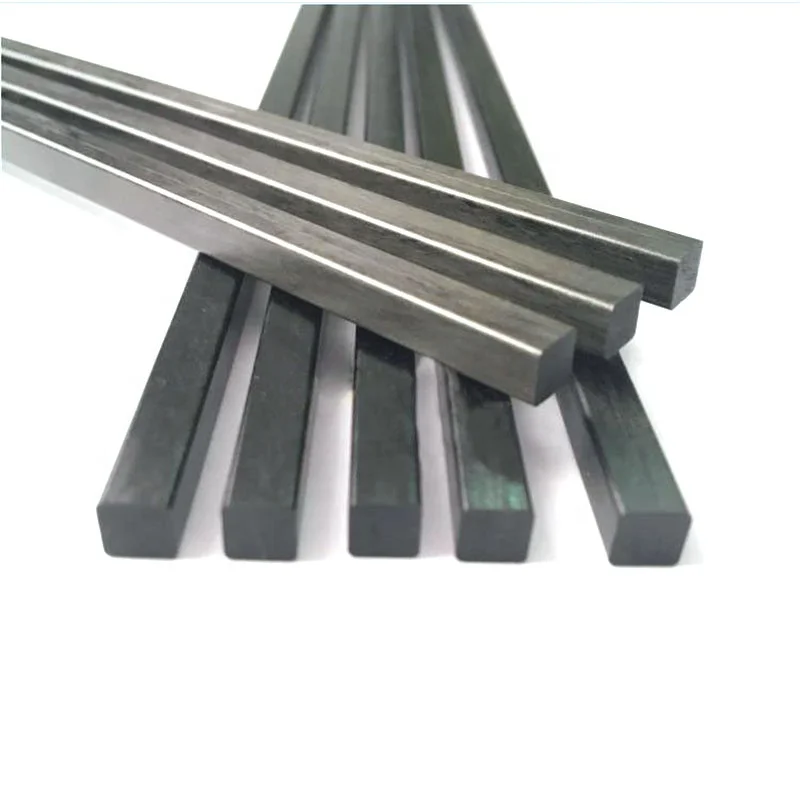
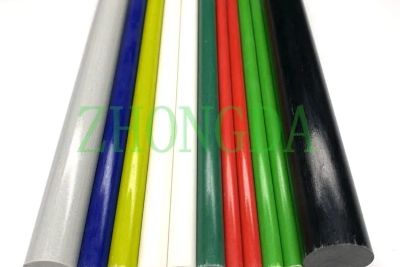
Fiberglass profile represents a revolutionary composite material solution that combines glass fibers with resin matrices to create structural components with exceptional performance characteristics. These engineered profiles are manufactured through advanced pultrusion processes, where continuous glass fibers are drawn through a resin bath and then shaped in heated dies to form precise cross-sectional profiles. The fiberglass profile technology delivers superior strength-to-weight ratios, making it an ideal replacement for traditional materials like steel, aluminum, and wood in numerous applications. The main functions of fiberglass profile include providing structural support, electrical insulation, corrosion resistance, and thermal stability across diverse industrial sectors. Technologically, fiberglass profile features anisotropic properties, meaning strength can be optimized in specific directions based on fiber orientation. The manufacturing process allows for complex geometries and custom shapes, enabling engineers to design profiles that meet exact specifications. Modern fiberglass profile production incorporates various fiber types including E-glass, S-glass, and carbon fibers, combined with polyester, vinyl ester, or epoxy resins depending on performance requirements. Applications span construction, transportation, marine, electrical, and infrastructure industries. In construction, fiberglass profile serves as reinforcement bars, structural beams, and architectural elements. Transportation utilizes these profiles for lightweight vehicle components, rail applications, and aerospace structures. Marine environments benefit from the corrosion resistance of fiberglass profile in dock systems, boat hulls, and offshore platforms. Electrical applications leverage the insulating properties for utility poles, cable trays, and transformer components. The versatility of fiberglass profile extends to industrial equipment, chemical processing facilities, and renewable energy systems where traditional materials fail under harsh environmental conditions.

New Product Recommendations

The advantages of fiberglass profile create compelling value propositions for businesses seeking reliable, cost-effective material solutions. Weight reduction stands as a primary benefit, with fiberglass profile weighing up to 75 percent less than steel while maintaining comparable strength properties. This weight advantage translates directly into reduced transportation costs, easier installation procedures, and lower structural load requirements. The corrosion resistance of fiberglass profile eliminates the need for protective coatings, regular maintenance, and premature replacement cycles common with metal alternatives. Chemical exposure, saltwater environments, and acidic conditions cannot degrade fiberglass profile performance, ensuring decades of reliable service life. Electrical insulation properties make fiberglass profile invaluable for power transmission applications, eliminating conductivity concerns and reducing safety risks. The dielectric strength of properly manufactured fiberglass profile exceeds industry standards, providing reliable electrical isolation in critical applications. Thermal stability allows fiberglass profile to maintain structural integrity across wide temperature ranges, from arctic conditions to desert environments. Unlike metals that expand and contract significantly with temperature changes, fiberglass profile exhibits minimal thermal movement, reducing stress on connections and joints. Design flexibility enables custom fiberglass profile configurations that optimize performance for specific applications. Engineers can adjust fiber orientations, resin systems, and cross-sectional shapes to achieve desired mechanical properties. Manufacturing efficiency reduces lead times compared to traditional fabrication methods, with consistent quality and dimensional accuracy. The pultrusion process creates continuous lengths of fiberglass profile with uniform properties throughout, eliminating weak points common in welded or joined assemblies. Economic benefits include lower lifecycle costs due to reduced maintenance requirements, extended service life, and improved performance characteristics. Installation advantages stem from the lightweight nature and workability of fiberglass profile using standard tools and techniques. Environmental benefits include recyclability options and reduced energy consumption during manufacturing compared to steel production.

Tips And Tricks

How to Make a Carbon Fiber Box: Choosing the Right Prepreg, Resin & Mold

20

Oct

How to Make a Carbon Fiber Box: Choosing the Right Prepreg, Resin & Mold

View More
The advantages of fiberglass stakes

20

Oct

The advantages of fiberglass stakes

View More
Applications and advantages of carbon fiber materials in industry

27

Oct

Applications and advantages of carbon fiber materials in industry

View More

Get a Free Quote

Our representative will contact you soon.
Email
Name
Company Name
Message
0/1000

fiberglass profile

Superior Corrosion Resistance for Long-Term Durability

Superior Corrosion Resistance for Long-Term Durability

The exceptional corrosion resistance of fiberglass profile represents one of its most valuable characteristics, delivering unmatched performance in challenging environmental conditions where traditional materials fail prematurely. Unlike steel, aluminum, or other metals that succumb to oxidation, galvanic corrosion, and chemical attack, fiberglass profile maintains its structural integrity and appearance throughout decades of exposure to harsh elements. This remarkable resistance stems from the non-metallic composition of glass fibers embedded within protective resin matrices that create an impermeable barrier against corrosive agents. Coastal environments present particular challenges for infrastructure materials, with saltwater spray and high humidity causing rapid deterioration of metal components. Fiberglass profile thrives in these conditions, making it the preferred choice for marine applications, waterfront structures, and offshore installations. Chemical processing facilities benefit enormously from fiberglass profile implementation, as the material withstands exposure to acids, bases, solvents, and other aggressive chemicals that would rapidly destroy conventional materials. The economic implications of this corrosion resistance are substantial, eliminating costly protective coating systems, regular maintenance schedules, and premature replacement cycles. Traditional steel structures require periodic sandblasting, priming, and painting to maintain protection against corrosion, creating ongoing operational expenses and downtime. Fiberglass profile eliminates these requirements, providing maintenance-free service for the structure's entire lifecycle. Industrial applications particularly benefit from this characteristic, as chemical plants, water treatment facilities, and manufacturing environments expose materials to corrosive substances daily. The ability of fiberglass profile to maintain its properties without degradation ensures consistent performance and safety margins throughout the service life. This reliability translates into reduced insurance costs, improved safety records, and enhanced operational efficiency for businesses choosing fiberglass profile solutions over traditional alternatives.
Exceptional Strength-to-Weight Ratio for Optimal Performance

Exceptional Strength-to-Weight Ratio for Optimal Performance

The outstanding strength-to-weight ratio of fiberglass profile delivers unprecedented performance advantages that revolutionize structural design possibilities and operational efficiency across multiple industries. This remarkable characteristic results from the advanced composite structure where high-strength glass fibers carry primary loads while lightweight resin matrices bind and protect these reinforcing elements. The resulting fiberglass profile achieves tensile strengths comparable to steel while weighing significantly less, creating opportunities for innovative engineering solutions previously impossible with traditional materials. Transportation applications showcase the transformative impact of this strength-to-weight advantage, enabling vehicle manufacturers to reduce overall weight without compromising structural integrity or safety performance. Lighter vehicles consume less fuel, produce fewer emissions, and deliver improved acceleration and handling characteristics. The aerospace industry leverages fiberglass profile extensively for non-critical structural components, achieving weight savings that directly translate into increased payload capacity and fuel efficiency. Construction projects benefit from reduced foundation requirements and simplified installation procedures when utilizing lightweight fiberglass profile systems. Crane capacities increase effectively when handling lighter materials, reducing equipment costs and safety risks during construction activities. The strength characteristics of fiberglass profile enable engineers to design thinner, more elegant structures that maintain required load-bearing capabilities while minimizing material usage. Bridge applications demonstrate these advantages clearly, with fiberglass profile deck systems providing superior durability while reducing dead loads on supporting structures. This weight reduction often eliminates the need for expensive foundation upgrades when replacing deteriorated conventional materials. Manufacturing processes benefit from easier handling and positioning of fiberglass profile components, reducing worker fatigue and injury risks associated with heavy material manipulation. The combination of high strength and low weight makes fiberglass profile ideal for applications requiring frequent disassembly and relocation, such as temporary structures, modular construction systems, and portable equipment frameworks. Quality control becomes more manageable with consistent strength properties throughout each fiberglass profile section, eliminating weak points common in welded assemblies.
Electrical Insulation Properties for Enhanced Safety

Electrical Insulation Properties for Enhanced Safety

The inherent electrical insulation properties of fiberglass profile provide critical safety advantages and enable applications where conductive materials create unacceptable risks or operational limitations. This non-conductive characteristic results from the dielectric properties of both glass fibers and resin matrices, creating a composite material that effectively prevents electrical current flow under normal operating conditions. Power transmission and distribution systems utilize fiberglass profile extensively for utility poles, cross arms, and support structures that must maintain electrical isolation while providing mechanical support. Traditional wood poles require chemical treatments that may leach into the environment over time, while steel structures require complex insulation systems to prevent electrical faults. Fiberglass profile eliminates these concerns while delivering superior mechanical properties and environmental resistance. The dielectric strength of quality fiberglass profile exceeds industry standards for electrical equipment applications, providing reliable insulation performance throughout the service life without degradation from environmental exposure. Lightning protection systems benefit from fiberglass profile components that direct electrical energy safely to ground while protecting personnel and equipment from dangerous voltage levels. Industrial facilities handling electrical equipment rely on fiberglass profile platforms, handrails, and structural components to create safe working environments around high-voltage systems. The non-conductive nature eliminates the need for additional insulation materials or safety systems required with metal alternatives. Maintenance procedures become safer and more efficient when workers can confidently handle fiberglass profile components without electrical hazard concerns. Cable management systems utilize fiberglass profile extensively for cable trays, conduits, and support structures that organize electrical systems while maintaining proper isolation between circuits. The dimensional stability of fiberglass profile ensures consistent electrical clearances throughout temperature cycles and mechanical loading conditions. Testing procedures for electrical equipment benefit from fiberglass profile test fixtures that eliminate interference from conductive materials while providing necessary mechanical support. Renewable energy applications increasingly specify fiberglass profile for solar panel mounting systems and wind turbine components where electrical isolation enhances system safety and performance reliability while reducing installation complexity and ongoing maintenance requirements.

Get a Free Quote

Our representative will contact you soon.
Email
Name
Company Name
Message
0/1000