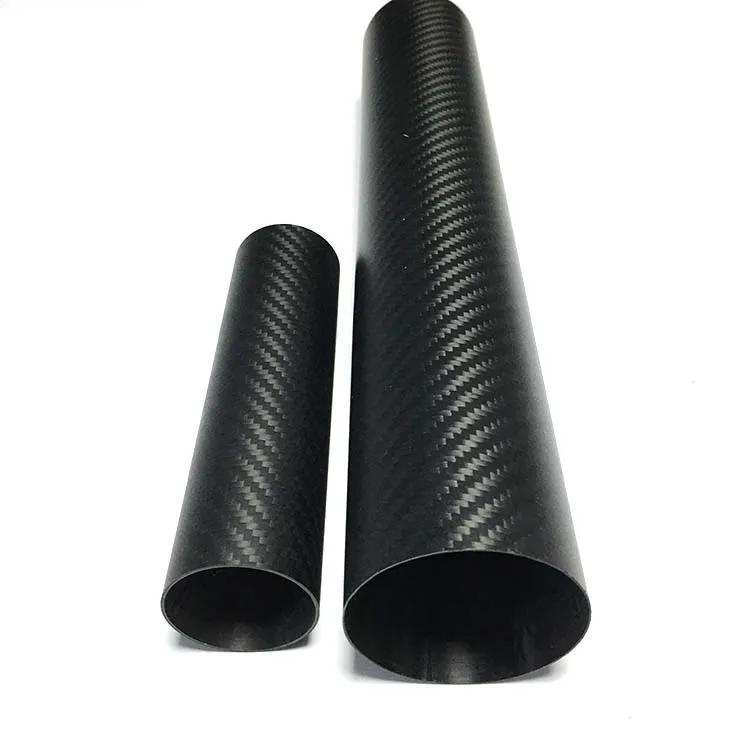
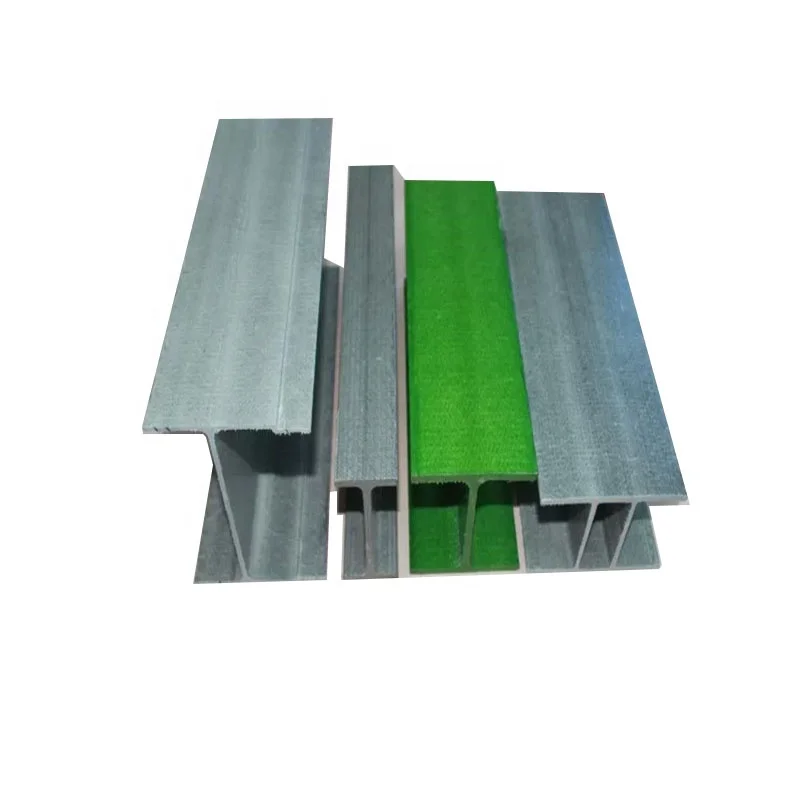
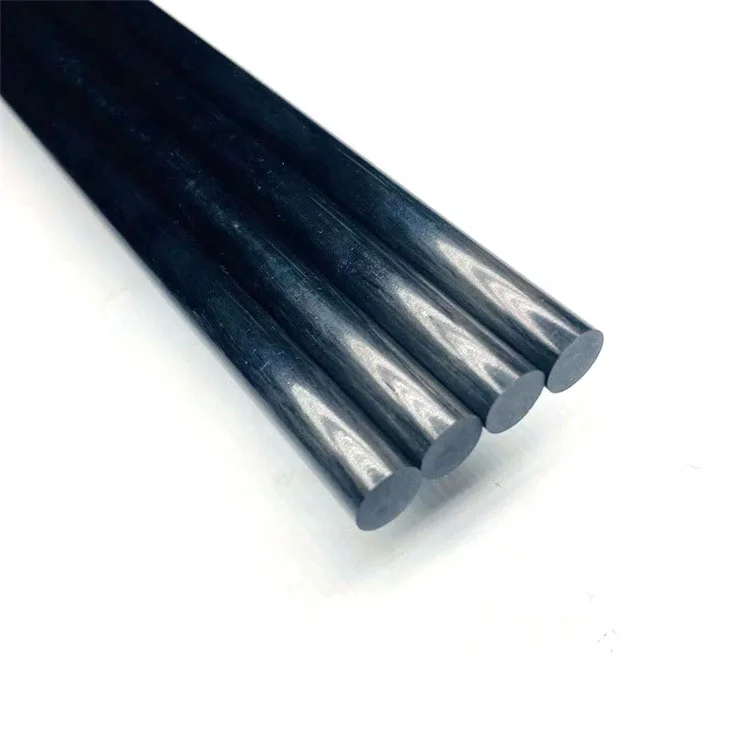
fiberglass beam
A fiberglass beam represents a revolutionary advancement in construction and engineering materials, combining exceptional strength with remarkable versatility. This composite structural element consists of glass fibers embedded within a polymer resin matrix, creating a lightweight yet incredibly durable solution for various construction applications. The manufacturing process involves carefully layering continuous glass fibers and saturating them with specially formulated resins, resulting in a beam that exhibits superior mechanical properties compared to traditional materials. The main functions of a fiberglass beam include providing structural support, load distribution, and span bridging in both residential and commercial projects. These beams excel at carrying heavy loads while maintaining dimensional stability under varying environmental conditions. Their non-conductive properties make them ideal for electrical applications, while their corrosion resistance ensures longevity in harsh chemical environments. Technological features of fiberglass beams include customizable cross-sectional profiles, adjustable strength characteristics, and integrated connection systems. Modern manufacturing techniques allow for precise fiber orientation, enabling engineers to optimize strength properties for specific loading conditions. The pultrusion process creates consistent quality throughout the beam length, ensuring reliable performance. Advanced resin systems provide enhanced fire resistance, UV stability, and temperature tolerance. Applications for fiberglass beams span numerous industries, including marine construction, chemical processing facilities, power generation plants, and architectural projects. In bridge construction, these beams offer excellent fatigue resistance and reduced maintenance requirements. Industrial facilities benefit from their chemical inertness when exposed to aggressive substances. The construction industry utilizes fiberglass beams for floor systems, roof structures, and reinforcement applications where traditional materials face limitations. Their electromagnetic transparency makes them valuable in telecommunications infrastructure, while their lightweight nature reduces transportation costs and installation complexity.
 ×
×


 EN
EN