High-Performance Glass Fiber Pipe Solutions - Corrosion Resistant Piping Systems

Get a Free Quote

Our representative will contact you soon.
Email
Name
Company Name
Message
0/1000

glass fiber pipe

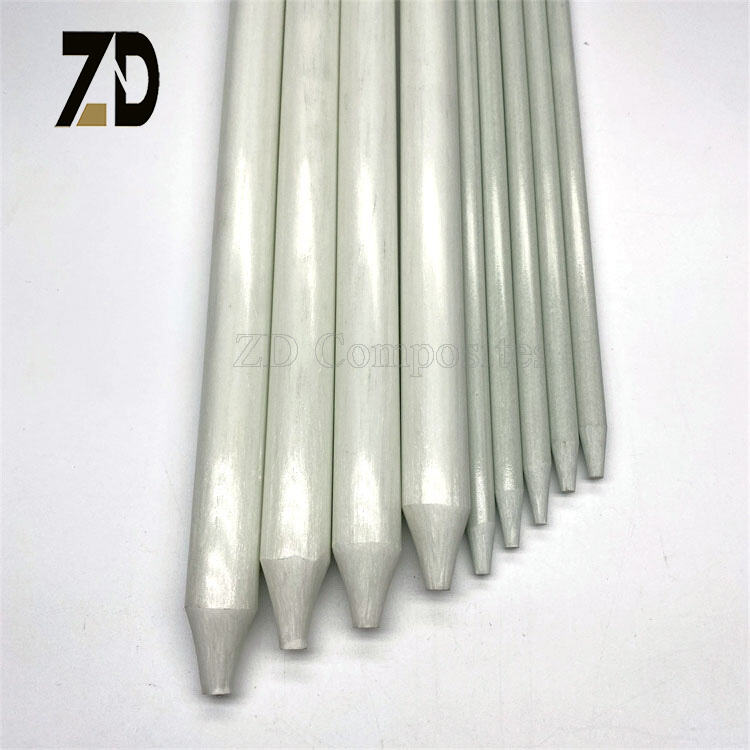
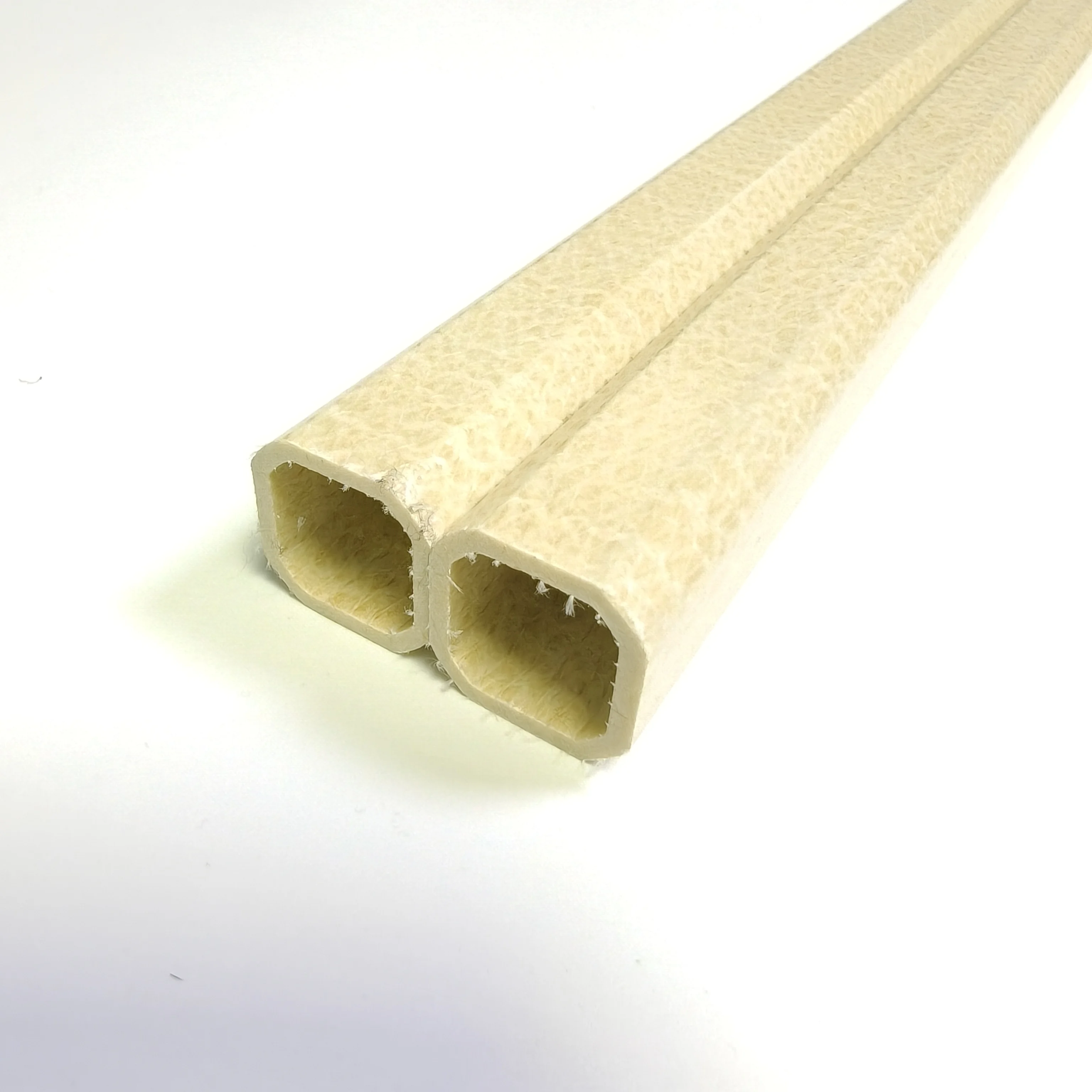
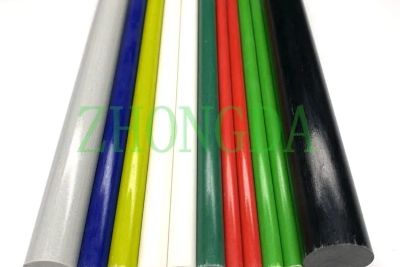
Glass fiber pipe represents a revolutionary advancement in modern piping solutions, combining the strength of glass fibers with polymer resin matrices to create exceptional infrastructure components. This innovative glass fiber pipe technology utilizes continuous glass fiber reinforcement embedded within thermosetting or thermoplastic resins, resulting in pipes that deliver superior performance across diverse industrial applications. The manufacturing process involves winding glass fibers around a mandrel while simultaneously applying resin, creating a composite structure that maximizes strength-to-weight ratios. Glass fiber pipe systems offer remarkable resistance to corrosion, chemicals, and environmental degradation, making them ideal for challenging installations where traditional materials fail. The main functions of glass fiber pipe include fluid transportation, structural support, and containment applications across industries ranging from water treatment to chemical processing. These pipes maintain dimensional stability under varying temperature conditions while providing excellent flow characteristics due to their smooth interior surfaces. The technological features of glass fiber pipe encompass advanced fiber orientation techniques, precise resin formulations, and sophisticated curing processes that ensure consistent quality and performance. Modern glass fiber pipe manufacturing incorporates computer-controlled filament winding systems that optimize fiber placement for maximum structural integrity. The resulting products exhibit exceptional tensile strength, impact resistance, and fatigue performance that surpasses conventional piping materials. Glass fiber pipe applications span municipal water systems, industrial process lines, sewage treatment facilities, and specialized chemical transport networks. The versatility of glass fiber pipe construction allows for customization of diameter, wall thickness, and performance characteristics to meet specific project requirements while maintaining cost-effectiveness and long-term reliability.

New Product Releases

Glass fiber pipe offers numerous compelling advantages that make it the preferred choice for modern infrastructure projects. The primary benefit of glass fiber pipe lies in its exceptional corrosion resistance, eliminating the costly maintenance and replacement cycles associated with metal piping systems. Unlike steel or iron pipes that deteriorate when exposed to moisture, chemicals, or aggressive environments, glass fiber pipe maintains its structural integrity for decades without degradation. This corrosion immunity translates directly into substantial cost savings for facility owners and operators who no longer need to budget for frequent pipe replacements or repairs. The lightweight nature of glass fiber pipe significantly reduces installation costs and complexity compared to traditional heavy metal alternatives. Workers can handle and position glass fiber pipe sections with standard equipment, eliminating the need for specialized heavy machinery during installation. This weight advantage also reduces structural loading requirements for buildings and support systems, potentially saving thousands of dollars in foundation and support costs. Glass fiber pipe demonstrates superior chemical resistance across a broad spectrum of industrial fluids, acids, alkalis, and solvents that would rapidly destroy conventional piping materials. This chemical compatibility makes glass fiber pipe ideal for pharmaceutical manufacturing, food processing, and chemical production facilities where product purity and system reliability are paramount. The smooth interior surface of glass fiber pipe promotes efficient fluid flow with minimal pressure loss, reducing pumping costs and energy consumption throughout the system's operational life. Glass fiber pipe also provides excellent thermal insulation properties, helping maintain fluid temperatures and reducing energy losses in heating and cooling applications. The non-conductive nature of glass fiber pipe eliminates concerns about electrical corrosion and stray current damage that plague metallic piping systems. Maintenance requirements for glass fiber pipe are minimal, as the material resists scaling, pitting, and biological fouling that commonly affect other pipe materials. The long service life of glass fiber pipe, often exceeding fifty years, provides exceptional return on investment while reducing environmental impact through decreased material replacement needs.

Latest News

How to Make a Carbon Fiber Box: Choosing the Right Prepreg, Resin & Mold

20

Oct

How to Make a Carbon Fiber Box: Choosing the Right Prepreg, Resin & Mold

View More
The advantages of fiberglass stakes

20

Oct

The advantages of fiberglass stakes

View More
Applications and advantages of carbon fiber materials in industry

27

Oct

Applications and advantages of carbon fiber materials in industry

View More

Get a Free Quote

Our representative will contact you soon.
Email
Name
Company Name
Message
0/1000

glass fiber pipe

Superior Corrosion Resistance and Longevity

Superior Corrosion Resistance and Longevity

The most significant advantage of glass fiber pipe lies in its unparalleled resistance to corrosion, which fundamentally transforms infrastructure economics and reliability. Traditional metal pipes suffer from electrochemical corrosion that creates pinholes, wall thinning, and eventual catastrophic failure, leading to expensive emergency repairs and system downtime. Glass fiber pipe eliminates these concerns through its non-metallic composition that remains chemically inert when exposed to moisture, oxygen, and aggressive chemicals. The glass fiber reinforcement provides structural strength while the polymer matrix protects against chemical attack, creating a barrier that maintains integrity even in highly corrosive environments. This corrosion immunity proves particularly valuable in coastal installations where saltwater exposure rapidly degrades metal piping, or in industrial facilities handling acidic or alkaline process fluids. The economic impact of choosing glass fiber pipe over traditional materials becomes evident when calculating lifecycle costs, as the elimination of corrosion-related maintenance, repairs, and premature replacements generates substantial savings over decades of operation. Property owners benefit from predictable maintenance budgets and reduced insurance risks associated with pipe failure incidents. The longevity of glass fiber pipe installations often exceeds fifty years with minimal maintenance requirements, providing exceptional return on investment while supporting sustainable infrastructure development goals. Environmental benefits also emerge from the extended service life, as reduced material replacement needs decrease manufacturing demands and waste generation. The consistent performance of glass fiber pipe throughout its service life ensures reliable system operation without the gradual capacity reduction that occurs as metal pipes corrode and develop internal scaling. This reliability proves crucial for critical applications such as fire protection systems, potable water distribution, and industrial process lines where system failure carries significant safety and economic consequences.
Lightweight Construction with High Strength Performance

Lightweight Construction with High Strength Performance

Glass fiber pipe revolutionizes installation practices through its remarkable strength-to-weight ratio that delivers structural performance comparable to steel while weighing significantly less than traditional piping materials. This weight advantage transforms project logistics, installation procedures, and structural requirements in ways that generate immediate and long-term cost benefits. The reduced weight of glass fiber pipe allows installation crews to handle larger diameter sections manually or with lighter equipment, eliminating the need for heavy cranes and specialized rigging equipment required for metal pipe installations. This capability proves particularly valuable in retrofit applications where existing structures may have weight limitations or restricted access for heavy machinery. The lighter weight also reduces transportation costs, as more glass fiber pipe sections can be loaded onto trucks and shipped to project sites compared to equivalent quantities of metal pipe. Installation speed increases significantly when crews can position and connect glass fiber pipe sections more quickly and safely than heavy alternatives. The reduced structural loading from glass fiber pipe installations allows engineers to design lighter support systems, potentially saving thousands of dollars in steel supports, concrete foundations, and building reinforcements. In high-rise buildings and industrial facilities, the cumulative weight savings from glass fiber pipe systems can reduce overall structural requirements and associated construction costs. The high strength characteristics of glass fiber pipe ensure that despite its light weight, the material provides excellent resistance to internal pressure, external loading, and impact forces. Advanced manufacturing techniques allow optimization of fiber orientation and resin formulation to achieve specific strength requirements while maintaining weight advantages. The dimensional stability of glass fiber pipe under varying loads prevents sagging and misalignment issues that can occur with flexible materials, ensuring proper system performance throughout the installation's service life. Quality control during manufacturing ensures consistent mechanical properties that engineers can rely on for design calculations and performance predictions.
Chemical Compatibility and Versatile Applications

Chemical Compatibility and Versatile Applications

The exceptional chemical resistance of glass fiber pipe opens unprecedented opportunities for specialized applications where traditional piping materials fail to provide adequate service life or contamination protection. The inert nature of the glass fiber and polymer matrix combination resists attack from acids, bases, solvents, and aggressive industrial chemicals that would rapidly degrade metal, concrete, or plastic alternatives. This chemical compatibility proves essential in pharmaceutical manufacturing where product purity requirements demand piping systems that will not leach contaminants or react with process fluids. Food and beverage processing facilities benefit from glass fiber pipe installations that maintain sanitary conditions without contributing metallic ions or organic compounds that could affect product quality or safety. Chemical processing plants utilize glass fiber pipe for handling corrosive substances that would destroy conventional piping within months or years of installation. The smooth, non-porous interior surface of glass fiber pipe resists bacterial growth and biofilm formation, supporting sanitary system design and reducing cleaning requirements in critical applications. The versatility of glass fiber pipe extends to temperature performance, as advanced resin systems maintain structural integrity and chemical resistance across wide temperature ranges from cryogenic applications to elevated temperature process lines. Custom formulations allow manufacturers to optimize glass fiber pipe performance for specific chemical environments, ensuring compatibility with unique process requirements while maintaining structural reliability. The non-conductive properties of glass fiber pipe eliminate galvanic corrosion concerns when connecting to dissimilar metals, simplifying system design and reducing maintenance requirements. Fire retardant formulations provide additional safety benefits in applications where flame spread resistance is required without compromising chemical compatibility or mechanical performance. The ability to incorporate additional functional features such as antimicrobial additives, UV stabilizers, or specialized coatings further extends the application range of glass fiber pipe systems. Quality testing protocols verify chemical compatibility with specific substances, providing engineers and facility operators with confidence in material selection decisions that affect long-term system performance and safety.

Get a Free Quote

Our representative will contact you soon.
Email
Name
Company Name
Message
0/1000