Premium Fiberglass Tubing for Industrial Guardrails - Corrosion Resistant Safety Barriers

Get a Free Quote

Our representative will contact you soon.
Email
Name
Company Name
Message
0/1000

fiberglass tubing for industrial guardrails

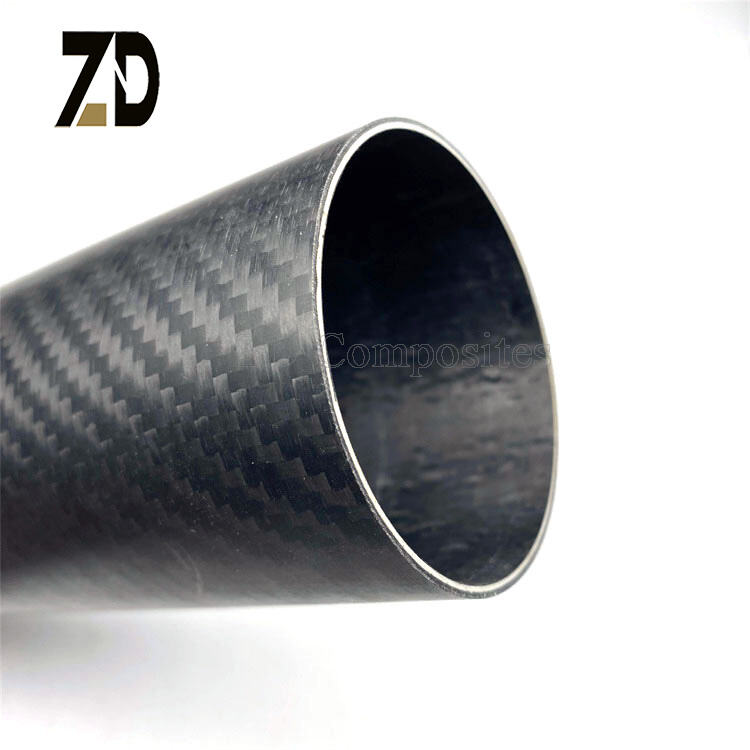
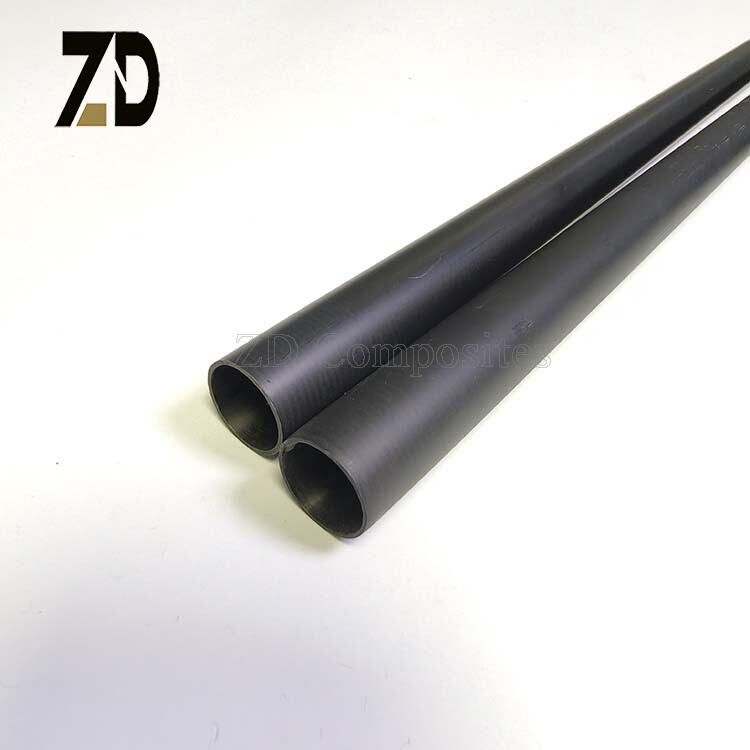
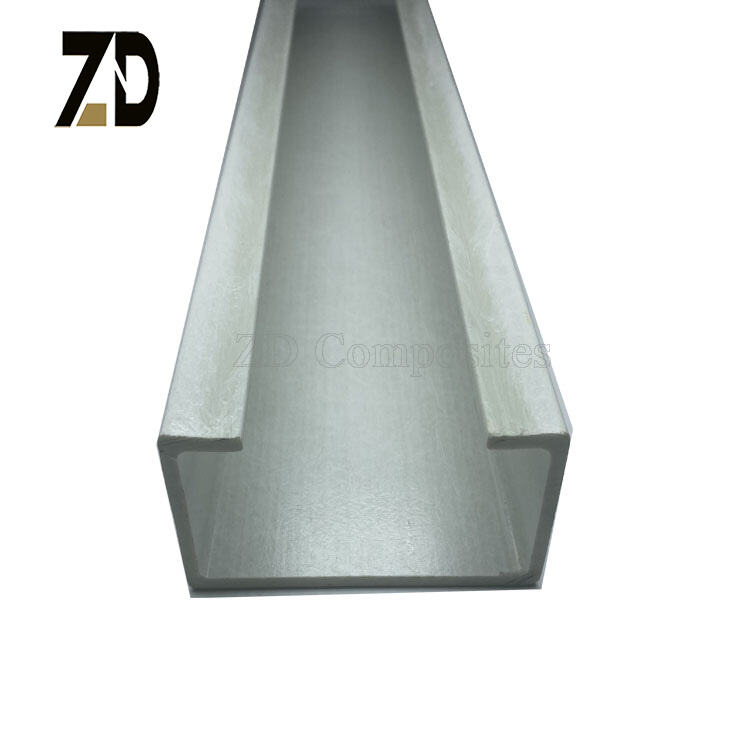
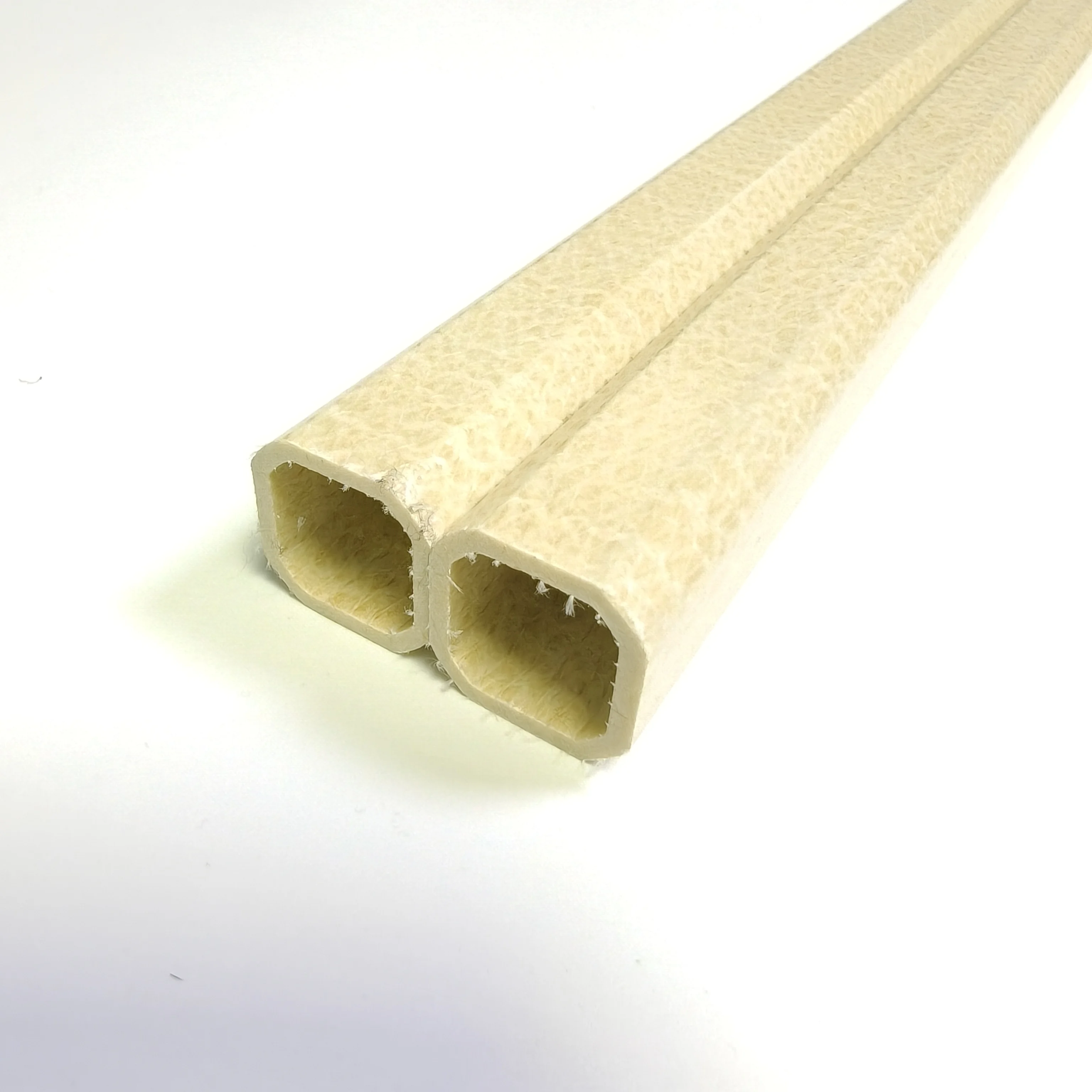
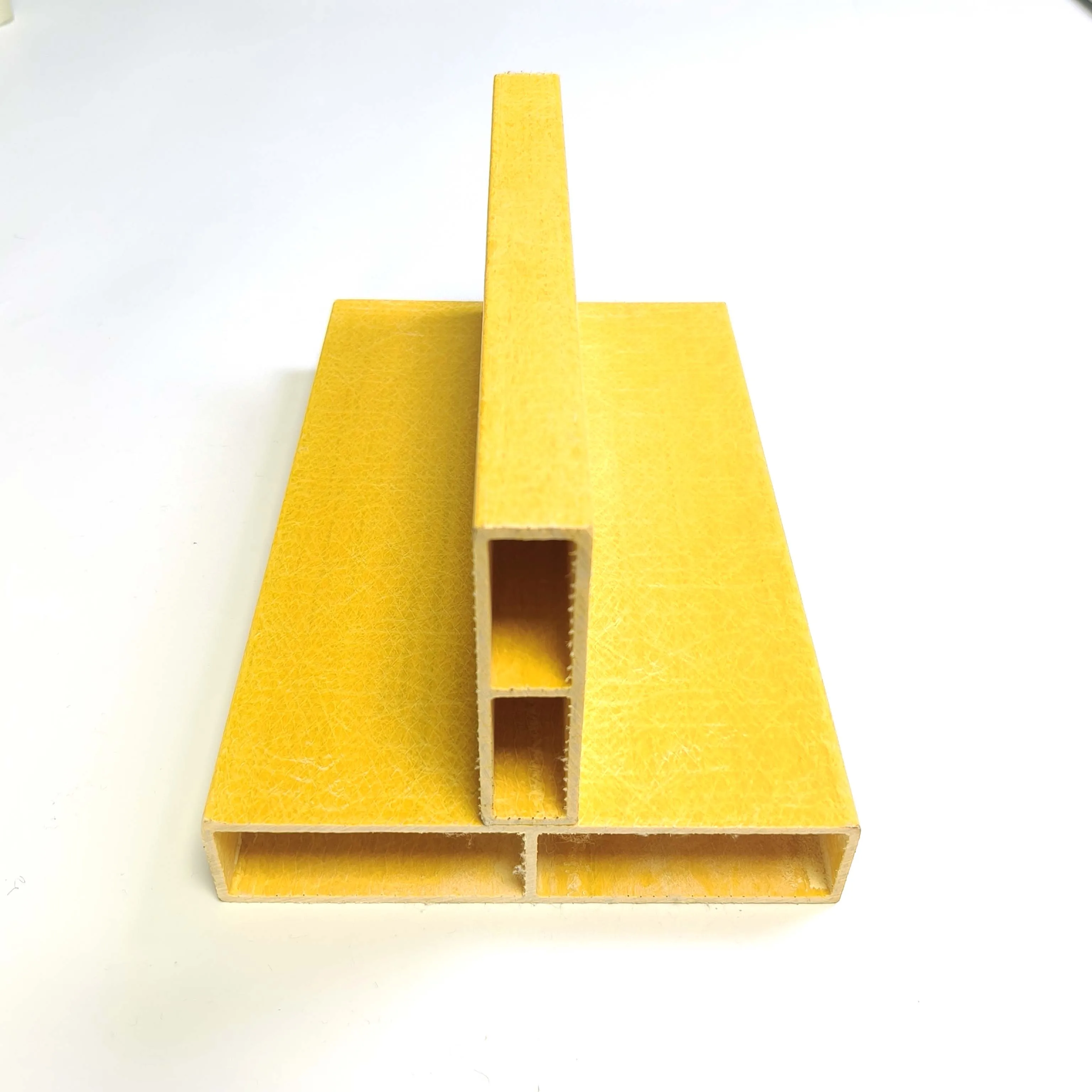
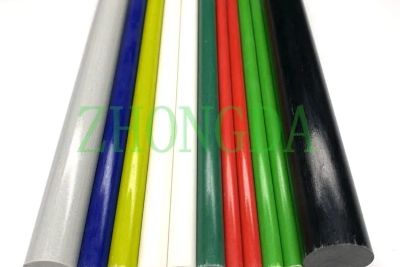
Fiberglass tubing for industrial guardrails represents a revolutionary advancement in workplace safety infrastructure, offering superior protection and durability across diverse industrial environments. This specialized tubing system combines the inherent strength of glass fiber reinforcement with advanced resin matrices to create guardrail components that excel in demanding applications. The primary function of fiberglass tubing for industrial guardrails centers on providing reliable fall protection, equipment safeguarding, and perimeter security in manufacturing facilities, chemical plants, offshore platforms, and construction sites. These tubular structures serve as essential barriers that prevent accidents while maintaining operational efficiency and regulatory compliance. The technological features of fiberglass tubing for industrial guardrails include exceptional corrosion resistance, lightweight construction, and non-conductive properties that make them ideal for environments where traditional metal guardrails would fail or pose safety risks. The composite material structure ensures consistent performance across temperature variations, UV exposure, and chemical contact scenarios. Manufacturing processes involve pultrusion or filament winding techniques that create seamless, uniform tubes with predictable mechanical properties and dimensional stability. Applications for fiberglass tubing for industrial guardrails span numerous sectors including petrochemical facilities, water treatment plants, mining operations, marine installations, and food processing centers. These guardrail systems effectively address challenges posed by corrosive atmospheres, electrical hazards, and weight restrictions that limit conventional metal alternatives. The modular design characteristics of fiberglass tubing for industrial guardrails enable custom configurations that accommodate complex layouts, equipment access requirements, and maintenance procedures. Installation flexibility allows for both permanent and temporary barrier solutions, supporting various project timelines and operational needs. Quality standards for fiberglass tubing for industrial guardrails align with OSHA regulations, international safety codes, and industry-specific requirements, ensuring comprehensive workplace protection and legal compliance across different jurisdictions and operational contexts.

New Product Releases

Fiberglass tubing for industrial guardrails delivers significant advantages that directly impact operational efficiency, safety outcomes, and long-term cost management for industrial facilities. The corrosion resistance properties eliminate the ongoing maintenance burden associated with steel guardrails, particularly in chemical processing environments where exposure to acids, alkalis, and salt spray would rapidly degrade metal components. This resistance translates to reduced replacement cycles, lower maintenance labor costs, and consistent barrier integrity throughout the service life. The lightweight nature of fiberglass tubing for industrial guardrails simplifies installation procedures, reduces structural loading requirements, and enables single-person handling during assembly and modification tasks. Workers can transport, position, and secure these components without heavy lifting equipment, accelerating project timelines and reducing installation costs. The non-conductive characteristics provide crucial safety benefits in electrical environments, eliminating shock hazards and allowing guardrail installation near live equipment without special insulation requirements. This feature proves essential in power generation facilities, electrical substations, and manufacturing operations with high-voltage systems. Temperature stability ensures reliable performance across extreme operating conditions, from arctic outdoor installations to high-heat industrial processes, maintaining structural integrity and safety effectiveness regardless of environmental challenges. The dimensional stability of fiberglass tubing for industrial guardrails prevents warping, sagging, or expansion issues that compromise barrier effectiveness in metal systems. UV resistance protects against degradation from prolonged sun exposure, maintaining appearance and structural properties in outdoor applications without requiring protective coatings or regular refinishing. The smooth surface finish of fiberglass tubing for industrial guardrails resists dirt accumulation and enables easy cleaning with standard washing procedures, supporting hygiene requirements in food processing and pharmaceutical environments. Color integration throughout the material thickness ensures lasting visibility and eliminates the need for periodic repainting, reducing lifecycle maintenance requirements. Impact resistance characteristics provide reliable protection against equipment contact, vehicle strikes, and accidental loading while maintaining barrier integrity. The chemical inertness prevents contamination issues in sensitive manufacturing processes where metal corrosion products could compromise product quality or environmental compliance.

Latest News

How to Make a Carbon Fiber Box: Choosing the Right Prepreg, Resin & Mold

20

Oct

How to Make a Carbon Fiber Box: Choosing the Right Prepreg, Resin & Mold

View More
The advantages of fiberglass stakes

20

Oct

The advantages of fiberglass stakes

View More
Applications and advantages of carbon fiber materials in industry

27

Oct

Applications and advantages of carbon fiber materials in industry

View More

Get a Free Quote

Our representative will contact you soon.
Email
Name
Company Name
Message
0/1000

fiberglass tubing for industrial guardrails

Superior Corrosion Resistance for Extended Service Life

Superior Corrosion Resistance for Extended Service Life

The exceptional corrosion resistance of fiberglass tubing for industrial guardrails represents one of the most compelling advantages for facility managers seeking long-term safety solutions in challenging environments. Unlike traditional steel or aluminum guardrail systems that succumb to rust, galvanic corrosion, and chemical attack, fiberglass tubing for industrial guardrails maintains structural integrity and appearance throughout decades of service. This resistance stems from the non-metallic composite construction that eliminates electrochemical reactions responsible for material degradation in harsh industrial atmospheres. Chemical processing facilities benefit enormously from this characteristic, as exposure to acids, caustics, solvents, and corrosive vapors that would rapidly destroy metal barriers have no effect on properly formulated fiberglass materials. The marine and offshore industries particularly value this resistance, where salt spray and constant moisture exposure create extremely aggressive conditions for conventional materials. Fiberglass tubing for industrial guardrails installed in these environments maintains full protective capability without the costly maintenance cycles required for metal systems. The economic impact extends beyond material replacement costs to include reduced downtime, elimination of protective coating applications, and decreased inspection requirements. Facility operators report significant cost savings over the guardrail system lifecycle, with some installations showing operational periods exceeding twenty years without material degradation or performance reduction. The consistent barrier performance ensures continuous compliance with safety regulations, avoiding potential citations or operational restrictions that could result from compromised guardrail integrity. Environmental benefits also emerge from the corrosion resistance, as fiberglass tubing for industrial guardrails eliminates metal corrosion products that could contaminate soil, groundwater, or process streams. This characteristic proves particularly valuable in food processing, pharmaceutical manufacturing, and environmental remediation applications where contamination prevention is critical. The resistance extends to biological attack, preventing bacterial or fungal degradation that can affect organic materials in humid or contaminated environments, ensuring reliable long-term performance across diverse industrial applications.
Lightweight Design Enabling Efficient Installation and Modification

Lightweight Design Enabling Efficient Installation and Modification

The lightweight properties of fiberglass tubing for industrial guardrails fundamentally transform installation procedures, equipment requirements, and project execution timelines compared to traditional heavy metal systems. With density approximately 75% lower than steel, fiberglass tubing for industrial guardrails enables manual handling by single workers, eliminating the need for cranes, hoists, or multiple-person lifting teams during assembly and modification tasks. This weight advantage translates directly to reduced labor costs, faster project completion, and enhanced installation flexibility in confined or elevated work areas. Construction crews can transport larger quantities of material in standard vehicles, reducing delivery costs and site congestion associated with heavy equipment transportation. The reduced structural loading requirements allow installation on existing platforms, mezzanines, and equipment supports without costly reinforcement modifications that would be necessary for heavier guardrail systems. Facility managers appreciate the ability to reconfigure or relocate fiberglass tubing for industrial guardrails as operational needs change, supporting lean manufacturing principles and adaptive facility layouts. The lightweight nature facilitates temporary installations for maintenance access, construction zones, and seasonal operations where barriers must be frequently installed and removed. Emergency response scenarios benefit from the quick deployment capability, allowing rapid establishment of safety perimeters around hazardous areas or equipment failures. Offshore and remote installations particularly value the transportation advantages, as helicopter or boat transportation costs increase dramatically with material weight. The reduced shipping expenses and handling complexity make fiberglass tubing for industrial guardrails economically attractive for projects in challenging access locations. Installation quality improves with the manageable weight, as workers can precisely position components without the fatigue and positioning difficulties associated with heavy materials. The resulting installations show better alignment, tighter connections, and superior overall appearance compared to systems where material weight compromises installation precision. Maintenance advantages continue throughout the service life, as individual components can be easily removed and replaced without disrupting adjacent sections or requiring heavy equipment mobilization, supporting efficient facility management and operational continuity.
Non-Conductive Properties Ensuring Electrical Safety Compliance

Non-Conductive Properties Ensuring Electrical Safety Compliance

The inherent non-conductive characteristics of fiberglass tubing for industrial guardrails provide critical safety advantages in electrical environments, eliminating shock hazards and enabling barrier installation in locations where metal guardrails would create dangerous conditions. This electrical isolation capability allows fiberglass tubing for industrial guardrails to be installed directly adjacent to energized equipment, power distribution systems, and high-voltage installations without creating additional safety risks or requiring expensive insulation modifications. Electrical utilities, power generation facilities, and manufacturing operations with significant electrical infrastructure rely on this property to maintain worker safety while providing necessary fall protection and equipment barriers. The dielectric strength of properly manufactured fiberglass tubing for industrial guardrails exceeds requirements for most industrial electrical applications, providing reliable isolation even under fault conditions or electrical transients. This capability proves essential in environments where electrical arcing, equipment failures, or maintenance activities could energize nearby conductive materials. The non-conductive nature eliminates the need for electrical bonding, grounding, or isolation procedures required with metal guardrail systems, simplifying installation and reducing electrical safety complexity. Safety managers appreciate the reduced electrical hazard assessment requirements when specifying fiberglass tubing for industrial guardrails, as the material inherently addresses many electrical safety concerns without additional protective measures. The property remains stable throughout the material service life, unlike coatings or treatments that may degrade and compromise electrical isolation over time. Lightning protection systems benefit from the electrical isolation, as fiberglass tubing for industrial guardrails will not create conductive paths that could redirect electrical energy into unintended locations or equipment. The electrical properties complement arc flash safety programs, as the non-conductive barriers do not contribute to arc blast propagation or provide pathways for electrical energy during fault conditions. Maintenance operations around electrical equipment proceed more safely with fiberglass guardrails in place, as workers can contact the barrier system without electrical hazard concerns that would exist with metal alternatives. The electrical isolation also prevents galvanic corrosion between dissimilar metals in the electrical system, supporting overall system reliability and reducing maintenance requirements for connected electrical equipment and infrastructure components.

Get a Free Quote

Our representative will contact you soon.
Email
Name
Company Name
Message
0/1000