Advanced Durability and Weather Resistance
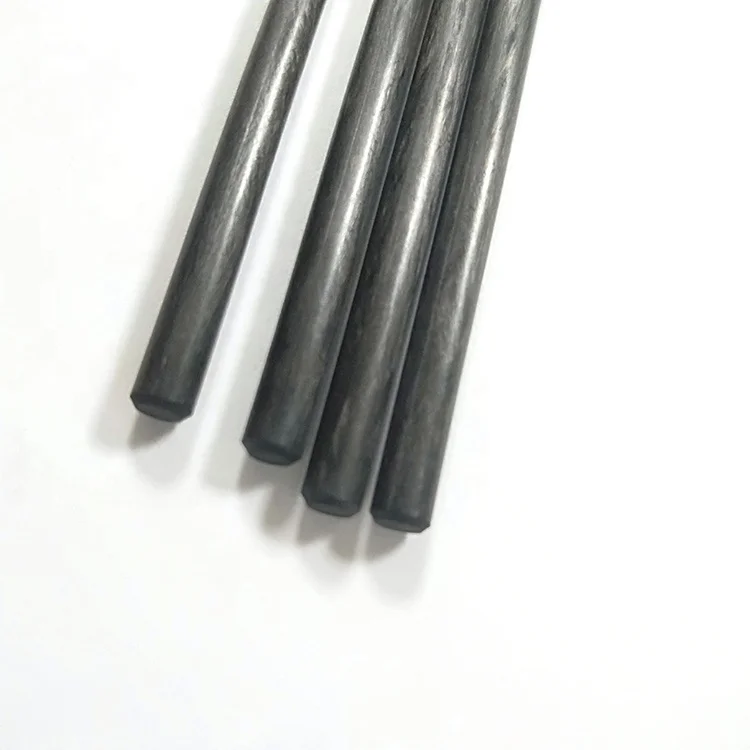
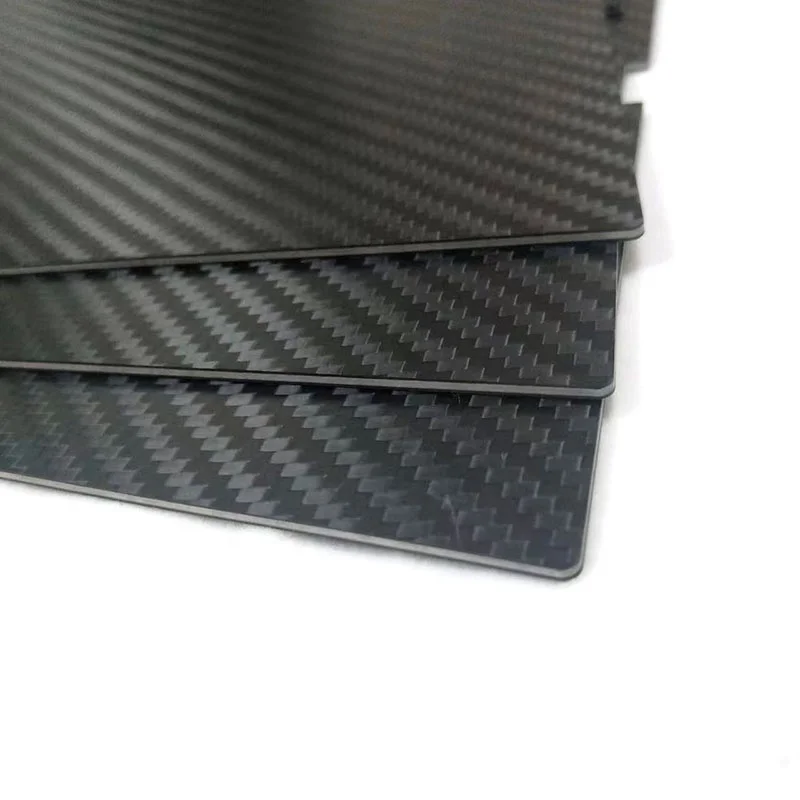
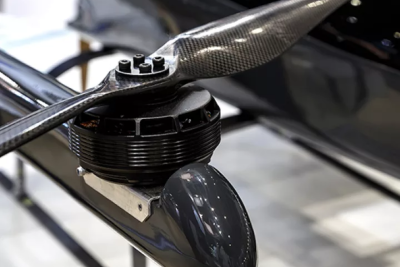
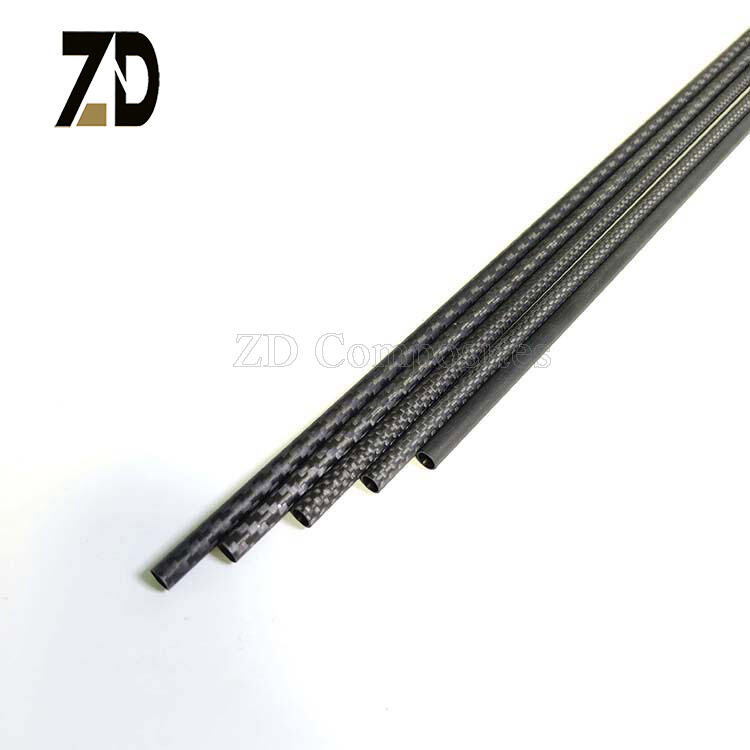
The advanced durability and weather resistance of carbon fiber tubes for drones establish these components as superior long-term investments that deliver consistent performance across diverse environmental conditions and extended operational lifecycles. Unlike traditional materials that may corrode, fatigue, or degrade when exposed to harsh conditions, carbon fiber demonstrates exceptional resilience to environmental stressors that commonly affect drone operations. The molecular structure of carbon fiber tubes for drones resists ultraviolet radiation damage, preventing the brittleness and strength reduction that can affect other materials during prolonged sun exposure. This UV stability proves particularly valuable for agricultural, surveying, and security applications where aircraft operate extensively in outdoor environments. Moisture resistance represents another critical durability advantage, as carbon fiber tubes for drones do not absorb water or suffer from corrosion issues that plague metal components in humid or marine environments. Coastal operations, tropical deployments, and winter flying conditions pose no threat to the structural integrity of quality carbon fiber components. Temperature cycling, which can cause expansion and contraction stresses in metal parts, has minimal impact on carbon fiber tubes for drones due to the low coefficient of thermal expansion inherent in the material. This thermal stability ensures that aircraft maintain precise tolerances and flight characteristics regardless of seasonal temperature variations or altitude changes during operation. The fatigue resistance of carbon fiber tubes for drones far exceeds that of aluminum or steel alternatives, with properly manufactured components maintaining full strength through millions of stress cycles without developing the micro-cracks that eventually lead to catastrophic failures in metal parts. Chemical resistance protects carbon fiber tubes for drones from damage when exposed to fertilizers, cleaning solvents, or other substances commonly encountered in commercial operations. The impact resistance characteristics of carbon fiber provide superior crash survivability compared to brittle materials, often allowing for field repairs rather than complete component replacement. Salt spray, industrial pollutants, and other corrosive environmental factors that can rapidly degrade metal components have no effect on carbon fiber tubes for drones, making them ideal for urban monitoring, industrial inspection, and marine research applications. Manufacturing quality controls ensure that these durability characteristics remain consistent across production runs, providing users with reliable performance expectations and predictable replacement schedules that support effective fleet management and operational planning strategies.
 ×
×

 EN
EN