Complete Guide to Carbon Fiber Tube Sizes: Specifications, Applications & Benefits

Get a Free Quote

Our representative will contact you soon.
Email
Name
Company Name
Message
0/1000

carbon fiber tube sizes

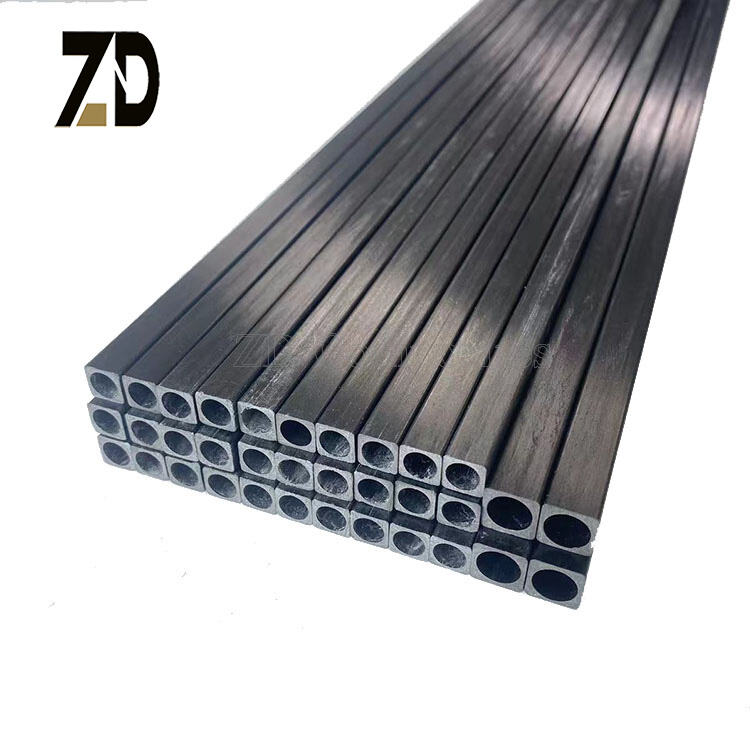
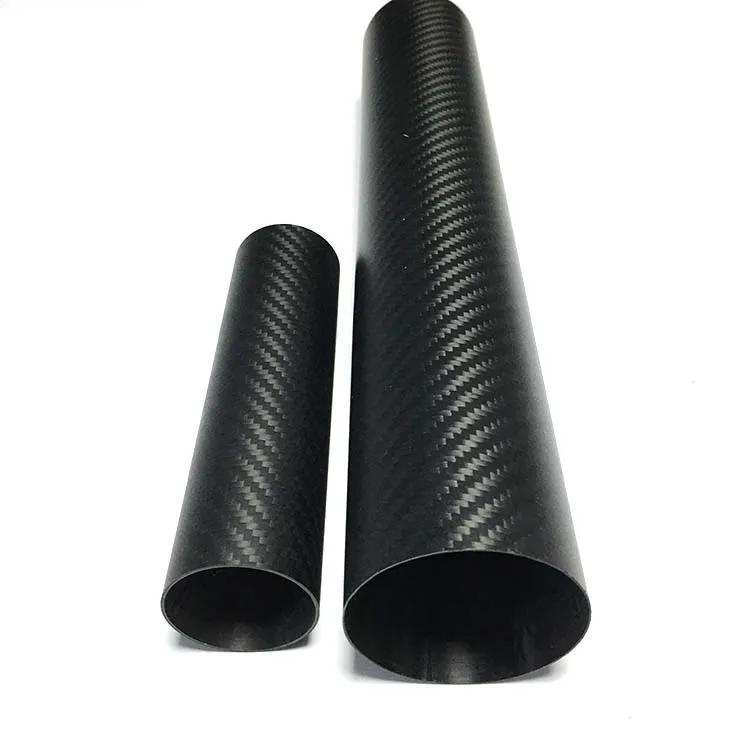
Carbon fiber tube sizes represent a critical specification system that defines the dimensional parameters and structural characteristics of these advanced composite materials. Understanding carbon fiber tube sizes enables engineers, manufacturers, and end-users to select optimal solutions for their specific applications. These tubes are manufactured in various diameter ranges, typically spanning from small precision tubes of 3mm internal diameter to large industrial tubes exceeding 100mm in diameter. The wall thickness variations in carbon fiber tube sizes directly influence the strength-to-weight ratio, flexibility, and load-bearing capacity of the final product. Standard carbon fiber tube sizes follow industry conventions that ensure compatibility across different manufacturing processes and assembly requirements. The sizing system encompasses both metric and imperial measurements, accommodating global market demands and regional preferences. Length specifications for carbon fiber tube sizes can range from short precision components of several centimeters to extended structural elements measuring multiple meters. The manufacturing process for different carbon fiber tube sizes involves sophisticated techniques including filament winding, pultrusion, and autoclave molding, each optimized for specific dimensional requirements. Quality control measures ensure that carbon fiber tube sizes maintain precise tolerances, typically within ±0.1mm for critical applications. The fiber orientation patterns in various carbon fiber tube sizes can be customized to achieve desired mechanical properties, with common configurations including 0°/90°, ±45°, and quasi-isotropic layups. Surface finish options for different carbon fiber tube sizes include smooth, textured, or machined surfaces depending on application requirements. The standardization of carbon fiber tube sizes facilitates inventory management, reduces production costs, and enables efficient supply chain operations across industries ranging from aerospace to sporting goods manufacturing.

New Product Recommendations

Carbon fiber tube sizes offer exceptional versatility that directly translates into cost-effective solutions for diverse engineering challenges. The standardized sizing system allows manufacturers to maintain inventory efficiency while meeting precise customer specifications without custom tooling expenses. Different carbon fiber tube sizes provide optimal strength-to-weight ratios that surpass traditional materials like steel and aluminum by significant margins. This weight reduction capability enables designers to create lighter structures without compromising structural integrity or performance standards. The corrosion resistance inherent in all carbon fiber tube sizes eliminates the need for protective coatings or regular maintenance schedules, reducing long-term operational costs substantially. Temperature stability across various carbon fiber tube sizes ensures consistent performance in extreme environmental conditions, from arctic applications to high-temperature industrial processes. The dimensional accuracy maintained in carbon fiber tube sizes enables precision assembly processes, reducing manufacturing time and improving final product quality. Electrical properties of carbon fiber tube sizes can be tailored through specific sizing and fiber orientation, creating solutions for electromagnetic shielding or conductive applications. The fatigue resistance demonstrated by properly sized carbon fiber tubes exceeds conventional materials by orders of magnitude, extending service life and reducing replacement frequency. Machining compatibility of different carbon fiber tube sizes allows for secondary operations including drilling, cutting, and threading without compromising structural properties. The chemical inertness of carbon fiber tube sizes makes them suitable for harsh chemical environments where traditional materials would deteriorate rapidly. Thermal expansion coefficients of various carbon fiber tube sizes can be engineered to match other system components, preventing thermal stress failures in multi-material assemblies. The manufacturing scalability of carbon fiber tube sizes enables both prototype development and high-volume production runs with consistent quality standards. Design flexibility afforded by the range of available carbon fiber tube sizes encourages innovation in product development while maintaining manufacturing feasibility. The recyclability potential of carbon fiber tube sizes supports sustainable manufacturing practices and environmental responsibility initiatives throughout various industries.

Practical Tips

How to Make a Carbon Fiber Box: Choosing the Right Prepreg, Resin & Mold

20

Oct

How to Make a Carbon Fiber Box: Choosing the Right Prepreg, Resin & Mold

View More
The advantages of fiberglass stakes

20

Oct

The advantages of fiberglass stakes

View More
Applications and advantages of carbon fiber materials in industry

27

Oct

Applications and advantages of carbon fiber materials in industry

View More

Get a Free Quote

Our representative will contact you soon.
Email
Name
Company Name
Message
0/1000

carbon fiber tube sizes

Precision Engineering Through Standardized Carbon Fiber Tube Sizes

Precision Engineering Through Standardized Carbon Fiber Tube Sizes

The standardization of carbon fiber tube sizes represents a revolutionary approach to precision engineering that delivers measurable benefits across multiple industries and applications. This systematic approach to dimensional specifications ensures that engineers and designers can rely on consistent, predictable performance characteristics when selecting appropriate carbon fiber tube sizes for their projects. The precision manufacturing processes used to create these standardized carbon fiber tube sizes maintain tolerances that often exceed traditional metallic alternatives, enabling applications where exact dimensional control is paramount. Quality assurance protocols integrated into the production of various carbon fiber tube sizes include comprehensive dimensional verification, mechanical testing, and surface quality inspection procedures that guarantee compliance with international standards. The interchangeability achieved through standardized carbon fiber tube sizes reduces inventory complexity for manufacturers while providing flexibility in design modifications and product upgrades. This standardization extends beyond simple dimensional parameters to include material properties, fiber orientation specifications, and surface finish options, creating a comprehensive system that supports efficient engineering processes. The economic advantages of standardized carbon fiber tube sizes include reduced tooling costs, shorter lead times, and improved supply chain reliability that directly impact project timelines and budgets. Advanced manufacturing techniques employed in producing these carbon fiber tube sizes utilize computer-controlled processes that ensure dimensional consistency across large production runs while maintaining the superior mechanical properties that make carbon fiber attractive to engineers. The documentation and certification systems supporting standardized carbon fiber tube sizes provide traceability and quality assurance that meets aerospace, automotive, and industrial standards. Testing protocols for different carbon fiber tube sizes encompass mechanical property verification, dimensional accuracy confirmation, and long-term performance evaluation under various environmental conditions. The global availability of standardized carbon fiber tube sizes facilitates international collaboration and reduces regional supply chain dependencies that can impact project execution.
Superior Mechanical Performance Across All Carbon Fiber Tube Sizes

Superior Mechanical Performance Across All Carbon Fiber Tube Sizes

The mechanical performance characteristics of carbon fiber tube sizes consistently demonstrate superiority over traditional materials across multiple performance metrics that directly impact application success and long-term reliability. The strength-to-weight ratio achieved by various carbon fiber tube sizes typically exceeds steel by 5:1 and aluminum by 2:1, enabling significant weight reductions without performance compromises in critical applications. Tensile strength values for different carbon fiber tube sizes range from 500 MPa to over 700 MPa depending on fiber type and manufacturing process, providing exceptional load-bearing capabilities for structural applications. The modulus of elasticity maintained across carbon fiber tube sizes ensures minimal deflection under load while maintaining excellent vibration damping characteristics that enhance system performance and user comfort. Fatigue resistance demonstrated by carbon fiber tube sizes significantly exceeds metallic alternatives, with properly designed components showing negligible strength degradation after millions of load cycles. The directional strength characteristics of carbon fiber tube sizes can be optimized through fiber orientation control, enabling designers to create components that excel in specific loading conditions while maintaining overall structural efficiency. Impact resistance properties of various carbon fiber tube sizes provide excellent energy absorption capabilities while maintaining structural integrity, making them ideal for applications where sudden loads or shock events are anticipated. The compression strength values achieved in different carbon fiber tube sizes, while lower than tensile values, still provide adequate performance for most applications while offering design flexibility through wall thickness optimization. Creep resistance exhibited by carbon fiber tube sizes ensures long-term dimensional stability under sustained loading conditions, eliminating concerns about gradual deformation that can affect system performance over time. The temperature-dependent mechanical properties of carbon fiber tube sizes remain stable across wide temperature ranges, maintaining performance characteristics from cryogenic conditions to elevated temperature environments. Interlaminar shear strength values for various carbon fiber tube sizes provide excellent resistance to delamination and layer separation, ensuring structural integrity under complex loading conditions.
Versatile Applications Enabled by Diverse Carbon Fiber Tube Sizes

Versatile Applications Enabled by Diverse Carbon Fiber Tube Sizes

The extensive range of available carbon fiber tube sizes enables applications across industries that were previously limited by material constraints, opening new possibilities for innovation and performance enhancement in countless sectors. Aerospace applications utilize various carbon fiber tube sizes for structural components, control surfaces, and internal frameworks where weight reduction and strength requirements demand superior materials performance. The automotive industry leverages different carbon fiber tube sizes for chassis components, drive shafts, and body panels where performance enhancement and fuel efficiency improvements justify the material investment. Sporting goods manufacturers incorporate specific carbon fiber tube sizes into products ranging from bicycle frames and fishing rods to golf shafts and hockey sticks, where performance advantages translate directly into competitive benefits for end users. Marine applications benefit from the corrosion resistance and strength characteristics of various carbon fiber tube sizes in masts, booms, and structural components where traditional materials face durability challenges in harsh saltwater environments. Industrial machinery applications utilize appropriate carbon fiber tube sizes for conveyor systems, robotic arms, and precision tooling where weight reduction and vibration damping improve operational efficiency and accuracy. The medical device industry employs specific carbon fiber tube sizes for prosthetics, surgical instruments, and diagnostic equipment where biocompatibility and strength requirements exceed conventional material capabilities. Renewable energy applications incorporate various carbon fiber tube sizes into wind turbine blades, solar panel frameworks, and energy storage systems where durability and environmental resistance are critical for long-term performance. Construction and architectural applications utilize appropriate carbon fiber tube sizes for reinforcement systems, decorative elements, and structural upgrades where strength enhancement and aesthetic considerations must be balanced effectively. The electronics industry benefits from the electromagnetic properties of specific carbon fiber tube sizes in shielding applications, antenna systems, and equipment housings where performance and weight considerations drive material selection. Military and defense applications employ various carbon fiber tube sizes in vehicle armor, weapons systems, and communication equipment where performance under extreme conditions is essential for mission success.

Get a Free Quote

Our representative will contact you soon.
Email
Name
Company Name
Message
0/1000