High-Performance Structural Carbon Fiber Tube Solutions - Lightweight, Durable, Customizable

Get a Free Quote

Our representative will contact you soon.
Email
Name
Company Name
Message
0/1000

structural carbon fiber tube

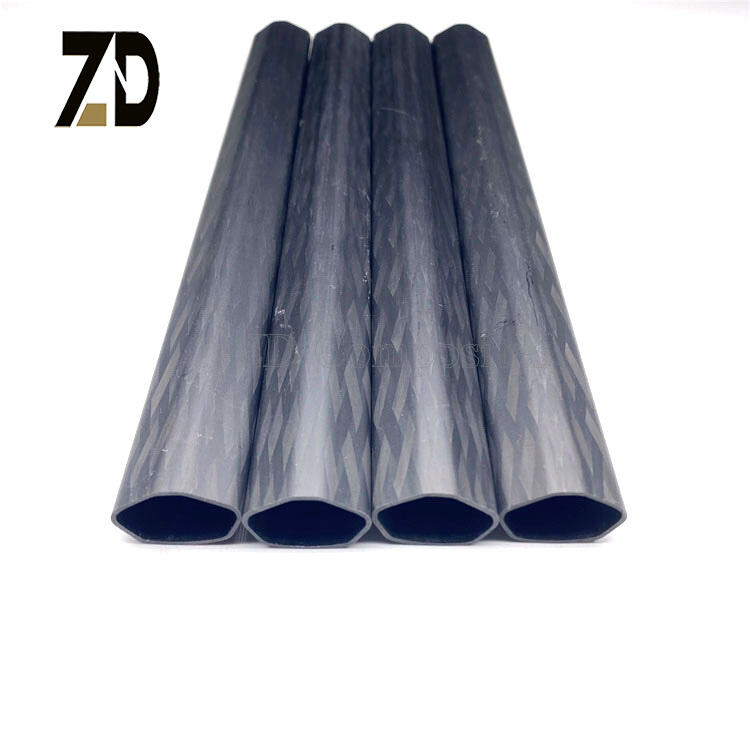
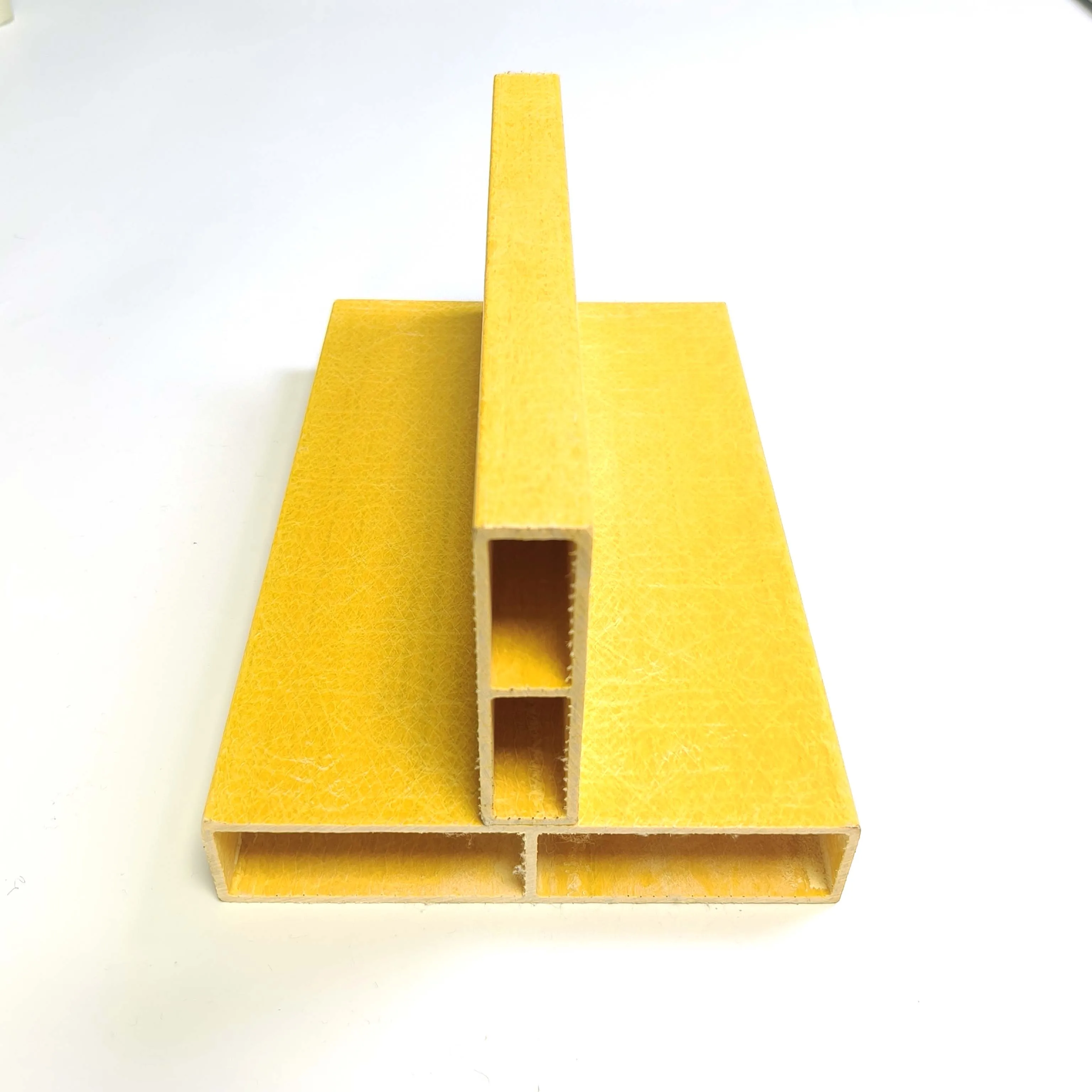
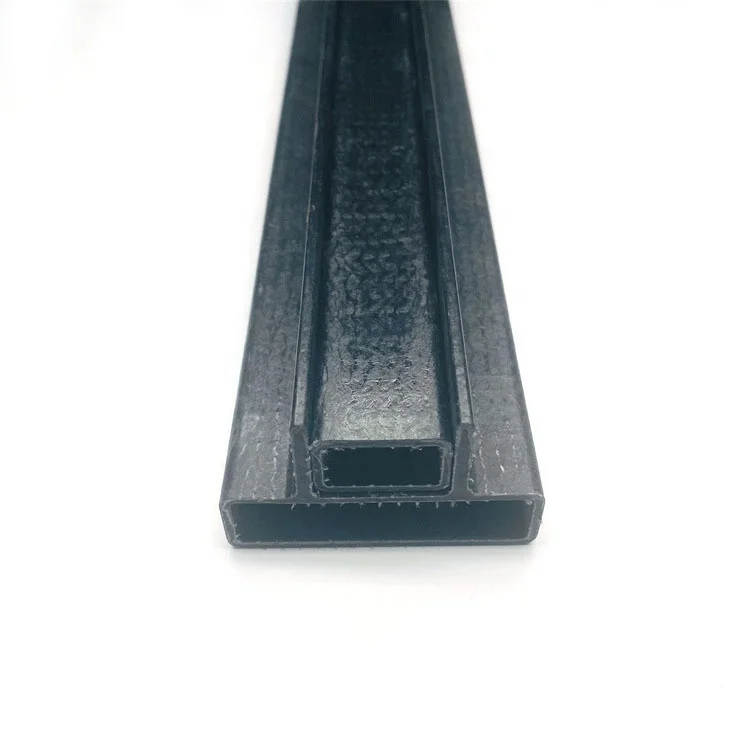
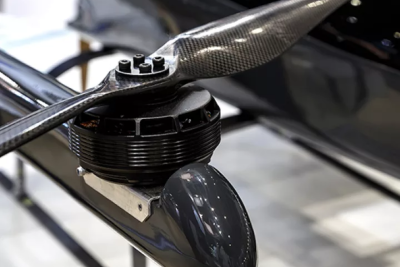
Structural carbon fiber tube represents a revolutionary advancement in modern engineering materials, combining exceptional strength-to-weight ratios with versatile design capabilities. These hollow cylindrical components are manufactured using high-grade carbon fiber reinforced polymer (CFRP) technology, creating products that outperform traditional materials like steel, aluminum, and fiberglass across multiple performance metrics. The structural carbon fiber tube consists of continuous carbon fiber strands woven into fabric patterns and impregnated with epoxy resin systems, then cured under controlled temperature and pressure conditions to achieve optimal mechanical properties. The main functions of structural carbon fiber tube include load-bearing applications, vibration dampening, thermal management, and structural reinforcement across diverse industries. These tubes excel in situations requiring maximum strength with minimal weight penalties, making them indispensable for aerospace, automotive, marine, and construction applications. The technological features of structural carbon fiber tube encompass directional fiber orientation control, customizable wall thickness variations, and precise diameter tolerances that ensure consistent performance characteristics. Advanced manufacturing processes enable the production of structural carbon fiber tube with tailored properties, including specific stiffness requirements, impact resistance levels, and environmental durability standards. The hollow design maximizes structural efficiency by distributing loads along the tube walls while maintaining lightweight characteristics essential for modern engineering solutions. Applications span from aircraft fuselage components and satellite structures to high-performance bicycle frames and architectural support elements. The structural carbon fiber tube offers superior corrosion resistance compared to metallic alternatives, eliminating maintenance concerns associated with rust and oxidation. Temperature stability ranges allow structural carbon fiber tube to function effectively in extreme environments, from cryogenic conditions to elevated temperature operations. The non-conductive properties of structural carbon fiber tube provide electrical isolation benefits in sensitive electronic applications, while the radiolucent characteristics enable use in medical imaging equipment without interference.

New Product Releases

The structural carbon fiber tube delivers exceptional advantages that transform engineering possibilities across multiple industries and applications. Weight reduction stands as the most significant benefit, with structural carbon fiber tube weighing up to 70 percent less than equivalent steel components while maintaining comparable or superior strength characteristics. This dramatic weight savings translates directly into improved fuel efficiency for vehicles, increased payload capacity for aircraft, and enhanced portability for handheld equipment. The structural carbon fiber tube exhibits remarkable fatigue resistance, enduring millions of stress cycles without degradation, far exceeding the performance of traditional metallic materials that suffer from fatigue cracking over time. Corrosion immunity represents another crucial advantage, as structural carbon fiber tube remains unaffected by moisture, salt spray, chemicals, and environmental pollutants that rapidly degrade steel and aluminum components. This resistance eliminates costly maintenance schedules and replacement cycles, providing long-term economic benefits through reduced lifecycle costs. The structural carbon fiber tube offers exceptional dimensional stability across temperature ranges, maintaining precise tolerances where metals expand and contract significantly. Vibration dampening properties inherent in structural carbon fiber tube reduce noise transmission and improve operational smoothness in mechanical systems, enhancing user comfort and equipment longevity. Manufacturing flexibility allows structural carbon fiber tube to be produced in complex shapes and configurations impossible with traditional materials, enabling innovative design solutions that optimize performance and aesthetics simultaneously. The structural carbon fiber tube provides electromagnetic transparency, making it ideal for applications requiring radio frequency transmission without signal interference or shielding concerns. Thermal properties of structural carbon fiber tube can be tailored through fiber selection and resin systems, creating components with specific thermal conductivity or insulation characteristics as required. The structural carbon fiber tube offers superior impact energy absorption compared to brittle materials, providing safety advantages in crash protection applications. Chemical resistance ensures structural carbon fiber tube maintains integrity when exposed to fuels, oils, acids, and other industrial chemicals that attack conventional materials. Design optimization capabilities allow structural carbon fiber tube walls to vary in thickness and fiber orientation, creating components with strength exactly where needed while minimizing material usage in less critical areas.

Tips And Tricks

How to Make a Carbon Fiber Box: Choosing the Right Prepreg, Resin & Mold

20

Oct

How to Make a Carbon Fiber Box: Choosing the Right Prepreg, Resin & Mold

View More
The advantages of fiberglass stakes

20

Oct

The advantages of fiberglass stakes

View More
Applications and advantages of carbon fiber materials in industry

27

Oct

Applications and advantages of carbon fiber materials in industry

View More

Get a Free Quote

Our representative will contact you soon.
Email
Name
Company Name
Message
0/1000

structural carbon fiber tube

Unmatched Strength-to-Weight Performance Revolution

Unmatched Strength-to-Weight Performance Revolution

The structural carbon fiber tube achieves unprecedented strength-to-weight ratios that fundamentally change engineering possibilities across industries demanding high performance with minimal mass penalties. This exceptional characteristic stems from carbon fiber's unique molecular structure, where individual carbon atoms form incredibly strong covalent bonds arranged in crystalline formations that provide tensile strength approaching that of diamond while maintaining the flexibility needed for practical applications. The structural carbon fiber tube harnesses these properties through advanced manufacturing techniques that align carbon fibers in optimal directions, creating components that can withstand forces many times greater than their own weight. In practical terms, a structural carbon fiber tube can support loads equivalent to steel components while weighing only a fraction of the metallic alternative, enabling engineers to design lighter structures without compromising safety or performance standards. This advantage becomes critically important in aerospace applications where every gram of weight reduction translates into significant fuel savings and increased payload capacity over the aircraft's operational lifetime. The structural carbon fiber tube enables satellite designers to create larger, more capable structures within strict launch weight constraints, maximizing scientific instrument capacity while maintaining structural integrity during violent launch accelerations and the harsh environment of space. Automotive engineers utilize structural carbon fiber tube in racing applications and high-performance vehicles where weight reduction directly improves acceleration, braking performance, and handling characteristics while maintaining crash safety requirements. The construction industry benefits from structural carbon fiber tube in applications requiring long spans with minimal support structures, such as architectural elements and bridge components where traditional materials would require massive supports that compromise design aesthetics and functionality. Marine applications leverage the structural carbon fiber tube's strength-to-weight ratio in mast construction, hull reinforcement, and rigging systems where reduced weight improves vessel stability and performance while the material's corrosion resistance ensures longevity in saltwater environments. The structural carbon fiber tube's exceptional performance enables entirely new design paradigms that were previously impossible with conventional materials, opening opportunities for innovation in fields ranging from renewable energy infrastructure to sports equipment manufacturing.
Superior Durability and Maintenance-Free Operation

Superior Durability and Maintenance-Free Operation

The structural carbon fiber tube provides exceptional durability characteristics that eliminate traditional maintenance requirements while delivering consistent performance throughout extended service lives under demanding operational conditions. Unlike metallic materials that suffer from fatigue cracking, corrosion, and gradual strength degradation over time, the structural carbon fiber tube maintains its mechanical properties indefinitely when properly manufactured and installed within design parameters. This remarkable durability stems from the inert nature of carbon fiber materials and advanced resin matrix systems that create a protective barrier against environmental degradation factors including ultraviolet radiation, moisture infiltration, chemical exposure, and temperature cycling effects that rapidly destroy conventional materials. The structural carbon fiber tube resists corrosion completely, eliminating the costly inspection, treatment, and replacement cycles required for steel and aluminum components in marine, chemical processing, and outdoor applications. This corrosion immunity provides particular value in infrastructure applications where access for maintenance is difficult or expensive, such as bridge components, tower structures, and underground installations where the structural carbon fiber tube continues performing reliably for decades without intervention. Fatigue resistance of structural carbon fiber tube far exceeds metallic alternatives, with laboratory testing demonstrating the ability to withstand millions of stress cycles at high load levels without crack initiation or strength reduction. This characteristic proves invaluable in rotating machinery applications, vibrating structures, and cyclically loaded components where traditional materials require regular inspection and replacement to prevent catastrophic failures. The structural carbon fiber tube maintains dimensional stability across wide temperature ranges, preventing the thermal expansion and contraction issues that cause joint failures and alignment problems in metallic structures. Chemical resistance enables structural carbon fiber tube to operate in aggressive environments containing acids, bases, solvents, and other substances that rapidly attack metals and polymers, maintaining structural integrity in chemical processing plants, wastewater treatment facilities, and industrial applications where conventional materials require frequent replacement. The structural carbon fiber tube's UV resistance prevents the degradation common in other composite materials, ensuring consistent performance in outdoor applications without protective coatings or treatments. This comprehensive durability package translates into dramatically reduced total cost of ownership through eliminated maintenance expenses, extended service intervals, and improved system reliability that minimizes costly downtime and operational disruptions.

Advanced Customization and Design Flexibility

Advanced Customization and Design Flexibility

The structural carbon fiber tube offers unparalleled customization capabilities that enable engineers to create precisely tailored solutions matching specific application requirements through advanced manufacturing processes and material selection options unavailable with traditional materials. This design flexibility begins with fiber architecture control, where carbon fiber orientations can be optimized for primary load directions, creating structural carbon fiber tube components with maximum efficiency by placing reinforcement exactly where stress analysis indicates the highest demands occur. Wall thickness variations along the length of structural carbon fiber tube allow engineers to optimize material distribution, providing maximum strength in critical areas while reducing weight in sections experiencing lower stresses, creating components that achieve optimal performance-to-weight ratios impossible with uniform metallic alternatives. The structural carbon fiber tube manufacturing process enables complex geometric shapes including tapered profiles, curved sections, and integrated mounting features that eliminate secondary machining operations and assembly joints that introduce potential failure points in traditional designs. Multiple carbon fiber types can be combined within a single structural carbon fiber tube, utilizing high-strength fibers for primary load paths while incorporating high-modulus fibers for stiffness requirements and impact-resistant fibers for damage tolerance, creating hybrid structures optimized for multiple performance criteria simultaneously. Resin selection for structural carbon fiber tube enables customization of matrix properties including temperature resistance, chemical compatibility, fire retardancy, and electrical conductivity to match specific environmental and functional requirements that vary dramatically across different applications and industries. The structural carbon fiber tube can incorporate integrated features during manufacturing including threaded inserts, mounting brackets, sensor embedding locations, and internal reinforcements that eliminate secondary assembly operations while ensuring optimal load transfer characteristics throughout the component. Surface finish options for structural carbon fiber tube range from smooth aerodynamic profiles for aerospace applications to textured surfaces for improved grip and handling in sports equipment, with cosmetic finishes available in virtually unlimited color and pattern combinations for architectural and consumer applications. Manufacturing process flexibility allows structural carbon fiber tube production in quantities ranging from single prototypes to high-volume production runs, with tooling options that can accommodate design changes and customization requirements throughout the product development cycle. Quality control capabilities ensure each structural carbon fiber tube meets precise specifications through advanced testing methodologies including ultrasonic inspection, computed tomography scanning, and mechanical testing that verify performance characteristics before delivery to customers requiring critical applications where failure is not acceptable.

Get a Free Quote

Our representative will contact you soon.
Email
Name
Company Name
Message
0/1000