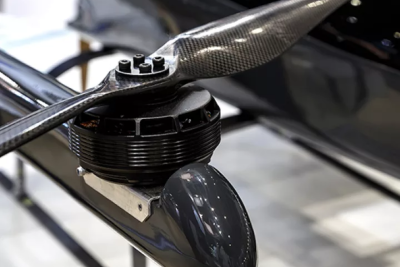
Premium Carbon Fiber Tubes for RC Planes - Lightweight, Durable Aircraft Components

Get a Free Quote

Our representative will contact you soon.
Email
Name
Company Name
Message
0/1000

carbon fiber tubes for rc planes

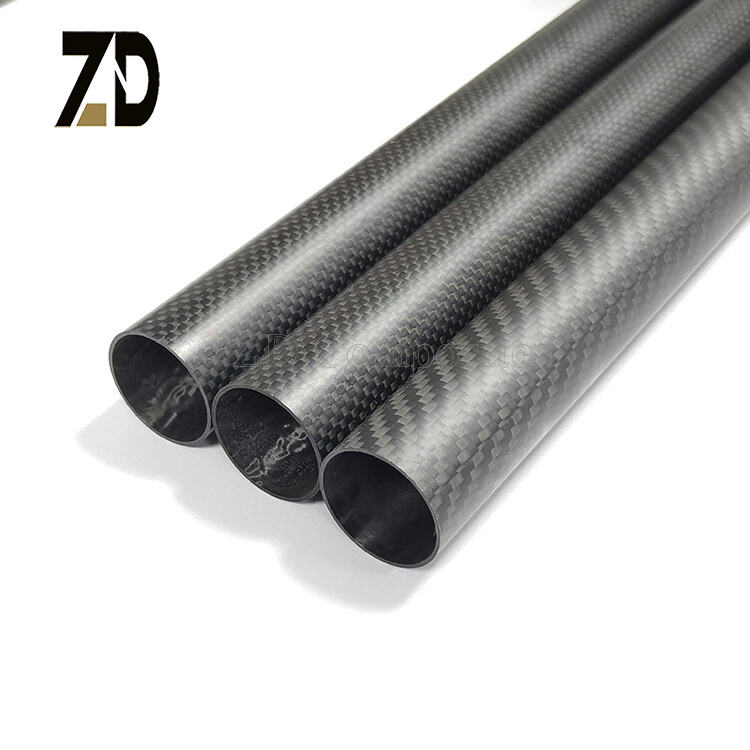
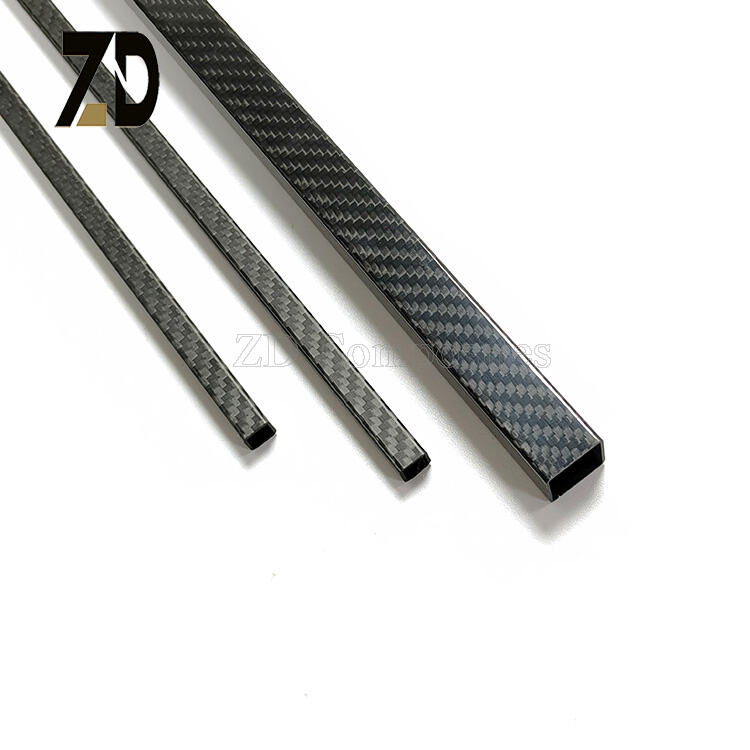
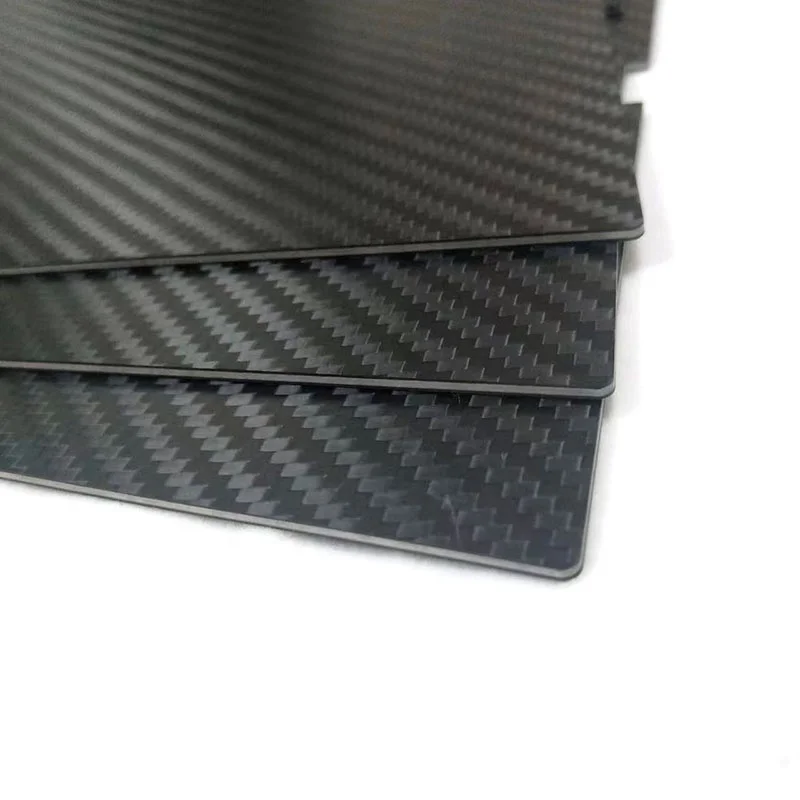
Carbon fiber tubes for rc planes represent a revolutionary advancement in remote control aircraft construction, offering enthusiasts and professionals alike an exceptional combination of strength, lightweight properties, and precision engineering. These specialized tubes serve as crucial structural components in rc aircraft design, functioning as fuselage frames, wing spars, landing gear struts, and various reinforcement elements throughout the aircraft structure. The manufacturing process involves weaving carbon fiber strands into precise patterns before curing them with high-grade epoxy resins, creating tubes that deliver remarkable tensile strength while maintaining minimal weight characteristics. Modern carbon fiber tubes for rc planes utilize advanced weaving techniques including plain weave, twill weave, and unidirectional fiber orientations to optimize performance for specific applications. The hollow construction of these tubes provides an excellent strength-to-weight ratio, making them ideal for weight-sensitive aircraft where every gram matters for flight performance. These tubes come in various diameters and wall thicknesses to accommodate different structural requirements, from delicate micro aircraft to large-scale aerobatic models. The smooth surface finish of carbon fiber tubes for rc planes reduces air resistance and provides an aesthetically pleasing appearance that appeals to hobbyists who value both performance and visual appeal. Temperature resistance is another critical feature, as these tubes maintain structural integrity across wide temperature ranges encountered during flight operations. The modular nature of carbon fiber tubes allows builders to create custom aircraft designs with precise fitment and reliable joint connections. Manufacturing quality control ensures consistent wall thickness and dimensional accuracy, critical factors for maintaining proper center of gravity and structural balance in rc aircraft applications.

New Product Recommendations

Carbon fiber tubes for rc planes deliver substantial weight reduction compared to traditional aluminum or steel alternatives, typically offering 40-60% weight savings while maintaining superior structural integrity. This dramatic weight reduction directly translates to improved flight performance, extended battery life, and enhanced maneuverability for electric-powered aircraft. The exceptional strength characteristics of carbon fiber tubes enable builders to construct more robust aircraft structures without adding unnecessary bulk, allowing for more aggressive flight maneuvers and increased durability during hard landings or minor crashes. Vibration damping properties inherent in carbon fiber construction significantly reduce engine and propeller vibrations throughout the airframe, resulting in smoother flight characteristics and reduced wear on electronic components such as servos, receivers, and flight controllers. The corrosion resistance of carbon fiber tubes for rc planes eliminates concerns about rust or oxidation that plague metal alternatives, ensuring long-term structural reliability even in humid or wet conditions. Precision manufacturing processes guarantee consistent dimensional accuracy, enabling builders to achieve perfect fits and alignments during assembly, which directly impacts flight performance and structural integrity. The non-conductive properties of carbon fiber provide electrical isolation benefits, preventing interference with radio systems and electronic components that could affect flight control reliability. Thermal stability allows these tubes to withstand temperature variations encountered during high-performance flights without structural degradation or dimensional changes. The fatigue resistance of carbon fiber tubes far exceeds that of metal alternatives, maintaining structural properties through countless flight cycles without developing stress fractures or material failure. Easy machinability allows builders to drill, cut, and modify carbon fiber tubes using standard tools, though proper safety equipment is essential due to the abrasive nature of carbon fiber dust. Cost-effectiveness becomes apparent over time as the durability and longevity of carbon fiber tubes for rc planes reduce replacement frequency and maintenance requirements compared to traditional materials. The aesthetic appeal of carbon fiber weave patterns adds visual sophistication to aircraft designs, satisfying builders who appreciate premium materials and professional appearance in their completed projects.

Latest News

How to Make a Carbon Fiber Box: Choosing the Right Prepreg, Resin & Mold

20

Oct

How to Make a Carbon Fiber Box: Choosing the Right Prepreg, Resin & Mold

View More
The advantages of fiberglass stakes

20

Oct

The advantages of fiberglass stakes

View More
Applications and advantages of carbon fiber materials in industry

27

Oct

Applications and advantages of carbon fiber materials in industry

View More

Get a Free Quote

Our representative will contact you soon.
Email
Name
Company Name
Message
0/1000

carbon fiber tubes for rc planes

Unmatched Strength-to-Weight Performance for Superior Flight Dynamics

Unmatched Strength-to-Weight Performance for Superior Flight Dynamics

The primary advantage of carbon fiber tubes for rc planes lies in their extraordinary strength-to-weight ratio, which fundamentally transforms aircraft performance characteristics and flight capabilities. Carbon fiber construction delivers tensile strength that can exceed 3,500 MPa while maintaining density approximately 20% lower than aluminum alloys, creating structural components that provide maximum durability with minimal weight penalty. This exceptional characteristic enables rc aircraft builders to construct larger wingspan models without proportional weight increases, or alternatively, build standard-sized aircraft with significantly improved power-to-weight ratios. The manufacturing process aligns carbon fibers in specific orientations to optimize load-bearing capabilities along primary stress vectors, ensuring that carbon fiber tubes for rc planes can withstand the complex forces encountered during aerobatic maneuvers, high-speed flights, and impact scenarios. The hollow tube construction maximizes structural efficiency by positioning material where it provides the greatest resistance to bending and torsional forces, while removing unnecessary material from neutral stress areas. This engineering approach results in components that can handle substantial loads while contributing minimally to overall aircraft weight, directly improving climb rates, acceleration, and flight duration. Advanced resin systems used in modern carbon fiber tubes provide superior bond strength between fiber layers, preventing delamination under stress and ensuring consistent performance throughout the component's service life. The weight savings achieved through carbon fiber tubes for rc planes allow builders to incorporate additional equipment such as retractable landing gear, advanced flight control systems, or extended-capacity batteries without exceeding optimal weight limits. Professional racing and competition aircraft particularly benefit from these weight advantages, as reduced structural weight translates directly to improved lap times and enhanced competitive performance. The stiffness characteristics of carbon fiber tubes provide precise control response by minimizing structural flex during flight maneuvers, ensuring that pilot inputs translate accurately to aircraft movement without delay or distortion caused by flexible components.

Exceptional Durability and Crash Resistance for Long-Term Investment Protection

Exceptional Durability and Crash Resistance for Long-Term Investment Protection

Carbon fiber tubes for rc planes demonstrate remarkable resilience and crash resistance that significantly extends aircraft service life while protecting valuable electronic components and investment costs. The unique failure characteristics of carbon fiber construction provide superior impact absorption compared to brittle materials like aluminum tubing, which can crack or permanently deform under stress conditions commonly encountered during hard landings or minor collisions. The fiber weave structure distributes impact forces across multiple load paths, preventing catastrophic failure modes that could result in total aircraft loss during accidents. This distributed stress response means that carbon fiber tubes for rc planes can absorb substantial impact energy while maintaining structural integrity sufficient for continued flight operations, often requiring only minor repairs rather than complete component replacement. The fatigue resistance properties of carbon fiber significantly exceed those of metallic alternatives, allowing these tubes to endure thousands of flight cycles without developing stress fractures or gradual weakening that characterizes metal fatigue failure. Temperature cycling from engine heat, sunlight exposure, and seasonal variations does not affect the structural properties of carbon fiber tubes, unlike aluminum components that can develop stress concentrations through thermal expansion and contraction cycles. The chemical resistance of carbon fiber construction protects against corrosion from fuel spills, battery acid exposure, and environmental moisture that can compromise metal components over time. Manufacturing quality control processes ensure consistent wall thickness and fiber orientation throughout each tube, eliminating weak spots that could initiate failure under operational stresses. The repair capabilities of carbon fiber tubes for rc planes provide additional value through field-repairable damage scenarios, where minor surface damage can be addressed using standard composite repair techniques without requiring complete component replacement. UV resistance built into modern carbon fiber resins prevents degradation from prolonged sunlight exposure, maintaining structural properties and appearance throughout extended outdoor use. The investment protection offered by carbon fiber durability becomes particularly valuable in expensive competition aircraft or scale models where component replacement costs can be substantial.
Precision Engineering and Versatile Applications for Custom Aircraft Design

Precision Engineering and Versatile Applications for Custom Aircraft Design

Carbon fiber tubes for rc planes offer unparalleled precision manufacturing and dimensional consistency that enables sophisticated aircraft designs and custom building applications across diverse model aviation categories. Advanced manufacturing processes utilize computer-controlled filament winding and precision molding techniques to achieve tolerances typically within ±0.1mm, ensuring perfect fitment during assembly and eliminating the gap adjustments often required with less precise components. This dimensional accuracy becomes critical in scale aircraft construction where authentic proportions and precise alignments are essential for both appearance and aerodynamic performance. The versatility of carbon fiber tubes extends across multiple aircraft applications, from primary structural elements like fuselage frames and wing spars to specialized components such as landing gear struts, antenna mounts, and control surface reinforcements. Different fiber weave patterns and resin systems can be specified for various applications, with unidirectional fiber orientations providing maximum strength along primary load axes while plain weave patterns offer balanced properties for multi-directional stress scenarios. The availability of carbon fiber tubes for rc planes in diverse diameter ranges from micro-aircraft applications requiring 2mm tubes to large-scale models utilizing 50mm diameter structural members ensures appropriate sizing for any project requirement. Wall thickness variations allow builders to optimize strength and weight characteristics for specific applications, with thin-wall tubes maximizing weight savings for non-critical applications while thick-wall versions provide maximum strength for primary structural components. The machinability of carbon fiber enables custom modifications including drilling for mounting hardware, cutting to precise lengths, and creating specialized joint configurations that accommodate unique design requirements. Professional builders appreciate the consistent quality and predictable properties of carbon fiber tubes, which enable accurate structural calculations and reliable performance predictions during aircraft design phases. The aesthetic appeal of visible carbon fiber weave patterns adds professional appearance to exposed structural elements, satisfying builders who value premium materials and sophisticated visual details in their completed aircraft. Integration capabilities with modern composite construction techniques allow carbon fiber tubes to be incorporated into molded fuselages, wing structures, and custom assemblies using standard adhesive systems and joining methods.

Get a Free Quote

Our representative will contact you soon.
Email
Name
Company Name
Message
0/1000