Carbon Fiber 3K: Advanced Lightweight Composite Material Solutions

Get a Free Quote

Our representative will contact you soon.
Email
Name
Company Name
Message
0/1000

carbon fiber 3k

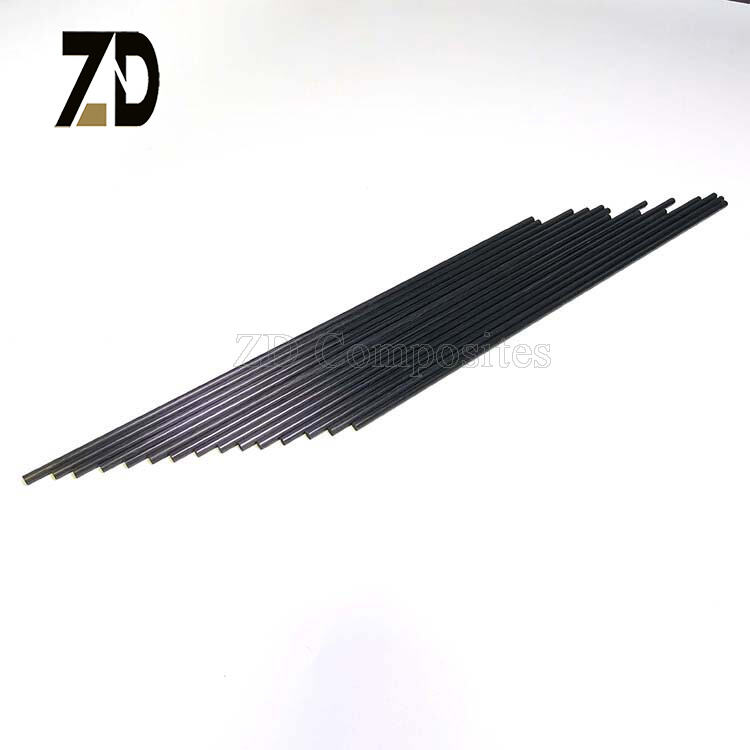
Carbon fiber 3k represents a revolutionary material that has transformed multiple industries through its exceptional strength-to-weight ratio and versatility. The term '3k' refers to the number of individual carbon filaments bundled together in each tow, specifically 3,000 filaments, creating a weave pattern that delivers outstanding mechanical properties. This advanced composite material combines carbon fibers with a polymer matrix, typically epoxy resin, to produce components that outperform traditional materials in demanding applications. Carbon fiber 3k exhibits remarkable tensile strength, often exceeding steel while maintaining a weight that is significantly lighter than aluminum. The manufacturing process involves weaving carbon fiber 3k tows into various patterns, including plain weave, twill weave, and satin weave, each offering distinct characteristics for specific applications. The material's unique structure provides excellent fatigue resistance, corrosion immunity, and thermal stability, making it ideal for environments where conventional materials fail. Carbon fiber 3k demonstrates superior stiffness properties, allowing engineers to create components that maintain their shape under extreme loads while minimizing weight penalties. The material's anisotropic nature means properties can be tailored by adjusting fiber orientation, enabling customized solutions for specific performance requirements. Modern carbon fiber 3k production utilizes advanced manufacturing techniques including automated fiber placement, resin transfer molding, and autoclave curing to ensure consistent quality and optimal fiber-to-resin ratios. This sophisticated material finds applications across aerospace, automotive, marine, sporting goods, and industrial sectors, where performance, durability, and weight reduction are critical factors. The economic benefits of carbon fiber 3k extend beyond initial material costs, as reduced weight translates to improved fuel efficiency, lower maintenance requirements, and extended service life in many applications.

New Product Releases

Carbon fiber 3k delivers numerous practical benefits that make it an intelligent choice for demanding applications across various industries. The primary advantage lies in its exceptional strength-to-weight ratio, which allows manufacturers to create components that are up to five times stronger than steel while weighing 70% less. This weight reduction translates directly into improved fuel efficiency for vehicles, aircraft, and marine vessels, resulting in significant operational cost savings over the product's lifetime. The material's outstanding durability ensures components maintain their structural integrity under extreme conditions, including high temperatures, chemical exposure, and mechanical stress. Unlike metals, carbon fiber 3k resists corrosion completely, eliminating the need for protective coatings and reducing maintenance requirements substantially. The material's fatigue resistance surpasses that of aluminum and steel, meaning components can withstand millions of stress cycles without degradation, making it ideal for high-performance applications where reliability is paramount. Carbon fiber 3k offers excellent dimensional stability, maintaining its shape and properties across wide temperature ranges without expansion or contraction issues that plague metallic materials. The manufacturing flexibility of carbon fiber 3k allows for complex geometries and integrated designs that would be impossible or extremely expensive to achieve with traditional materials. This design freedom enables engineers to optimize component shapes for specific load paths, reducing part count and assembly complexity while improving overall performance. The material's vibration damping properties provide superior comfort and performance in applications ranging from automotive components to sporting equipment. Carbon fiber 3k exhibits excellent electrical conductivity when required, making it suitable for applications requiring electromagnetic shielding or static dissipation. The aesthetic appeal of carbon fiber 3k's distinctive weave pattern has made it highly desirable in consumer products, adding premium value beyond its functional benefits. Long-term cost effectiveness becomes apparent when considering reduced fuel consumption, lower maintenance costs, extended service intervals, and improved performance capabilities that carbon fiber 3k components provide throughout their operational lifetime.

Latest News

How to Make a Carbon Fiber Box: Choosing the Right Prepreg, Resin & Mold

20

Oct

How to Make a Carbon Fiber Box: Choosing the Right Prepreg, Resin & Mold

View More
The advantages of fiberglass stakes

20

Oct

The advantages of fiberglass stakes

View More
Applications and advantages of carbon fiber materials in industry

27

Oct

Applications and advantages of carbon fiber materials in industry

View More

Get a Free Quote

Our representative will contact you soon.
Email
Name
Company Name
Message
0/1000

carbon fiber 3k

Superior Strength and Lightweight Performance

Superior Strength and Lightweight Performance

Carbon fiber 3k revolutionizes structural design through its unparalleled combination of strength and lightweight characteristics that traditional materials cannot match. The 3k weave configuration creates an optimal balance between fiber density and workability, resulting in components that deliver maximum strength while maintaining the lowest possible weight. Each carbon fiber 3k tow contains precisely 3,000 individual carbon filaments, carefully woven together to distribute loads evenly across the material's structure. This meticulous construction enables the material to withstand tensile forces exceeding 600,000 pounds per square inch while weighing approximately 1.6 grams per cubic centimeter, making it lighter than aluminum yet stronger than steel. The strength benefits extend beyond simple tensile loading, as carbon fiber 3k demonstrates exceptional performance under compression, bending, and torsional forces. This multi-directional strength capability allows engineers to design components that handle complex loading scenarios without requiring additional reinforcement or support structures. The weight savings achieved with carbon fiber 3k translate into measurable performance improvements across numerous applications. In aerospace applications, every pound of weight reduction can save thousands of dollars in fuel costs over an aircraft's operational lifetime. Automotive manufacturers utilize carbon fiber 3k to reduce vehicle weight, improving acceleration, handling, and fuel economy while maintaining or enhancing safety standards. The material's strength characteristics remain consistent across varying environmental conditions, ensuring reliable performance whether exposed to extreme cold, high heat, or rapid temperature changes. Unlike metals that can suffer from stress concentration points leading to catastrophic failure, carbon fiber 3k distributes loads more evenly, providing predictable performance and enhanced safety margins. The manufacturing process allows for precise control over fiber orientation, enabling engineers to optimize strength in specific directions based on anticipated load patterns. This tailorability ensures that each application receives exactly the strength characteristics needed without unnecessary material usage or weight penalties.
Exceptional Durability and Corrosion Resistance

Exceptional Durability and Corrosion Resistance

The durability advantages of carbon fiber 3k extend far beyond initial performance specifications, providing long-term value through exceptional resistance to environmental degradation and operational wear. Unlike metallic materials that suffer from oxidation, galvanic corrosion, and fatigue cracking, carbon fiber 3k maintains its structural integrity indefinitely when properly manufactured and applied. The carbon fibers themselves are chemically inert, resisting attack from acids, bases, salt water, and most industrial chemicals that would rapidly degrade steel or aluminum components. This chemical resistance makes carbon fiber 3k ideal for marine applications, chemical processing equipment, and outdoor structures where environmental exposure is unavoidable. The material's fatigue resistance surpasses that of metals by orders of magnitude, with properly designed carbon fiber 3k components capable of withstanding millions of stress cycles without crack initiation or propagation. This fatigue immunity translates into reduced maintenance requirements, extended service intervals, and improved safety margins in critical applications. Temperature stability represents another crucial durability advantage, as carbon fiber 3k maintains its mechanical properties across temperature ranges from cryogenic conditions to several hundred degrees Fahrenheit. The material does not suffer from thermal fatigue, which can cause metals to crack and fail after repeated heating and cooling cycles. UV resistance, when combined with appropriate resin systems, ensures that carbon fiber 3k components maintain their appearance and performance even after years of outdoor exposure. The non-magnetic and electrically controllable properties of carbon fiber 3k prevent electromagnetic interference issues while allowing for customized electrical characteristics when needed. Dimensional stability ensures that precision components maintain their exact specifications over time, eliminating the drift and warping common with other materials. The combination of these durability factors results in significantly lower total cost of ownership, as carbon fiber 3k components often outlast multiple generations of conventional material replacements while requiring minimal maintenance intervention throughout their extended service life.
Versatile Manufacturing and Design Flexibility

Versatile Manufacturing and Design Flexibility

Carbon fiber 3k offers unprecedented manufacturing flexibility and design possibilities that enable engineers to create optimized solutions impossible to achieve with traditional materials. The material's formability allows for complex three-dimensional shapes to be created in single manufacturing operations, eliminating joints, fasteners, and assembly steps that add weight, cost, and potential failure points. Advanced manufacturing techniques such as resin transfer molding, vacuum infusion, and prepreg autoclave processing provide manufacturers with multiple production methods to suit specific volume requirements, quality standards, and cost targets. The ability to tailor fiber orientation during the manufacturing process means that carbon fiber 3k components can be optimized for specific load patterns, placing strength exactly where needed while minimizing material usage in non-critical areas. This optimization capability extends to creating components with variable thickness, integrated mounting points, and complex internal structures that would require multiple parts and assembly operations with conventional materials. Carbon fiber 3k's compatibility with various resin systems allows manufacturers to select the optimal matrix material for specific environmental conditions, temperature requirements, or chemical exposure scenarios. Automated manufacturing processes, including robotic fiber placement and computer-controlled cutting systems, ensure consistent quality while reducing labor costs and production time. The material's excellent surface finish capabilities eliminate the need for secondary finishing operations in many applications, reducing manufacturing steps and associated costs. Rapid prototyping techniques enable designers to quickly test and refine carbon fiber 3k components, accelerating development cycles and reducing time-to-market for new products. The scalability of carbon fiber 3k manufacturing processes accommodates everything from low-volume custom components to high-volume production runs, making the material accessible across diverse market segments. Integration capabilities allow carbon fiber 3k to be combined with other advanced materials, creating hybrid structures that leverage the best characteristics of multiple material systems. Quality control systems specific to carbon fiber 3k manufacturing ensure consistent mechanical properties, dimensional accuracy, and visual appearance across production runs, maintaining the high standards required for critical applications while supporting efficient manufacturing operations.

Get a Free Quote

Our representative will contact you soon.
Email
Name
Company Name
Message
0/1000