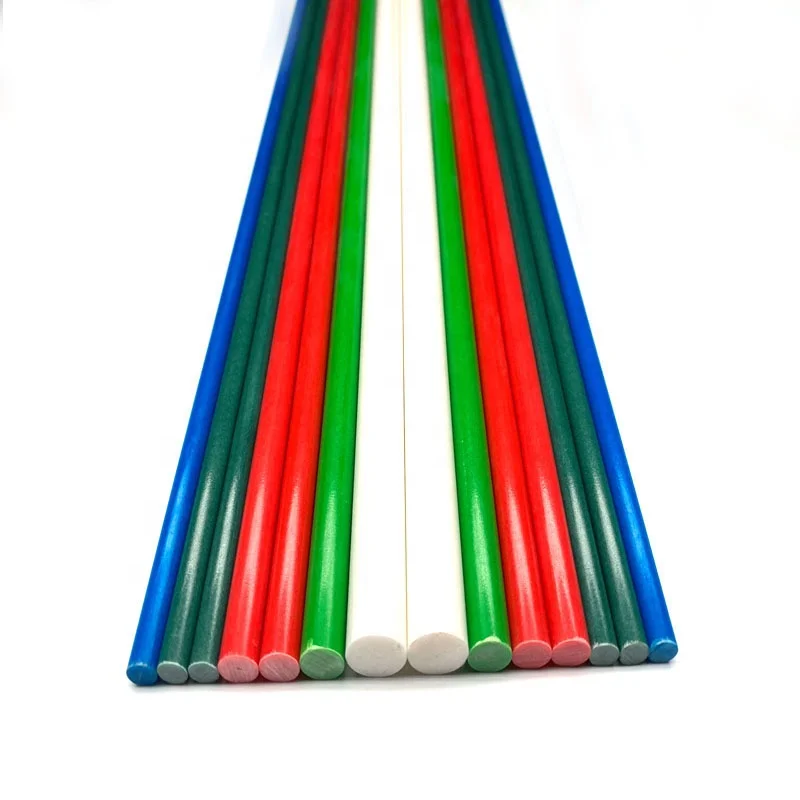
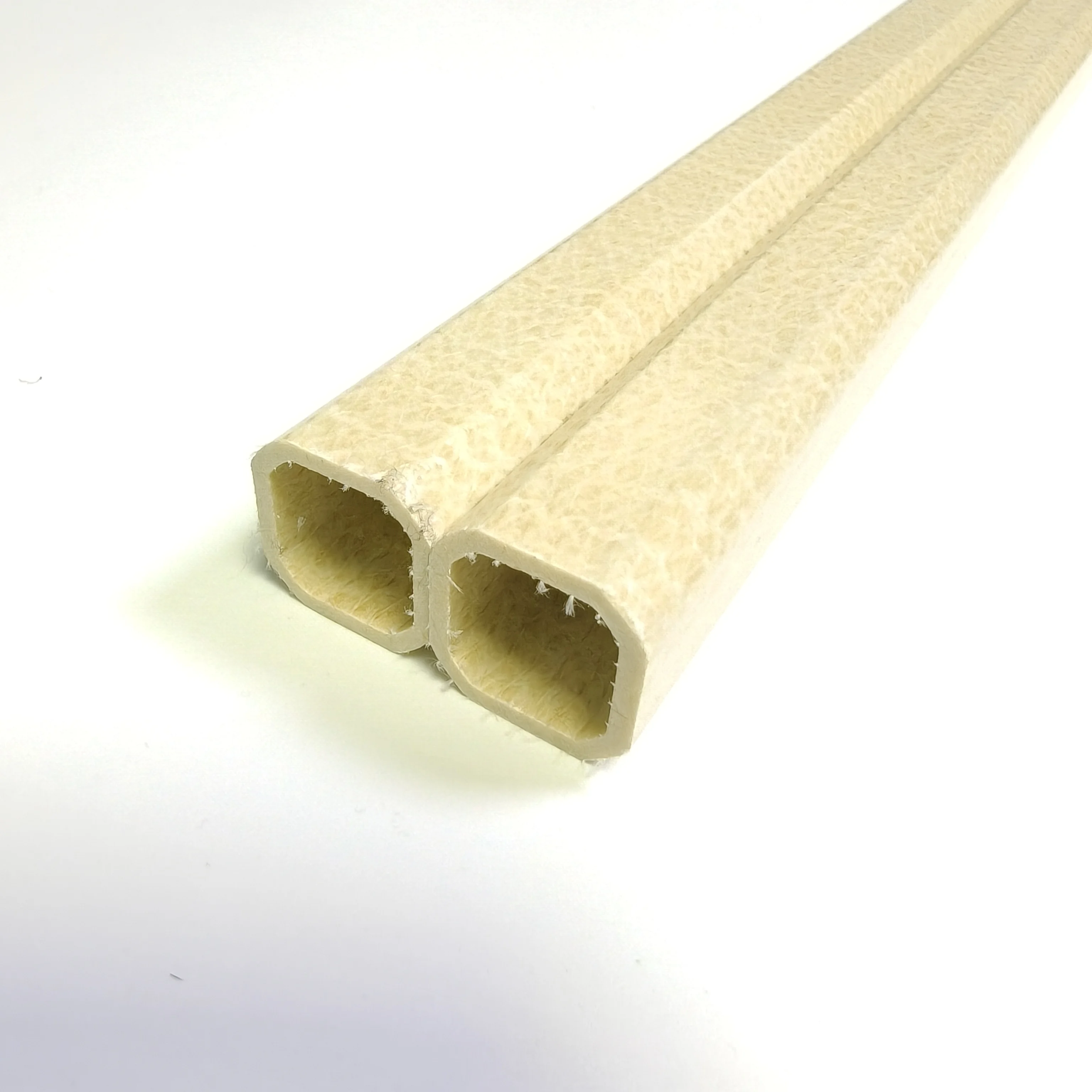
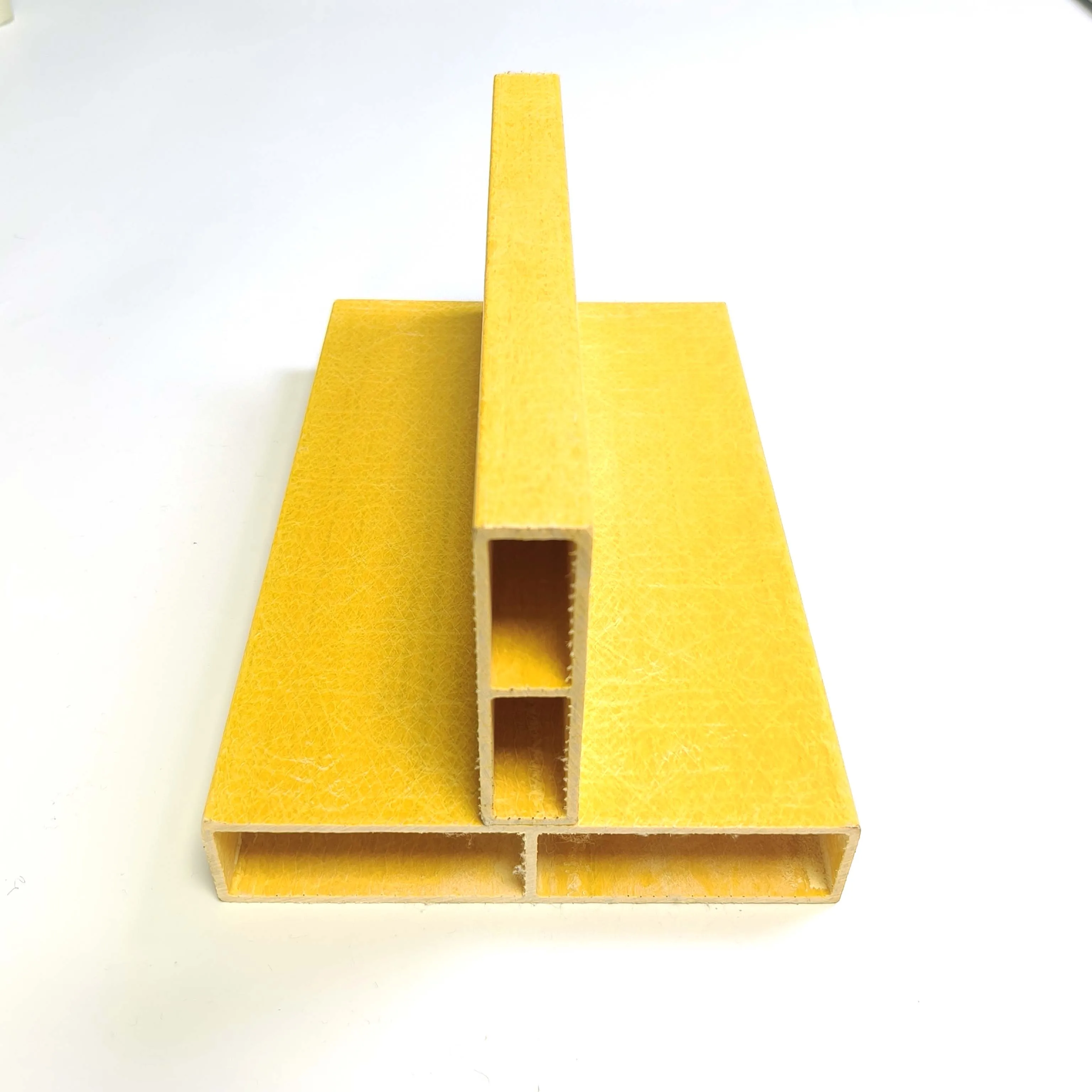
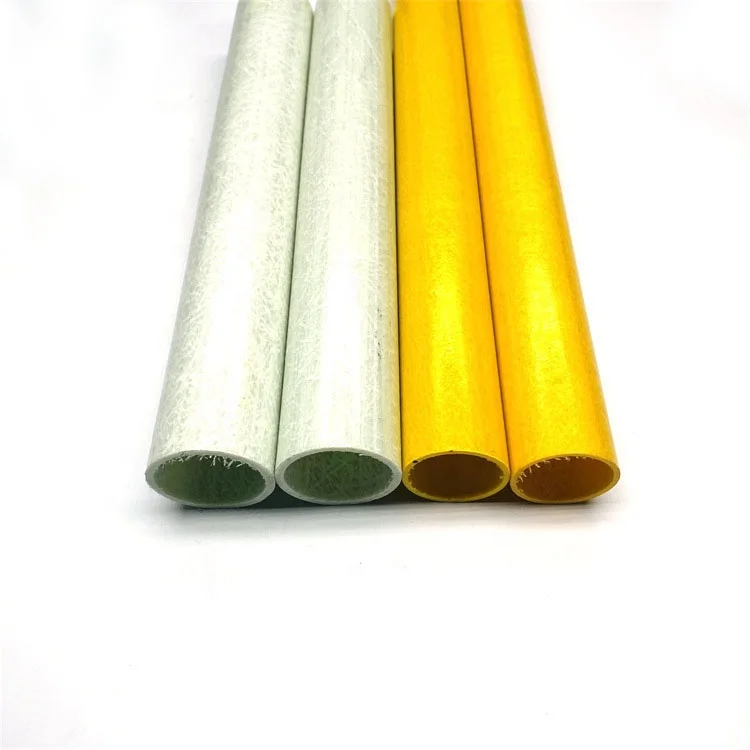
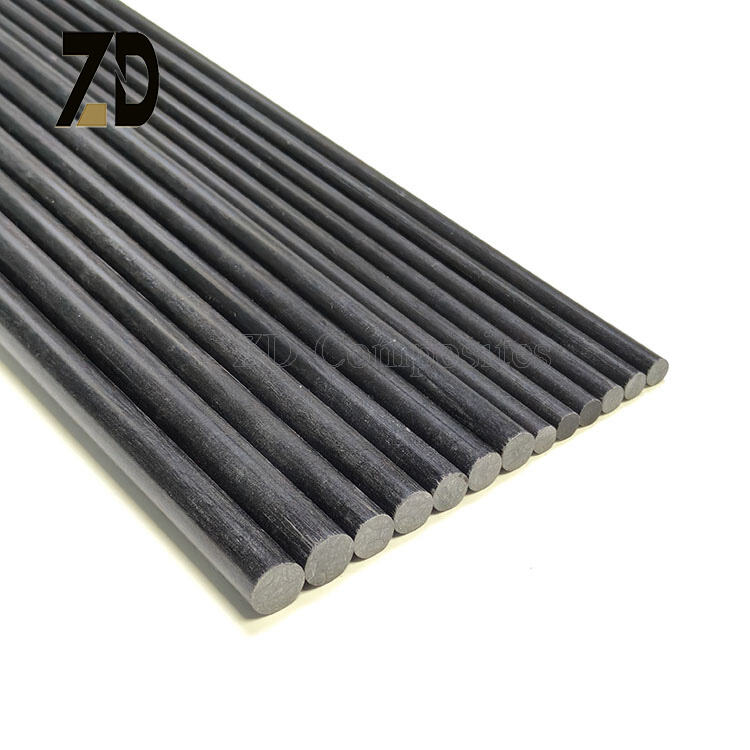
cfrp tube
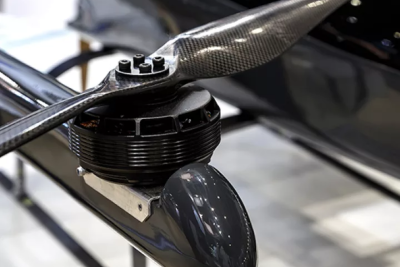
The CFRP tube represents a revolutionary advancement in composite materials engineering, combining carbon fiber reinforcement with polymer matrix systems to create hollow cylindrical structures that deliver exceptional performance across diverse applications. Carbon Fiber Reinforced Polymer technology transforms traditional manufacturing by offering lightweight solutions without compromising structural integrity. These advanced composite tubes utilize high-strength carbon fibers embedded within a polymer resin matrix, creating a material that surpasses conventional metals in specific strength ratios. The CFRP tube manufacturing process involves precise fiber orientation control, ensuring optimal load distribution and mechanical properties tailored to specific application requirements. Modern production techniques include filament winding, pultrusion, and resin transfer molding, each method optimized for different tube geometries and performance specifications. The technological foundation of CFRP tube design relies on understanding fiber-matrix interactions, where carbon fibers provide tensile strength while the polymer matrix transfers loads between fibers and protects against environmental factors. This synergistic relationship enables CFRP tubes to achieve remarkable strength-to-weight ratios, often exceeding steel by 5:1 while maintaining superior corrosion resistance. Applications span aerospace, automotive, marine, construction, and sporting goods industries, where weight reduction and performance enhancement are critical. In aerospace applications, CFRP tubes serve as structural components in aircraft fuselages, wing assemblies, and rotor systems, contributing to fuel efficiency improvements and payload optimization. Automotive manufacturers integrate these tubes into chassis components, drive shafts, and roll cages, achieving significant weight reductions that enhance vehicle performance and fuel economy. Marine applications utilize CFRP tube technology for mast construction, hull reinforcement, and propeller shafts, leveraging corrosion resistance and dimensional stability in harsh saltwater environments. The construction industry employs these tubes for architectural elements, seismic reinforcement systems, and infrastructure repairs, capitalizing on their durability and minimal maintenance requirements.
 ×
×


 EN
EN