Premium Carbon Fiber Tube for Drones - Lightweight, Durable Frame Solutions

Get a Free Quote

Our representative will contact you soon.
Email
Name
Company Name
Message
0/1000

carbon fiber tube for drones

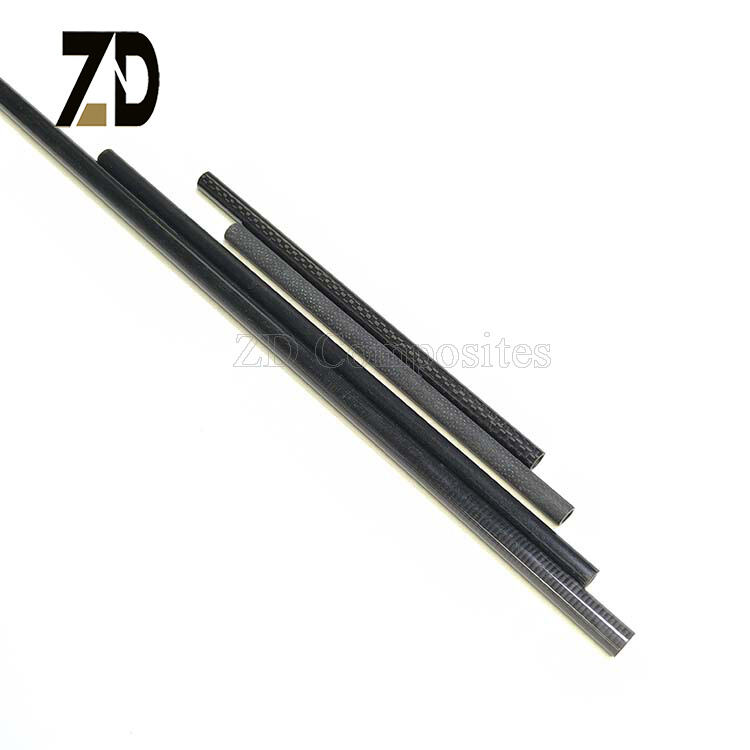
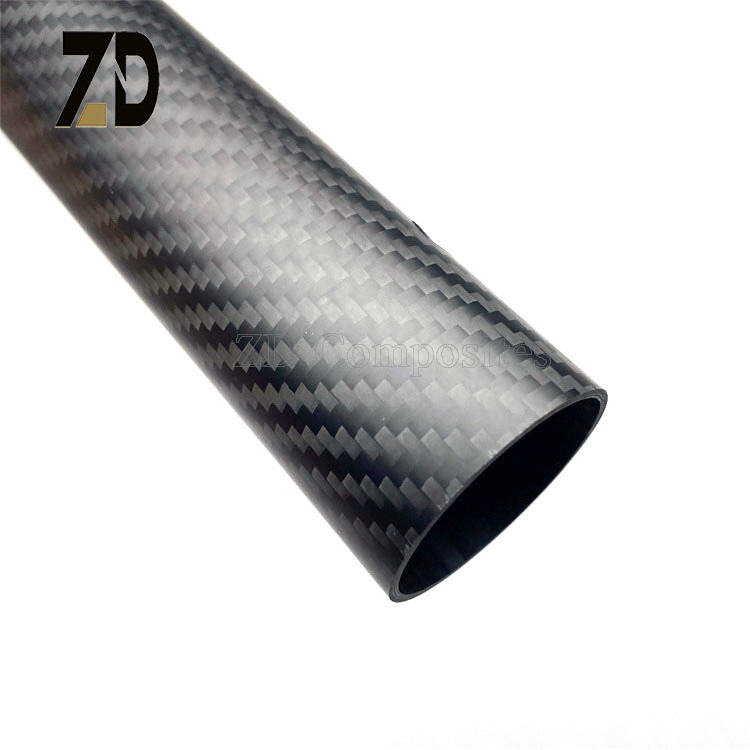
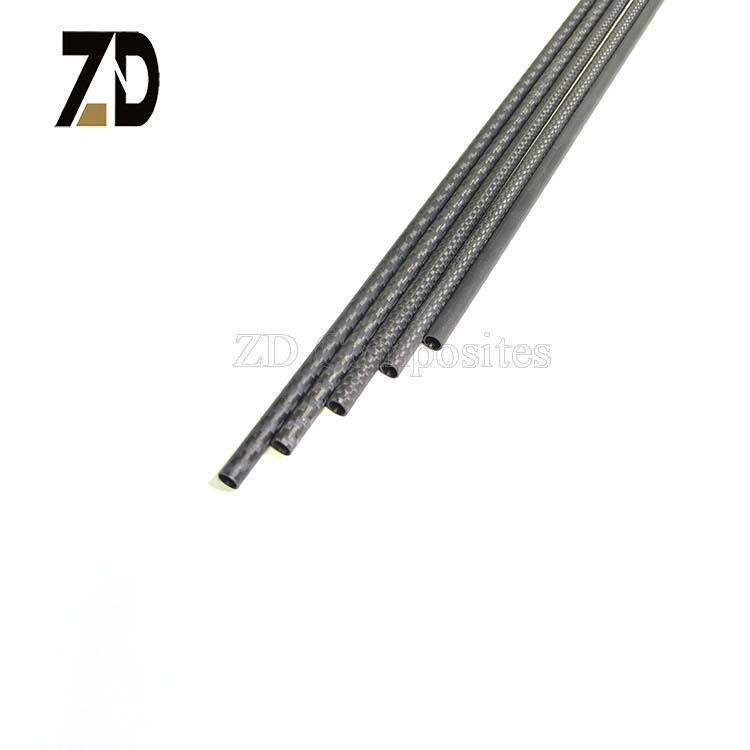
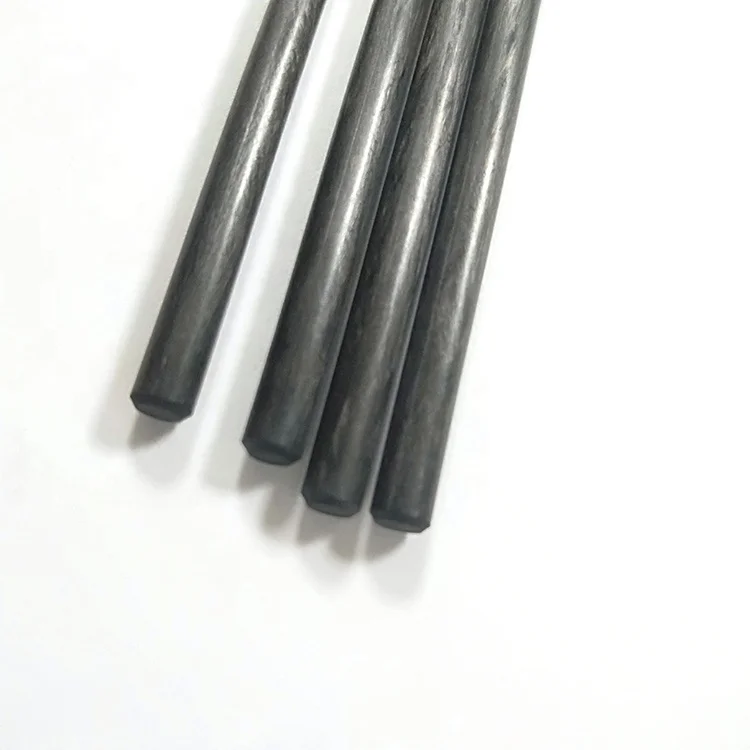
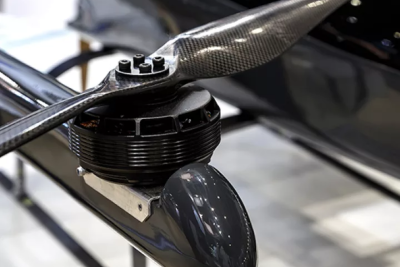
Carbon fiber tube for drones represents a revolutionary advancement in unmanned aerial vehicle construction, offering exceptional structural integrity and performance enhancement. These specialized tubes serve as the backbone of drone frames, providing the essential framework that supports all critical components including motors, propellers, flight controllers, and payload systems. The carbon fiber tube for drones combines lightweight properties with remarkable strength, creating an ideal solution for both commercial and recreational drone applications. Manufactured through advanced composite engineering processes, these tubes utilize high-grade carbon fiber materials woven into precise patterns and cured under controlled conditions to achieve optimal mechanical properties. The primary function of carbon fiber tube for drones extends beyond simple structural support, as these components directly influence flight dynamics, payload capacity, and overall operational efficiency. Modern drone manufacturers increasingly rely on carbon fiber tube construction to meet demanding performance specifications while maintaining competitive weight constraints. The technological features of carbon fiber tube for drones include superior tensile strength, excellent vibration dampening characteristics, and remarkable resistance to environmental factors such as moisture, temperature fluctuations, and UV radiation. These tubes typically feature hollow construction designs that maximize strength-to-weight ratios while providing convenient cable routing channels for electronic systems. Applications for carbon fiber tube for drones span across multiple industries including aerial photography, surveying, inspection services, agricultural monitoring, and emergency response operations. Professional drone operators particularly value the enhanced stability and reduced maintenance requirements that carbon fiber tube construction provides, making these components essential for mission-critical applications where reliability cannot be compromised.

New Products

The carbon fiber tube for drones delivers substantial advantages that directly translate into improved performance and cost-effectiveness for users across all skill levels. Weight reduction stands as the most immediate benefit, with carbon fiber tube construction typically weighing 60-70 percent less than equivalent aluminum alternatives while maintaining superior structural integrity. This dramatic weight savings allows drone operators to extend flight times significantly, carry heavier payloads, or incorporate additional equipment without compromising flight performance. The strength characteristics of carbon fiber tube for drones far exceed traditional materials, providing exceptional resistance to impact damage and structural fatigue that commonly affects metal frame components. Users experience fewer maintenance requirements and replacement costs due to the inherent durability of carbon fiber construction, which maintains its structural properties even after thousands of flight cycles. Vibration dampening represents another critical advantage of carbon fiber tube for drones, as the material naturally absorbs and dissipates mechanical vibrations that can negatively impact camera stabilization and sensor accuracy. Professional photographers and videographers particularly benefit from this characteristic, achieving smoother footage and more precise data collection results. The corrosion resistance of carbon fiber tube for drones eliminates concerns about rust, oxidation, or chemical degradation that plague metal alternatives, making these components ideal for marine environments, industrial inspections, and long-term outdoor storage situations. Temperature stability ensures consistent performance across extreme weather conditions, with carbon fiber tube maintaining its mechanical properties from arctic cold to desert heat without expansion, contraction, or performance degradation. The aesthetic appeal of carbon fiber tube for drones cannot be overlooked, as the distinctive weave pattern and sleek appearance enhance the professional image crucial for commercial operations. Installation and modification processes become simplified with carbon fiber tube construction, as the material can be easily cut, drilled, and shaped using standard tools without specialized equipment or extensive technical expertise. The electromagnetic transparency of carbon fiber tube for drones prevents interference with GPS signals, radio communications, and sensor systems that can be problematic with metal frame construction, ensuring reliable connectivity and accurate data transmission throughout all flight operations.

Tips And Tricks

How to Make a Carbon Fiber Box: Choosing the Right Prepreg, Resin & Mold

20

Oct

How to Make a Carbon Fiber Box: Choosing the Right Prepreg, Resin & Mold

View More
The advantages of fiberglass stakes

20

Oct

The advantages of fiberglass stakes

View More
Applications and advantages of carbon fiber materials in industry

27

Oct

Applications and advantages of carbon fiber materials in industry

View More

Get a Free Quote

Our representative will contact you soon.
Email
Name
Company Name
Message
0/1000

carbon fiber tube for drones

Exceptional Strength-to-Weight Performance Revolution

Exceptional Strength-to-Weight Performance Revolution

The carbon fiber tube for drones achieves an unprecedented strength-to-weight ratio that fundamentally transforms drone capabilities and operational possibilities. This remarkable engineering achievement stems from the unique molecular structure of carbon fiber materials, where thousands of carbon atoms form incredibly strong crystalline chains arranged in parallel orientations. When these fibers are woven together and embedded in polymer resin matrices, the resulting carbon fiber tube for drones exhibits tensile strength exceeding 500,000 pounds per square inch while weighing substantially less than aluminum or steel alternatives. This exceptional performance characteristic enables drone manufacturers to construct frames that withstand extreme flight stresses, sudden impacts, and prolonged operational demands without structural compromise. The weight savings achieved through carbon fiber tube construction directly translates into extended flight endurance, with many users reporting 25-40 percent increases in airborne time compared to traditional metal frame designs. Professional drone operators particularly value this advantage when conducting lengthy inspection missions, mapping projects, or surveillance operations where maximum flight duration is critical for project success. The strength characteristics of carbon fiber tube for drones also enable the construction of larger, more capable aircraft without proportional weight increases, allowing manufacturers to develop specialized drones for heavy payload applications such as medical deliveries, industrial equipment transport, and advanced sensor systems. Additionally, the superior strength properties provide enhanced safety margins during aggressive maneuvering, emergency landings, or unexpected weather encounters, giving operators confidence to pursue challenging missions that might be prohibitive with conventional frame materials. The molecular stability of carbon fiber ensures that these strength characteristics remain consistent throughout the operational life of the drone, unlike metal alternatives that may suffer from fatigue cracking, stress concentration, or gradual degradation over time.
Advanced Vibration Control and Stability Enhancement

Advanced Vibration Control and Stability Enhancement

Carbon fiber tube for drones incorporates sophisticated vibration dampening properties that significantly enhance flight stability, sensor accuracy, and overall operational performance across diverse applications. The unique composite structure of carbon fiber materials creates a natural vibration absorption system, where the interwoven fiber patterns and polymer matrix work together to dissipate mechanical energy that would otherwise transfer throughout the drone frame. This vibration control capability proves particularly valuable for professional photography and videography applications, where even minor vibrations can compromise image quality, create unwanted camera movement, or introduce artifacts into recorded footage. The carbon fiber tube for drones effectively isolates sensitive equipment from motor vibrations, propeller harmonics, and aerodynamic turbulence that commonly plague conventional frame materials. Scientific and surveying applications benefit enormously from this stability enhancement, as precision instruments such as LiDAR sensors, multispectral cameras, and GPS receivers require stable mounting platforms to achieve accurate measurements and reliable data collection. The dampening characteristics of carbon fiber tube construction extend beyond simple vibration reduction, actively contributing to improved flight control responsiveness and reduced pilot workload during manual operations. Autonomous flight systems also perform more effectively when mounted within carbon fiber tube frames, as the reduced vibration environment enables flight controllers to make more precise adjustments and maintain stable hover positions with minimal drift. The resonance characteristics of carbon fiber tube for drones are carefully engineered to avoid amplification of specific frequencies that might interfere with electronic systems or create uncomfortable harmonic vibrations. This engineering consideration ensures that the natural frequency response of the frame structure complements rather than conflicts with the operational requirements of modern drone systems, resulting in smoother flight characteristics and enhanced overall performance across all operating conditions.
Environmental Durability and Long-Term Reliability

Environmental Durability and Long-Term Reliability

The carbon fiber tube for drones demonstrates exceptional environmental resistance and long-term reliability characteristics that make it the preferred choice for demanding operational environments and extended service applications. Unlike traditional metal frame materials, carbon fiber construction exhibits remarkable immunity to corrosion, oxidation, and chemical degradation that can compromise structural integrity and operational safety over time. This durability advantage proves particularly valuable for maritime operations, industrial inspections, and agricultural applications where drones encounter salt water, chemical vapors, fertilizers, and other potentially corrosive substances that rapidly degrade metal components. The carbon fiber tube for drones maintains its mechanical properties across extreme temperature ranges, from arctic exploration missions to desert surveillance operations, without experiencing the thermal expansion, contraction, or brittleness issues that affect metal alternatives. UV radiation resistance ensures that the structural properties remain stable even after prolonged exposure to direct sunlight, making carbon fiber tube construction ideal for outdoor storage and continuous operation schedules. The non-conductive properties of carbon fiber materials eliminate concerns about electrical conductivity and lightning strike damage that can be problematic with metal frame construction, enhancing operational safety during adverse weather conditions. Moisture absorption remains minimal with properly manufactured carbon fiber tube for drones, preventing the swelling, warping, or delamination issues that can compromise structural integrity in humid environments. The fatigue resistance of carbon fiber construction far exceeds metal alternatives, allowing drones to operate through thousands of flight cycles without developing stress cracks or structural weaknesses that require frequent inspection and replacement. This long-term reliability translates into reduced maintenance costs, extended operational lifespans, and improved return on investment for both commercial and recreational drone operators. The chemical inertness of carbon fiber tube materials ensures compatibility with cleaning solvents, maintenance chemicals, and protective coatings without risk of material degradation or unexpected chemical reactions that might compromise frame integrity or operational safety.

Get a Free Quote

Our representative will contact you soon.
Email
Name
Company Name
Message
0/1000