Carbon Fiber Tube Frame Solutions: Lightweight, Strong & Durable Structural Systems

Get a Free Quote

Our representative will contact you soon.
Email
Name
Company Name
Message
0/1000

carbon fiber tube frame

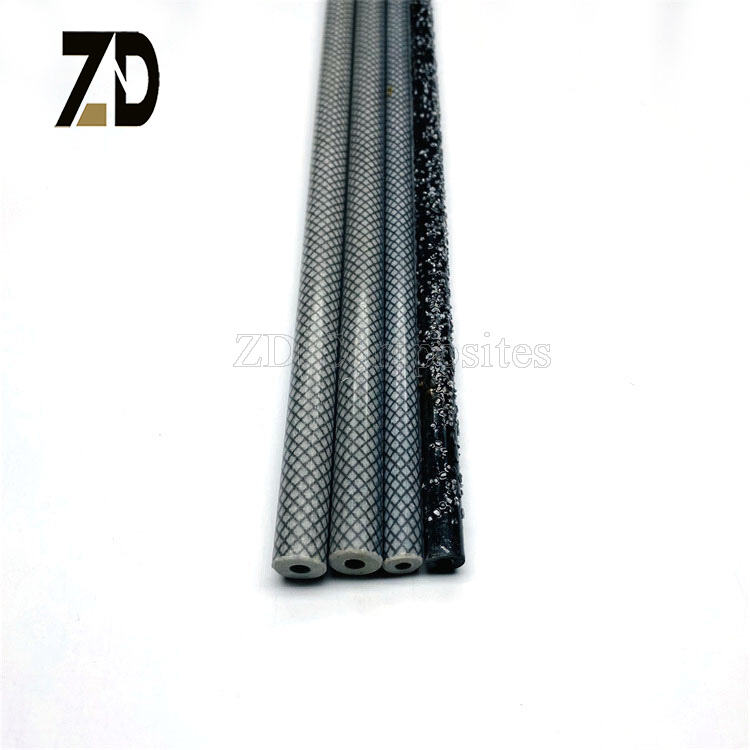
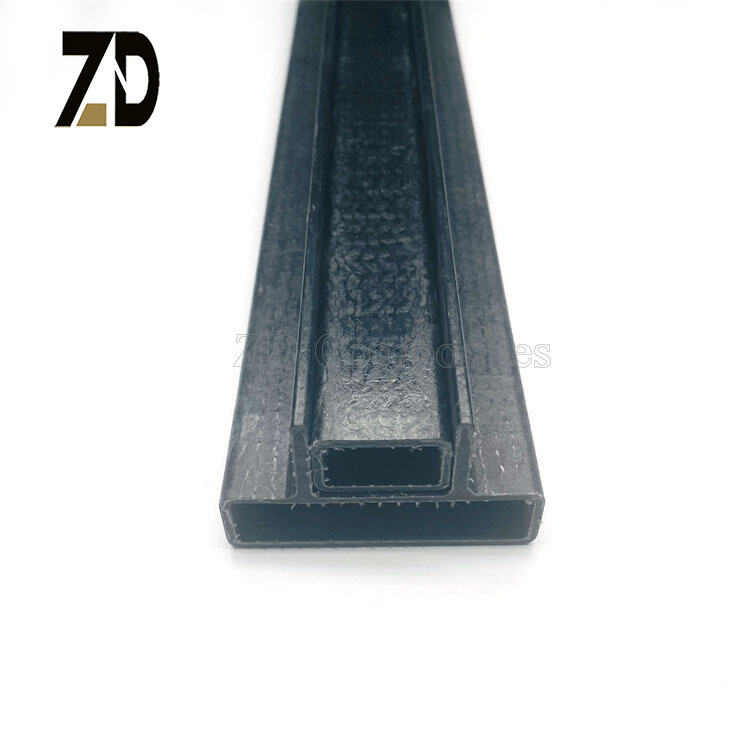
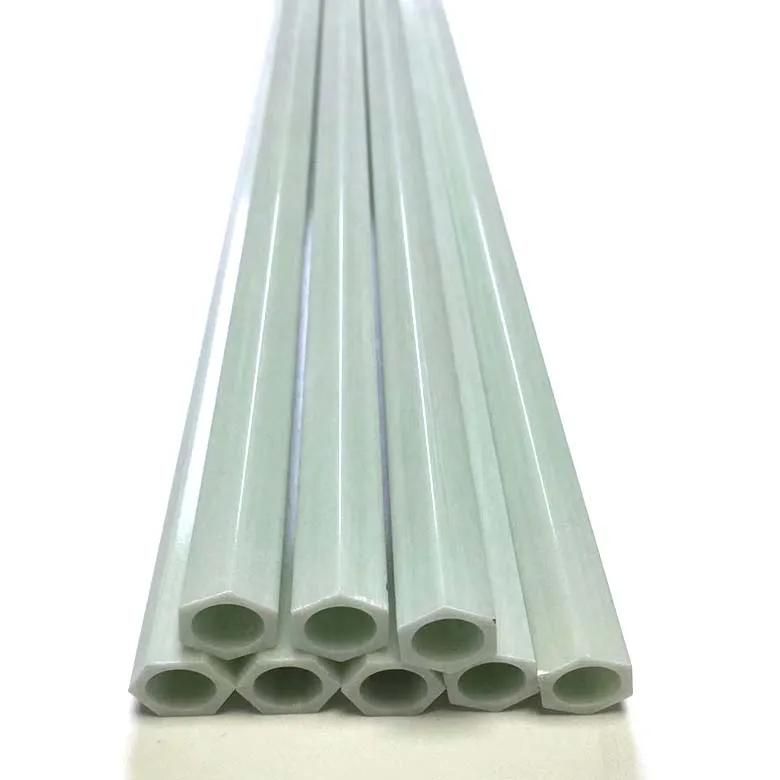
The carbon fiber tube frame represents a revolutionary advancement in structural engineering, combining exceptional strength with remarkable weight reduction capabilities. This innovative framework utilizes carbon fiber reinforced polymer tubes to create robust structures that outperform traditional materials across multiple applications. Carbon fiber tube frames consist of hollow cylindrical elements manufactured through advanced composite processes, where carbon fibers are woven into specific patterns and bonded with resin matrices to achieve optimal mechanical properties. The main functions of carbon fiber tube frame systems include providing structural support, load distribution, vibration dampening, and weight minimization in various industrial and commercial applications. These frameworks excel in environments where traditional steel or aluminum alternatives would prove too heavy or insufficiently durable. The technological features of carbon fiber tube frames encompass superior tensile strength, exceptional stiffness-to-weight ratios, corrosion resistance, and thermal stability across wide temperature ranges. Manufacturing processes involve precision filament winding, pultrusion, or hand layup techniques that ensure consistent wall thickness and optimal fiber orientation. Quality control measures include non-destructive testing methods such as ultrasonic inspection and X-ray analysis to verify structural integrity. Carbon fiber tube frame applications span aerospace components, automotive chassis systems, marine vessel structures, sporting equipment frameworks, architectural elements, and industrial machinery supports. In aerospace applications, these frames contribute to fuel efficiency through weight reduction while maintaining critical safety margins. Automotive manufacturers integrate carbon fiber tube frames into high-performance vehicles to enhance acceleration, handling, and crash protection. Marine applications benefit from the corrosion resistance and strength characteristics that withstand harsh saltwater environments. The versatility of carbon fiber tube frame technology continues expanding as manufacturing costs decrease and production techniques become more refined, making these advanced materials accessible across broader market segments.

Popular Products

Carbon fiber tube frames deliver substantial advantages that transform how engineers approach structural design challenges across industries. The primary benefit lies in their exceptional strength-to-weight ratio, where carbon fiber tube frames achieve strength levels comparable to steel while weighing up to 70 percent less. This weight reduction translates directly into improved performance metrics, whether in vehicles achieving better fuel economy, aircraft reaching extended flight ranges, or sporting equipment enabling enhanced user performance. The durability advantages of carbon fiber tube frames extend far beyond simple weight savings, as these structures resist fatigue failure significantly better than metallic alternatives. Unlike steel frames that develop stress concentrations and eventual crack propagation, carbon fiber tube frames distribute loads more evenly throughout their structure, resulting in longer operational lifespans with minimal maintenance requirements. Environmental resistance represents another crucial advantage, as carbon fiber tube frames remain unaffected by corrosion, rust, or chemical degradation that commonly plague metal frameworks. This resistance ensures consistent performance in marine environments, chemical processing facilities, and outdoor applications where traditional materials would deteriorate rapidly. The design flexibility inherent in carbon fiber tube frame construction allows engineers to optimize structures for specific load patterns and performance requirements. Manufacturers can adjust fiber orientations, layer sequences, and resin systems to create customized solutions that meet precise engineering specifications. This adaptability enables the creation of complex geometries and integrated features that would be impossible or extremely costly with conventional materials. Economic benefits emerge through reduced maintenance costs, extended service life, and improved operational efficiency. While initial carbon fiber tube frame investments may exceed traditional alternatives, total cost of ownership calculations typically favor carbon fiber solutions due to their longevity and performance characteristics. Energy savings from reduced weight compound over time, particularly in transportation applications where lighter structures directly impact fuel consumption and operational expenses.

Latest News

How to Make a Carbon Fiber Box: Choosing the Right Prepreg, Resin & Mold

20

Oct

How to Make a Carbon Fiber Box: Choosing the Right Prepreg, Resin & Mold

View More
The advantages of fiberglass stakes

20

Oct

The advantages of fiberglass stakes

View More
Applications and advantages of carbon fiber materials in industry

27

Oct

Applications and advantages of carbon fiber materials in industry

View More

Get a Free Quote

Our representative will contact you soon.
Email
Name
Company Name
Message
0/1000

carbon fiber tube frame

Unmatched Structural Performance and Engineering Excellence

Unmatched Structural Performance and Engineering Excellence

The structural performance capabilities of carbon fiber tube frames establish new benchmarks for engineering excellence across demanding applications. These advanced frameworks achieve tensile strengths exceeding 3500 MPa while maintaining elastic modulus values approaching 250 GPa, delivering performance characteristics that surpass traditional materials by significant margins. The unique fiber architecture within carbon fiber tube frames creates anisotropic properties that engineers can tailor to optimize load paths and stress distributions according to specific application requirements. This customization capability allows designers to orient fibers precisely where maximum strength is needed while minimizing material usage in less critical areas. The hollow tubular construction inherent in carbon fiber tube frame designs provides exceptional torsional rigidity and bending resistance while eliminating unnecessary material from the neutral axis where it contributes minimal structural value. This efficient material distribution results in structures that demonstrate superior performance per unit weight compared to solid sections or conventional hollow metal tubes. Fatigue resistance represents a critical performance advantage, as carbon fiber tube frames maintain their structural integrity through millions of load cycles without developing the micro-cracks and stress concentrations that limit metal frame lifespans. The composite nature of carbon fiber materials distributes stress across multiple load paths, preventing catastrophic failure modes and providing predictable degradation patterns that enhance safety margins. Vibration dampening characteristics of carbon fiber tube frames contribute significantly to overall system performance by reducing resonant frequencies and minimizing unwanted oscillations. This natural dampening capability eliminates the need for additional vibration control systems, simplifying designs while improving operational smoothness. The precision manufacturing processes used to create carbon fiber tube frames ensure consistent wall thicknesses, uniform fiber distributions, and predictable mechanical properties that enable engineers to design with confidence and optimize safety factors appropriately.
Revolutionary Weight Reduction and Efficiency Gains

Revolutionary Weight Reduction and Efficiency Gains

Carbon fiber tube frame technology delivers revolutionary weight reduction benefits that fundamentally transform operational efficiency across multiple industries and applications. The density of carbon fiber composites typically ranges from 1.5 to 1.6 grams per cubic centimeter, compared to steel's 7.8 grams per cubic centimeter, resulting in weight savings that often exceed 60 percent while maintaining equivalent or superior structural performance. This dramatic weight reduction creates cascading efficiency improvements throughout entire systems, as reduced structural weight allows for smaller supporting components, lighter foundations, and decreased power requirements for movement or transportation. In automotive applications, carbon fiber tube frames enable manufacturers to achieve aggressive weight reduction targets while meeting increasingly stringent safety regulations and performance expectations. Every kilogram saved in vehicle structure translates directly to improved fuel economy, enhanced acceleration characteristics, and reduced tire wear, creating measurable economic benefits for end users. The weight advantages of carbon fiber tube frames become particularly pronounced in aerospace applications where every gram of weight reduction can translate to thousands of dollars in operational savings over an aircraft's service life. Commercial aviation benefits from carbon fiber tube frame integration through reduced fuel consumption, increased payload capacity, and extended flight ranges that improve route flexibility and operational efficiency. Marine applications leverage carbon fiber tube frame weight reduction to achieve higher speeds, improved fuel efficiency, and enhanced maneuverability while reducing structural stresses on hull systems. The reduced weight of carbon fiber tube frames also simplifies installation procedures, reduces transportation costs, and minimizes handling equipment requirements during manufacturing and assembly processes. This operational convenience translates to reduced labor costs, faster project completion times, and improved workplace safety as workers handle lighter components. Manufacturing efficiency improvements extend beyond simple weight considerations, as carbon fiber tube frame components often integrate multiple functions into single parts, eliminating assembly steps and reducing potential failure points while maintaining structural integrity and performance standards.
Superior Durability and Long-Term Value Proposition

Superior Durability and Long-Term Value Proposition

The durability characteristics of carbon fiber tube frames establish them as superior long-term investments that deliver exceptional value propositions across their extended service lives. Unlike metallic structures that suffer from corrosion, oxidation, and electrochemical degradation, carbon fiber tube frames maintain their structural properties indefinitely when properly designed and manufactured according to established industry standards. This inherent environmental resistance eliminates the need for protective coatings, regular maintenance cycles, and eventual replacement due to material degradation, resulting in significantly reduced total cost of ownership over multi-decade service periods. The chemical inertness of carbon fiber materials ensures that carbon fiber tube frames remain unaffected by exposure to acids, bases, solvents, and other aggressive chemicals that would rapidly destroy conventional metal frameworks. This resistance makes carbon fiber tube frames ideal for chemical processing facilities, marine environments, and industrial applications where harsh operating conditions would compromise alternative materials. Temperature stability represents another crucial durability advantage, as carbon fiber tube frames maintain their mechanical properties across temperature ranges from cryogenic conditions to elevated temperatures exceeding 200 degrees Celsius, depending on the specific resin system employed. This thermal stability eliminates concerns about thermal expansion and contraction cycles that can create stress concentrations and fatigue failures in metal structures. The non-conductive nature of carbon fiber tube frames provides additional value in electrical applications where isolation is required, eliminating concerns about electrical corrosion and ensuring safe operation in high-voltage environments. Impact resistance characteristics of properly designed carbon fiber tube frames often exceed those of metallic alternatives, as the composite structure can absorb and distribute impact energy through fiber stretching and resin deformation rather than suffering permanent deformation or catastrophic failure. Quality manufacturing processes ensure that carbon fiber tube frames achieve consistent performance throughout their service lives, with predictable property retention that enables accurate life cycle cost calculations and maintenance scheduling. The dimensional stability of carbon fiber tube frames under varying environmental conditions provides additional value by maintaining precise tolerances and alignment requirements that are critical in many applications.

Get a Free Quote

Our representative will contact you soon.
Email
Name
Company Name
Message
0/1000