Superior Structural Performance and Engineering Excellence
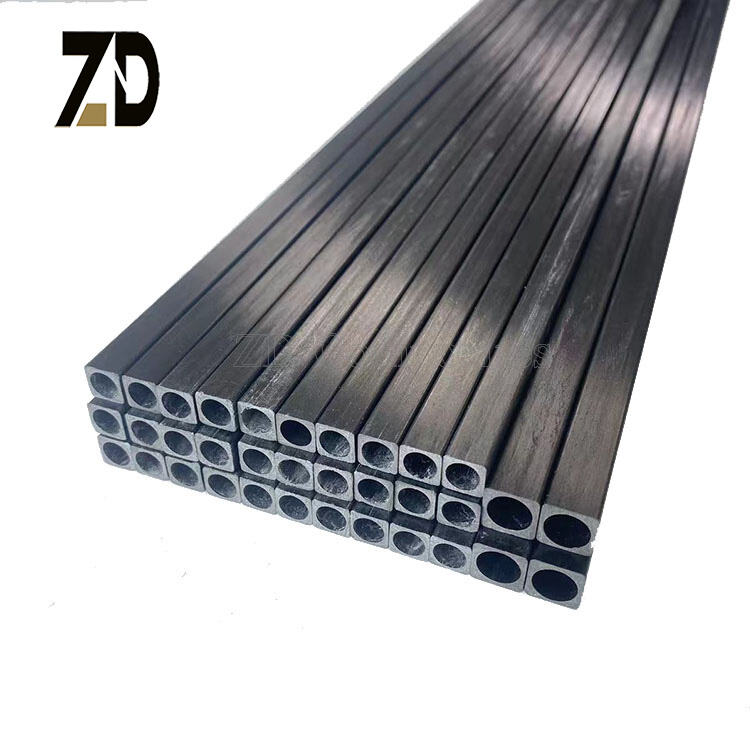
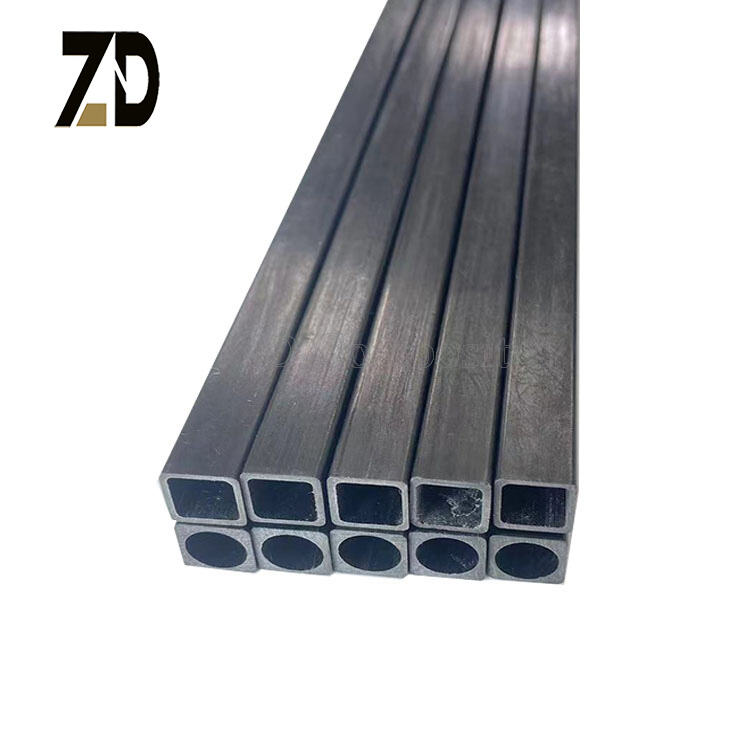
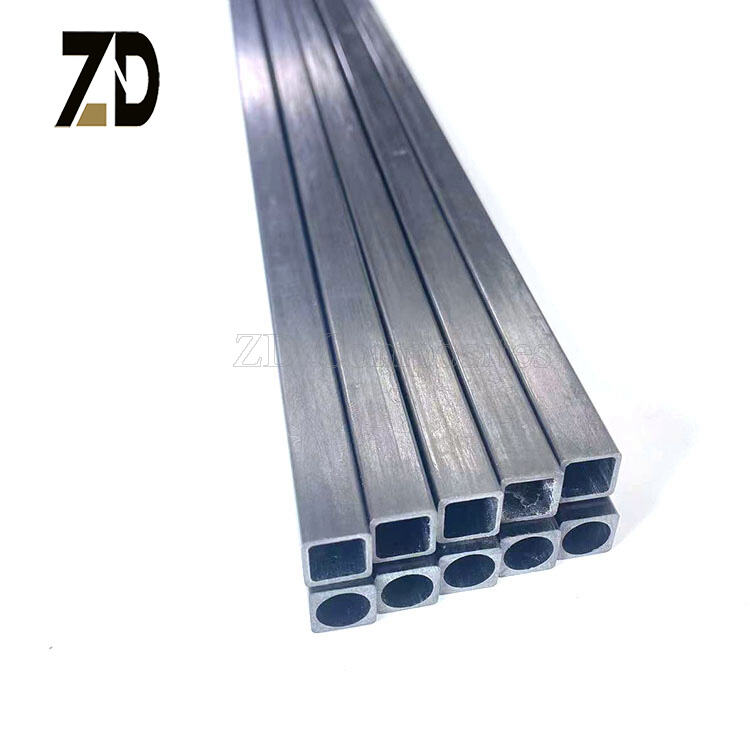
Carbon fiber rectangular tubes demonstrate extraordinary structural performance characteristics that revolutionize engineering design possibilities across multiple industries. The advanced composite construction delivers tensile strengths exceeding 3,500 MPa while maintaining elastic modulus values comparable to steel, creating unprecedented design opportunities for weight-critical applications. The rectangular cross-section geometry optimizes material distribution for maximum structural efficiency, positioning carbon fibers where they provide the greatest resistance to bending moments and torsional loads. This strategic material placement results in superior load-carrying capacity compared to equivalent weight metallic alternatives. Manufacturing precision ensures consistent wall thickness and dimensional accuracy within tight tolerances, eliminating structural weaknesses associated with material variability. The carbon fiber rectangular tube construction utilizes continuous fiber reinforcement that distributes loads evenly throughout the structure, preventing stress concentrations that could lead to premature failure. Quality control measures during production include real-time monitoring of fiber orientation, resin content, and curing parameters, ensuring each tube meets stringent performance specifications. Testing protocols validate mechanical properties through comprehensive evaluation including tensile, compression, flexural, and fatigue testing under various environmental conditions. The material's excellent fatigue resistance enables millions of load cycles without degradation, making it ideal for dynamic applications requiring long-term reliability. Thermal expansion coefficients can be engineered through fiber orientation control, allowing dimensional stability across wide temperature ranges. The inherent vibration damping properties reduce resonance issues and improve system stability in sensitive applications. Advanced manufacturing techniques enable complex geometries and integrated features, reducing assembly complexity while maintaining structural integrity. These performance advantages translate directly to reduced system weight, improved efficiency, and enhanced operational capabilities across aerospace, automotive, marine, and industrial applications.
 ×
×

 EN
EN