High-Performance Hard Carbon Fiber Sheets - Lightweight Composite Solutions for Industrial Applications

Get a Free Quote

Our representative will contact you soon.
Email
Name
Company Name
Message
0/1000

hard carbon fiber sheets

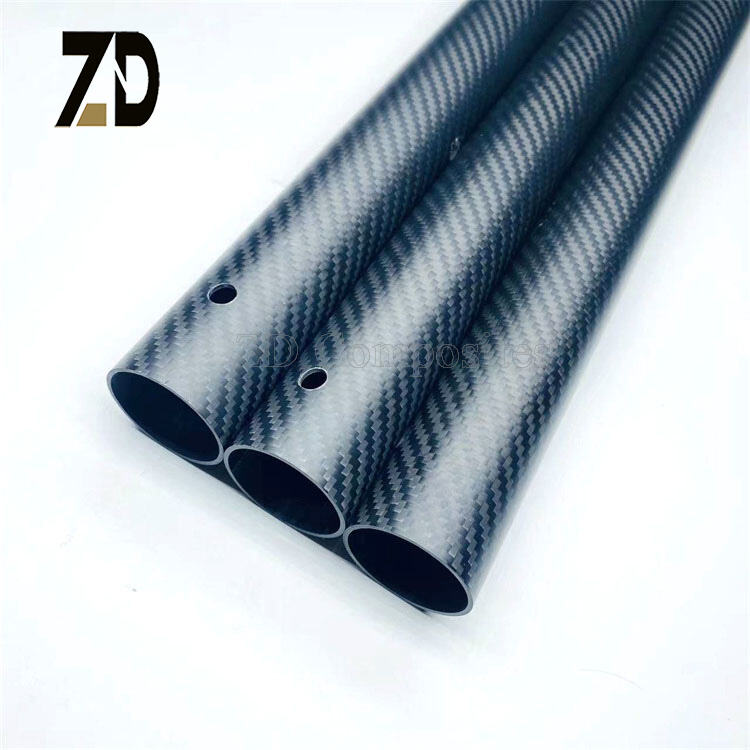
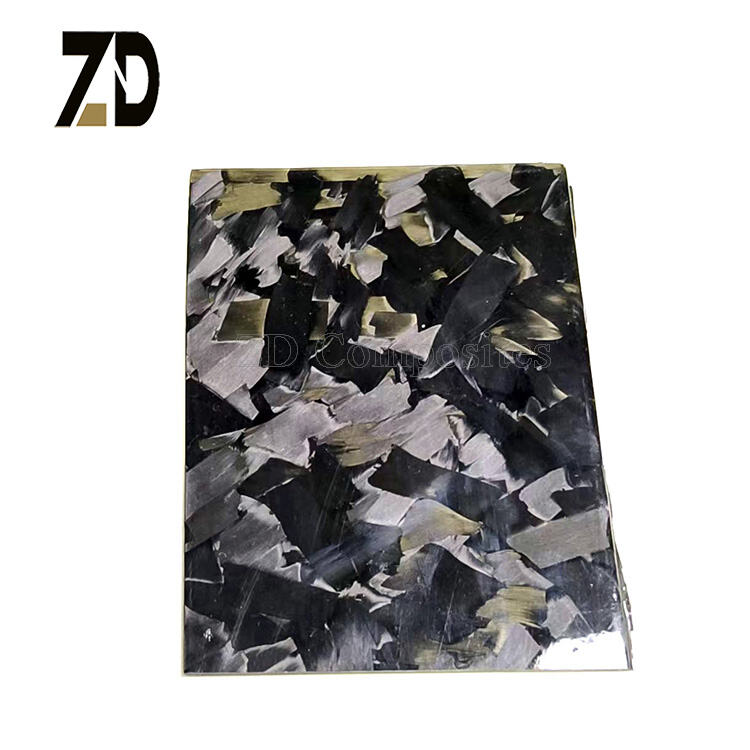
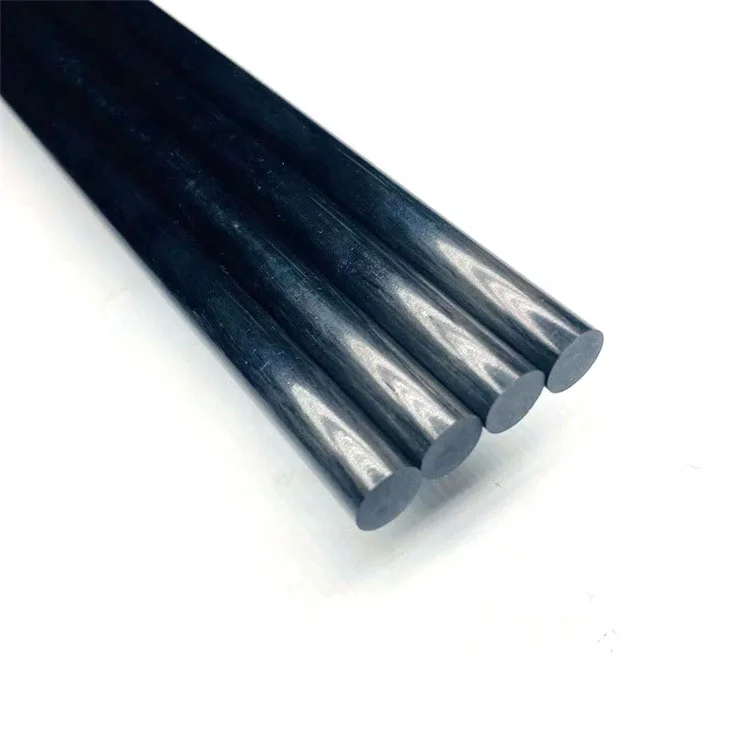
Hard carbon fiber sheets represent a revolutionary advancement in composite materials technology, offering exceptional performance characteristics that make them indispensable across numerous industries. These engineered materials consist of carbon fibers woven together and bonded with high-performance resin systems to create rigid, lightweight panels with extraordinary mechanical properties. Hard carbon fiber sheets deliver superior strength-to-weight ratios compared to traditional materials like steel, aluminum, or plastics, making them the preferred choice for applications demanding both structural integrity and weight reduction. The manufacturing process involves carefully controlling fiber orientation, resin content, and curing parameters to achieve optimal hardness and durability. These sheets exhibit remarkable resistance to fatigue, corrosion, and environmental degradation, ensuring long-term reliability in challenging operating conditions. The technological features of hard carbon fiber sheets include excellent dimensional stability, low thermal expansion coefficients, and outstanding vibration damping properties. Their modular design allows for easy fabrication and integration into complex assemblies. Applications span aerospace components, automotive panels, marine structures, industrial equipment housings, sporting goods, and architectural elements. In aerospace, hard carbon fiber sheets form critical structural components for aircraft fuselages, wing sections, and satellite components where weight savings directly translate to improved fuel efficiency and payload capacity. The automotive industry utilizes these materials for body panels, chassis reinforcement, and interior components to enhance performance while reducing overall vehicle weight. Marine applications benefit from the corrosion resistance and strength of hard carbon fiber sheets in hull construction, deck panels, and mast systems. Industrial machinery incorporates these sheets for protective covers, structural frames, and precision components requiring dimensional stability. The versatility of hard carbon fiber sheets extends to recreational equipment, architectural facades, and specialized tooling applications where their unique combination of properties delivers superior performance compared to conventional materials.

New Products

Hard carbon fiber sheets provide numerous practical benefits that directly address real-world challenges faced by engineers, manufacturers, and end-users across diverse industries. The most significant advantage lies in their exceptional strength-to-weight ratio, which allows designers to create structures that are significantly lighter than steel or aluminum alternatives while maintaining or exceeding required load-bearing capacities. This weight reduction translates to improved fuel efficiency in transportation applications, easier handling during installation, and reduced structural support requirements in buildings and machinery. The inherent stiffness of hard carbon fiber sheets eliminates unwanted flexing and vibration, resulting in more precise operation of mechanical systems and improved user experience in consumer products. These materials resist corrosion from chemicals, saltwater, and atmospheric conditions, eliminating the need for protective coatings and reducing maintenance costs over the product lifecycle. The dimensional stability of hard carbon fiber sheets ensures consistent performance across temperature variations, preventing warping, expansion, or contraction that could compromise system accuracy or aesthetic appearance. Manufacturing flexibility represents another key advantage, as these sheets can be easily cut, drilled, and shaped using standard fabrication tools while maintaining structural integrity at cut edges. The smooth surface finish of hard carbon fiber sheets reduces drag in aerodynamic applications and provides an attractive appearance that often eliminates the need for additional finishing processes. Electrical properties can be tailored through fiber selection and resin formulation to provide either conductivity for electromagnetic shielding or insulation for electrical isolation applications. The fatigue resistance of hard carbon fiber sheets far exceeds that of metals, ensuring reliable performance under cyclic loading conditions without crack propagation or failure. Temperature stability allows these materials to function effectively across wide temperature ranges without significant property degradation. Cost-effectiveness emerges through reduced material usage, lower transportation costs due to weight savings, decreased maintenance requirements, and extended service life compared to traditional alternatives. Environmental benefits include recyclability potential and energy savings throughout the product lifecycle due to weight reduction in mobile applications.

Practical Tips

How to Make a Carbon Fiber Box: Choosing the Right Prepreg, Resin & Mold

20

Oct

How to Make a Carbon Fiber Box: Choosing the Right Prepreg, Resin & Mold

View More
The advantages of fiberglass stakes

20

Oct

The advantages of fiberglass stakes

View More
Applications and advantages of carbon fiber materials in industry

27

Oct

Applications and advantages of carbon fiber materials in industry

View More

Get a Free Quote

Our representative will contact you soon.
Email
Name
Company Name
Message
0/1000

hard carbon fiber sheets

Unmatched Strength and Durability Performance

Unmatched Strength and Durability Performance

The exceptional strength characteristics of hard carbon fiber sheets stem from the unique properties of carbon fibers combined with advanced resin matrix systems that create a composite material with performance capabilities far exceeding traditional alternatives. These sheets typically exhibit tensile strengths ranging from 500 to 1000 MPa, which is comparable to or greater than many steel alloys while weighing only one-fourth as much. This remarkable strength-to-weight advantage enables engineers to design structures that were previously impossible or impractical with conventional materials. The directional strength properties can be optimized through strategic fiber orientation during manufacturing, allowing designers to place maximum strength exactly where needed in the final application. Hard carbon fiber sheets demonstrate exceptional resistance to impact damage, with the ability to absorb significant energy before failure while maintaining structural integrity under repeated loading cycles. The fatigue life of these materials often exceeds one million cycles at stress levels that would cause failure in metals within thousands of cycles, making them ideal for applications involving constant vibration or cyclic loading such as automotive components, aerospace structures, and industrial machinery. The interlaminar shear strength ensures that individual layers remain bonded together even under complex loading conditions, preventing delamination that could compromise structural performance. Compressive strength properties, while typically lower than tensile values, still provide adequate performance for most applications while maintaining the weight advantage over metallic alternatives. The durability aspect extends beyond mechanical properties to include resistance to environmental degradation from ultraviolet radiation, moisture, chemicals, and temperature extremes. Hard carbon fiber sheets maintain their mechanical properties across temperature ranges from cryogenic conditions to several hundred degrees Celsius, making them suitable for applications in extreme environments. The material's resistance to creep ensures that long-term loading does not result in permanent deformation, maintaining dimensional accuracy and structural integrity throughout the service life. Quality control during manufacturing ensures consistent properties throughout each sheet and between production batches, providing designers with reliable material characteristics for engineering calculations and safety factor determinations.
Superior Weight Reduction and Design Flexibility

Superior Weight Reduction and Design Flexibility

Weight reduction represents one of the most compelling advantages of hard carbon fiber sheets, offering designers the opportunity to dramatically reduce overall system weight while maintaining or improving structural performance. The density of carbon fiber composites typically ranges from 1.4 to 1.6 grams per cubic centimeter, compared to 2.7 for aluminum and 7.8 for steel, resulting in immediate weight savings of 40 to 80 percent when substituting these materials in equivalent strength applications. This weight reduction cascades through entire systems, allowing for smaller foundations, reduced support structures, lower power requirements for movement, and decreased fuel consumption in transportation applications. The design flexibility of hard carbon fiber sheets enables engineers to create complex geometries and integrated structures that would be difficult or impossible to manufacture with traditional materials. The anisotropic properties allow designers to orient fibers in specific directions to optimize strength and stiffness exactly where needed, creating tailored mechanical properties throughout the component. This directional control enables the creation of structures with variable thickness, integrated mounting features, and complex curvatures while maintaining structural efficiency. Manufacturing processes such as compression molding, vacuum bagging, and automated fiber placement allow for the production of near-net-shape parts that require minimal machining or finishing operations, reducing manufacturing time and waste. The ability to co-cure multiple components together creates integrated assemblies that eliminate mechanical fasteners, reducing weight, part count, and assembly time while improving reliability. Tool requirements for fabricating hard carbon fiber sheets are minimal compared to metal forming operations, with standard woodworking and machining tools providing adequate capability for most cutting and shaping operations. Design consolidation opportunities arise from the ability to integrate multiple functions into single components, such as combining structural load-bearing with vibration damping, thermal management, or electromagnetic shielding properties. The predictable linear elastic behavior of hard carbon fiber sheets simplifies stress analysis and enables accurate finite element modeling, allowing engineers to optimize designs with confidence. Rapid prototyping capabilities allow for quick design iterations and testing, accelerating product development cycles and reducing time to market for new products incorporating these advanced materials.
Cost-Effective Long-Term Value and Maintenance Benefits

Cost-Effective Long-Term Value and Maintenance Benefits

The long-term economic advantages of hard carbon fiber sheets extend far beyond initial material costs, delivering substantial value through reduced maintenance requirements, extended service life, and operational efficiency improvements that significantly lower total cost of ownership. While the upfront investment in hard carbon fiber sheets may exceed that of traditional materials, the durability and performance characteristics result in lifecycle cost savings that often justify the initial expense within the first few years of operation. Corrosion resistance eliminates the need for protective coatings, painting, or galvanizing processes that add cost and maintenance requirements to steel components, while also preventing the structural degradation that necessitates premature replacement in harsh environments. The dimensional stability of hard carbon fiber sheets reduces wear on moving parts, bearings, and seals in mechanical systems, extending component life and reducing unscheduled maintenance events that can be costly in terms of both parts and downtime. Energy savings from weight reduction compound over time, particularly in transportation applications where reduced vehicle weight directly translates to improved fuel economy and lower operating costs throughout the vehicle's service life. The high strength-to-weight ratio allows for the use of smaller, less expensive support structures and foundations, reducing both material and installation costs in construction applications. Manufacturing efficiency benefits include reduced material waste due to the ability to optimize fiber placement and minimize excess material, while the near-net-shape forming capabilities reduce machining time and associated costs. Labor costs decrease due to the lighter weight of hard carbon fiber sheets, which reduces handling equipment requirements and allows for easier manual manipulation during installation and maintenance operations. The extended service life of these materials, often exceeding 20-30 years in demanding applications, amortizes the initial investment over a much longer period than traditional materials that may require replacement every 5-10 years. Insurance benefits may apply due to the fire resistance and impact tolerance of hard carbon fiber sheets, potentially reducing premiums for structures and vehicles incorporating these materials. Recycling and disposal costs at end-of-life are becoming increasingly favorable as recycling technologies for carbon fiber composites continue to develop, with recovered fibers retaining significant value for use in secondary applications, creating potential revenue streams rather than disposal costs.

Get a Free Quote

Our representative will contact you soon.
Email
Name
Company Name
Message
0/1000