Premium Thin Carbon Fiber Sheets - Lightweight High-Strength Composite Materials

Get a Free Quote

Our representative will contact you soon.
Email
Name
Company Name
Message
0/1000

thin carbon fiber sheets

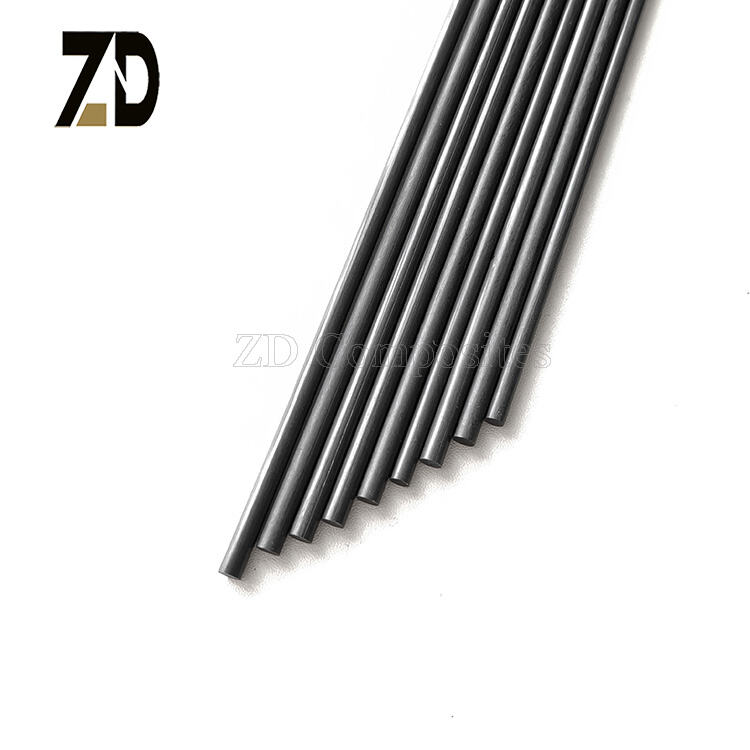
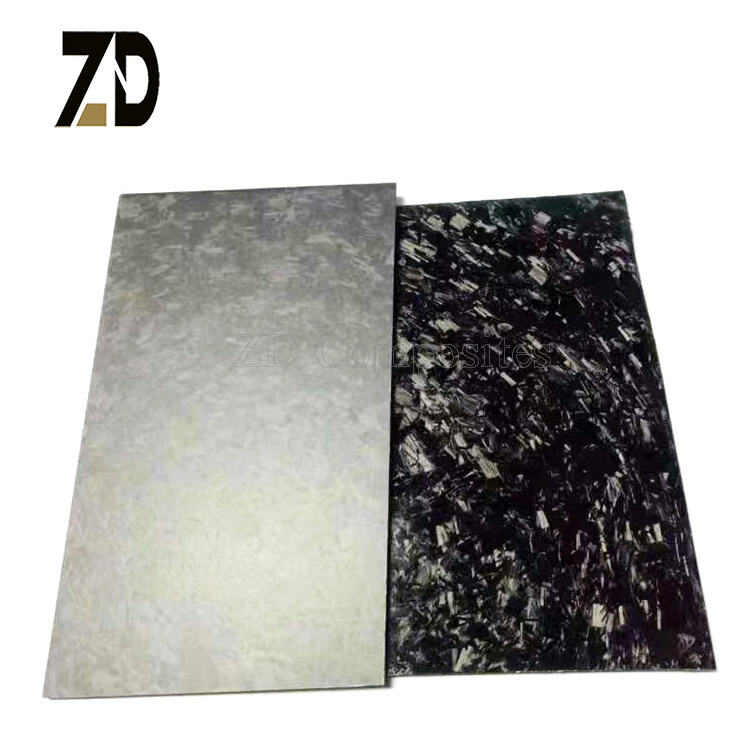
Thin carbon fiber sheets represent a revolutionary advancement in composite materials technology, offering exceptional performance characteristics in an ultra-lightweight package. These engineered materials consist of densely woven carbon fibers that are bound together using advanced resin systems, creating sheets with remarkable strength-to-weight ratios. The manufacturing process involves precise layering techniques that ensure consistent fiber orientation and optimal resin distribution throughout the material structure. Thin carbon fiber sheets typically range from 0.1mm to 3mm in thickness, making them ideal for applications where space constraints and weight reduction are critical factors. The carbon fibers themselves are derived from polyacrylonitrile precursors that undergo controlled carbonization processes at temperatures exceeding 1000 degrees Celsius. This thermal treatment removes non-carbon elements, leaving behind pure carbon structures with exceptional mechanical properties. The technological features of thin carbon fiber sheets include outstanding tensile strength, superior stiffness, excellent fatigue resistance, and remarkable dimensional stability across varying temperature ranges. These materials exhibit anisotropic properties, meaning their strength characteristics vary depending on fiber orientation, allowing engineers to optimize performance for specific load directions. The sheets demonstrate excellent electrical conductivity, making them suitable for electromagnetic shielding applications. Additionally, thin carbon fiber sheets possess superior corrosion resistance compared to traditional metals, ensuring long-term durability in harsh environmental conditions. Applications span across aerospace, automotive, electronics, sporting goods, and industrial equipment sectors. In aerospace applications, these sheets are utilized for aircraft panels, satellite components, and drone structures where weight savings directly translate to improved fuel efficiency and performance. The automotive industry leverages thin carbon fiber sheets for body panels, interior components, and structural reinforcements that enhance vehicle performance while reducing overall weight.

New Products

Thin carbon fiber sheets deliver numerous practical benefits that make them superior to conventional materials in demanding applications. The primary advantage lies in their exceptional strength-to-weight ratio, which surpasses steel by approximately five times while weighing significantly less. This characteristic enables manufacturers to create lighter products without compromising structural integrity or safety requirements. Weight reduction translates directly into improved fuel efficiency for vehicles, enhanced payload capacity for aircraft, and better portability for consumer electronics. The dimensional stability of thin carbon fiber sheets ensures consistent performance across wide temperature ranges, preventing warping, expansion, or contraction that commonly affects metal components. This stability proves crucial in precision applications where dimensional accuracy remains paramount. The material's inherent vibration damping properties reduce noise and improve user comfort in automotive and aerospace applications. Unlike metals, thin carbon fiber sheets resist corrosion and chemical degradation, eliminating the need for protective coatings and reducing maintenance requirements over the product lifecycle. This corrosion resistance makes them ideal for marine environments and chemical processing equipment where traditional materials would deteriorate rapidly. The electromagnetic shielding capabilities of thin carbon fiber sheets protect sensitive electronic components from interference, making them valuable in telecommunications and medical device applications. Manufacturing flexibility allows these sheets to be formed into complex shapes and contours without significant material waste, reducing production costs and environmental impact. The aesthetic appeal of carbon fiber's distinctive weave pattern adds premium visual appeal to consumer products, enhancing perceived value and marketability. Processing advantages include compatibility with various bonding techniques, including adhesive bonding, mechanical fastening, and co-curing with other composite materials. The material's low thermal expansion coefficient ensures stable performance in temperature-cycling applications. Energy absorption characteristics make thin carbon fiber sheets excellent for impact protection in sporting goods and safety equipment. Long-term durability reduces replacement costs and maintenance schedules, providing superior total cost of ownership compared to traditional materials. The recyclability of carbon fiber materials supports sustainability initiatives while maintaining performance standards throughout multiple lifecycle phases.

Tips And Tricks

How to Make a Carbon Fiber Box: Choosing the Right Prepreg, Resin & Mold

20

Oct

How to Make a Carbon Fiber Box: Choosing the Right Prepreg, Resin & Mold

View More
The advantages of fiberglass stakes

20

Oct

The advantages of fiberglass stakes

View More
Applications and advantages of carbon fiber materials in industry

27

Oct

Applications and advantages of carbon fiber materials in industry

View More

Get a Free Quote

Our representative will contact you soon.
Email
Name
Company Name
Message
0/1000

thin carbon fiber sheets

Unmatched Strength-to-Weight Performance Revolution

Unmatched Strength-to-Weight Performance Revolution

Thin carbon fiber sheets redefine performance standards through their extraordinary strength-to-weight characteristics that fundamentally transform product design possibilities across multiple industries. The tensile strength of these advanced materials reaches up to 3500 MPa, which is approximately five times stronger than steel while weighing only one-fourth as much. This remarkable performance ratio stems from the unique molecular structure of carbon fibers, where carbon atoms are arranged in crystalline formations that provide exceptional load-bearing capabilities. The significance of this strength-to-weight advantage extends far beyond simple material substitution, enabling engineers to reimagine product architectures and achieve previously impossible design goals. In aerospace applications, every gram of weight reduction translates to substantial fuel savings over the aircraft's operational lifetime, making thin carbon fiber sheets an investment that pays dividends through reduced operating costs. The automotive sector benefits similarly, where lighter vehicles achieve better acceleration, braking performance, and fuel economy while maintaining or improving safety standards. The structural efficiency of thin carbon fiber sheets allows designers to use less material overall, creating products with hollow sections and optimized geometries that would be impossible with heavier materials. This efficiency particularly benefits portable electronics, where consumers demand increasingly powerful devices in compact, lightweight packages. The fatigue resistance of carbon fiber surpasses metals significantly, maintaining structural integrity through millions of load cycles without degradation. This longevity ensures that products using thin carbon fiber sheets maintain their performance characteristics throughout extended service lives, providing consistent value to end users. The material's ability to be tailored for specific load directions through fiber orientation optimization allows engineers to place strength exactly where needed, eliminating unnecessary material and further enhancing the strength-to-weight advantage. Manufacturing processes for thin carbon fiber sheets have evolved to support high-volume production while maintaining consistent quality standards, making these advanced materials accessible for broader market applications. The combination of strength, lightness, and durability creates opportunities for innovation in emerging technologies such as electric vehicles, renewable energy systems, and advanced robotics where performance requirements continue to escalate.
Superior Environmental Resistance and Longevity

Superior Environmental Resistance and Longevity

Thin carbon fiber sheets demonstrate exceptional resistance to environmental degradation, providing long-term performance stability that surpasses traditional materials in challenging operating conditions. Unlike metals that suffer from oxidation and corrosion, carbon fiber materials maintain their structural integrity when exposed to moisture, salt spray, chemicals, and extreme temperatures. This inherent resistance stems from the chemical inertness of carbon, which does not react with most environmental contaminants that would cause deterioration in other materials. The practical implications of this environmental resistance extend throughout the product lifecycle, reducing maintenance requirements and extending service intervals significantly. Marine applications particularly benefit from this characteristic, where thin carbon fiber sheets resist the corrosive effects of saltwater that would rapidly degrade steel or aluminum components. Chemical processing industries utilize these materials for equipment exposed to aggressive chemicals that would attack conventional materials, ensuring operational reliability and safety. The temperature stability of thin carbon fiber sheets enables consistent performance across temperature ranges from cryogenic conditions to several hundred degrees Celsius, making them suitable for applications spanning from arctic environments to high-temperature industrial processes. Unlike polymers that become brittle at low temperatures or soften at elevated temperatures, carbon fiber maintains its mechanical properties across these extreme ranges. UV radiation, which degrades many organic materials, has minimal impact on properly protected thin carbon fiber sheets, ensuring outdoor applications maintain their appearance and performance over decades of exposure. The dimensional stability provided by low thermal expansion coefficients prevents the warping and distortion that affects metal components during temperature cycling, maintaining precise tolerances in critical applications. This stability proves particularly valuable in precision instruments, optical equipment, and electronic enclosures where dimensional changes would compromise functionality. The fatigue resistance of thin carbon fiber sheets exceeds metals by significant margins, withstanding millions of stress cycles without crack initiation or propagation. This durability characteristic ensures that dynamic applications such as rotating machinery, suspension components, and flexible structures maintain their performance throughout extended operational periods. The combination of environmental resistance and mechanical durability creates total cost of ownership advantages that often justify higher initial material costs through reduced maintenance, longer service life, and improved reliability.

Advanced Manufacturing Versatility and Design Freedom

Advanced Manufacturing Versatility and Design Freedom

Thin carbon fiber sheets offer unprecedented manufacturing versatility that enables complex geometries and innovative design solutions previously impossible with conventional materials. The formability of these advanced composites allows manufacturers to create intricate shapes, compound curves, and integrated features in single manufacturing operations, reducing assembly complexity and part count significantly. This design freedom stems from the material's ability to be shaped while maintaining fiber continuity, ensuring that complex geometries retain the full strength benefits of the carbon fiber reinforcement. Advanced manufacturing techniques such as resin transfer molding, vacuum bagging, and autoclave processing enable precise control over fiber orientation and resin distribution, optimizing performance for specific loading conditions. The compatibility of thin carbon fiber sheets with various manufacturing processes provides flexibility in production planning and equipment utilization, accommodating both prototype development and high-volume production requirements. Co-curing capabilities allow these sheets to be integrated directly with other composite materials during manufacturing, creating hybrid structures that combine the benefits of different material systems in optimized configurations. The excellent surface finish achievable with thin carbon fiber sheets reduces or eliminates secondary finishing operations, streamlining production processes and reducing manufacturing costs. The material's stability during processing prevents warping and distortion that commonly occur with metals during heat treatment or machining operations, ensuring dimensional accuracy and reducing scrap rates. Joining techniques for thin carbon fiber sheets include advanced adhesive bonding systems that create joints stronger than the base materials, mechanical fastening methods that accommodate thermal expansion differences, and welding processes specifically developed for composite materials. The electrical conductivity of carbon fiber enables innovative joining techniques such as resistance welding and electromagnetic pulse welding that create strong, lightweight connections without additional hardware. Tool design for manufacturing with thin carbon fiber sheets benefits from the material's consistent properties and predictable behavior during forming operations, reducing development time and tooling costs. The ability to embed sensors, wiring, and other functional elements directly within thin carbon fiber sheets during manufacturing creates smart structures with integrated monitoring and control capabilities. Quality control during manufacturing benefits from non-destructive testing techniques specifically developed for composite materials, ensuring consistent performance and reliability in critical applications. The scalability of manufacturing processes for thin carbon fiber sheets supports both custom, low-volume applications and mass production requirements, providing flexibility to meet diverse market demands while maintaining quality standards.

Get a Free Quote

Our representative will contact you soon.
Email
Name
Company Name
Message
0/1000