carbon fibre sheet
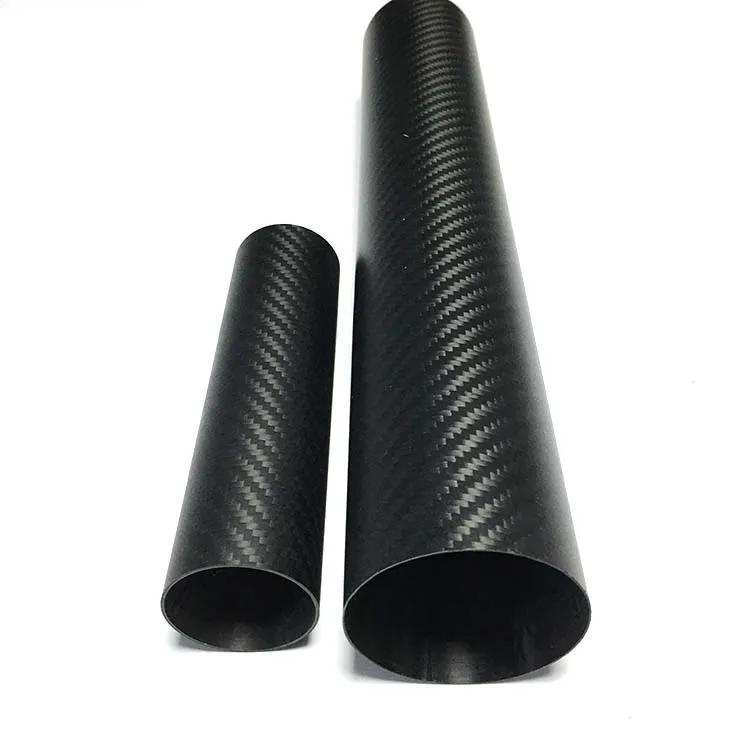
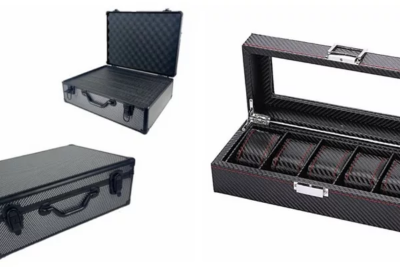
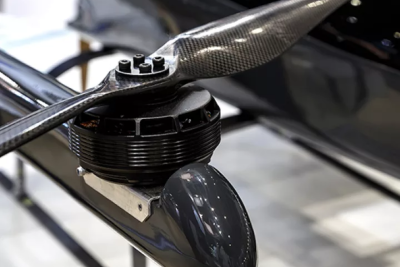
Carbon fibre sheet represents a revolutionary material that has transformed industries ranging from aerospace to automotive manufacturing. This advanced composite material consists of extremely thin carbon fibres woven together and bonded with polymer resins to create sheets of exceptional strength and versatility. The carbon fibre sheet manufacturing process involves carbonizing organic precursor fibres at temperatures exceeding 1000 degrees Celsius, resulting in sheets that contain over 90 percent carbon content. These sheets exhibit remarkable mechanical properties that surpass traditional materials like steel and aluminum in many applications. The technological features of carbon fibre sheet include exceptional tensile strength, typically ranging from 3500 to 7000 MPa, combined with a remarkably low density of approximately 1.6 grams per cubic centimeter. This unique combination creates a strength-to-weight ratio that exceeds steel by nearly five times while maintaining flexibility and durability. Carbon fibre sheet products are available in various weave patterns, including plain weave, twill weave, and unidirectional configurations, each offering specific performance characteristics. The main functions of carbon fibre sheet encompass structural reinforcement, weight reduction, electromagnetic shielding, and thermal management across diverse applications. In aerospace applications, carbon fibre sheet forms critical components of aircraft fuselages, wings, and control surfaces, where weight savings directly translate to fuel efficiency improvements. Automotive manufacturers utilize carbon fibre sheet for body panels, chassis components, and interior elements to enhance performance while reducing vehicle weight. Marine applications benefit from the corrosion resistance and strength of carbon fibre sheet in hull construction and rigging systems. Sports equipment manufacturers rely on carbon fibre sheet for tennis rackets, golf clubs, bicycles, and protective gear where performance advantages are paramount. Industrial applications include wind turbine blades, pressure vessels, and architectural elements that require exceptional strength with minimal weight penalties.
 ×
×

 EN
EN